
Growing Tomatoes in the Leningrad Region: Basic Rules and Secrets
Content
Selecting a variety
The Leningrad Region is considered a territory where tomatoes can only be grown with supplemental lighting. This is especially important from October to February, as the natural daylight hours during this period are insufficient for proper development and full growth of plants.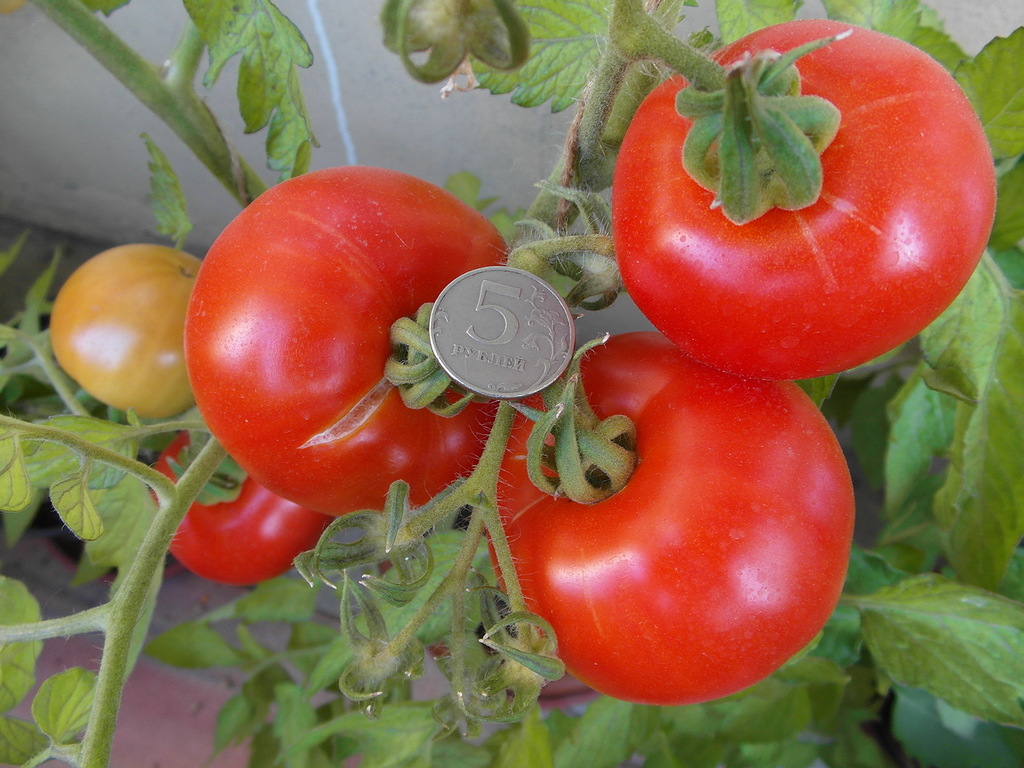
Therefore, crop varieties that can be cultivated in the Leningrad region must have a number of properties:
- tolerate a lack of light;
- have short fruit ripening periods and the earliest possible harvest;
- resistance to most tomato diseases;
- the ability to form fruit ovaries even in conditions of low ambient temperatures;
- the pleasant piquant taste of fruits that use sunlight to accumulate sugars.
There aren't many tomato varieties that possess all of these properties. They were all artificially bred by plant breeders. There are about 30 registered varieties that can be successfully cultivated in the Leningrad Region. The following varieties are most often planted in open ground or greenhouses:
- For growing in unprotected soil, we recommend "Dwarf 1185";
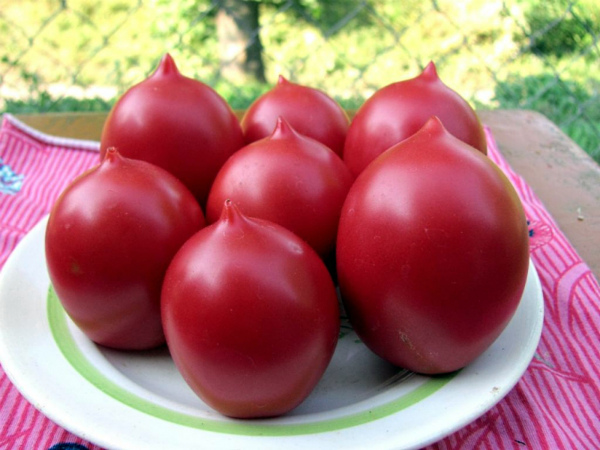
- Depending on the final purpose, the following are planted in the greenhouse: "Nose", "Shuttle" (for canning); "Grotto", "Cameo", "Gaia", "Gnome" (for fresh consumption); "Lakomka", "Lotus", "Rassvet F1" (used for preparing salads).
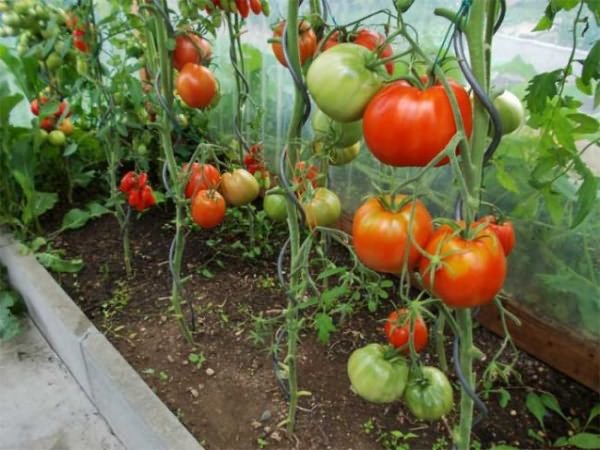
Gardeners actively cultivate vegetables with orange-colored fruits: "Rosinka" and "Charovnitsa", as well as early-ripening varieties "Eugenia" and "Argo".
Over the years of experimentation, numerous varieties and hybrids have been developed for the Leningrad Region. Due to the region's vast size and specific weather and climate conditions, even the western and eastern regions were considered when developing new varieties. Therefore, varieties specifically developed for the region can be successfully grown.
Video "Best Varieties"
This video will show you which varieties are suitable for growing outdoors.
Growing seedlings
When to plant vegetables in the Leningrad Region? Vegetable seeds are sown strictly according to the timing. To calculate the correct planting period, subtract the optimal age of young seedlings from the average time for planting seedlings in protected soil and add the time it takes for the seed to germinate. Early tomato varieties should be planted in protected soil at the very beginning of summer (June 1) when they are 50 days old. 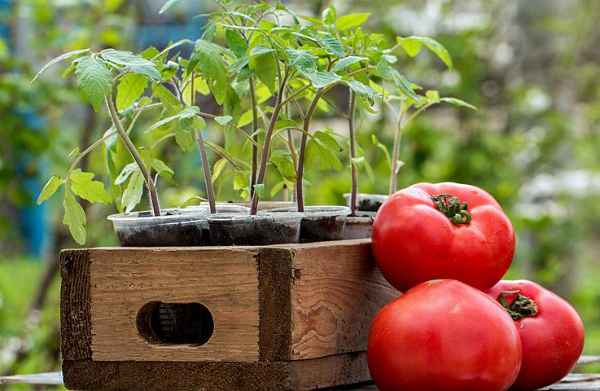 Those varieties that ripen very, very quickly (ultra-early) should be sown before mid-April, and late varieties – no earlier than March 10, when the seedlings are two months old.
As for vegetables planned for planting in unprotected soil, these varieties should be sown between April 1 and 5. The soil should be at least 0.1 meters deep when this occurs. In the northern parts of the region, planting should be done a week later.
In the Leningrad Region, frosts may still occur in early June. Soil type should also be taken into account. For example, sandy loams warm up faster and to a greater depth than loams.
Before planting, the seeds should be germinated. The easiest way to do this is to spread the seeds on ironed cheesecloth. This cloth can be moistened with plain water or a solution of a growth stimulant (Epin). Germination occurs within a day or two. The most important thing is not to miss the moment when the roots begin to grow. Otherwise, they will fuse with the cloth, making it impossible to separate them.
Seedlings should be started in the region in early spring. In northern regions, young plants are planted at this time of year for subsequent transplanting indoors. In southern regions, seedlings should be planted in April, and sometimes as late as May. Sometimes, seeds can be sown directly into the ground.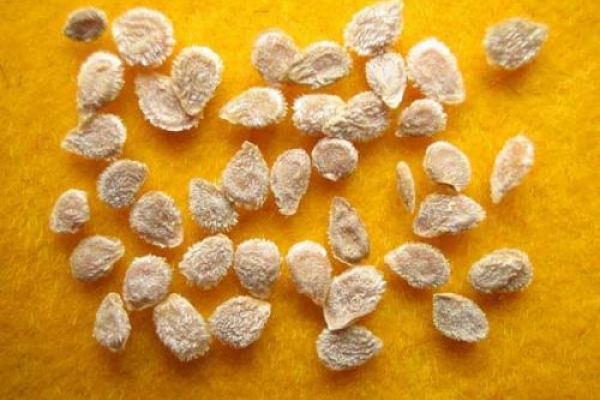
When wondering how to grow tomatoes in the Leningrad region, it's important to know that soil preparation is an important part of the process.
For seedlings, it's also worth creating a special soil mixture. You can buy a ready-made substrate, or you can make your own. The most common recipe used by gardeners is to mix garden soil or sod (a good option is soil where nettles were previously grown) with humus, peat, and river sand.
For tomato plants to thrive, the soil must have the right balance of calcium. To achieve this, add a cup of crushed chicken eggshells to the soil. Do not add mineral fertilizers to the soil. Mature plants will need these fertilizers during fruit set and development.
The prepared soil mixture needs to be steamed. This can be done in a variety of ways, from heating it over a fire to baking it in the oven. This procedure helps disinfect the mixture and kill any fungi, bacteria, and larvae that live in it. This treatment also kills weeds. All pests in the soil can be eliminated by treating the soil with a potassium permanganate solution. Water the soil after placing it in a special container. Watering will help the soil settle and compact it securely in the container.
After the seeds have sprouted, they should be placed in the prepared soil mixture. The seeds should be planted 0.5–0.7 cm deep, root-side down (if this is difficult to determine, you can place the seeds on their flat sides. This way, the shoots will automatically determine the correct direction). Until the first shoots appear, the containers with the seedlings should be placed in a warm place where the temperature is at least 25°C.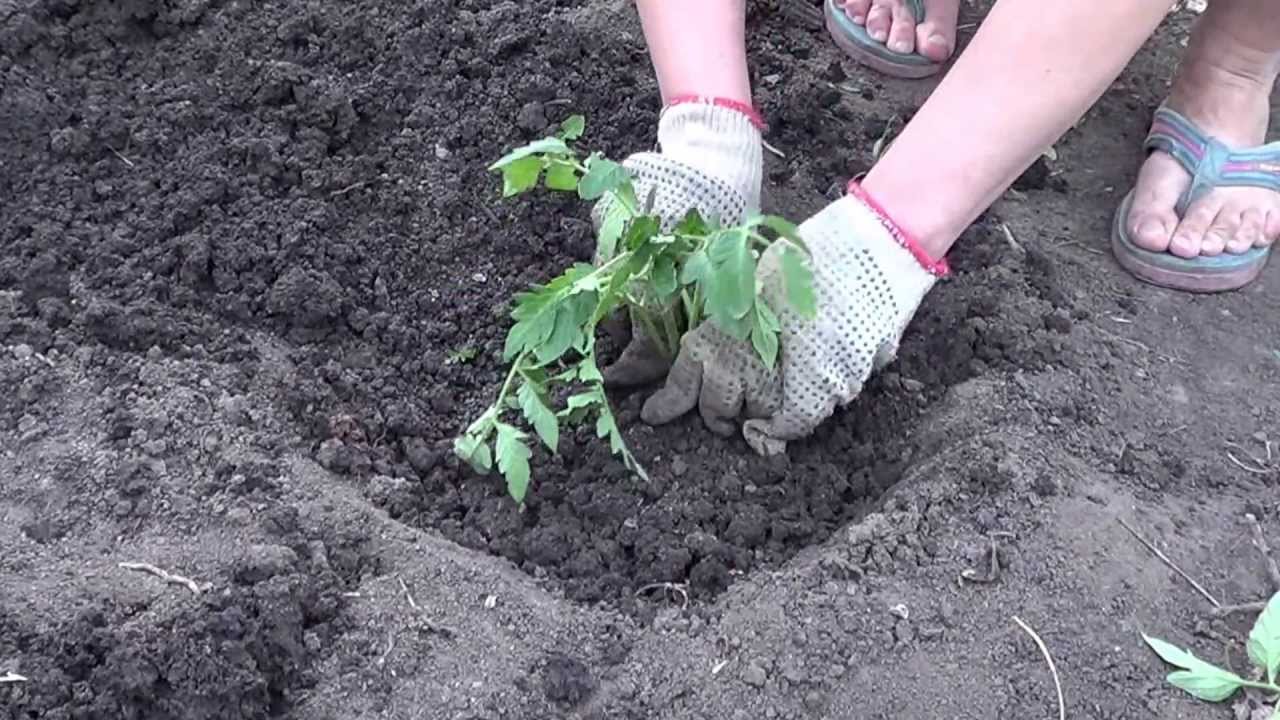
Some gardeners cover containers with plastic bags to enhance the warmth. This is acceptable, but it's essential to regularly ventilate young plants.
Landing
In southern regions, where the climate is milder, you can grow tomatoes from seeds in the soil. In this case, the soil and air temperature will help determine when to sow tomatoes in a special room (a greenhouse or hotbed). However, you can also speed up the warming process yourself.
A heating system can be installed indoors. Manure or a heating system placed along the greenhouse floor is typically used for this purpose. When using manure, horse manure is placed in the bottom of the trench at the beginning of soil preparation, then covered with sand and then fertile soil. As the manure decomposes, it releases heat, which can warm the plants and the entire greenhouse.
In this case, it's important to monitor the temperature and humidity. This will prevent the young plants from drying out. If you plan to sow directly into the ground, it's a good idea to transplant the seedlings.
Transplanting into individual containers occurs after two leaves have formed. This procedure will help the plants establish themselves more quickly in the soil and improve growth. Regular fertilizing is essential.
When you decide to plant seedlings in protected soil, make sure the young plants have reached the appropriate age. If the seedlings are still "young," they won't have enough time to mature the bulk of the harvest. And then all your efforts won't yield even a fraction of the desired results.
Care
Before planting the seedlings, it's a good idea to add organic fertilizer. Once the young plants have settled into their new habitat, they'll need to be fertilized. Fertilizers containing potassium and phosphorus are best. Avoid nitrogen-rich fertilizers during the initial stages of growth.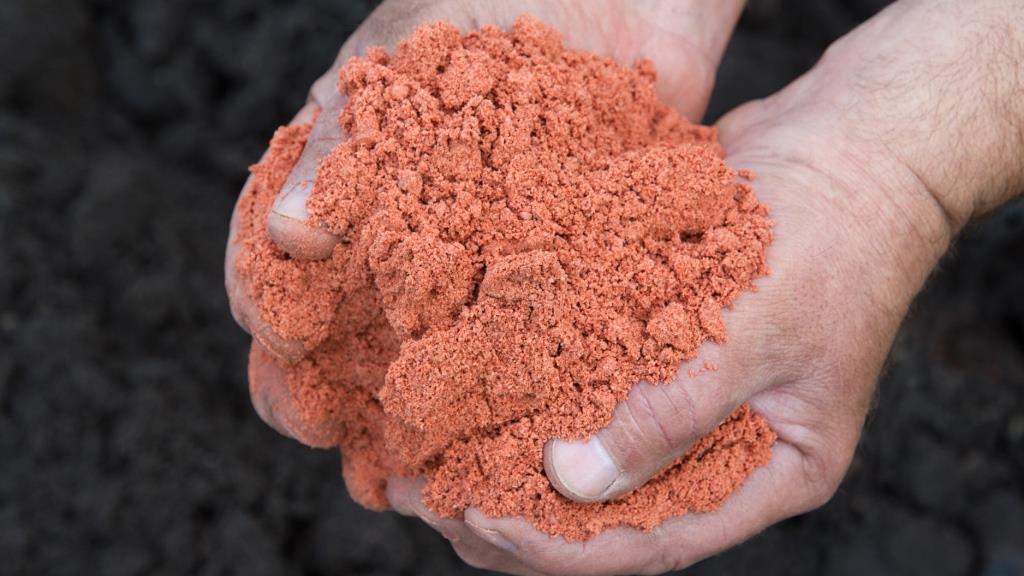
Excessive nitrogen fertilization will lead to excessive growth of green mass on plants. This will cause the plant to devote all its energy to developing leaves and stems, which will negatively impact fruit production. Fruit ovaries will develop slowly and be small. Ash applied in liquid form will be especially beneficial to plant development during this period.
During the flowering period, it's worth fertilizing nightshades with ready-made chemicals, which are readily available at specialized retailers. For example, you can use "Sudarushka-Tomato"—a universal, chlorine-free fertilizer. It's used to prevent fungal diseases. "Sudarushka-Tomato" also has a positive effect on the harvest. The fertilizer should be applied as a solution: a teaspoon of the substance dissolved in a bucket of water. Apply half a liter of the solution per plant. In open soil, tomatoes can exhibit a "greenhouse" problem—the plant blooms, but no fruit sets. However, the causes of this phenomenon are different than those observed in greenhouse cultivation.
And, of course, don't forget about regular and systematic watering, which is a necessary element of the growing process for any vegetable.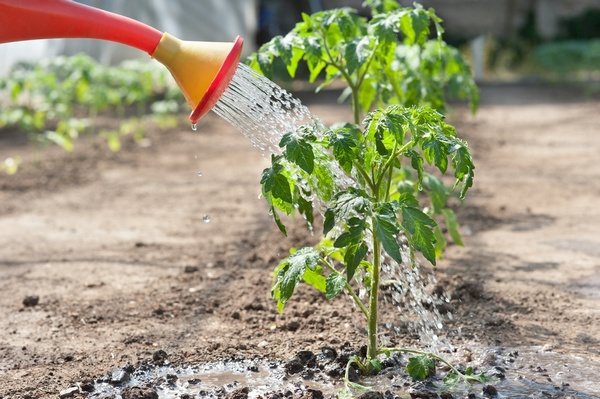
So, a home-grown tomato harvest in the Leningrad Region will delight you with its volume, flavor, and quality only if you follow all the rules and recommendations. Choosing the right variety, taking into account the specific characteristics of the region where you plan to grow it, is also crucial.
Video: Growing Tomatoes
This video will show you how to grow tomatoes outdoors.