
Secrets to Proper Tomato Care: Nuances and Tips
Content
What you need to take care of initially
First of all, novice gardeners should decide which tomato variety they'll grow indoors. Planting in a greenhouse significantly simplifies the care process. There's a wide variety of varieties that can produce large yields. They'll be particularly firm even when fully ripe.
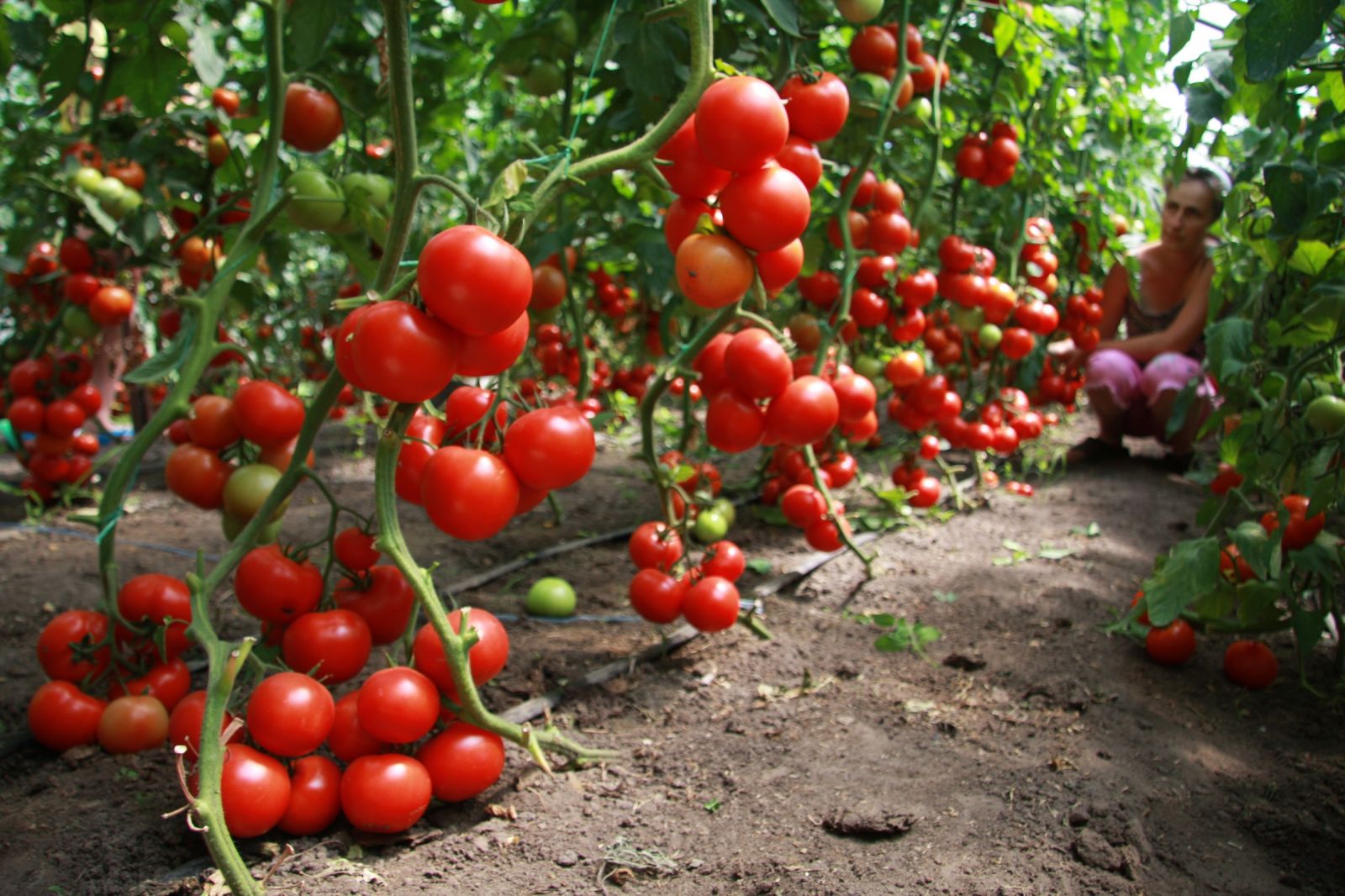
If you decide to grow tomatoes in a greenhouse, you'll need to build the structure on level ground. Suitable materials will ensure favorable indoor conditions. Maintaining a stable temperature is crucial to ensure faster seedling growth.
It's also important that the structure itself has high technical and operational performance. Polycarbonate is the best material for greenhouse construction. It offers a good price-performance ratio. If everything is done correctly from the start, you won't have to repair damage during inclement weather or strong winds.
When growing tomatoes outdoors, you'll need to prepare the soil. Remove small stones and weeds. Be sure to avoid clayey soil, as this will negatively impact the growth rate and yield of tomato seedlings.
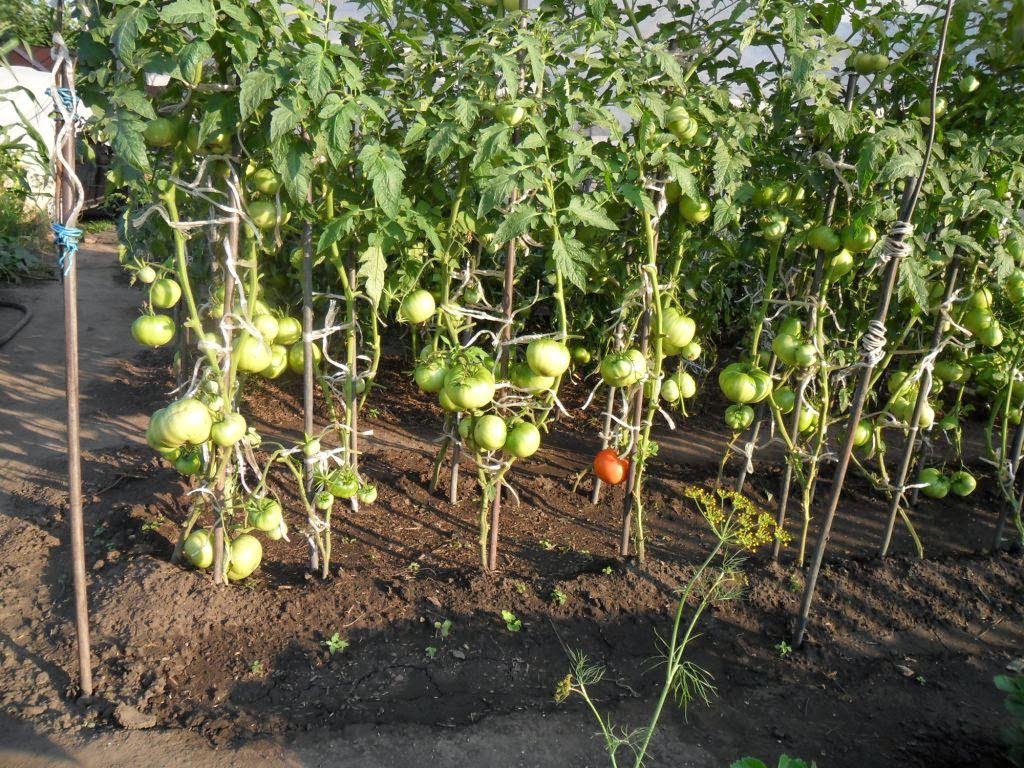
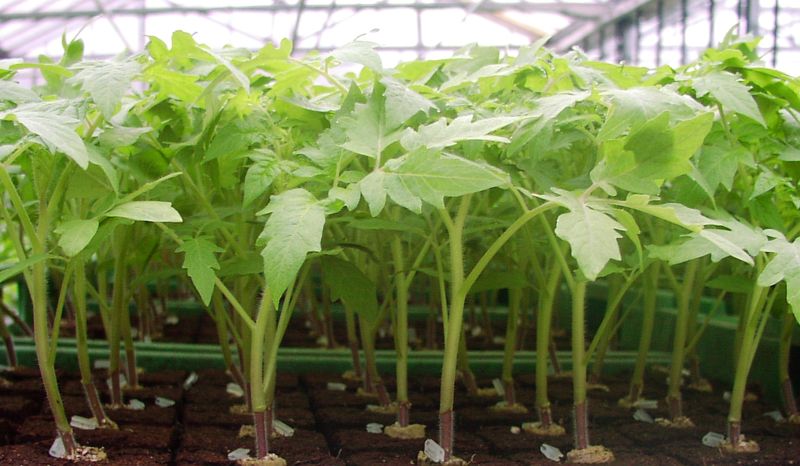
Next, you need to start growing seedlings for planting. You can also buy seedlings at the market. If you're planting in a garden plot and you live in an apartment, the latter method is more practical.
If you decide to prepare the planting material yourself, it must be planted correctly to ensure the tomato's root system has time to develop properly before placing the plant in the ground. Different varieties have their own specific recommendations for proper cultivation. These recommendations are generally the same, but some tomato varieties may require more sunlight, moisture, or higher temperatures.
When growing tomatoes indoors, you'll need to create the optimal greenhouse temperature, develop an irrigation system suited to your variety, and fertilize the seedlings to improve crop performance and increase yield. Self-pollination and pruning will also require special attention.
Video: "First Care After Planting Tomatoes"
The author of this video talks about how to properly care for newly planted tomatoes.
Watering tomatoes
Proper and timely watering is the key to good tomato growth. The plant needs sunlight and moisture, but the latter requires special care.
If gardeners grow tomatoes in a greenhouse, they may periodically notice the fruits cracking. Grooves appear on them, which then begin to dry out, affecting the quality of the harvest. The main cause is improper watering during cultivation. With proper watering, such symptoms are extremely rare.
Fruit cracking occurs during ripening. Due to excess moisture in the soil, the root system saturates the plant. After this, the tomatoes stop growing, and furrows appear on the surface of the tomatoes. A lack of water also leads to fruit deformation.
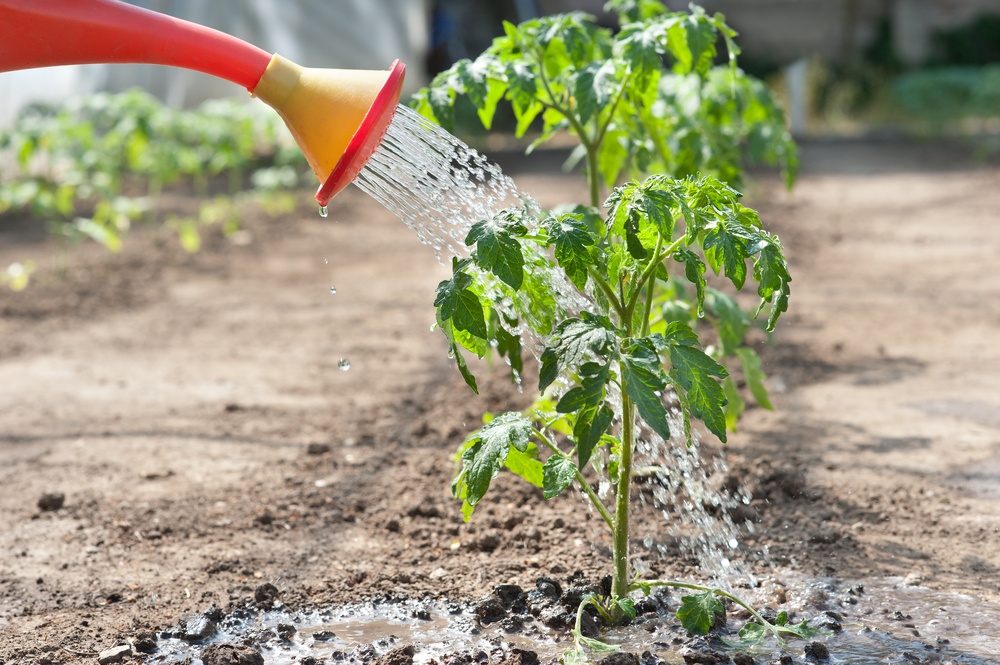
Most varieties don't require daily watering. Some will only need one watering every 3-4 days. Water should be applied directly into the hole to prevent it from spreading across the soil, ensuring the moisture reaches its intended destination.
Seedling planting typically begins in June. The soil should already be moist. After placing the seedling in the hole, moisten the soil again. Watering can be repeated after a week. During this time, the plant's root system will adapt to the new conditions and begin to function normally.
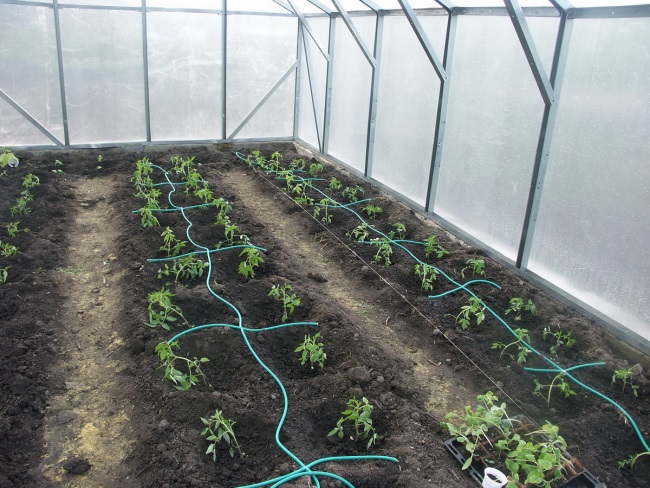
Irrigation can be of several types: mechanical, sprinkler, drip and subsurface.
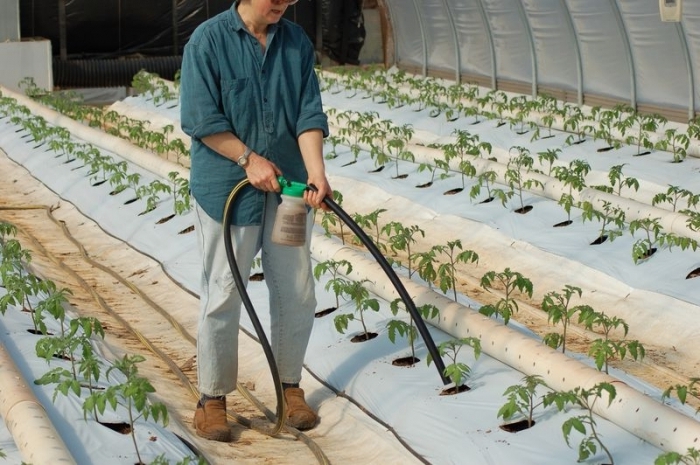
If you have a large number of seedlings, it will take significantly more time than using an automatic system if you use mechanical irrigation at home. Most often, summer residents use a hose for watering, connecting it to the water supply system. This method reduces energy and time costs. However, it makes it more difficult to water the tomatoes under the hole.
The problem is that if the water pressure is too high, it will begin to break up the soil, and the holes will need to be refilled. Reducing the pressure will make watering much slower. It's also important to ensure that the water doesn't come into contact with the seedlings' foliage.
This isn't a problem when growing tomatoes in a greenhouse, but it's best to avoid it. When sunlight hits the droplets, they act as a lens, refracting the rays. This can cause the green foliage to burn, which will affect the health of the crop.
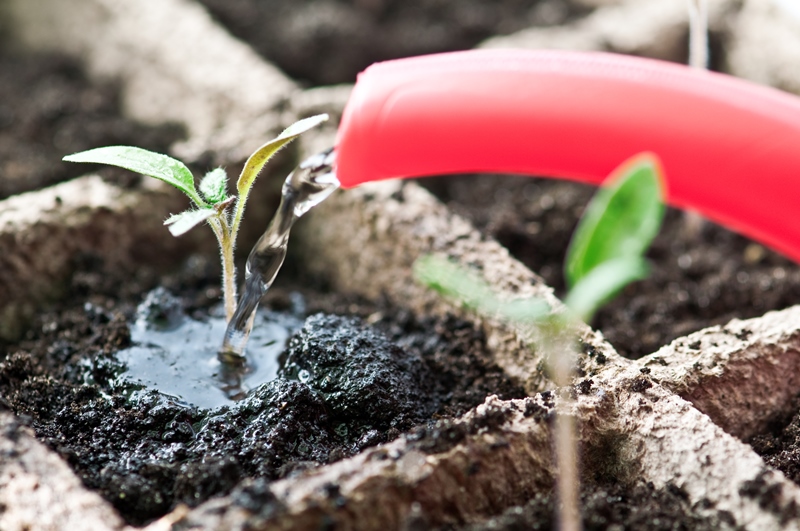
Automatic systems can be installed both in greenhouses and when growing crops outdoors. You can build your own system using special designs, or you can buy one at a store. There are a variety of systems, but the easiest to build at home is a drip irrigation system. It allows for even distribution of moisture into the holes without washing them out.
A subsurface irrigation system is more complex to set up and requires expertise and a significant amount of work. A subsurface irrigation system is a system of pipes placed shallowly underground. It runs along the rows of seedlings, delivering water directly to the roots. External irrigation of tomato plants into the holes is not required.
A sprinkler irrigation system is a more modern type, typically used in greenhouses. Pipes with nozzles are installed at a certain height around the perimeter of the room, through which water is supplied. The system evenly distributes moisture into the soil and prevents excess moisture.
When choosing a home irrigation method, gardeners should adhere to the watering schedule and volumes for the corresponding variety grown on the plot.
Top dressing
Caring for tomatoes also requires timely application of fertilizer to the soil or planting holes. This must be done correctly, otherwise, it can damage the planting.
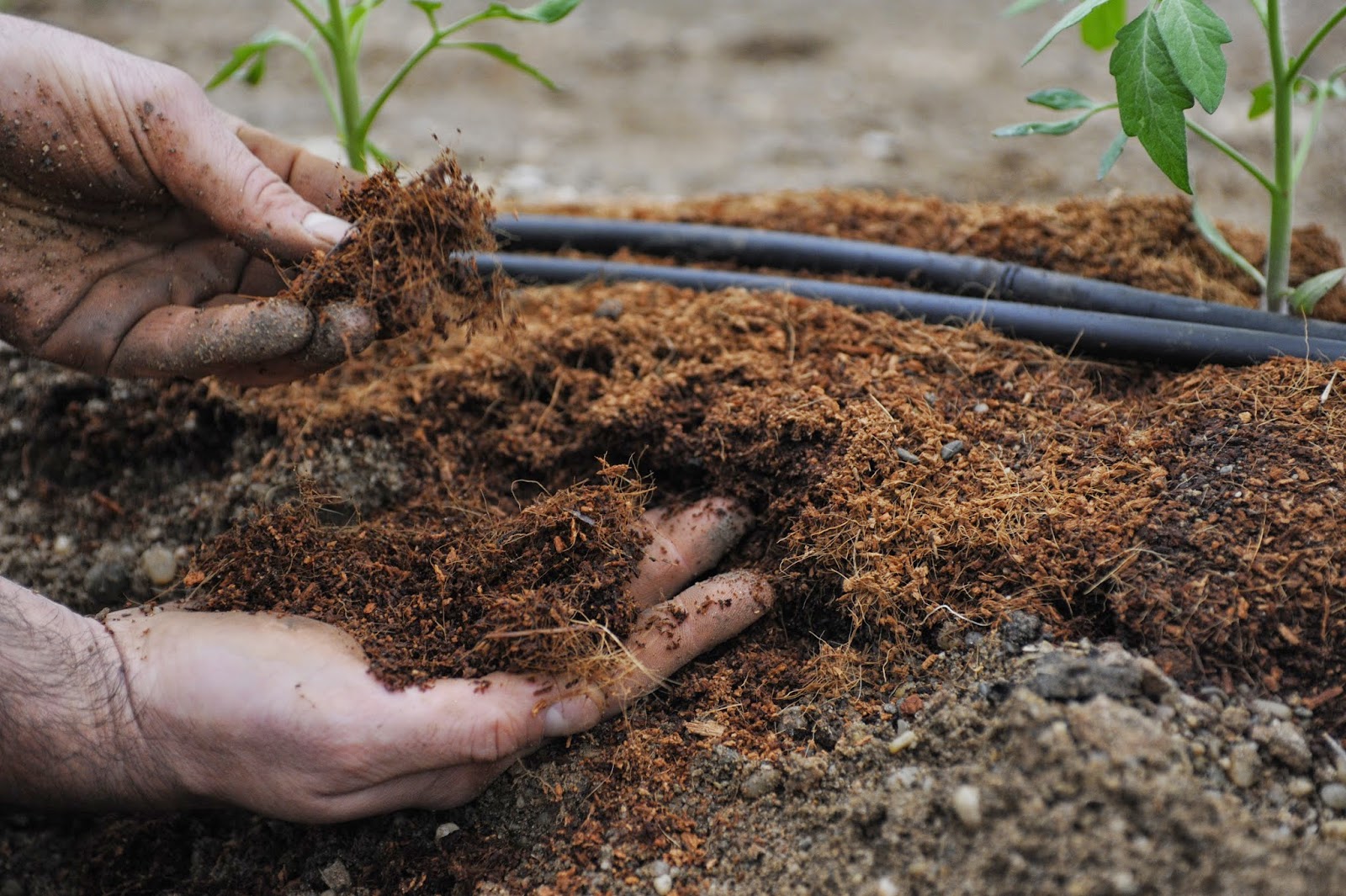
The first soil fertilization is done before planting tomatoes. This will enrich the soil with beneficial organic matter, minerals, and microelements, resulting in a larger vegetable harvest. Soil preparation is considered a separate step. Subsequently, tomatoes are fertilized up to twice.
Fertilizer should be added to the hole after the seedlings have taken root and are gradually starting to produce new shoots, and again when the fruit is setting.
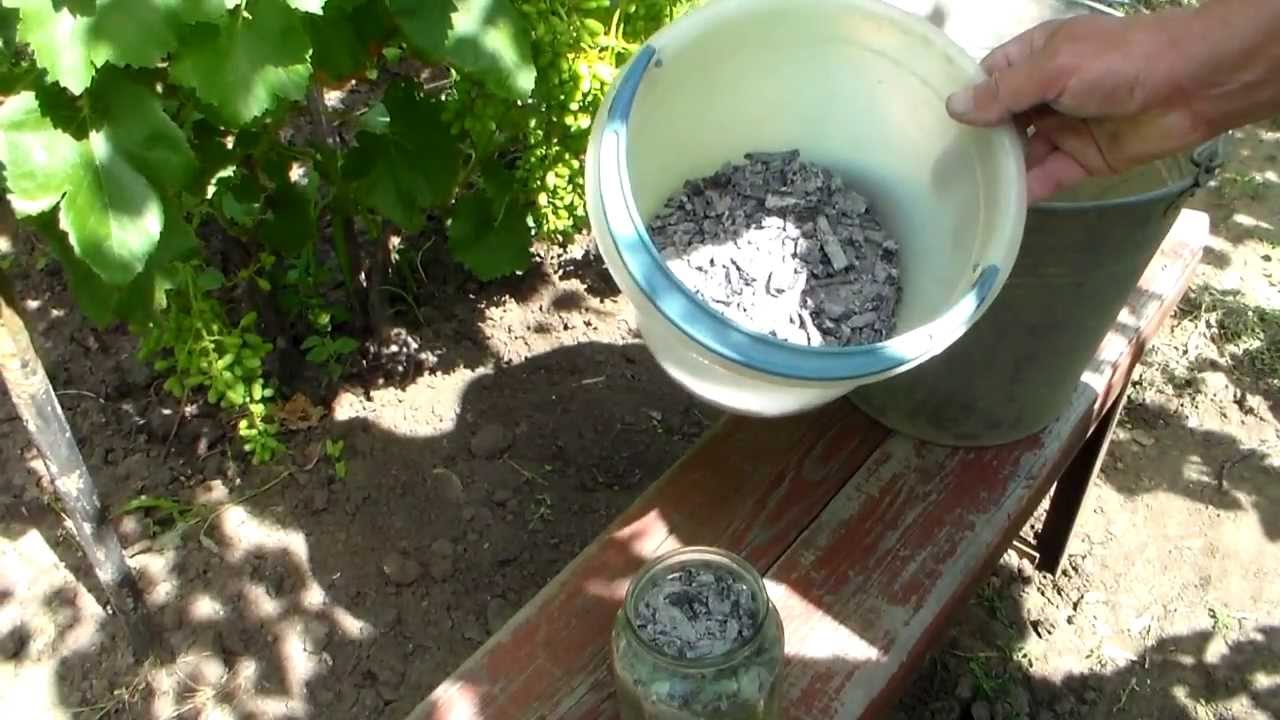
It's recommended to use no more than half a kilogram of fertilizer per 100 square meters at a time. I usually use ammonium nitrate and calcium nitrate as fertilizer. I sprinkle it into the holes and then water it. Upon contact with water, the chemicals will begin to penetrate the soil beneath the roots.
In addition to using powdered chemicals, liquid fertilizers can be purchased at specialty stores. These are typically diluted in water and then poured under each hole containing tomato seedlings.
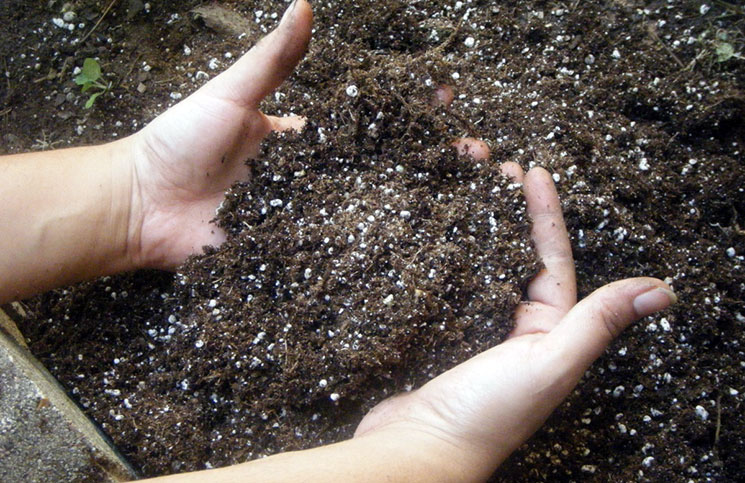
When growing tomatoes indoors, try not to exceed the recommended fertilizer application rate. Ideally, use solutions with a concentration of no more than 0.3%.
The first soil fertilization may not be necessary if the soil analysis reveals a sufficient level of nutrients.
Trimming
Pruning is another additional step in growing tomatoes. Not many people use it, but for some varieties, this method can have a positive effect.
Trimming excess leaves and branches will allow the plant to retain more nutrients needed for fruit growth.
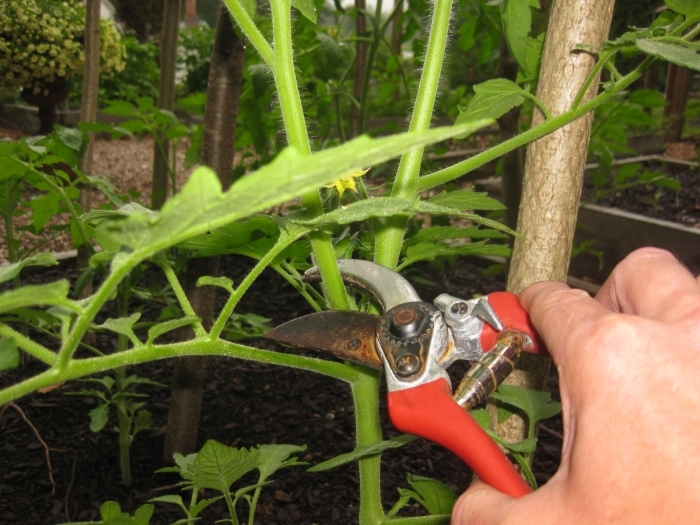
As the bush grows, use pruning shears to trim the lower parts where fruit will not develop. This is not difficult. The most important thing when pruning is to avoid damaging the stem. Sometimes, you may also need to trim the upper shoots, depending on the growth rate of the particular variety.
This way, the yield can be improved because the nutrients will be absorbed by the fruit rather than the bush.
The nuances of caring for greenhouse tomatoes
When growing tomatoes indoors, pay attention to the soil quality. Be sure to thoroughly loosen the soil before planting the seedlings to ensure better air and water penetration.
If you don't know which fertilizer to use, it's best to consult with sellers or more experienced gardeners.
When growing seedlings from seeds yourself, remember to start preparing them in early spring and planting them in the ground in the first half of summer. If you don't have suitable conditions for preparing seedlings, it's best to buy them. This way, you can choose healthy plants and save time.
Video "Tomatoes. Staking and removing side shoots"
The author of the video explains and demonstrates how to properly pinch and tie up tomatoes in greenhouse conditions.