
Superphosphate fertilizer for tomatoes: characteristics and instructions for use
Content
When to use
Using superphosphate to fertilize not only tomatoes but also other vegetable, fruit, and berry crops is convenient because it has a long-lasting effect. It can be applied to the soil in large quantities without worrying about overdosing, as plants absorb only the amount of phosphorus they need. Experienced vegetable growers know how to calculate the right amount and duration of application, thereby achieving high yields for any vegetable crop.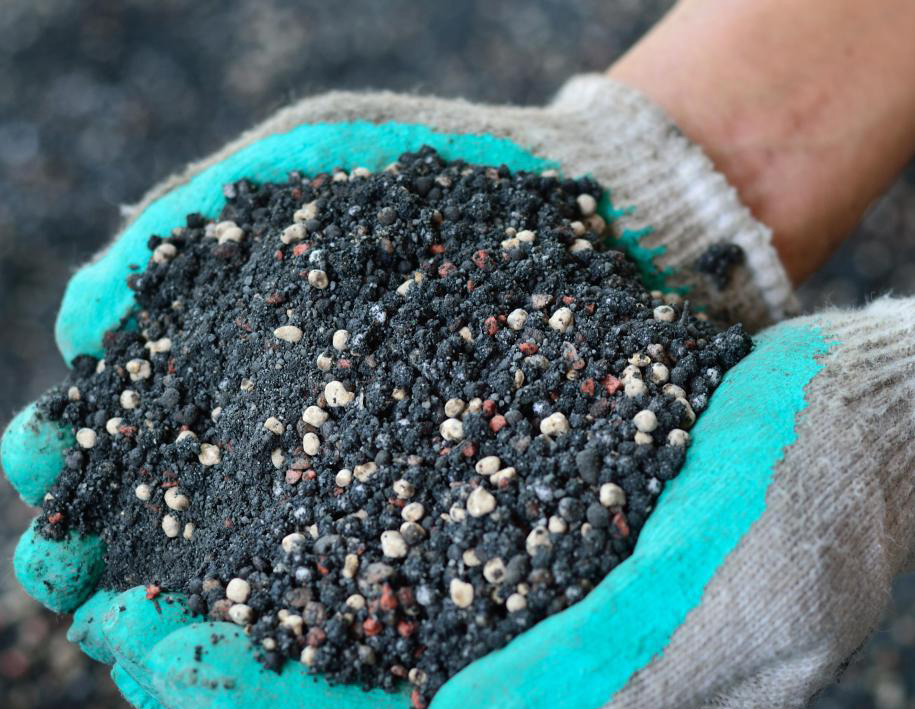
With sufficient phosphorus in the soil, plants develop better and faster, their growing season is extended, and the quality and taste of their fruits improves. A deficiency of this element, however, results in stunted growth, which naturally affects fruiting. The following external signs on the plants indicate that it's time to apply superphosphate to tomato fertilizer:
- noticeable darkening of the leaf blades – the leaves become dark green with a bluish tint;
- rusty spots appear on the stems and leaves;
- The underside of the leaf may take on a purple color.
These symptoms most often appear in tomato seedlings that have been hardened off or after a sudden cold snap. At low temperatures, phosphorus absorption by the roots is impaired, but with rising temperatures, leaf color usually returns. If this doesn't happen, the plants need additional fertilizing with superphosphate.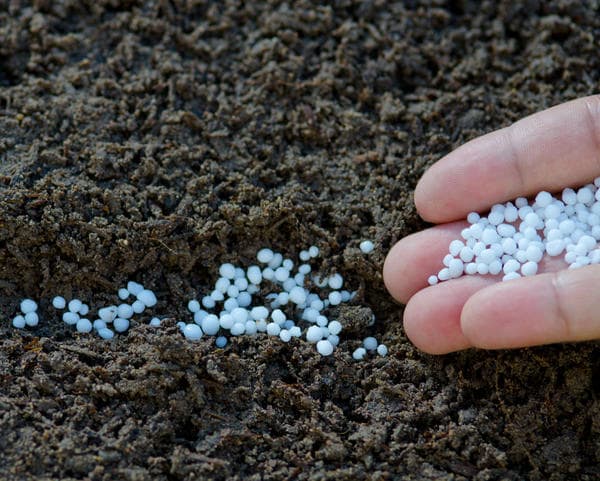
The preparation is usually applied to the soil in the spring before planting or in the fall. Fall application is preferable for fruit and berry crops, as the mixture supports the root system and facilitates the plant's wintering. For tomatoes, superphosphate is best applied in the spring during tilling. However, the fertilizer can also be sprinkled directly into the hole when planting seedlings at a rate of 1 teaspoon per plant.
Video "How to Fertilize"
From the video you will learn how and when to fertilize tomatoes.
What soils to use on?
The phosphorus in the fertilizer is in a form that makes it suitable for use in any soil. It remains readily available to plants, allowing them to absorb it in the required amounts. The fertilizer is most effective in fertile soils with a neutral or alkaline reaction. However, in acidic soils, its uptake by plants is somewhat impaired.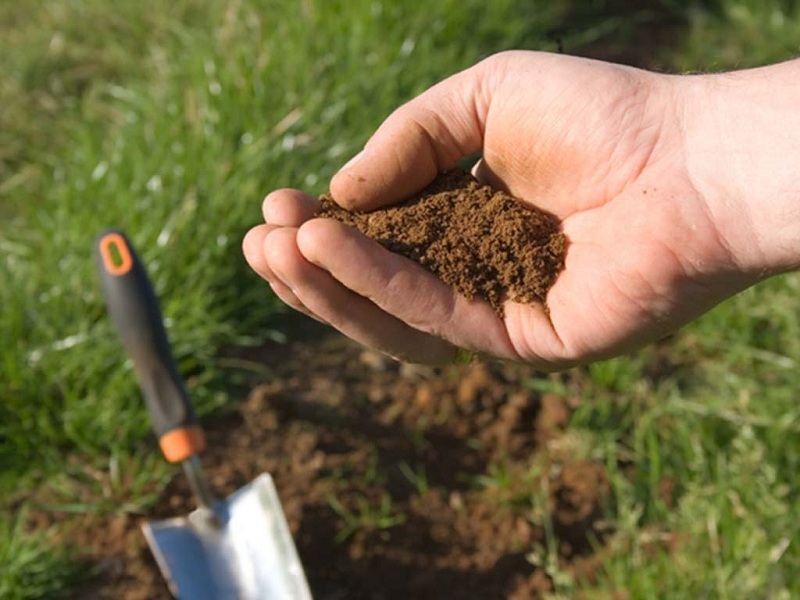
An acidic soil slows down phosphorus absorption by the roots, so before applying the fertilizer, the soil pH should be adjusted with ash (200 g/m²) or lime (0.5 kg/m²). After adjusting the pH, apply superphosphate no sooner than one month later. Otherwise, the fertilizer's effectiveness will be significantly reduced.
In acidic soil, superphosphate can have unpredictable effects. This is especially true for inexpensive mixtures made using impure raw materials.
In any other soil, this won't cause any harm, but in an acidic environment, this fertilizer can convert to iron phosphate, making it unavailable to plants. Therefore, if you have a significant phosphorus deficiency in your soil, it's better to use more expensive products. However, if you're sure your soil isn't too acidic, you can use any type of superphosphate.
Instructions for use
Superphosphate is applied directly to the soil in the spring or at the end of the season. The recommended application rate is 40-50 g/m² for fertile soils and 50-70 g for soils with a long history of crop rotation. For depleted soils, the total application rate should be increased by approximately 30%. This application rate is appropriate for areas growing seedlings, vegetables, herbs, cereals, and other agricultural crops. For greenhouse crops, the application rate is increased to 80-100 g/m² of soil.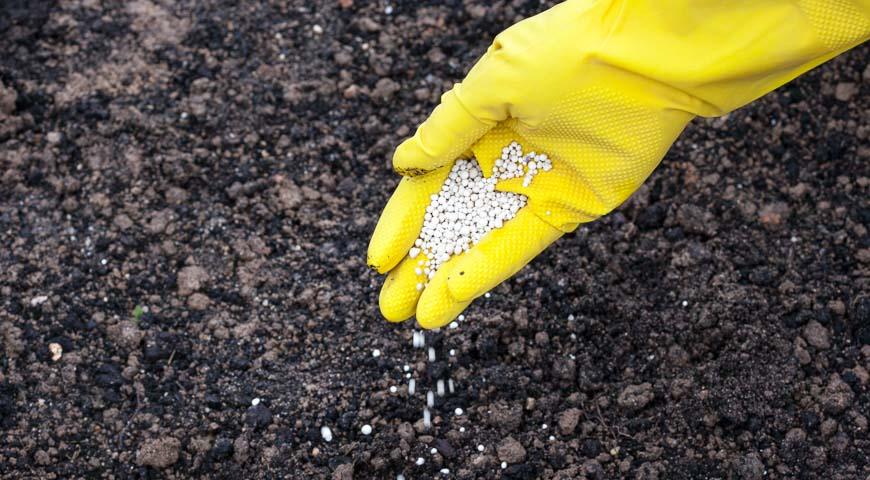
To feed fruit trees and berry bushes, use 40-60 g of fertilizer per plant, depending on its age and size. When planting seedlings, a single application of up to 300-500 g per planting hole can be used. If feeding a mature tree or bush, the granules are worked into the trunk circle before flowering. It is also acceptable to dissolve the specified amount of the product in water and use it for irrigation, but be aware that superphosphate dissolves slowly.
For nightshade crops such as potatoes, eggplants, and tomatoes, it's best to apply granulated superphosphate directly to the planting hole. When applied directly to the soil during tillage, the product is scattered at a rate of 20-30 g/m² of planting area. When using superphosphate in gardening, it's important to note that it is incompatible with other nitrogen fertilizers (mixtures), as well as chalk (lime).
Types of superphosphates
For ease of use, superphosphate is available in several forms and varieties:
- Simple, or monophosphate. A medium-friable gray powder that is virtually non-caking at the recommended moisture level. It contains up to 20% phosphorus oxide. It is used to make granules. Compared to newer varieties, it is less effective, but due to its relative affordability, it is widely used in industrial farming.
- Granular. Produced from simple superphosphate by forming granules. It has good flowability, making it easy to use. Contains up to 50% phosphorus oxide and approximately 30% potassium sulfate.
- Ammoniated. In addition to phosphorus oxide, it contains up to 12% sulfur and about 50% potassium. It is highly soluble in water, almost completely, making it often used for foliar feeding when sulfur deficiency occurs.
- Double. It consists of half phosphorus oxide and contains readily soluble monopotassium phosphate. It does not readily dissolve into liquid form. Its low fiber content makes it cost-effective to use. It significantly accelerates crop development and fruiting.
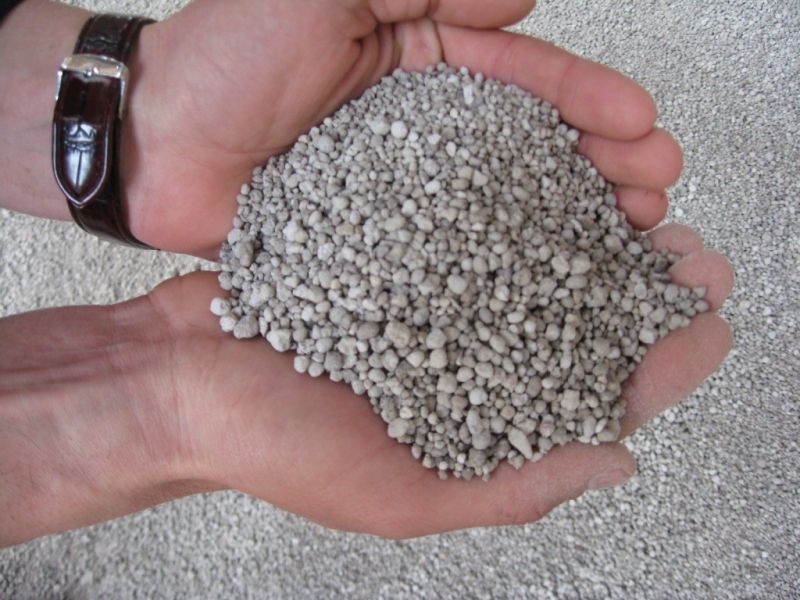
Another popular form of phosphorus fertilizer worth considering is superphosphate extract. Since phosphorus dissolves poorly in water, slowing its absorption by plants, gardeners have developed a method for converting superphosphate into a liquid fertilizer and applying it to tomatoes. To completely dissolve the granules or powder, they are poured with boiling water. This preserves all the beneficial properties of the substance, but converts it into an easily digestible aggregate form.
Preparing the solution takes a full day. During this time, place the container with the solution in a warm place and stir it periodically to ensure proper dissolution. The finished suspension should have the consistency of full-fat milk.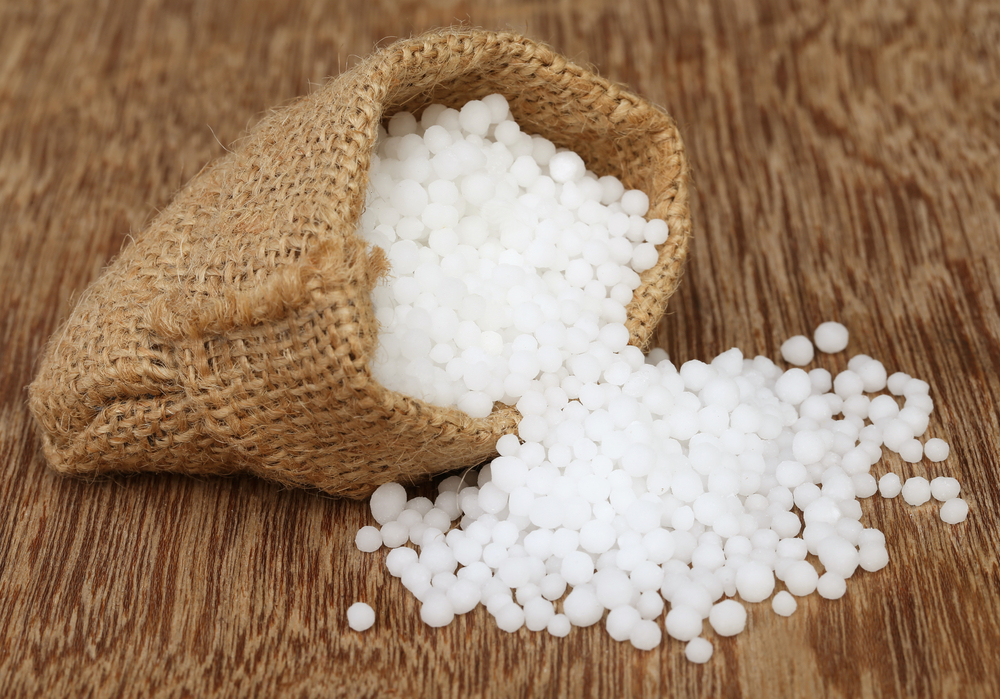
Next, dilute the extract with water at a ratio of 20 tablespoons per 3 liters of water (this creates a working solution, which is later used to prepare the fertilizer itself). Then prepare the main fertilizer: add 150 ml of the working solution, 20 g of nitrogen, and 0.5 l of ash to 10 liters of water. Nitrogen is essential in the fertilizer—without it, phosphorus will not be absorbed. The extract is applied at the roots through irrigation.
Application for tomatoes
Superphosphate is a universal fertilizer, but it is most effective when applied to garden crops such as potatoes, eggplants, and tomatoes. Tomatoes respond particularly well to this fertilizer: the plants become more vigorous, and the fruits are sweeter and less watery. When applying superphosphate to tomatoes, adhere to a rate of 20 g per plant (bush).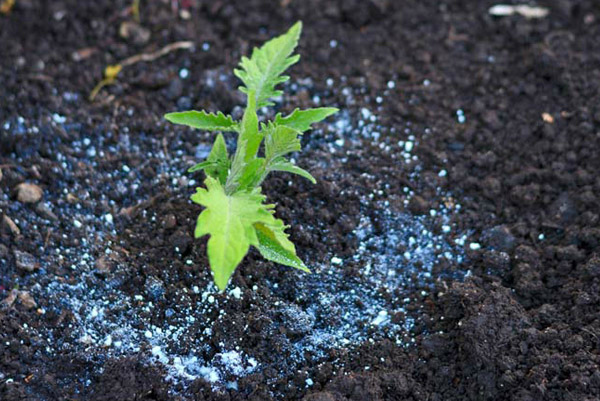
Typically, the product is applied dry, preferably granulated. The powder is evenly distributed throughout the topsoil. The granules do not need to be deeply embedded. The optimal application depth is at root level. Tomatoes use over 90% of their phosphorus for fruit formation and ripening, so superphosphate application should not be limited to spring applications but continued until the end of the flowering period.
Superphosphate with the highest potassium content is best for tomatoes. Along with phosphorus, it influences fruiting and crop quality.Tomatoes fed with potassium grow much tastier and sweeter. It's important to know that mature tomato plants absorb phosphorus better and more efficiently, while young plants, including seedlings, absorb virtually none. This is due to the insufficient development of the root system, so if seedlings require phosphorus supplementation, the product should be dissolved first—use a superphosphate extract, the recipe for which is described above.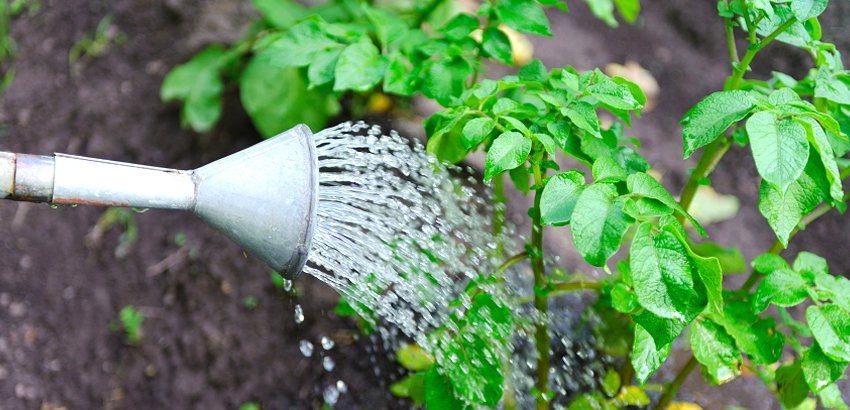
In general, superphosphate is one of the most beneficial fertilizers for tomatoes. Its benefits and effectiveness are achieved by the presence of not only phosphates but also essential components such as magnesium, potassium, sulfur, and nitrogen. Applying superphosphate increases plant resistance to adverse external factors, promotes root formation and fruit set, which ultimately significantly increases tomato yields.
Video "Growing"
This video will show you how to properly grow and care for tomatoes.