
How to choose and use growth stimulants for tomato seedlings
Content
How to treat seeds
The quality of the future plant directly depends on the condition of the tiny seed, which determines its nutrient reserves, germination strength, and susceptibility to pests and diseases. While it's impossible to replenish the nutrient reserves, other factors can be stimulated through various methods. First and foremost, these are long-known folk methods such as preheating or, conversely, prolonged cooling and even freezing. Without additional stimulation, not all seeds germinate, and seedlings emerge unevenly.
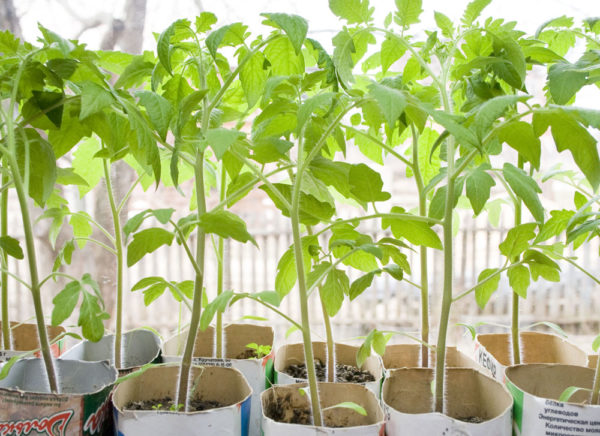
With advances in agricultural technology, numerous natural and chemical preparations have been developed to stimulate seed germination. Natural substances are extracted from fungi, bacteria, peat, coal, and sapropel. Regardless of the treatment used, the seeds are always effective, especially when treated twice.
The first treatment is carried out during the seed development stage, and the second treatment is carried out during the vegetative stage, when the first true leaves appear or buds are forming. It's important to strictly follow the treatment intervals specified in the instructions, as oversaturation will prevent positive results. Natural stimulants are often used to treat pepper and tomato seeds.
Aloe arborescens juice has a remarkable effect on plants of the nightshade family. Place the seeds in a cloth bag and soak them in the solution for 1.5 hours, then thoroughly dry until they become free-flowing. Aloe juice accelerates seed germination, increasing overall germination by up to 25%.
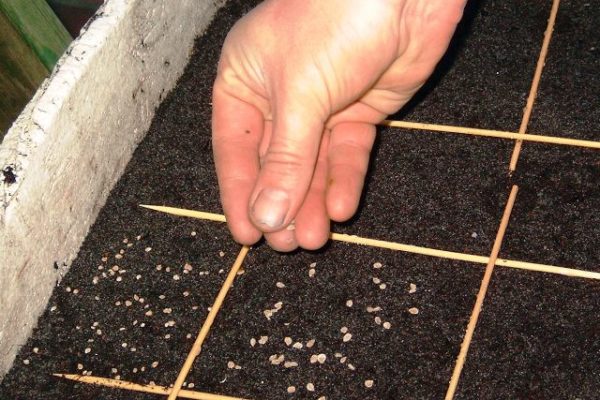
You can treat seeds with a honey solution using the same method. To do this, add a teaspoon of honey to a glass of water. Another popular treatment for nightshades is humates—water-soluble salts containing sodium, potassium, and ammonium, extracted from peat, charcoal, silt, and manure. They are completely environmentally friendly and have a beneficial effect on the germination of many plant seeds, helping them to root faster and stimulating vigorous growth. To ensure healthy and strong seedlings, pre-sowing seed treatment is performed in two stages:
- growth stimulants, which were discussed above, increase germination, sprouting energy and strengthen the immune system;
- means for disinfection and destruction of disease carriers present on seeds.
Many gardeners most often resort to solutions of potassium permanganate and copper sulfate as disinfectants, although professional gardeners are skeptical of these solutions due to the low effectiveness of the former and the high toxicity of the latter. New generation biological preparations, such as Fitosporin, Trichodermin, Alirin-B, Baktofit, Albit, and others, provide remarkable fungicidal and bacteriological effects with minimal harm. It's important not to overdo it, as this can lead to growth inhibition and death of the seed or plant.
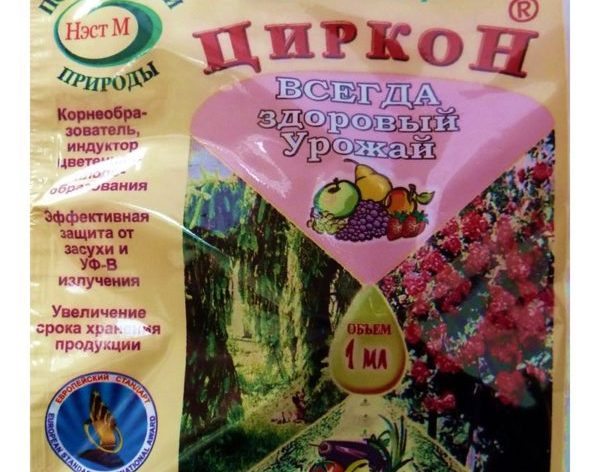
If tomato seeds are damaged or expired, we recommend treating them with the well-known bioregulator Zircon, which increases germination by 23%. Soak the seeds for 6-8 hours in a solution of 2 drops of the product per 100 ml of water. To ensure good survival of pepper or tomato seedlings after transplanting, soak the seeds for 4-6 hours in a solution of 2 drops of Epin-Extra per 100 ml of water.
Video: "Tips for Gardeners on Growing Seedlings"
A demonstration video with examples and recommendations for gardeners to help them grow healthy and productive tomatoes.
Stimulating drugs
The results from using a particular stimulant can vary greatly, as synthesized phytohormones affect different stages of the plant life cycle. Changing the intervals for applying regulating agents or varying their application rates is not recommended, to avoid negative results from oversaturation. Seedling growth stimulants have a comprehensive effect, each with their own specific purpose:
- active growth and root formation will be ensured by Kornevin and Heteroauxin;
- Immunocytophyte, Novosil or Agat-25 will help to cope with diseases and improve plant immunity;
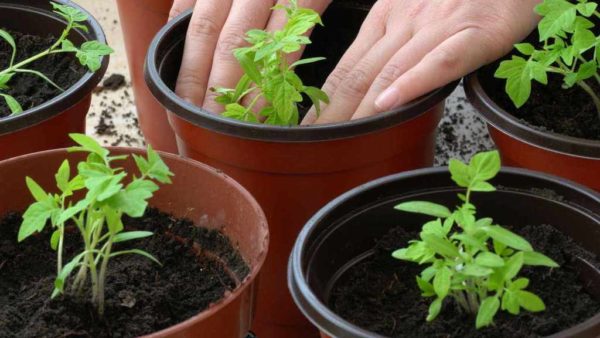
- Sodium and potassium humates, as well as Ambiol, are actively used as anti-stress agents that protect against adverse weather conditions (drought, frost) or environmental factors, such as lack of light;
- The maximum effect can be achieved with universal stimulants - Ecogel, Zircon, Ribav-exta and others.
Application
Treating tomato seeds and seedlings with growth stimulants will improve the quality and yield of the crop. It will also strengthen the root system, accelerate fruit ripening, and reduce the development of pathogenic microflora. Let's look at the specifics of using the most popular and highly effective products.
Epin-extra
A universal product that helps plants adapt to adverse conditions—cold, drought, and sun exposure—and accelerates seed germination. This product should be used in minimal doses, as close as possible to the natural environment. To soak seeds, dilute 1–3 drops of the product in 100 ml of water.
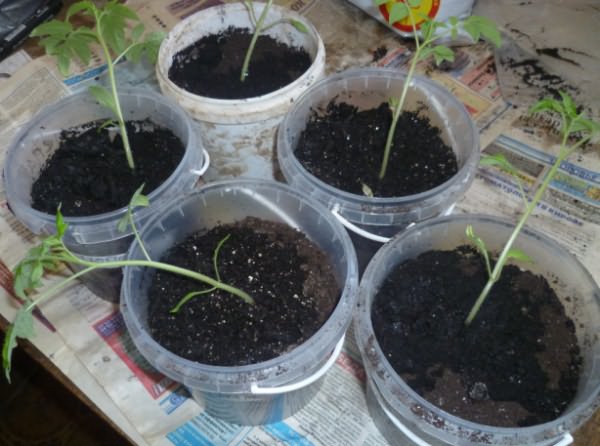
The seedlings are treated a day before transplanting or immediately after planting in the ground. During unfavorable weather, tomatoes and peppers, like other vegetable crops, should be sprayed weekly until the plants become established. Prepare a solution of 500 ml of water and 5-6 drops of Epin-Extra. The water should be warm and boiled. The prepared solution should be stored in a dark place for no more than 24 hours.
Kornevin
An active root system stimulant with a non-toxic effect. It is used both as a powder for dusting roots or entire seedlings before planting, and as a solution for soaking seeds or cutting roots. To do this, dilute a packet of Kornevin in 5 liters of water.
Zircon
An effective stimulator of plant growth, root formation, and flowering, increasing resistance to diseases such as powdery mildew and heavy metal exposure. For seed soaking: dilute 1–2 drops in 300 ml of water and soak the seeds in the resulting solution for 8–18 hours. For treating seedlings before planting, prepare a solution of 2–3 drops of Zircon and 1 liter of boiled water and spray the plants 24 hours before or 24 hours after planting.
Silk
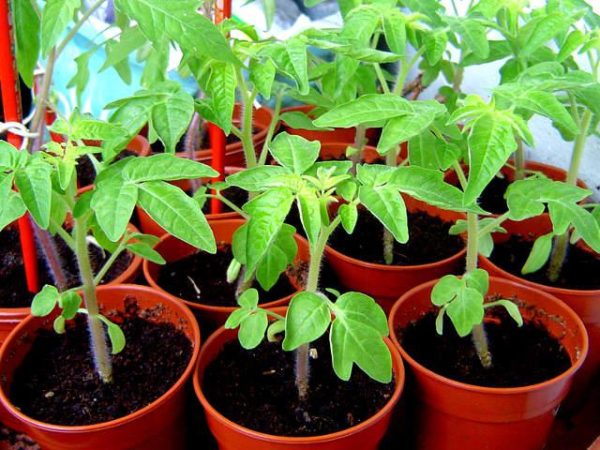
An excellent immunomodulator, plant growth stimulant, and yield enhancer. To treat seeds or seedlings, prepare the working solution according to the instructions in 100-200 ml of warm or hot water and let it steep for about 15 minutes. Seeds should be soaked for several hours or simply sprayed and dried before sowing. To treat seedlings, add the required amount of water to the solution and mix thoroughly.
Sodium humate
A well-known growth regulator that increases yields by up to 60%. It is toxic to humans. Prepare the concentrate 10 hours before use: add 10 grams of the product to 3 liters of hot water. Soak seeds: dilute 500 ml of the prepared concentrate with 4.5 liters of water. Spray seedlings and established plants: mix 250 ml of the concentrate with 4.5 liters of water. Feed the roots: add 1 liter of the concentrate to 4 liters of water. Regardless of the growth stimulant chosen, strictly follow the instructions on the packaging of each product, and your plants will enjoy a bountiful harvest of tomatoes or peppers all season long.
Video: "Results of Using a Growth Stimulator"
An informational video that answers questions about using the growth enhancer.