
Growing tomatoes from seeds: tips for beginners
Content
Preparing the soil for seedlings
The soil for seedlings should be loose, nutritious, and uniform. You can buy it at the store or prepare it yourself. Typically, a mixture of turf soil, humus, and peat is added, along with a little urea, superphosphate, and potassium sulfate. If the mixture is too heavy, add river sand.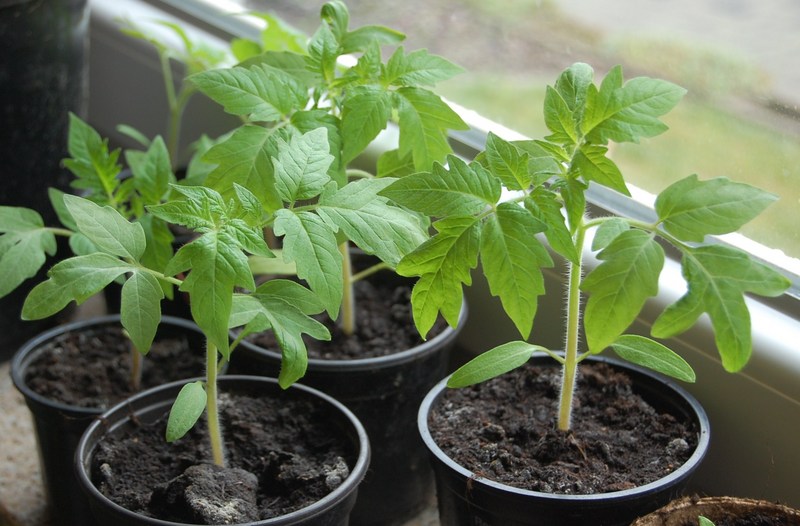
It is best to prepare the soil in the fall so that winter frosts kill all pathogenic bacteria. If this doesn't happen, disinfect the soil before use by baking it in a preheated oven for 20-30 minutes (or 1 minute in the microwave). A solution of potassium permanganate or simply boiling water poured over the prepared soil works well.
Video "Sowing"
This video will show you how to properly sow tomato seeds for seedlings.
Seed preparation
You can buy seeds at a specialty store or collect them from your own harvest. When purchasing, pay attention to the integrity of the packaging and expiration dates. Seeds are said to retain their viability for up to eight years, but it's better to buy seeds that are two or three years old. Collecting your own seeds is convenient because you already know the taste and appearance of the tomatoes, but hybrid seeds are not suitable, as they don't convey the characteristics of the parent plants. Experience shows that seeds that have been stored indoors for two to three years germinate better than those from the previous year.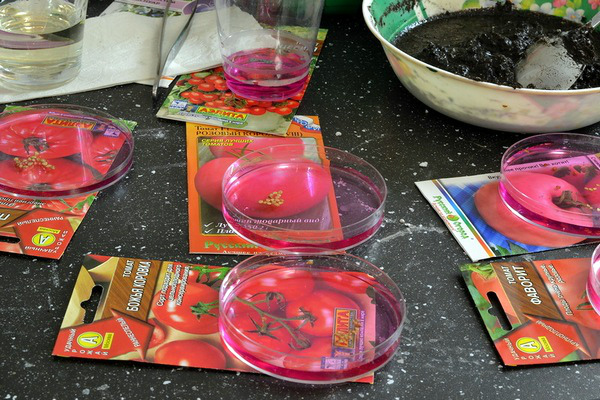
About a day before sowing, soak the seeds in salt water for a few minutes. Good, full-bodied seeds will sink to the bottom, while empty, defective ones will float. Discard the seeds along with the water, and soak the selected seeds in a solution of potassium permanganate (not too strong) for 20-30 minutes to disinfect them. After soaking, rinse the seeds with clean water. At this stage, some gardeners harden the seeds by placing them alternately in the refrigerator and on a radiator for several hours.
With or without hardening, after disinfection, the seeds are spread on a damp, soft cloth folded several times (calico or gauze) to allow them to swell. The cloth is generously moistened with water or a fertilizer solution, placed on a tray, the seeds are spread on top in a single layer, the tray is covered with plastic wrap to create a greenhouse effect, and the seedlings are placed in a warm place. 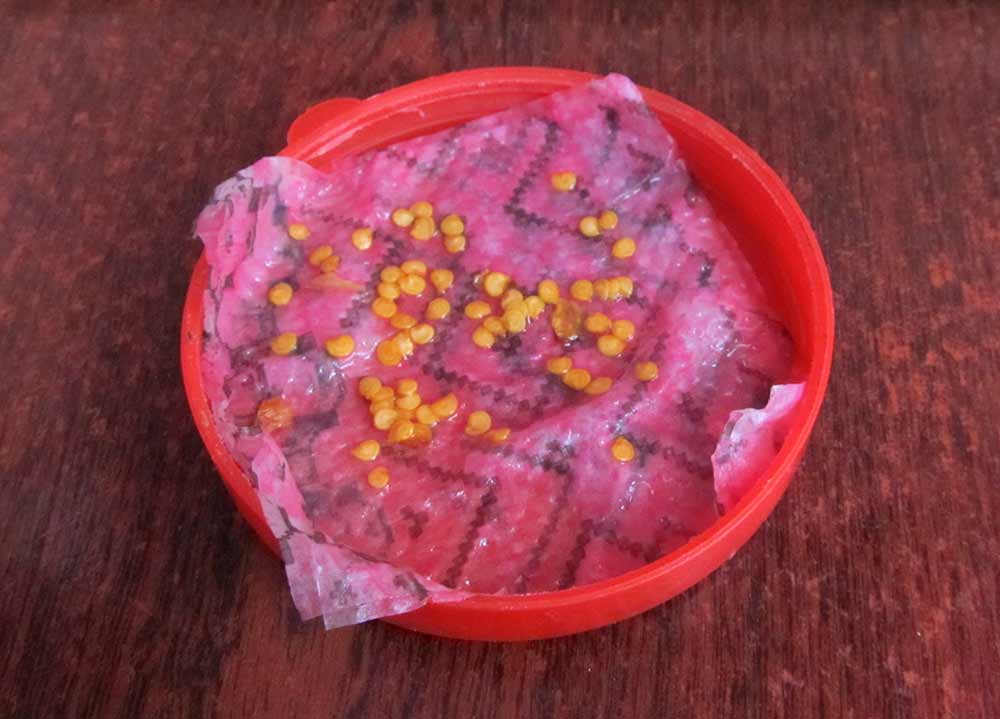 As a rule, they are sown within a day, and some owners germinate the seeds at home in this way, and place them in the soil with tiny sprouts.
Containers for seedlings
To grow seedlings at home, people typically use wooden or plastic boxes, special containers with lids, disposable plastic cups, cut-off bottles, or special seedling trays. The container should be at least 8-10 cm deep. The depth usually depends on the number of seeds and the availability of containers. If you have a small number of seeds, you can sow them directly, one or two per cup. If you have a large number of seeds, you can start them from the boxes and then transplant them into individual containers.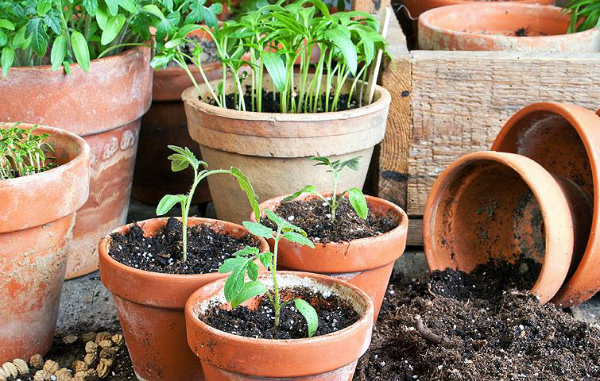
Before adding soil to containers, wash them with laundry soap, rinse with boiling water, and dry. If wooden boxes are frequently used for various seedlings, they should be fumigated with sulfur or treated with lime. Adding soil should only be done after disinfection. A drainage layer is recommended, although many vegetable growers choose to do without one.
Planting seeds
Growing tomatoes from seeds begins with planting the seeds in prepared soil. Make furrows no more than 1 cm deep in moist soil, leaving 3 cm between them. Place the seeds every 1.5–2 cm, then carefully cover with soil. If the soil isn't wet enough, you can moisten it with a spray bottle after planting. Then cover the container with plastic wrap and keep it at a temperature of 22–25°C (72–77°F). Light is not necessary until the seedlings appear.
Tomato seeds typically germinate within 4 to 10 days. Germination speed depends on the tomato variety, the freshness of the seeds, their preparation, and the air temperature. Of course, those that have already sprouted will germinate sooner than those that haven't even been soaked.
Until seedlings emerge, the film should be periodically removed, condensation shaken off, and the boxes aired. Once sprouts emerge, the film is removed completely, the boxes are placed closer to a light source, and the temperature can drop to 18 degrees Celsius.
Backlight
Typically, seedlings are placed on windowsills, but if this happens in February or March, daylight hours are still short and there isn't enough light. Lighting can be provided using fluorescent lamps, placed above the plants, leaving 10-12 cm between the seedlings and the lamp. The lamps are raised as the tomatoes grow. A special grow light can also be used. Ideally, the plants should be exposed to light from 8 a.m. to 8 p.m., or at least 10 hours a day.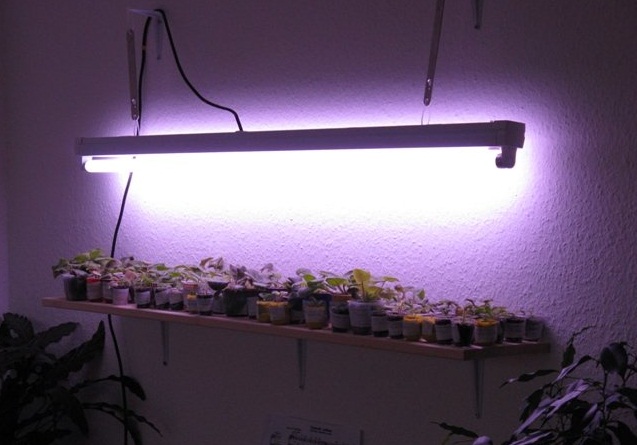
To prevent the sprouts from stretching and growing crooked, they are rearranged so that all sides are evenly facing the light source. To avoid crookedness and the hassle of constant rearrangement, the lamps should be held directly above the boxes, but this isn't always possible.
Watering and fertilizing
Water the seedlings at the roots, avoiding any moisture getting on the leaves. Don't water until the top layer of soil has dried out, otherwise the roots will become too wet, which can lead to root rot or blackleg. Use settled water, and its temperature should be no lower than the air temperature, perhaps even slightly higher.
Many homeowners believe that seedlings need to be fed. But this depends on how nutritious the soil is. If the soil is well-fertilized, it may last until transplanting.
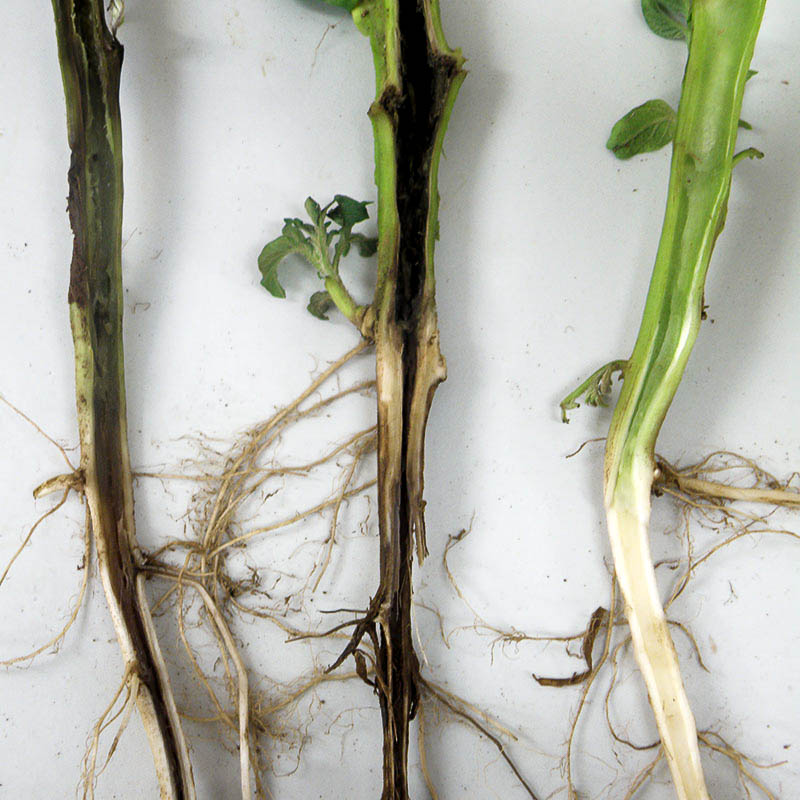
It's important to look at the condition of the seedlings—strong, sturdy young plants, dark green in color, growing well, should receive nothing but water. However, if the leaves are too pale or yellowish, they may lack nitrogen. If the stems are too thin and weak, and growth is slow, you can water the seedlings with a solution of complex fertilizer or an infusion of chicken manure (or mullein). Dilute the manure infusion tenfold, and the mullein infusion twentyfold, then strain through cheesecloth and water the seedlings under the roots. Fertilizing can be done after 10 days, preferably after watering. Too much fertilizer is also bad; the plant may grow well, but not bear fruit, or may become ill.
Picking seedlings
Tomato seedlings must be pricked out. This is the process of transplanting and pinching the central root, which allows the root to grow further and become stronger and more robust. At the same time, all the plants are transplanted into individual pots (often peat pots are chosen, which are then placed in the garden bed), and weak plants with damaged roots are discarded.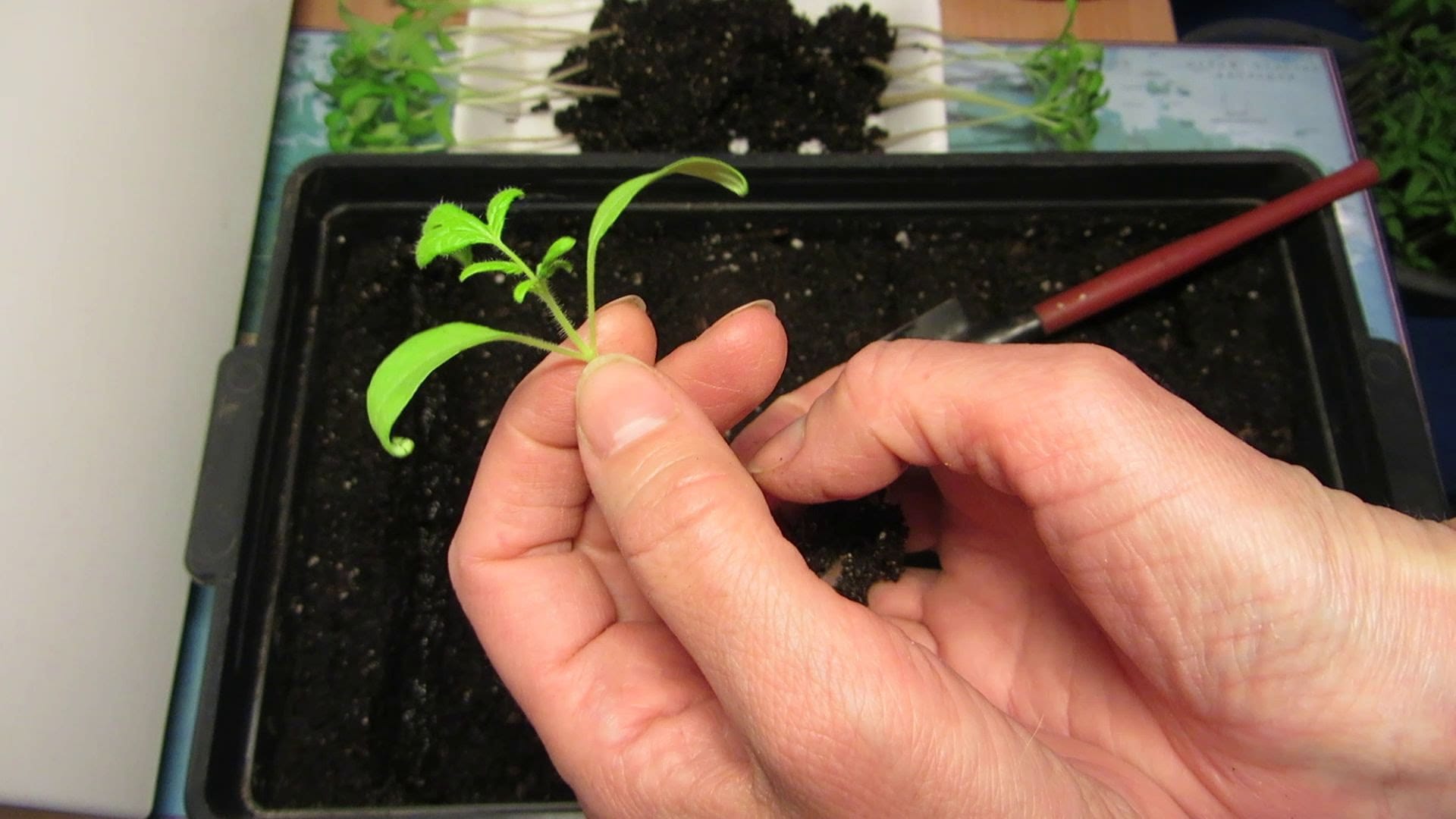
Pricking out can be done when two true leaves have appeared, but many postpone it until four or even six leaves have appeared, citing the risk of injury to a plant with a weak, thin stem, causing replanting to do more harm than good. The timing is up to each plant. The plant is removed from the soil, the roots are examined, pinched (even if not, they will still be slightly injured, which is beneficial), and placed in new, nutritious soil, burying it down to the cotyledons.
Hardening off seedlings
seedlings, Plants grown indoors can't simply be planted outdoors without preparation; they first need to be hardened off and acclimated to the new conditions. This process begins two weeks before planting in the garden. First, the plants are taken outside for a few hours in the morning or evening. Then, they are exposed to sunlight, gradually increasing the time spent outside. Over the next two weeks, this period should increase to 24 hours.
Planting seedlings in the ground
The seedlings are planted in the ground when the danger of frost has passed and the plants are almost two months old. Rows are marked out on the prepared bed, holes are dug, and each plant is placed into these holes, along with a lump of soil from a cup. The plants are covered with soil, compacted around the stems by hand, watered, and then mulched with peat or compost to a depth of 3-5 cm.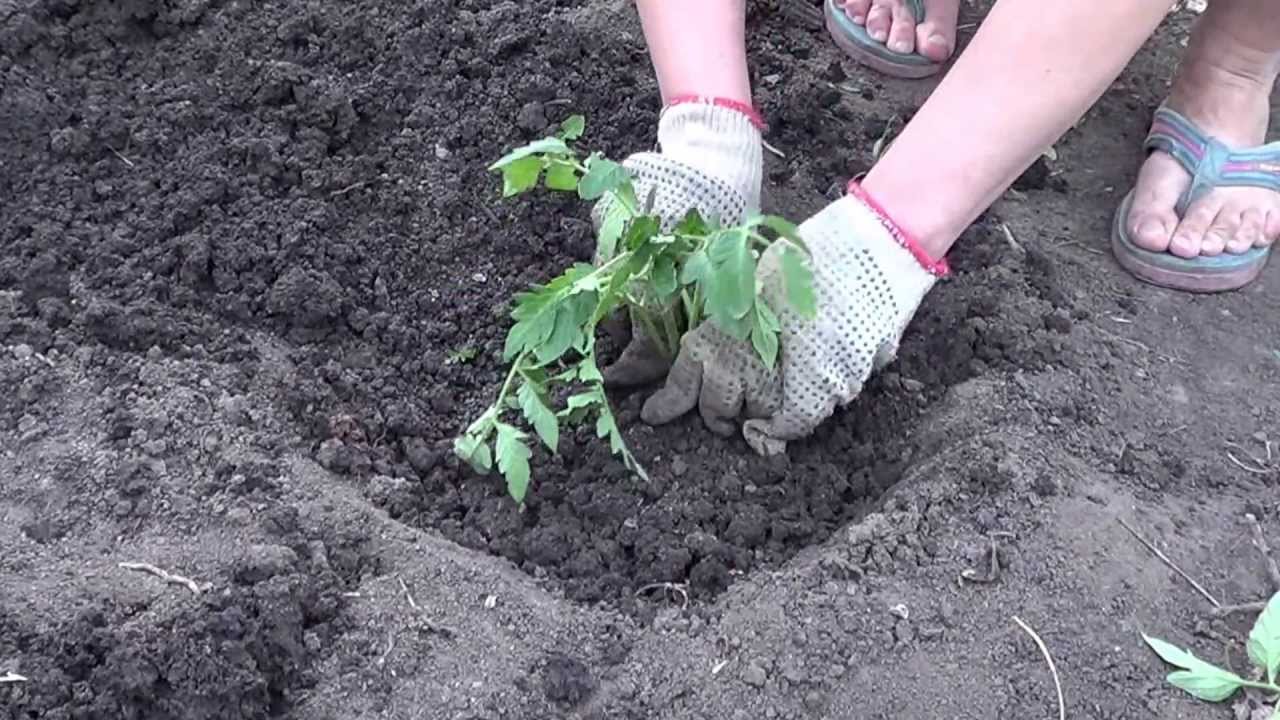
It is still advisable to cover delicate plants with film or non-woven fabric at night, at least for the first week.
Video "Planting Seedlings"
This video will show you how to properly plant seedlings in open ground.