
What to do if tomato seedlings aren't growing: main reasons
Content
The main reasons for growth cessation
Many novice gardeners sooner or later encounter this problem. Why aren't tomato seedlings growing well? To correctly identify the source of the problem, it's important to understand that this process is multi-layered and involves several stages.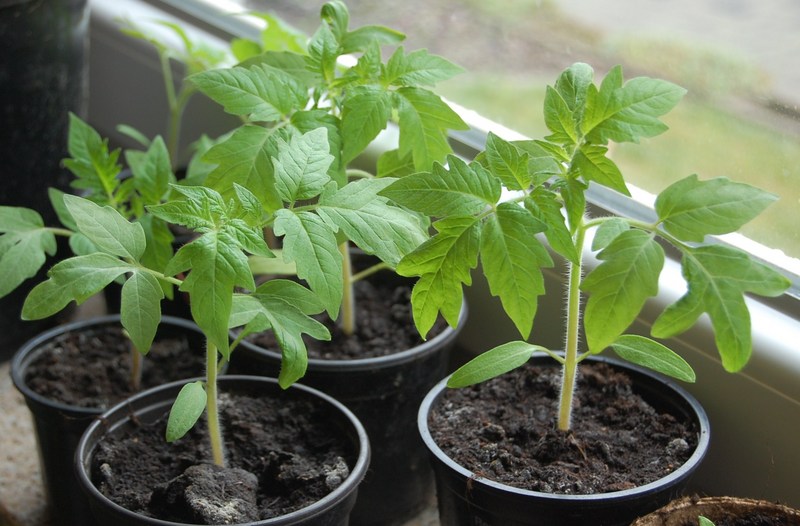
To begin, sow the seeds in the soil. As the tomato stems grow, it's important to regularly transplant the plants, carefully care for them, and protect them from pests. If any stage is disrupted, significant problems arise, such as stunted tomato growth. How can these problems be dealt with and how can they be detected early? This is discussed below.
Video "Possible Causes"
From the video you will learn what can cause poorly growing seedlings.
Poor nutrition
To determine why seedlings are growing poorly, it's recommended to first look at the plant's nutrition. Farmers often neglect this, but tomato substrate needs to be fertilized approximately four times a day, with breaks. Fertilization methods used:
- The first method is carried out three weeks after planting the seedlings in the ground. You can prepare a solution using liquid fertilizer and 1 tablespoon of nitrophoska. Mix this with 10 liters of water. Pour the resulting mixture under the tomato roots at a rate of half a liter per seedling.
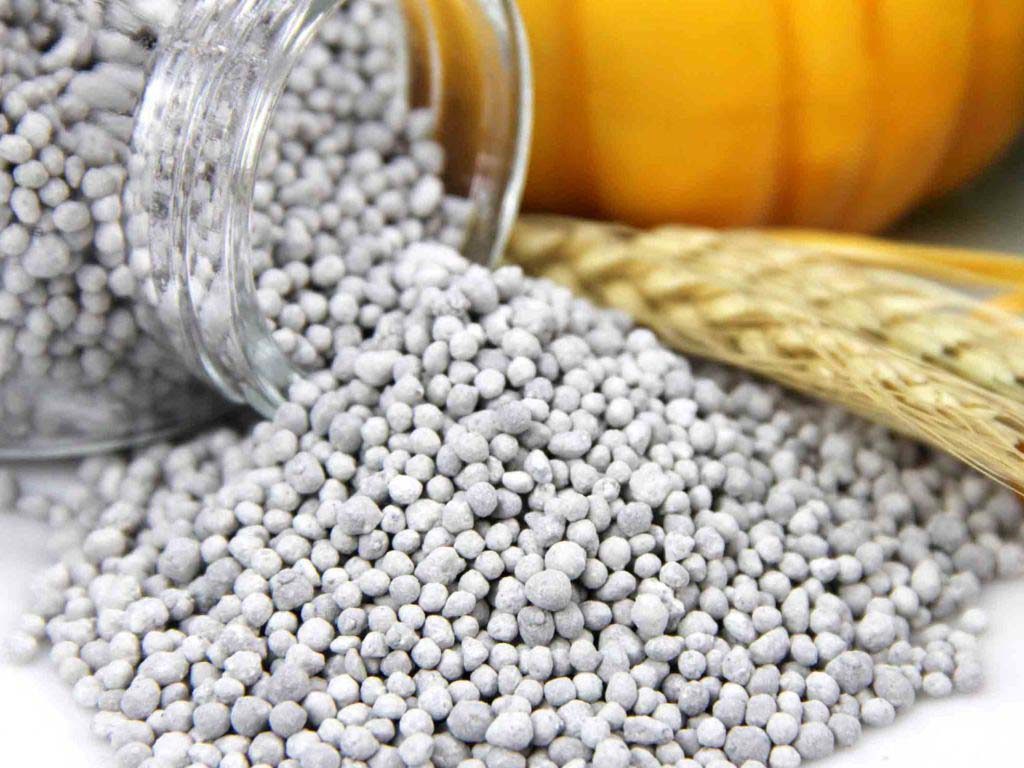
- The second method is for secondary application of fertilizer to the substrate. Wait until the seedlings begin to develop a second flower cluster. Various store-bought fertilizers can be used. Choose a proven solution that can be diluted in water. Water the tomatoes with the solution, adding approximately 1 liter of water under each plant.
- The third phase of fertilizing will be necessary when the third flower cluster begins to bloom. A popular fertilizer is "Ideal." Mix it with 1 tablespoon of nitrophoska and dilute with water. It is recommended to water the tomatoes with the resulting mixture at a rate of 5 liters per 1 square meter of bed.
- Fourth feeding. This should be done no earlier than two weeks after the third tomato feeding. How to prepare this solution? Use 1 tablespoon of superphosphate mixed with 10 liters of water. The volume of liquid for each plant will be the largest in this case – up to 10 liters per square meter of bed.
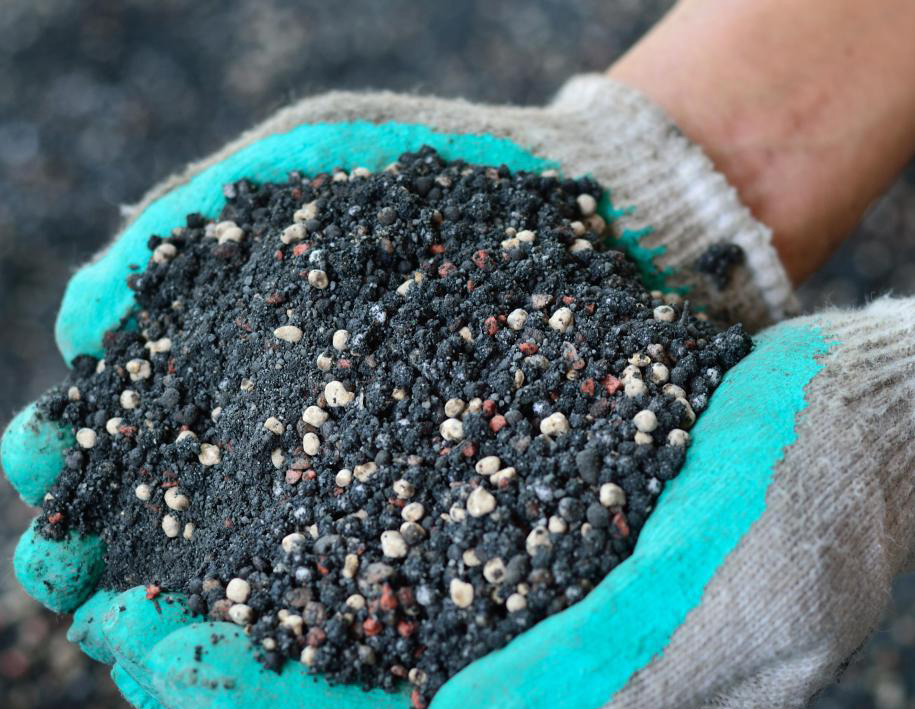
Bird droppings are also considered beneficial for tomato seedlings. They are soaked in water for several days, and then regularly applied to the root zone of the tomato plants. Inexperienced gardeners often encounter problems at this stage. It's crucial to adhere to the specified proportions. If you overdo it or, conversely, apply too little fertilizer, the results will be disappointing.
Incorrect watering
The complexity of growing tomato seedlings in a garden lies in the amount and frequency of watering. Remember not to allow the soil under your tomatoes to dry out. Overwatering is equally harmful. Ideally, water the plants at least once a week. However, the frequency will depend on certain weather factors.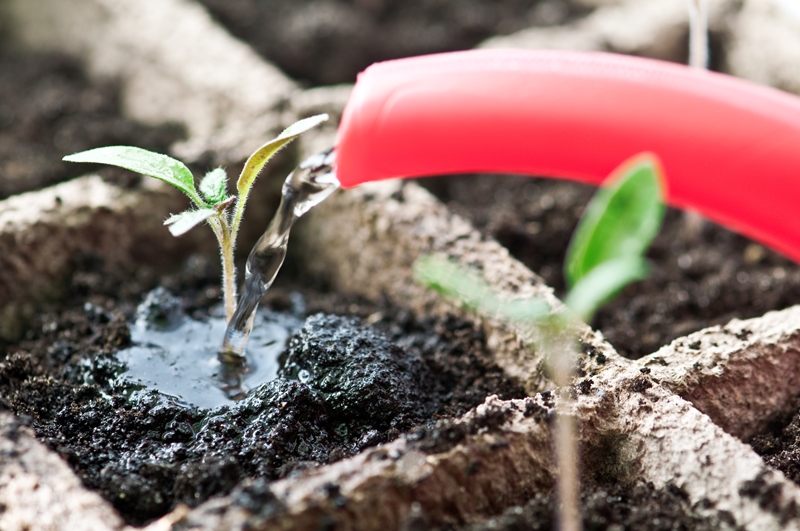
For example, if you're growing tomato seedlings indoors and placing a box or other container with the tomato cuttings on a windowsill or balcony, the frequency of watering will depend on both the brightness and duration of sunlight. Observe how many hours a day the seedlings are exposed to direct sunlight. If this period is prolonged, be sure to increase the amount and frequency of watering.
Interestingly, it's not recommended to water tomatoes immediately after planting them. You should wait until the sprouts emerge from the soil, and only on the fifth day can you finally water the seedlings. Use room-temperature, settled water. This will prevent chlorine from accumulating in the soil. If you do this regularly and correctly, you'll see results quickly.
Errors when diving
What should you do if your tomato seedlings are growing very poorly? It's quite possible that the problem lies in improperly or even completely neglecting to transplant the plants. This procedure is crucial for the healthy growth of tomato seedlings. It's necessary if you sowed the seeds in one container and now the sprouts are emerging from the soil and need to separate them. Be extremely careful.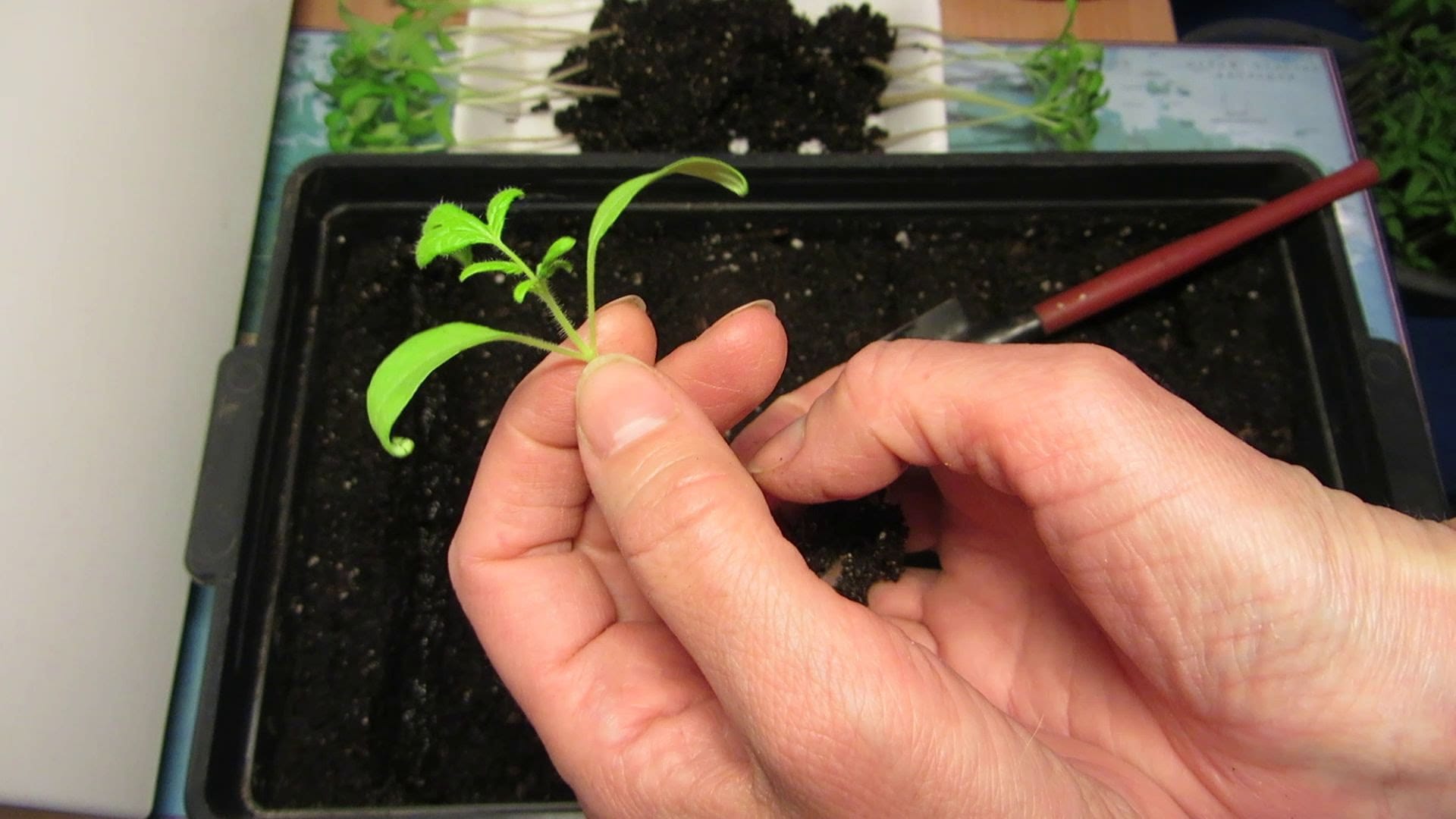 This process is very delicate; replanting still-growing plants can significantly damage their root systems, and in the best-case scenario, you'll need time for them to grow back. If you're a novice gardener and don't want to bother with such procedures, this can generally be avoided. In this case, it's recommended to sow the seeds in separate containers.
Other mistakes in care
If your tomato seedlings aren't growing well, you may have made other mistakes in caring for the plant. Some of the more notable ones include:
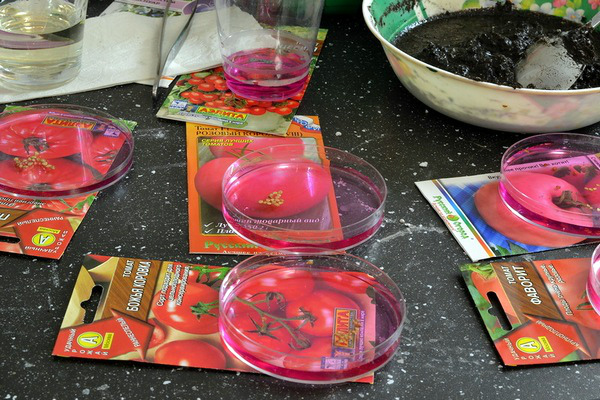
- Poor seed quality. This predetermines the outcome of their planting. Experts believe it's undesirable to sow seeds that are more than 5-6 years old. Therefore, if they're expired, it's best not to risk it;
- Low soil nutritional value. Certainly, soil from a garden or private home is the best and most cost-effective option. However, you won't be able to be sure of its quality. What if you introduce pests along with the soil? Therefore, it's best to purchase the substrate from a specialty store;
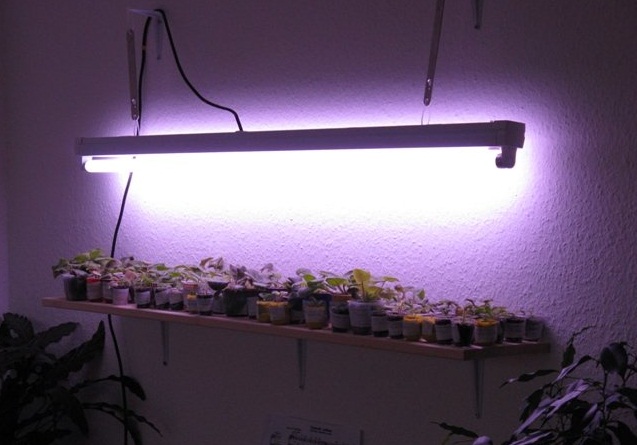
- Lack of heat. This is also something gardeners often overlook. Meanwhile, the temperature in the room where tomato seedlings are growing should not drop below 24 degrees Celsius. Tomatoes are very heat-loving. Even if the room is cold, turn on a lamp over the seedling box for a while;
- A furry pet – a cat. Oddly enough, it's your pet who can ruin all your efforts. Cat urine is believed to be able to destroy tomato seedlings, so try to keep your cat away from the container with tomato seedlings.
When growing tomatoes at home, pay attention to every detail. Only then will you be able to obtain fully-fledged tomato seedlings.
Diseases and pests
What should you do if your tomato seedlings are infested with pests? No matter how hard you try to care for your tomatoes, water them regularly, fertilize the soil, and control lighting, the risk of pest infestation and disease remains.
The most common problem that novice gardeners encounter is root rot. What causes this problem? It's all due to overwatering. Let's say you're overwatering your plants and you've placed the seedlings in a cool, dark place. This is where root rot comes in. But this isn't the only affliction that threatens your tomatoes in this situation.
Blackleg, a fungal disease, is especially dangerous for tomatoes. Furthermore, it's an infectious disease that instantly attacks the plant. If your seedlings are confined to a single container, try to transplant them to another pot or container as soon as possible before the other seedlings become infected.
Overall, growing tomato seedlings won't take too much effort.
The most important thing is to ensure your plants have an optimal microclimate in your home or apartment. Also, try to keep an eye on your seedlings. Most serious diseases and pest infestations can be prevented or stopped at an early stage. Therefore, the sooner you detect the first signs of a threat to your tomatoes, the easier it will be to remedy the situation.
Video: "Tomato Seedlings: From Germination to Picking"
This video will show you how to care for seedlings from germination to transplanting.