
What to do if tomato seedlings are purple: expert advice
Content
Reasons
There are two main reasons why tomato seedlings turn purple:
- change (decrease) in air temperature and, accordingly, soil temperature;
- lack of phosphorus in plant nutrition.
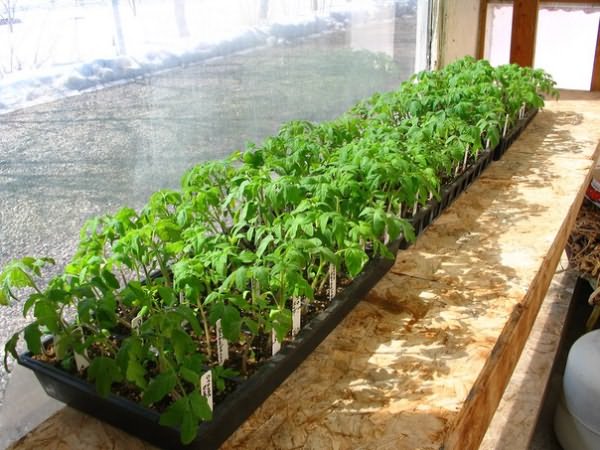
Each of these problems can occur separately, but more often than not, they are closely interconnected. When temperatures drop to 15°C, seedlings begin to freeze. This manifests itself as the plants' growth stopping, and the leaves and stems turning purple. Many heat-loving crops, especially nightshades, have one characteristic: they poorly absorb nutrients, including phosphorus, in cold soil. High soil acidity can also cause this phenomenon, as phosphorus is poorly absorbed in cold soil.
If the seedlings regularly received the necessary mineral nutrition, but the plants still turned purple, this is a sign that they do not have enough heat. Color change may not necessarily begin with a temperature drop to 15°C. A subtle bluish tint of the stem or underside of the leaf blades may also begin at higher temperatures. It's important to monitor this process promptly and take appropriate action.
Video: Growing Seedlings
From the video you will learn how to grow seedlings correctly.
Seedling diseases
Failure to follow growing rules can lead not only to a change in the color of the stems, but also to the development of certain diseases:
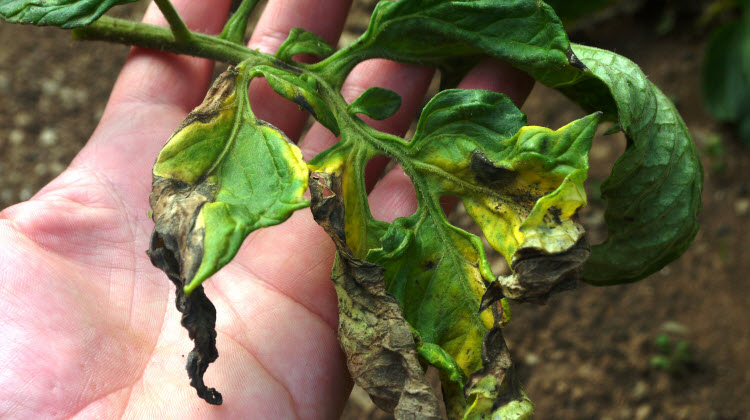
- Late blight. This fungal disease is a real problem for mature tomatoes, but if the temperature is not right, it can also develop on young plants. The main cause of the disease is sudden temperature fluctuations combined with high humidity. Try not to overwater in cool weather and avoid placing seedlings outdoors if it's cold.
- Mosaic. A viral disease, the development of which is directly related to improper growing conditions for seedlings. There are two main causes of mosaic (light spots on leaves): insufficient light and soil contamination. It's impossible to cure plants of mosaic; they will simply have to be destroyed, so expose seedlings to sunlight more often and disinfect the soil before planting.
- Leaf spot (white, brown). White spot (septoria) is a fungal disease caused by overwatering. Light, dried, or transparent spots on leaves can appear as a result of sunburn after prolonged exposure to sunlight. How can you avoid these problems? Reduce the amount of hardening off, and periodically spray the plants and soil with a weak solution of potassium permanganate or ash.
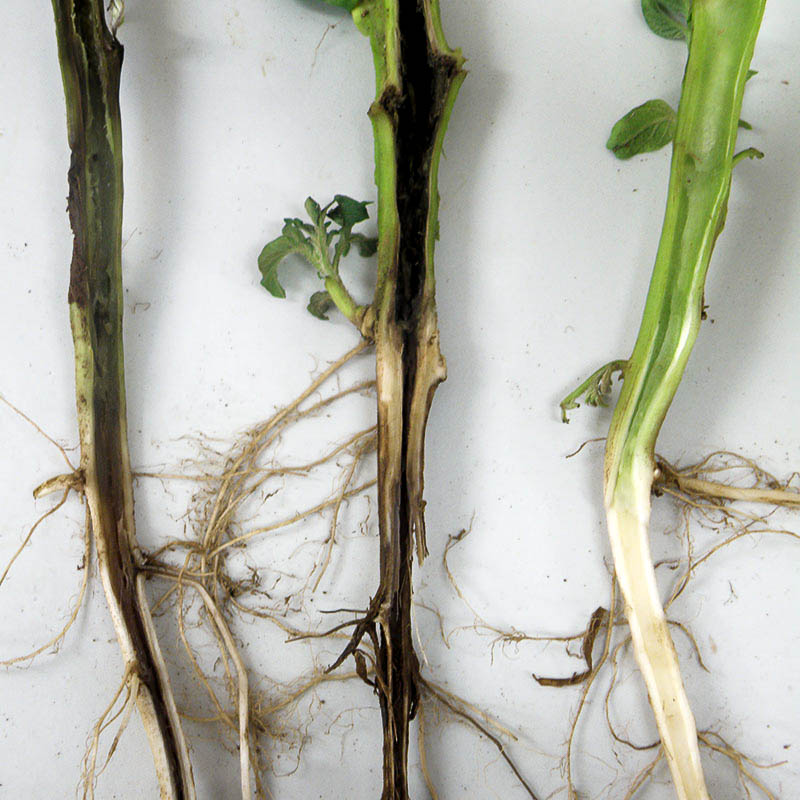
- Blackleg is another fungal disease that affects young seedlings. It manifests itself as darkening (rot) of the stem at the base. Saving such plants is virtually impossible, as root rot precedes the blackening of the stem. The disease can be prevented by adding ash to the soil. Avoid overwatering.
- Insufficient light and overwatering can cause tomato seedlings to stretch, turn yellow, and cause the leaves to dry out and fall off. To avoid this, monitor the room temperature and humidity—the air should be moderately humid (not dry). Water the seedlings as needed. Don't water until the top layer of soil has dried out.
Mistakes when growing
To grow healthy seedlings, it's essential to ensure and regularly maintain the correct temperature of 20-22°C during the day and no lower than 18°C at night. Any deviation in temperature will disrupt the seedlings' development—as the temperature rises, they stretch, and as the temperature drops to 15°C, nutrient absorption by the root system slows.
Another common problem vegetable growers face is placing seedlings on the balcony in the spring. During the day, when the sun shines, the balcony creates a comfortable microclimate, but as the sun sets, the temperature drops sharply, causing the stems to turn blue. Seedlings should only be placed on the balcony for a few hours during warm weather to harden off. At night, the plant boxes should be brought indoors.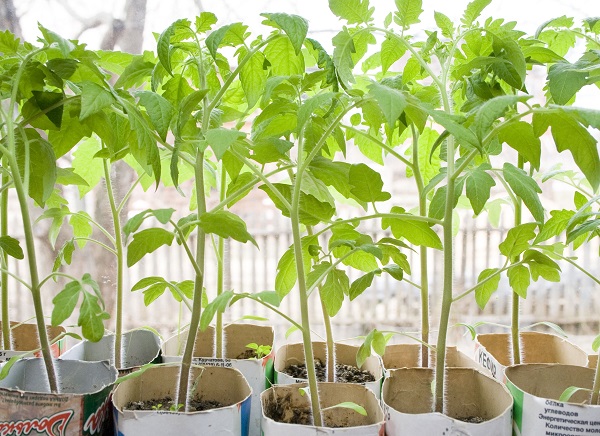
A similar problem can arise during scheduled heating shutdowns in the spring. Typically, the room temperature drops by several degrees during this time, which also adversely affects the seedlings. Place the seedling boxes on a sunny windowsill, and use space heaters during sudden cold snaps. It is recommended to alternate regular fertilizers with micronutrient fertilizers—this will help prevent nutrient deficiencies.
How to get rid of
A comprehensive approach is needed to address the problem. But first, raise the air temperature to at least 22°C. Typically, within 5-7 days, the plants will turn green again and continue to grow normally. 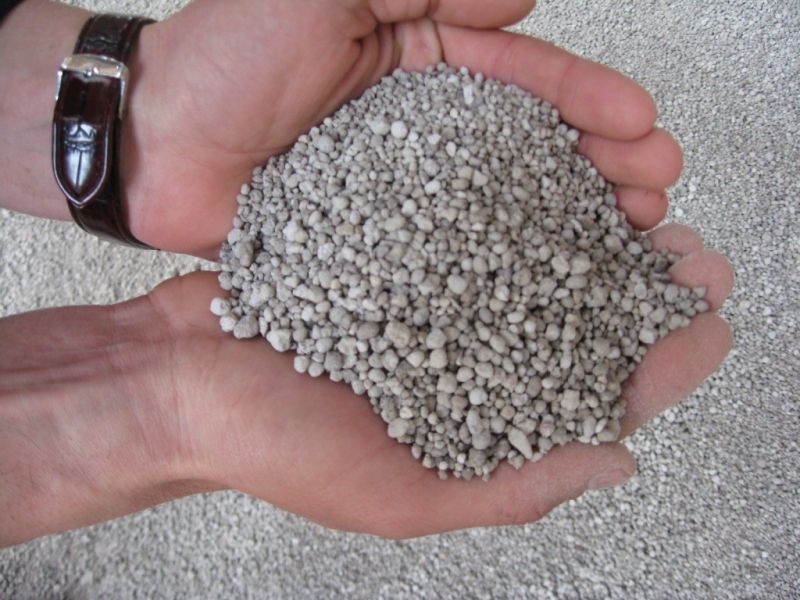 If this does not happen, then the cause is definitely a phosphorus deficiency, so the next step is to apply phosphorus-containing fertilizers.
When choosing a mineral fertilizer, choose formulations with little or no nitrogen, as a phosphorus deficiency will already cause the soil to overdose on nitrogen. Tomatoes respond well to superphosphate.
It is applied by watering, dissolving 100 g of granules in 10 liters of water.
Ammophos contains a lot of soluble phosphorus. It is applied at a rate of 15-25 g/m², but for watering seedlings, it can be diluted in the same way as superphosphate.
Video: "Problems and Solutions"
This video will tell you what problems your seedlings may encounter and how to deal with them.