
Using nitrophoska as a fertilizer for tomatoes: rules of use
Content
Fertilizer composition
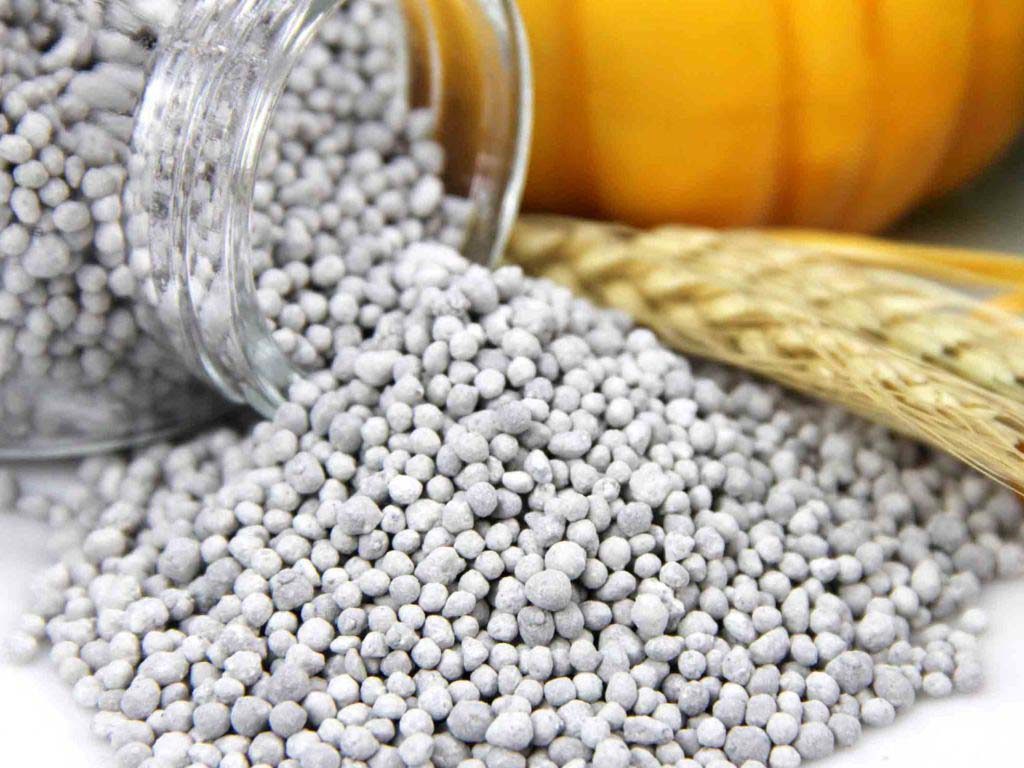
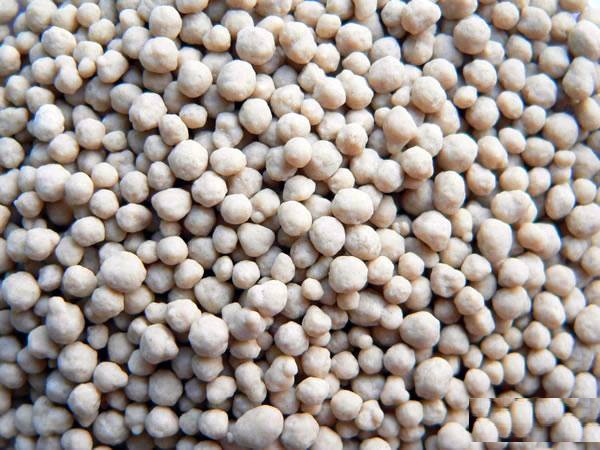
Nitrophoska is a complex mineral mixture with a classic base—a complex of NPK (nitrogen, phosphorus, and potassium), vital for the development of all plants. The fertilizer comes in the form of gray granules that dissolve easily and completely in water. The nitrogen is in nitrate form, making it easily washed out of the soil, significantly reducing its effectiveness.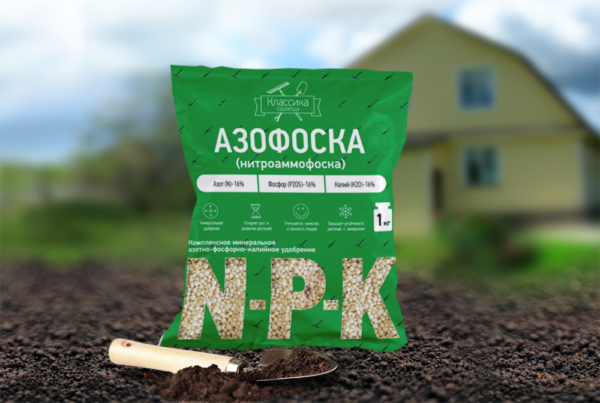
Each nitrophoska granule is a uniquely balanced composition of a wide range of minerals. Depending on the composition, the mixture may contain the following components:
- ammonium nitrate (nitrogen);
- phosphorus precipitate;
- potassium chloride;
- ammonium phosphate (ammophos);
- calcium chloride;
- potassium nitrate;
- superphosphate.
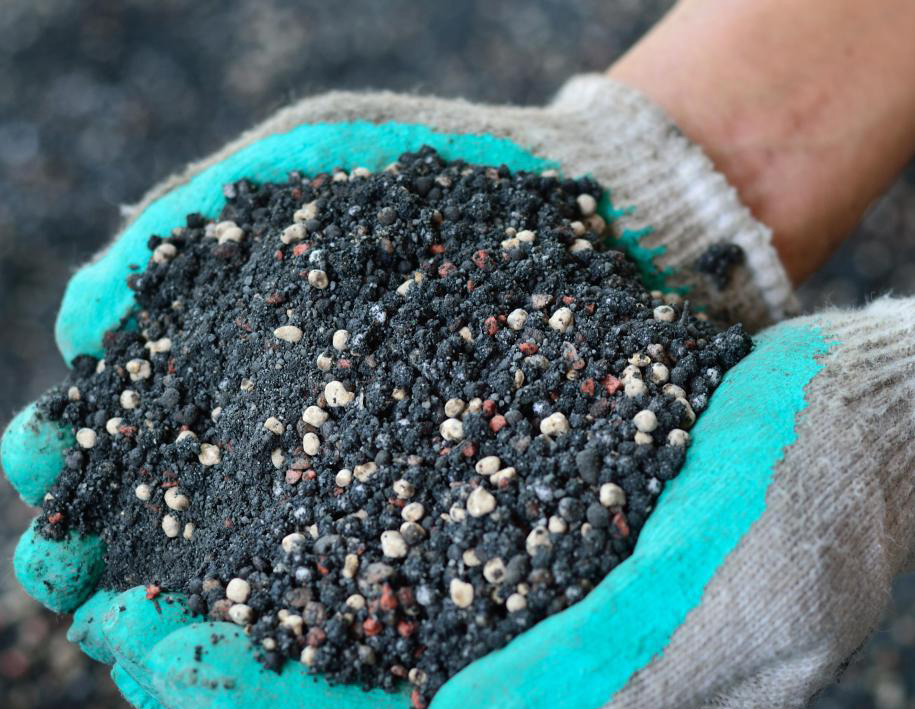
Microelements are always added to the basic complex to meet the needs of the soil and specific plants. Thus, additional components of nitrophoska may include magnesium (present in almost all brands), copper, manganese, as well as boron, zinc, cobalt, and sulfur. All varieties of the fertilizer are labeled with numerical values corresponding to the concentration of each substance.
Video: "Features of Nitroammophoska Fertilizer"
From the video you will learn about the features of this fertilizer.
Pros and cons
Like any mineral fertilizer, nitrophoska has its pros and cons. Its advantages include the following:
- high (at least 32%) concentration of the main active ingredients, due to which a clear acceleration of the development of agricultural crops is observed;
- 100% flowability is maintained (granules do not cake or stick together) throughout the recommended shelf life;
- low fixation in the soil complex (in contrast to single-component mineral fertilizers);
- perfectly balanced composition and the presence of three essential elements in each granule;
- good solubility in water;
- ease of use;
- Increased yield - for different plant species this figure can vary between 10-70%.
Nitrophoska, like its close relative, nitroammophoska, produces such excellent results in growing crops that many gardeners turn a blind eye to the significant drawbacks of this fertilizer, which, of course, exist:
- purely chemical composition;
- aggressive impact on the soil contributes to the accumulation of nitrates;
- if used improperly as a fertilizer, it leads to the formation of nitrate compounds in fruits;
- short shelf life (up to 6 months);
- highly flammable and may explode when heated;
- It poses a hazard level of 3 to humans, so care should be taken when working with this fertilizer.
Popular types
Depending on the method (technology) of production, nitrophoska is divided into three types:
- Sulfuric acid. As the name suggests, this mixture contains sulfur, an essential micronutrient for the synthesis of plant proteins. This fertilizer shows excellent results when applied to cucumbers, zucchini, tomatoes, cabbage, and legumes during planting. Sulfur is a good fungicide, protecting plants from parasites and harmful microorganisms.
- Phosphorite fertilizer. It is primarily composed of phosphorus, which is essential for the formation of fiber in fruits. Phosphorite fertilizer, nitrophoska, is essential and the best fertilizer for tomatoes, as this element helps the fruits grow large, tasty, and store well.
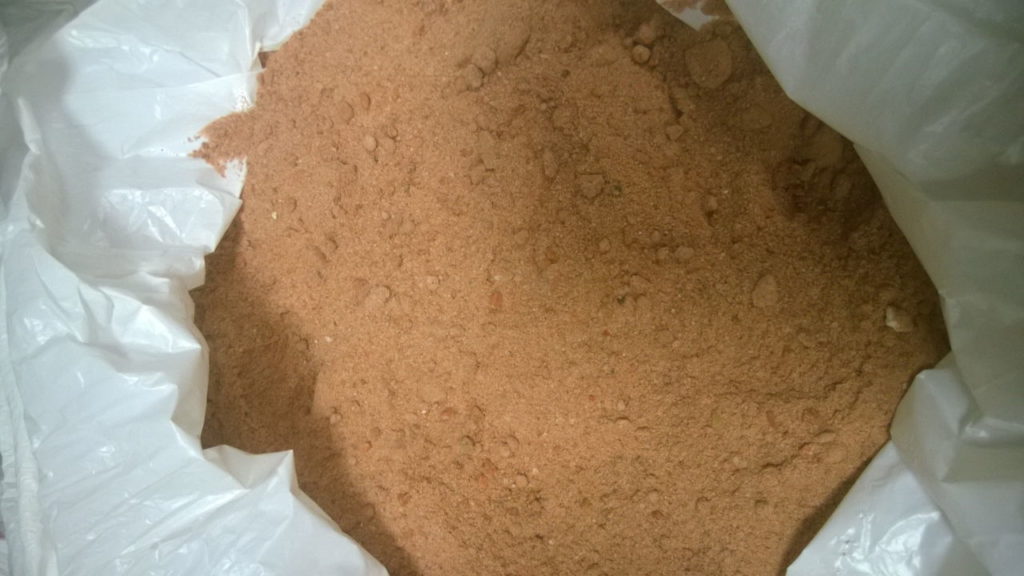
- Sulfate. This variety of nitrophoska is most often used for fertilizing ornamental plants and flowers, as it contains calcium in addition to the NPK complex, which influences the abundance of blooms, the size, and vibrancy of flowers and leaves.
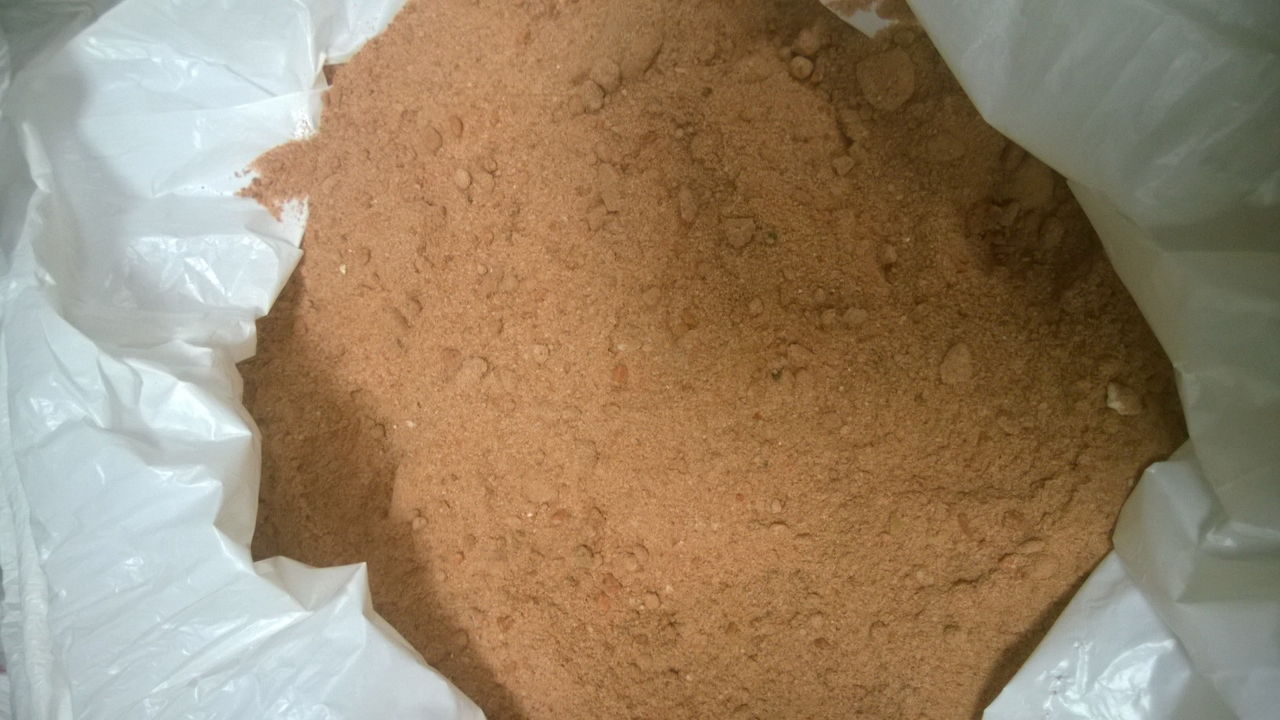
Nitrophoska may differ in the composition of its mineral salts, which is indicated on the packaging.
How to apply
Nitrophoska can be used for a wide variety of crops as a primary or pre-plant fertilizer. Each individual case requires a mixture tailored to the plant species and agricultural requirements. A fertilizer labeled 16:16:16 is considered universal, meaning that all three main components (nitrogen, potassium, and phosphorus) are present in equal amounts. This mixture improves soil quality and ensures normal root and above-ground development.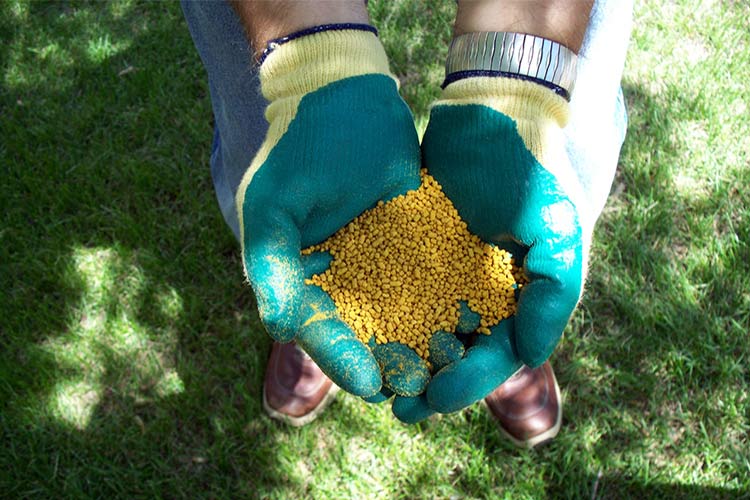
If your soil is anything but "normal," you need to select mixtures that can level and improve its quality. For example, on acidic soils, it's better to use nitrophoska with a higher phosphorus content. If plants are unhealthy (turning yellow, drying out), you need mixtures with added micronutrients like boron and magnesium.
According to the instructions, nitrophoska granules can be scattered over the soil surface, added to planting holes, or prepared as liquid solutions for root feeding. The application method depends on the soil quality.
If the soil is heavy, it's best to work the granules into the soil during autumn tilling. On light and loose soils, the mixture can be simply scattered over the surface in the spring, before planting vegetables.
Perennial plants (fruit trees, berry bushes, grapes) are fertilized in the off-season. In the fall, this fertilizer will help plants adapt and survive the winter cold, and in the spring, during bud break and flower bud formation, it will provide essential minerals for development and fruiting. All ornamental plants, indoor and outdoor flowers, including roses, also respond well to nitrophoska fertilizer.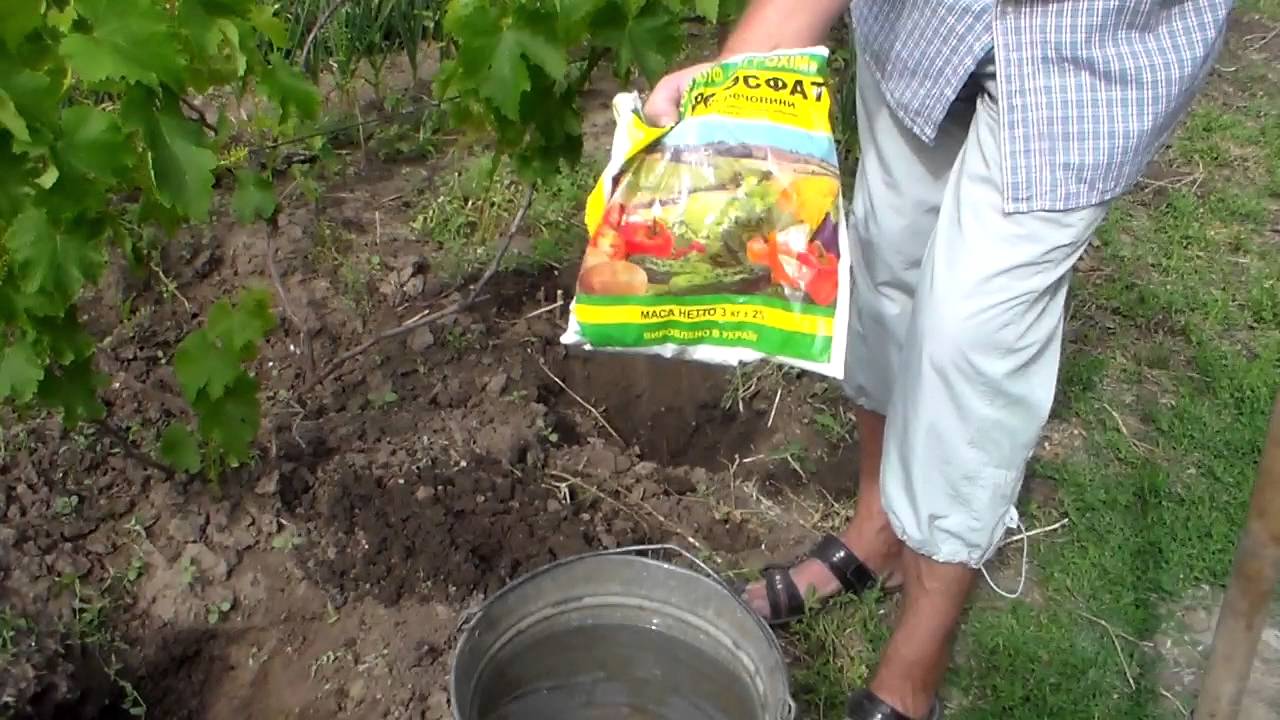
When fertilizing crops with nitrophoska, it's important not to exceed the recommended dosage, as this can lead to nitrate accumulation in both the soil and fruits. For normal plant development and fruiting, apply the mixture in any form (dry or as a solution) no more than twice per season. When spreading the dry mixture, maintain a ratio of 40-100 g per 1 m² of area; when diluted, maintain a ratio of 40-60 g per 10 l of water.
Methods of fertilizing tomatoes
Nitrophoska and nitroammophoska are the most commonly used fertilizers for tomatoes, as they are balanced to provide 100% of the crop's nutrient needs. In commercial tomato cultivation, the fertilizer is simply scattered over the soil surface shortly before planting, but in private farms, the granules can be used more efficiently by sprinkling them directly into the planting holes.
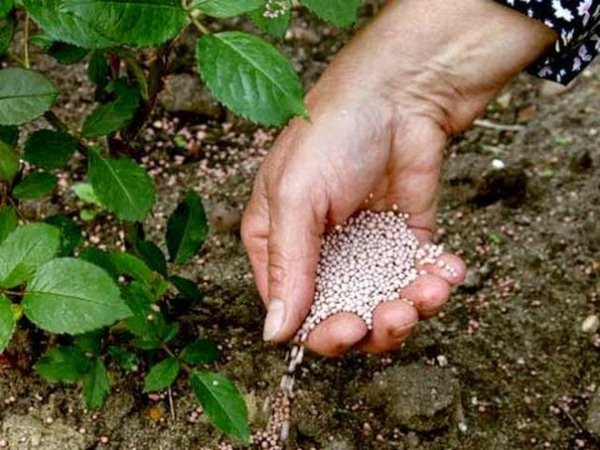
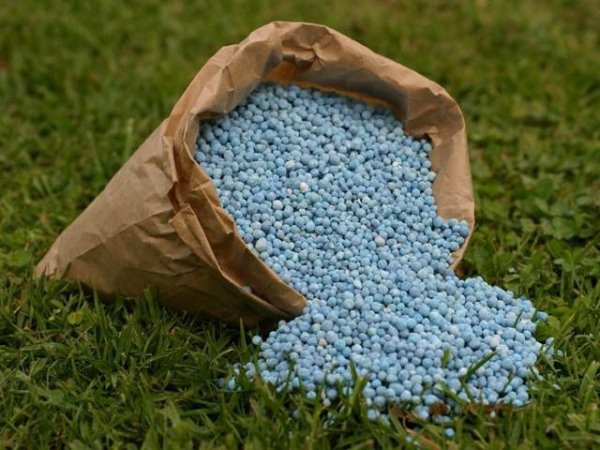
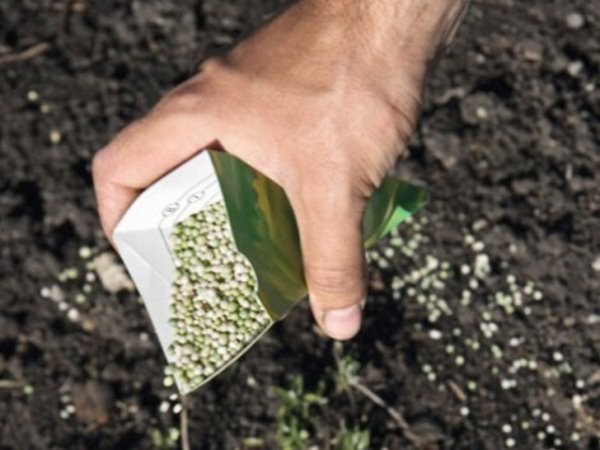
Using nitrophoska for tomatoes is simple; the main thing is to not exceed the recommended concentration. Tomatoes thrive on phosphorus nitrophoska. When planting seedlings, add 1 tablespoon of the fertilizer to the hole, mix thoroughly with the soil, and only then plant the seedlings. You can also use a liquid solution at a concentration of 50 g per 10 l of water to water the hole before planting. Feed the tomato seedlings with this same solution 1-2 weeks after transplanting.
Fertilizer "relatives"
There are many mineral mixtures similar in composition to nitrophoska, the difference between which is only in the ratio of the main components or the presence of additives:
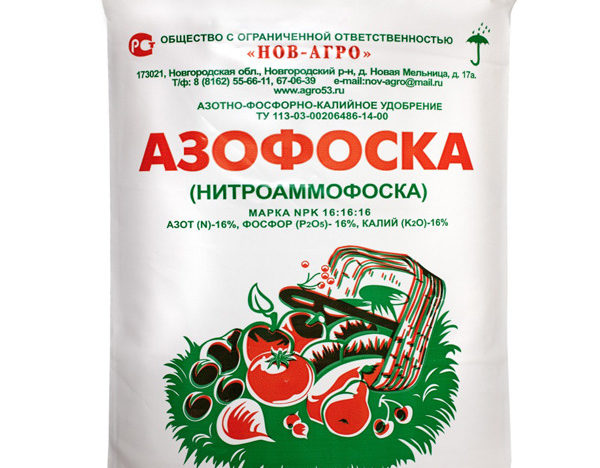
- Azofoska. Some sources classify this mixture as part of the same class as nitrophoska, as both have the same three-element formula (NPK). The only difference may be in the state of aggregation of the constituent substances. For example, in azofoska, the phosphorus is fully absorbed, while in nitrophoska it is only partially absorbed. Furthermore, azofoska contains sulfur, while in nitrophoska this microelement is present only in one form—sulfate.
- Ammophoska. It also has a classic NPK base, but the nitrogen in this fertilizer is in the ammonium form (prevents nitrate accumulation). In addition to the essential elements, the fertilizer also contains magnesium and sulfur, with sulfur accounting for at least 14% of the total mixture. The fertilizer is free of chlorine, sodium, and dietary fiber, making it suitable for use in any soil, including greenhouses, and for chlorine-sensitive crops such as currants, gooseberries, grapes, potatoes, and tomatoes.
- Nitroammophoska. It shares the same NPK core with nitrophoska, differing only in the percentages and forms of the primary and secondary components. Furthermore, nitroammophoska does not contain magnesium, but it is predominantly sulfate-based, and unlike nitrophoska, it has a longer post-action period.
- Nitroammophos. Despite its similar name to the previous fertilizer, nitroammophos has a significant difference: it lacks potassium. Since this fertilizer is a two-element fertilizer, its range of applications is somewhat limited.
- Ammophos. A concentrated two-element fertilizer obtained by neutralizing orthophosphoric acids with ammonia. Its main components are nitrogen and phosphorus, but the concentration of the latter is almost four times higher. Both elements are in a highly absorbable form, so its use offers several advantages over nitrate mixtures.
Since the composition of these agrochemicals is roughly the same, their mode of action is generally the same. This variety of virtually identical fertilizers is explained by the fact that manufacturers strive to meet the needs of specific crops in different soils.
Video "Phosphorus-potassium fertilizers"
From the video you will learn many new facts about these fertilizers.