
Care and cultivation of tomatoes in open ground
Content
Necessary conditions for growing
So, growing tomatoes outdoors requires certain conditions. To ensure that tomatoes thrive in your garden, you need to consider certain characteristics of this vegetable crop.
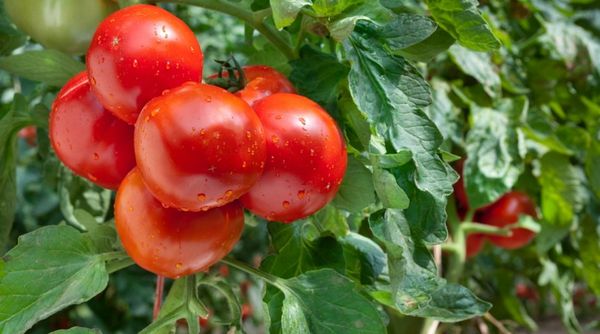
Tomatoes are heat-loving plants, so they don't tolerate low temperatures or frost very well. If you live in a region where even summers can be cold, make sure to provide them with adequate shelter.
In addition to warmth, they also require plenty of light. Growing tomatoes outdoors is ineffective if they're constantly in the shade. In this case, they simply stop flowering and fruiting, making a bountiful harvest out of the question.
They require a lot of nutrients, so growing and caring for tomatoes in open ground will require frequent application of fertilizers and fertilizers.
A great quality of these vegetables is their drought resistance, so caring for tomato seedlings won't require frequent watering, as they tolerate prolonged periods of drought very well. If it rains frequently in your region, consider covering the vegetables with plastic wrap.
To protect vegetables from diseases, practice crop rotation – this will significantly reduce the risk of disease.
Watering mode
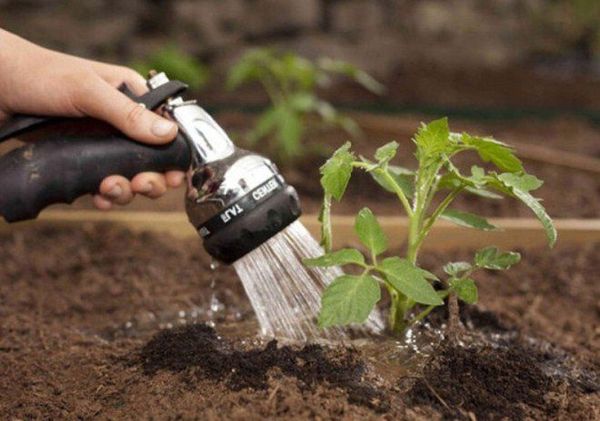
Growing tomatoes outdoors requires a special watering regimen. As mentioned earlier, this crop is drought-resistant, so you don't have to worry about them wilting if left without water for a long time. It's also important to remember that they don't tolerate moisture well, so when caring for tomatoes after planting, avoid using sprinklers—just water them at the roots. If you experience frequent rainfall in your region, covering the seedlings with plastic film can be helpful. The film will reliably protect your tomatoes from excess moisture.
Tomatoes are watered immediately after planting in the ground until they are well established (on average, this requires two waterings, one week apart). After that, they are not watered from the time they take root in the open ground until they begin to bear fruit. The next time you water tomatoes in the open ground, only when fruit begins to form. Otherwise, the ovaries will begin to drop rapidly, and the fruit itself will crack. Water them in the morning or evening (after sunset), using up to 5 liters of warm, settled water per plant.
Green operations
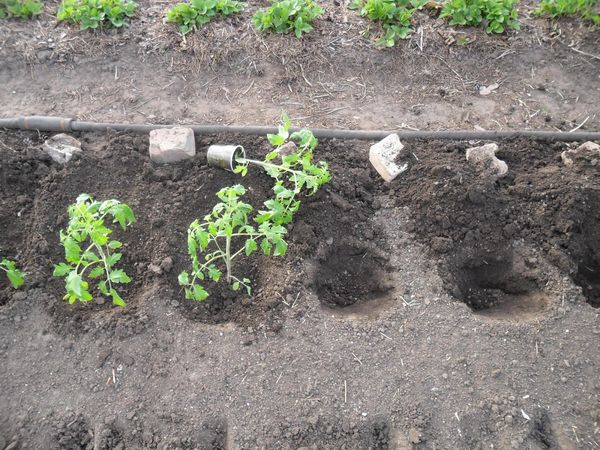
Growing tomatoes outdoors also involves several so-called "green" operations: pinching, tying, pinching, and removing leaves. Let's look at each operation separately to properly care for tomatoes after planting:
- Side-sonning. We grow tomatoes by periodically removing their side shoots, also called side-shoots (hence the name). Typically, shoots that are 5 centimeters or longer are removed. This procedure should be performed in the morning or evening, but never during the day. Typically, this procedure is performed for the first time in early July, and then every week thereafter.
Important! Only tall varieties require pinching; if you have short-growing varieties growing in your garden, there's no need to do this.
- Staking. This is, again, relevant for tall varieties growing in your garden beds. They need to be tied to supports. To do this, simply drive a wooden stake up to a meter high into the ground next to the bush (on the north side) and tie the tomatoes (fruit) to the supports. If you don't want to drive stakes, you can build a trellis, another common option.
- Pinching. About a month before harvesting, pinch the tops of the tomato plants, leaving only three leaves above the top inflorescence. This will direct the plant's energy toward a more abundant harvest.
- Leaf pinching. Caring for tomatoes outdoors also involves leaf pinching. Only the leaves growing below the very first shoots are removed. Young shoots and a small portion of the flower clusters are also removed. This is done to promote larger fruit.
Loosening and mulching
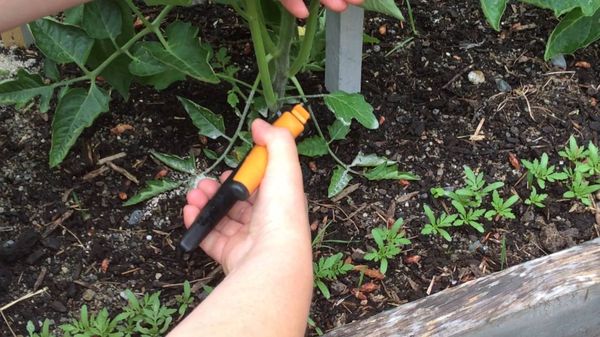
When answering the question of how to properly grow tomatoes outdoors, don't forget about loosening the soil and mulching. It's essential to loosen the soil regularly—the first time this procedure is performed immediately after you've finished transplanting the seedlings. The second time, loosening the soil under the transplanted tomatoes should be done after 2-3 weeks, and then every 10 days. Mulching is also a necessary procedure aimed at increasing the yield of vegetables in your garden.
Fertilizer
Although tomatoes are not a particularly demanding crop, planting and subsequent care in open ground require timely fertilization. The first feeding is done 10-12 days after planting. For this, use a solution of mullein (10 liters) and 20 g of superphosphate per 10 plants. After this, apply two more feedings every two weeks. These are mineral fertilizers (superphosphate, ammonium nitrate, and potassium salt), which are scattered around the plants, followed by moistening the soil.
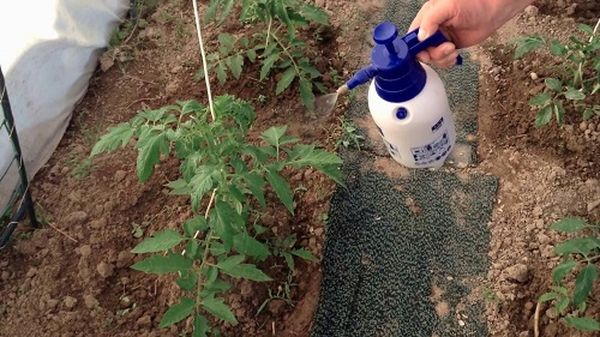
Also, keep a close eye on your tomatoes—sometimes they're deficient in a particular element, and it needs to be replenished immediately. The main symptoms are:
- yellowed leaves – lack of sulfur;
- brown spots on fruits and blackening of the stem at the growth point – lack of boron;
- Yellow and curling leaves - molybdenum deficiency.
Sometimes it could be a disease, but more often, you simply need to replenish a deficiency by adding the appropriate supplements. Follow these recommendations, and any tomato grown in your garden will be incredibly tasty.
Pest and disease control
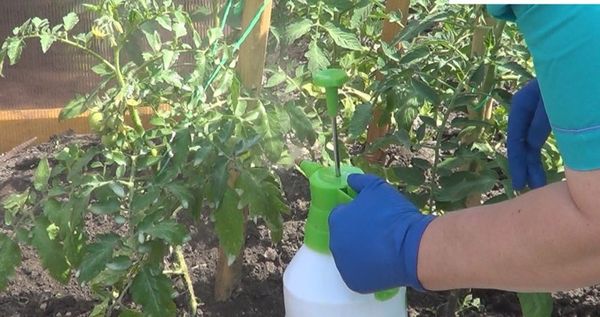
We've already covered how to grow tomatoes. Now let's talk about how to protect them from diseases and insects. What should you do if you encounter a dangerous disease while growing tomatoes, or if pests appear in your seemingly protected garden? How can you save the harvest?
The most common diseases affecting this crop are late blight, leaf spots, rots, mosaic, and bacterial canker. Only fungal diseases can be cured by treating them with special preparations (fungicides). However, if your plants are affected by a bacterial disease (such as bacterial canker), there's nothing you can do. The most you can do is remove the infected areas and hope the disease doesn't spread.
When combating various insects (flies, thrips, slugs, mole crickets, and wireworms), you can use both folk remedies and various fungicides and acaricides. Remarkably, folk remedies are quite effective, which is why many farmers choose them, fearing harm to their tomatoes.
To ensure maximum effectiveness in caring for tomatoes in open ground, don't forget about preventative measures. Basic preventative measures include following proper agricultural practices, choosing resistant varieties, and treating with a 1% Bordeaux mixture solution immediately after planting.
Timing and features of collection
The timing, of course, depends on the variety chosen. The earliest varieties begin bearing fruit as early as the second half of June, while the latest ones can be harvested until September. Late varieties produce the largest yield (up to 6 kg), while early varieties produce the smallest (only 1–2 kg).
The fruits should be picked when ripe. Typically, these tomatoes are harvested every 3-5 days, and can be processed or eaten immediately. They can be stored in the refrigerator for 2-3 weeks.
If there's a risk of frost or the entire crop is at risk of being destroyed by a fungal disease, unripe tomatoes can be harvested. In this case, they are left to ripen in a warm room. It's believed that they will ripen faster if stored next to ripe red tomatoes. Green tomatoes should be refrigerated for up to a month.
Video: Growing Tomatoes in Open Ground
This video will show you how to grow a good tomato crop outdoors.