
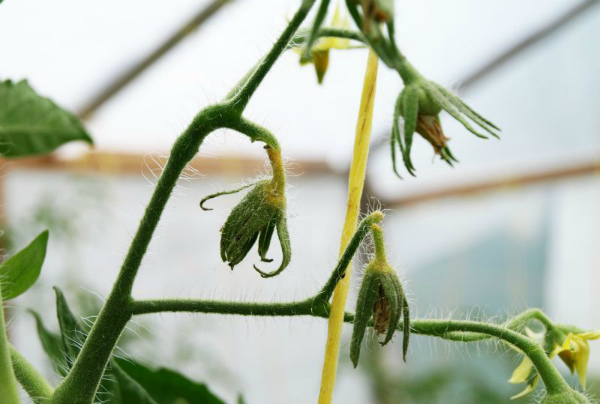
Tomatoes are blooming, but there are no ovaries: what to do?
Reasons
There could be many reasons. For example, tomatoes are very sensitive to temperature. A comfortable temperature for them should be between 20 and 25 degrees above zero.
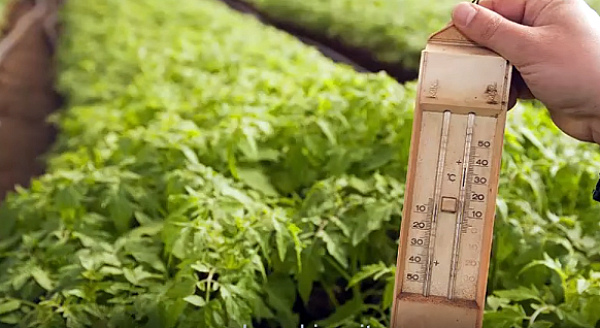
But the weather can throw up surprises at any moment. If the nighttime temperature drops below 15 degrees Celsius, pollen production will cease, and all vegetative processes will slow down. Plants also don't like excessively high temperatures—if temperatures rise above 35 degrees Celsius, there will be no harvest at all, as such high temperatures will render tomatoes sterile. To minimize the possibility of this scenario, choose varieties that are suitable for regional use and can withstand temperature fluctuations and produce a good harvest. And of course, don't rush planting—pollen is formed at night, so time your planting so that the nighttime temperature doesn't drop below 15 degrees Celsius by the time they bloom.
It's easier to monitor the temperature in a greenhouse; if necessary, you can provide heating, but the main thing is not to overdo it. If the greenhouse is hot and humid, there is a risk that the pollen will stick together, form balls, and fertilization will not occur. Timely ventilation will save the situation.
If the soil isn't moist enough, the flowers will dry out and fall off. This is another common reason for tomato plants failing to set fruit. Experts recommend soil moisture levels of at least 70%, but that doesn't mean you need to buy a moisture meter; you just need to carefully monitor the condition of the soil and the plants themselves.
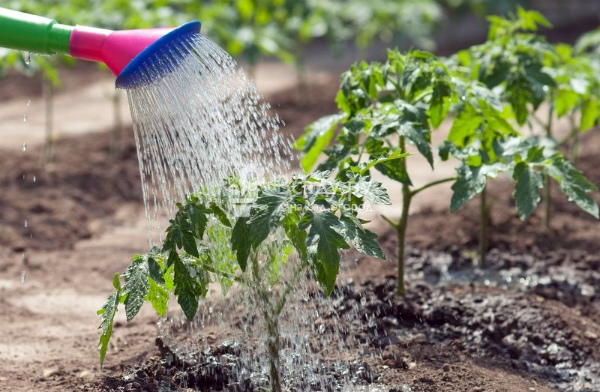
Tomatoes love moisture, so it's important to prevent the soil from drying out, watering as needed, and only when the top layer of soil begins to dry out. The condition of the seedlings will tell an attentive gardener if they're getting enough water. If the plants are vigorous and green, not drooping, drying out, or turning yellow, then all is well. However, when the tops droop, the leaves become limp, dry out, and fall off, these are the first signs of a lack of moisture. Flowers will either not form at all under this type of care, or will fall off without setting fruit.
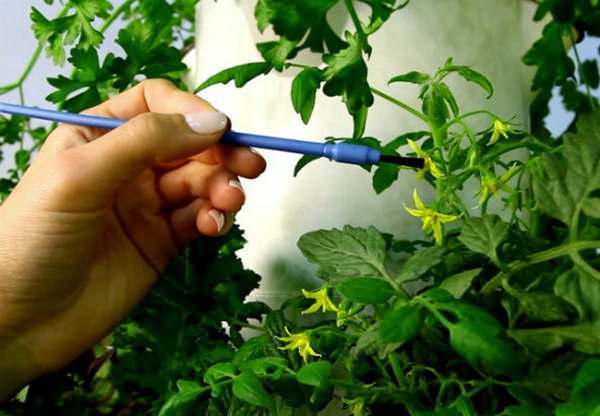
Even when the soil, moisture, and temperature are all normal, and the strong, healthy plants are blooming beautifully, sometimes the lack of fruit set can be explained by a lack of insects and lack of wind. In these cases, it's necessary to simply encourage pollen dispersal mechanically, for example, by shaking the twigs. This is especially common when growing tomatoes in greenhouses. Sometimes, overly dense bushes can prevent fruit set, so it's best to avoid planting too close together and to prune out side shoots promptly. Tomatoes should be grown so that all twigs have access to light and air.
Oddly enough, problems with fruit set sometimes occur when seedlings are grown from their own seeds. This is because the seeds are not treated to prevent possible infections. This is nature's way of protecting itself: if seeds are taken from a plant that has been exposed to a disease, they rarely produce fruit.
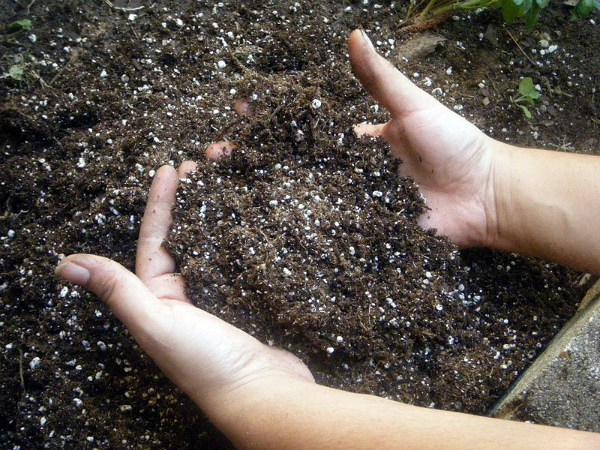
Another common cause of lack of fruit set is improper soil fertilization. Tomatoes are very greedy for nutrients, absorbing virtually all the nutrients they can get from the soil. They should be grown in rich, fertile soil, but remember: either too little or too much fertilizer can cause flowers to drop or simply prevent fruit set.
What to feed
When growing tomatoes, proven fertilizers such as "Agricola," "Zavyaz," "Kamerton," and "Kemira" are widely used. Before using them, it's a good idea to carefully read the instructions to avoid misdosing. Fertilizers should be well-balanced.
If a plant receives too much nitrogen, it looks great, is bright green, and quickly and confidently gains foliage. The flowers are also beautiful, the sepals are vibrant, but the stamen cone does not develop properly, so the ovary cannot form.
If there is a lack of nitrogen, the plant looks weak and lethargic, its branches are thin, and the brushes are poorly developed.
Nitrogen is essential from the beginning of the growing season, and then, as fruit forms, the plant needs more potassium and phosphorus. Without these nutrients, fruit growth will be slow, and the seeds will be weak. They are unlikely to produce a good harvest.
Typically, 2-3 weeks after planting seedlings in the garden, the first feeding is done. A very good formula is a balanced complex fertilizer containing nitrogen, phosphorus, and potassium in the right proportions. It is spread dry under the plants so that a certain amount of nutrients reaches the roots with each watering. In poor soils, this feeding is repeated a couple more times, but this should be done only if necessary; otherwise, an excess of nutrients will lead to crop loss.
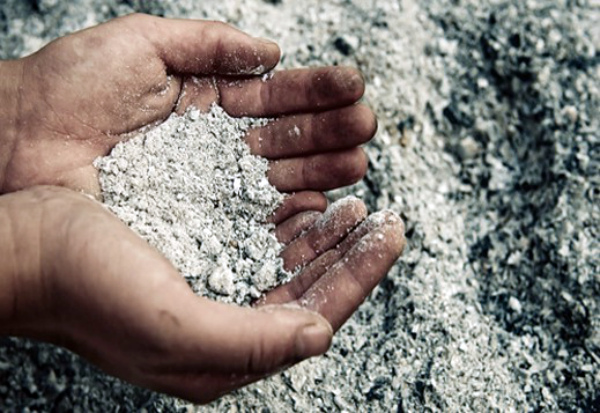
If, for some reason, a gardener doesn't use commercial complex mineral fertilizers, they fertilize their tomatoes with a mullein infusion, diluted 1:6. To a bucket of this solution, add 10-15 grams of potassium sulfate and the same amount of double superphosphate. Some fertilize with wood ash.
During flowering, it's helpful to water tomatoes with an infusion or decoction of burdock, nettle, and dandelion. Spraying with decoctions and infusions of weeds, cut grass, and boric acid solutions is also beneficial. These sprays are repeated several times, 5-7 days apart, when tomatoes are just beginning to bloom. Boric acid can protect plants from many diseases, increase fruit production, and even improve their flavor—they become sweeter after such spraying. Mixing 9 liters of water with 1 liter of whey, adding 20 drops of iodine, and then spraying the plants with this mixture should increase the yield.
Nuances of feeding
Foliar feeding should be done on a cloudy day, when the sun won't burn the leaves, or in the evening, when there's no longer direct sunlight. It's best if there's been no rain for a couple of days, so the leaves and stems can absorb all the nutrients. Foliar feeding should be done very carefully; the concentration shouldn't be too high, so as not to burn the leaves.
There are very effective folk remedies, such as eggshells, which can saturate plants with calcium. Crushed eggshells (preferably from raw eggs) are poured into water; after two weeks, the appearance of a strong odor indicates that the fertilizer is ready. Dilute it with three parts water and water the tomatoes at the roots.
Yeast provides plants with many essential nutrients. To make fertilizer, mix it with sugar and add water. A chicken manure solution is also good for watering tomatoes. Cow manure can be simply spread among the plants; each rain or watering will release a dose of fertilizer into the soil, but the smell of this fertilizer will not attract bees. This method is still better than pouring a highly concentrated solution under the roots.
In general, it is best to pour concentrated or simply strong fertilizers between the bushes, and not directly under them, so as not to damage the sensitive roots.
Video: "Fertilizers for Abundant Tomato Sets"
This video will show you two types of fertilizer you need to apply to ensure your tomatoes produce a bountiful harvest.