
How to grow tomatoes on a windowsill
Content
Choosing the right variety
Indoor conditions for tomatoes are far from the comfort of outdoor gardens. Light is limited, and the soil, limited by the pot's size, lacks nutrients. To avoid ending up with a pet, a brazen tenant that will take over the best part of the room and require support, which, of course, won't enhance your home's design, you need to approach the selection carefully. Not all tomatoes grown on an apartment windowsill will thrive and bear fruit. So what kind should they be?
First, low-growing varieties. Only low-growing and dwarf varieties can produce a decent harvest in a limited space, using only a small amount of potting soil.
Secondly, shade-tolerant and disease-resistant. Even common houseplants require additional lighting in winter, let alone tomatoes, which we want to see fruit on. This is where shade-tolerant hybrid varieties, which can produce fruit well even in short-day conditions, come into play.
They'll only need additional lighting on cloudy days. Furthermore, hybrids are immune to many diseases. With proper gardening practices and fungal disease prevention, tomatoes on the windowsill won't get sick.
Thirdly, they're beautiful. Standard varieties resemble small trees with sturdy stems and a dense crown. They require no staking or pinching. Trailing varieties won't bother you with these tasks either. Their thin, yet very strong, branched shoots cascade beyond the pot. These tomatoes can be grown in hanging baskets.
It's worth noting that tomatoes grown on the windowsill can be large-fruited varieties, with fruits weighing up to 130g, or small-fruited varieties, with a minimum weight of 15g. Fruit color can vary, as with outdoor varieties—all shades of red and yellow. Yields can also vary.
There are decorative varieties whose fruits are good for little more than a festive garnish. But there are also very productive specimens that can yield over 2 kg per season.
If you've acquired such a pet and become attached to it, don't worry—you won't be separated from it quickly. Indoor tomatoes are long-lived, and can delight you for as long as 5 years.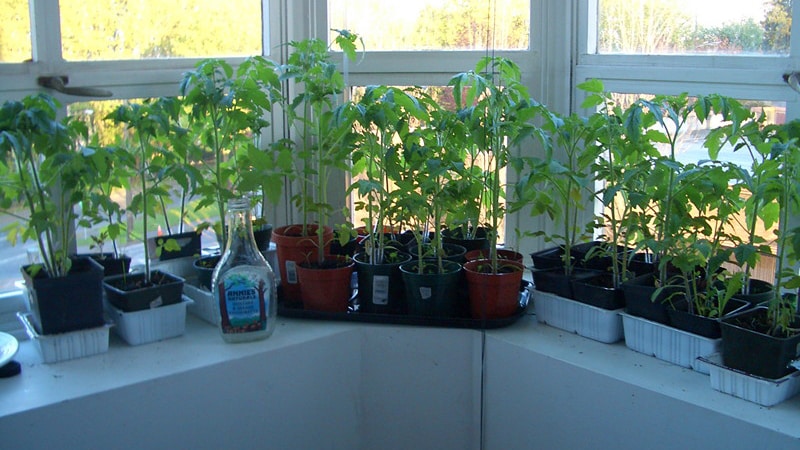
Indoor varieties of compact tomatoes: Leopold, White filling, Florida Petit, Red Riding Hood, Oak, Ruby, Minibell, Bonsai, Bonsai micro, Pinocchio, Indoor surprise, Mikron MK, Pygmy, Window yellow, Tumbler.
Video: Growing on a Windowsill
This video will show you how to grow tomatoes at home.
Planting a garden on a windowsill
Of course, you need to choose the brightest spot for your mini-garden. A south-facing windowsill is ideal. For additional lighting, fluorescent or energy-saving lamps are suitable. It's best, of course, to use phytolamps; the red and blue light they emit enhances growth and fruiting.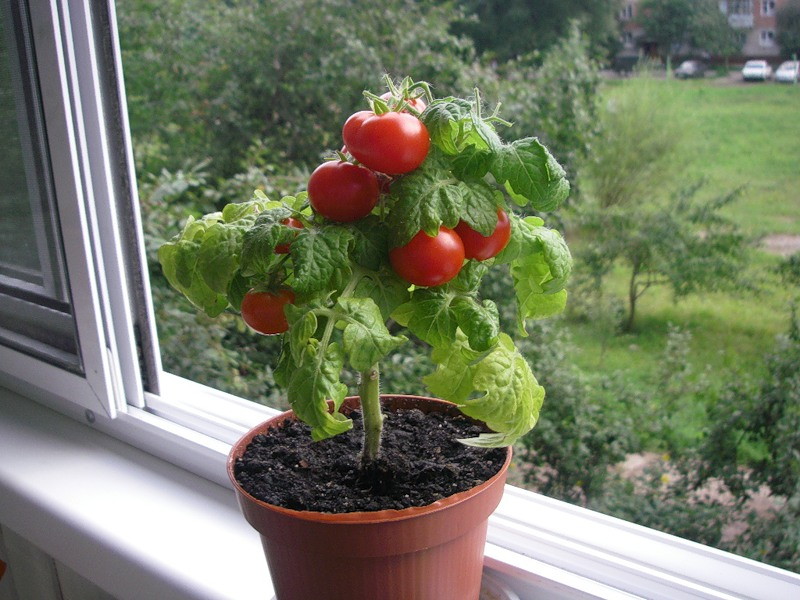
The lamps are placed 25-30 cm above the tops of the plants. They are turned on all day on very cloudy days. The rest of the time, their purpose is to extend the illumination to the required 13-16 hours. The lamps are turned on for a short time before dawn and after sunset.
Features of cultivation
To ensure a harvest by a specific date, seeds should be sown 90-100 days in advance. Like outdoor varieties, our heroes are grown from seedlings. First, they must be disinfected in a potassium permanganate solution for half an hour, then left in a damp cloth for two days to allow the seeds to germinate. Seeds are sown in a container with potting soil at a depth of 1 cm and spaced 2-3 cm apart.
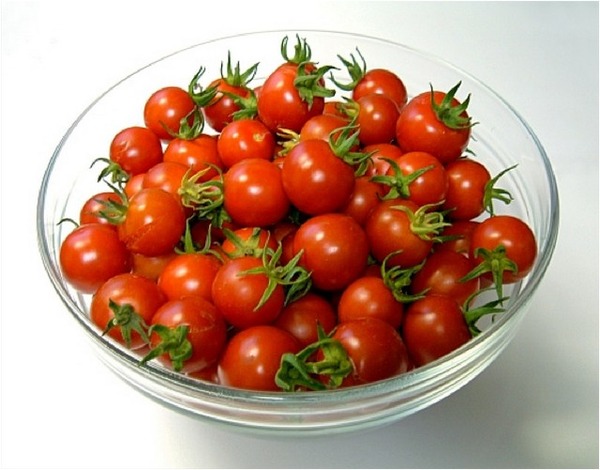
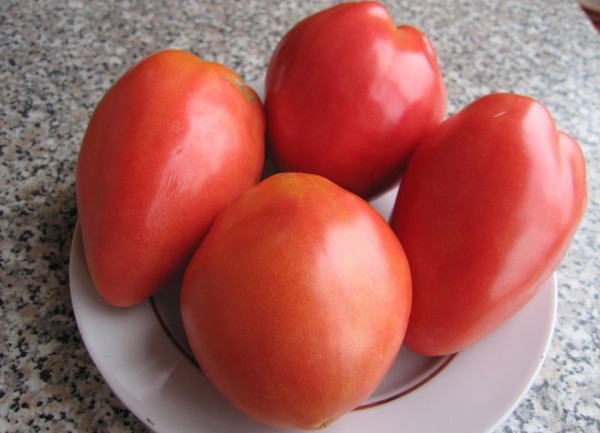
You'll need to work with the soil to remove harmful microorganisms. Once the seedlings produce their second true leaf, they can be transplanted into pots. For dwarf varieties, 1.5-2 liters is sufficient, for indoor varieties - 3-4 liters, and for trailing varieties - 5 liters. The soil mixture is prepared using the following recipe: garden soil, sand, compost, and peat in a ratio of 5:2:5:1. For every bucket of this mixture, add a handful of ash and a matchbox of urea and potassium sulfate. Drainage of small pebbles or expanded clay is placed at the bottom of the pots. When planting, the seedlings are buried deep up to the cotyledon leaves.
We are waiting for the harvest
Growing tomatoes on a windowsill doesn't take much time. Turn on a grow light morning and evening. Rotate the plant daily to face the light. Water twice a week, focusing on the roots, avoiding the trunk. Apply water sparingly; overwatering can cause fungal diseases. After watering, loosen the soil, being careful not to touch the roots. The first feeding is done when the plant has five true leaves. Fertilize every 10 days thereafter. You can use bird droppings diluted 1:15 in water. Alternatively, use a commercial micronutrient fertilizer; for young plants, halve the recommended dosage. If your chosen variety isn't a standard or trailing variety, remove any shoots that form in the leaf axils to prevent them from robbing the developing fruit.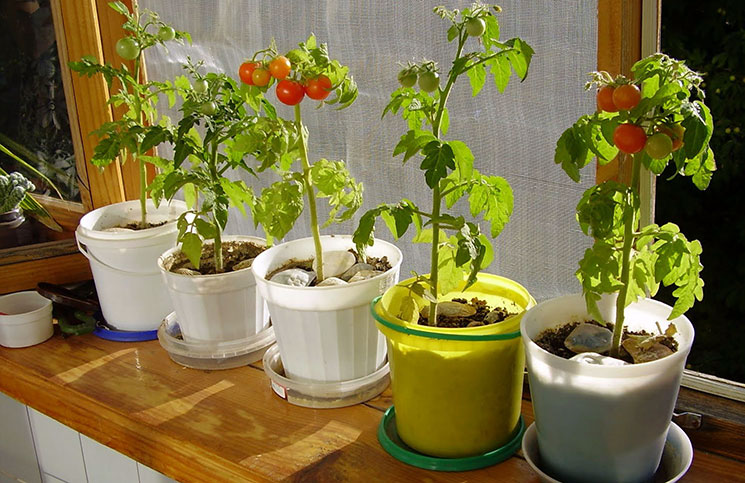
An indoor tomato plant won't have enough strength to ripen all the fruit that has set, so leave 5-6 clusters on each stem. The rest are removed along with the stem tip. After the fruit has formed, you can pluck off the lower leaves. Yellowed leaves are regularly removed. Let's first figure out why tomato leaves are drying out. It's not always due to insufficient watering.
Overwatering and poor ventilation can lead to the development of late blight and fusarium wilt. To prevent this, spray with Fitosporin or a garlic infusion (0.5 cup per 3 liters of water + 1.5 g of manganese). The room where tomatoes are growing should be thoroughly ventilated, after removing them from the windowsill.
Indoor varieties are generally self-pollinating, but a little help is always helpful. During flowering, tap the stems and shake the clusters. You can spray the bush with a boric acid solution (1 g per 5 liters of water) to prevent ovary drop.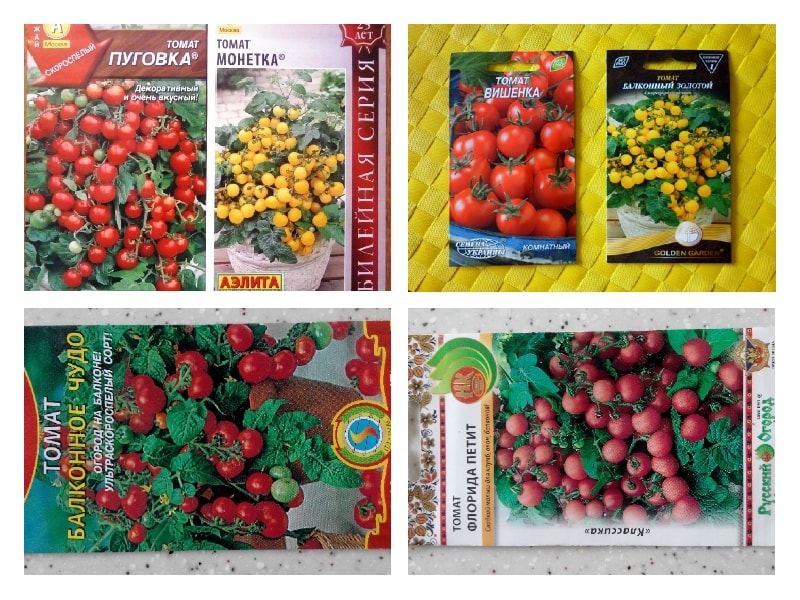
The harvested tomato is picked unripe. As soon as it begins to turn pink, it is picked and placed in a sunny spot or a dark box, where it will soon turn a deep red. The resources saved will help the other tomatoes grow to the desired size.
Balcony Wonders
If you've succeeded in growing tomatoes on your windowsill and want to take things further, consider setting up a greenhouse on your balcony. If your balcony is insulated, start sowing in early March; otherwise, wait until late April. A south- or southeast-facing balcony is ideal. North-facing balconies will be cold for tomatoes, while southeast-facing balconies will require shade during hot, humid weather.
The spacious balcony (compared to a windowsill) allows for growing taller varieties with higher yields. Cherry or cocktail varieties with a wide variety of shapes and colors are ideal. These varieties can be planted:
- Polina, Spencer - red;
- Butterfly Ballerina - pink cream;
- Fortessa - yellow-orange;
- Rose - pink;
- Forte Orange - orange.
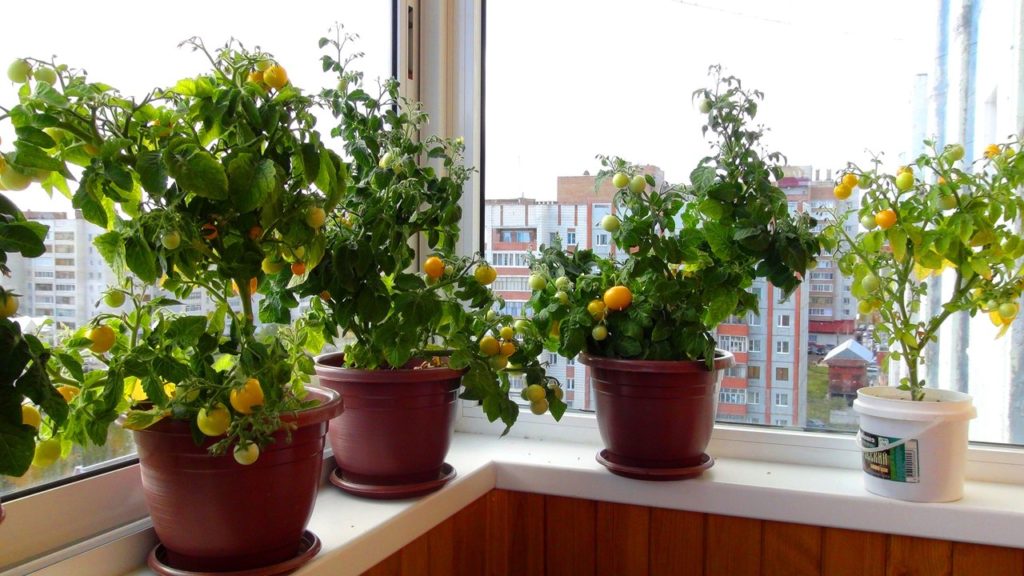
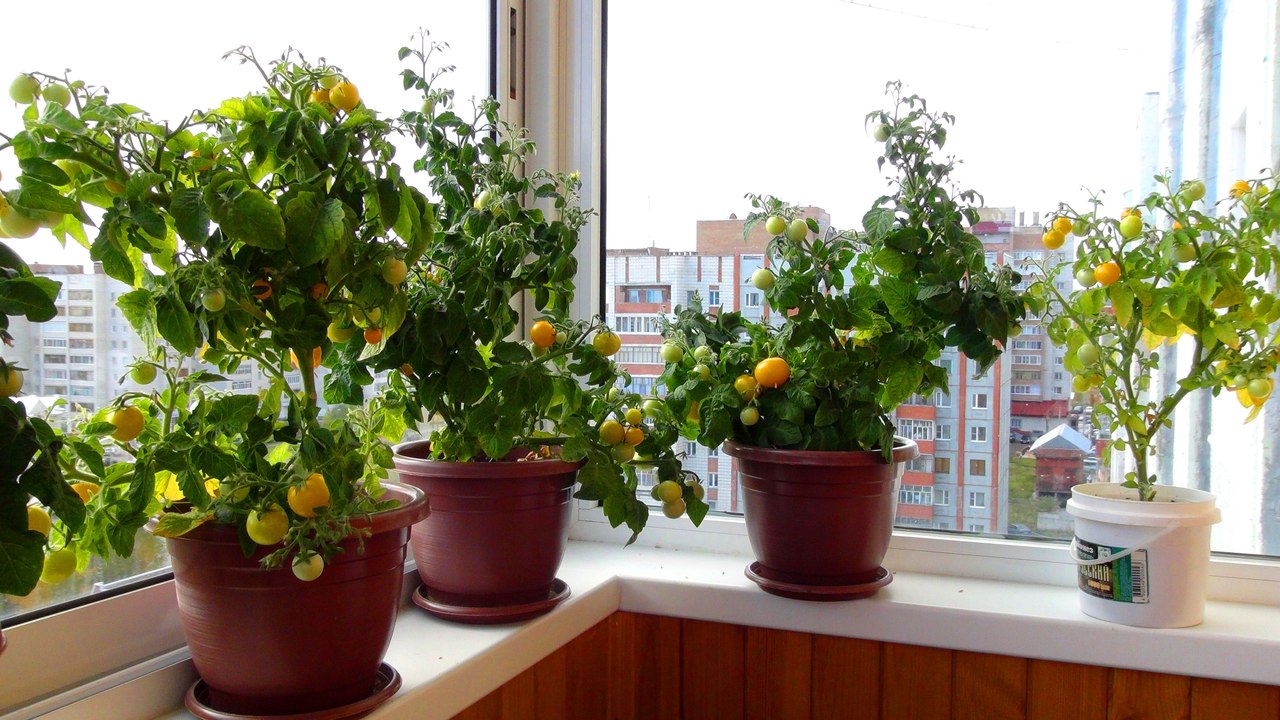
They are grown in the same way as indoor varieties. The difference is that these varieties are tall and require training. Therefore, all side shoots except the bottom one are removed to create two trunks. Long shoots require a trellis or stakes to tie them to. Tomatoes aren't the only varieties that can be grown on a windowsill; there are cucumber varieties that can also thrive and produce fruit in such Spartan conditions.
Video: "Growing on a Balcony"
This video will show you how to grow tomatoes on your balcony.