
Let's find out: is a tomato a berry, a vegetable, or a fruit?
Berry or vegetable?
We're accustomed to calling the crops we grow in our gardens "vegetables." Tomatoes are precisely where they grow. The Russian dictionary defines any herbaceous plant with edible parts as a vegetable—this could include leaves, stems, fruits, bulbs, or roots. The tomato fits this definition perfectly. The plant itself is called a tomato, while the fruit is called a tomato. Therefore, a tomato is a vegetable.
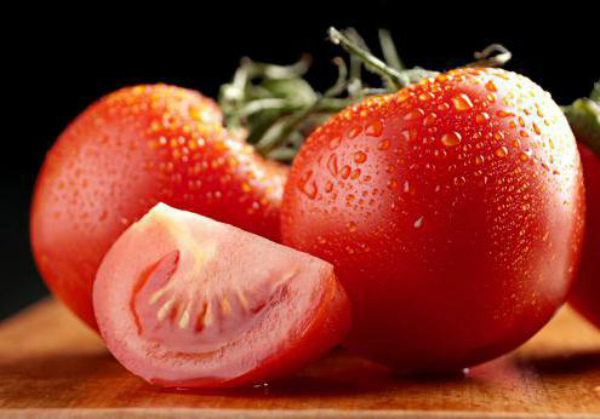
Botanists call tomato fruits berries because they conceal fleshy pulp and seeds beneath their thin skin. This is how they are described in scientific literature.
Berries are:
- fleshy, like oranges and melons;
- dry, like beans and nuts;
- stone fruits, such as cherries and plums.
A tomato is clearly a fleshy berry, just like apples and pears. This linguistic issue is becoming increasingly confusing—for some reason, we call apples, pears, and oranges fruits.
Berry is a botanical term, while the words vegetable and fruit are used from a culinary perspective.
We eat vegetables raw or cooked as part of main (i.e., savory) dishes, but fruit is reserved for dessert. Since tomatoes aren't eaten with sugar, we safely consider them vegetables.
So what is a fruit? It's a loanword, entering the Russian language no earlier than the 18th century. In English, this word generally refers to any fruit grown on a plant. From this perspective, the fruit of a tomato, apple, or potato (the green, inedible ones) are called a fruit. So, a tomato is simultaneously a berry, a vegetable, and a fruit. What a linguistic oddity!
The tomato fruit, that is, the tomato, is not only tasty, but also very healthy. It contains a huge amount of vitamins and minerals that give vitality and cure many ailments. The high potassium content makes this fruit important for fighting cardiovascular diseases, especially for their prevention. The amount of vitamin C in tomatoes is comparable to that in lemons.
Regular consumption of tomatoes helps eliminate harmful cholesterol, improves intestinal flora, and enhances the body's resistance to many infectious agents. The organic acid salts contained in tomatoes undergo a number of changes after being absorbed by our stomachs, binding excess acids and preventing the body from aging.
This amazing fruit, both nutritious and low in calories, prevents bile stagnation and breaks down fat, thereby promoting weight loss and rejuvenation. It lowers blood pressure, prevents blood clots, and prevents blood thickening.
A bit of history
The Americas are considered the birthplace of tomatoes. Wild varieties of this plant are said to still be found in South America. Christopher Columbus introduced them to Europeans in the 15th century. Locals called the fruit that intrigued the explorer something like "tomatl," hence the name of the crop—tomato. The word "tomato" was coined by the Italians, who called the tomato "golden apple." However, for a long time, Europeans considered this fruit inedible; it was grown for ornamental purposes, adorning garden arbors, greenhouses, and windowsills. For a couple of centuries, Europe cultivated the plant, unaware that its beautiful fruits were tasty and healthy, as the Bible makes no mention of them.
The oldest known tomato recipe was found in a cookbook printed in Naples in 1692.
In the 18th century, the question of edibility was resolved in favor of tomatoes; they became edible and even reached Russia. But at first, the crop was cultivated solely for decoration—the fruits never fully ripened, making it impossible to properly appreciate their flavor.
Thanks to the agronomist Bolotov, tomatoes began to be grown in gardens using seedlings specifically for eating. They were considered a vegetable crop. Thus, Russian cuisine discovered tomatoes, and very soon they began to be served with meat and fish.
It's hard to say today who first invented tomato sauce; the Italians and the French lay claim to the palm, but the whole world enjoys consuming a wide variety of sauces, purees, and gravies made from tomatoes.
The question of whether tomatoes are considered fruits, vegetables, or berries was so pressing that in 1893 the US Supreme Court decided it. The resolution of this seemingly purely linguistic issue determined the amount of customs duties. The US Supreme Court ruled that tomatoes were considered vegetables, despite the fact that botanists call them fruits (i.e., berries). Needless to say, fruits, unlike vegetables, were not subject to customs duties.
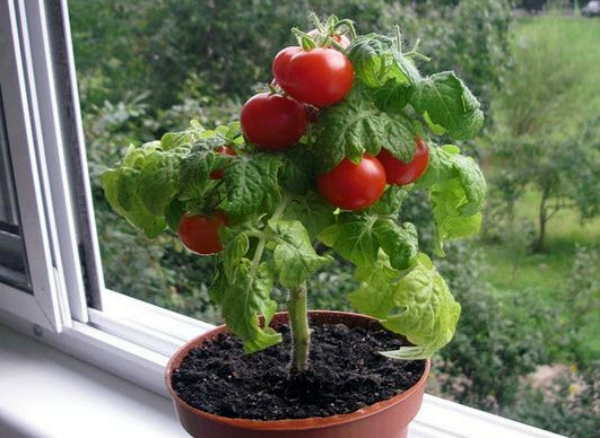
More than a hundred years later, on another continent, the same question arose again. Although tomatoes are commonly referred to as vegetables worldwide and berries in scientific literature, the issue was not considered resolved at the legislative level. In 2001, the relevant authorities in the European Union ruled that tomatoes are fruits. This likely also has implications for customs duties. So, if someone from Rome were to bring tomatoes to Washington, they would transform from fruits to vegetables during the transatlantic flight.
A curious casuistry leaves the question of names open. But this doesn't stop tomatoes from being cultivated worldwide. There are over 10,000 known varieties of this crop. Tomatoes are eaten fresh, boiled, fried, salted, canned, pickled, dried, and used to make juices, sauces, and cocktails. Their nutritional and dietary value, abundance of beneficial elements, and positive impact on human health explain why tomatoes are grown in most gardens and summer cottages, in greenhouses, conservatories, and even on loggias and windowsills.
Video "What is a berry?"
Watch this engaging and informative video and you'll understand why a tomato is, by all accounts, a berry.