
Features of fertilizing tomatoes with ash: proven methods
Content
Peculiarities
Fertilizers are typically used at various stages of growing agricultural produce in the garden and greenhouse. They are applied during soil preparation for planting, used to feed seedlings, and, depending on the soil's fertility, during the growth, flowering, and fruiting of vegetable and berry crops. Some gardeners purchase chemically derived minerals, unafraid of their accumulation in plants, while others prefer to use products prepared at home in the most natural way possible.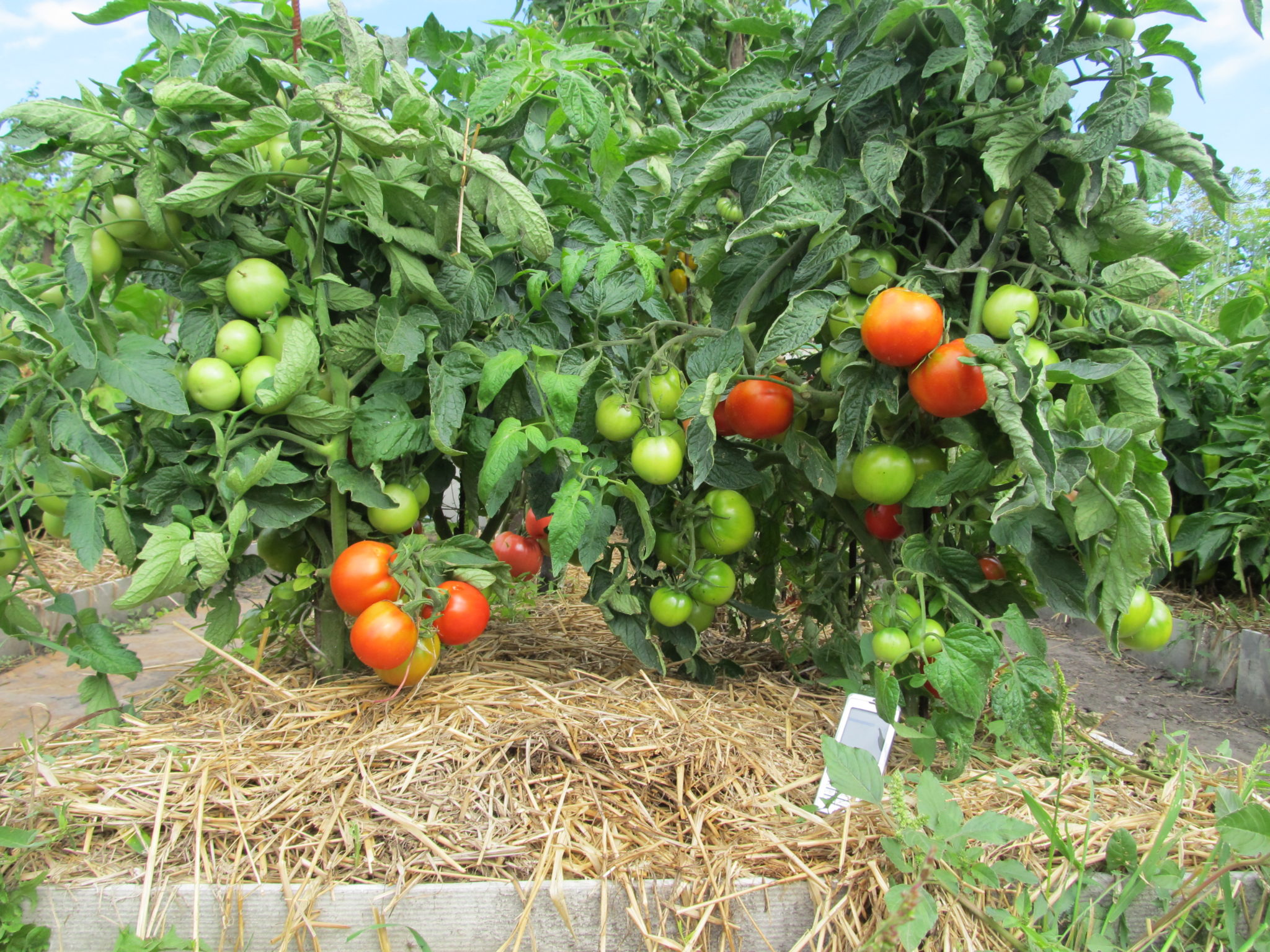
Wood ash is a wonderful fertilizer for most garden and vegetable crops, but you need to know its basic properties and characteristics to use it only for the benefit of plants.
Only ash obtained from burning plant materials, peat, or shale can be used as fertilizer. However, ash from burning synthetic polymers, rubber, or items coated with paints and varnishes (even colored paper or glossy magazines) cannot be used.
By adding ash and wood ash to the soil in your garden or greenhouse, you alter its pH balance—ash significantly reduces acidity. Therefore, to alkalize acidic soil, you can apply up to 500 grams per square meter. Heavy clay or loamy soil will continue to show remarkable fertility for another 4-5 years after this addition, while maintaining a lighter texture. This approach should be avoided with neutral or alkaline soil.
Since peat, on the contrary, acidifies the soil, wood ash and peat are usually added together to fertilize and lighten the soil structure at neutral soil conditions. However, if plants prefer acidic soil, such as potatoes, radishes, and melons, ash should be used with extreme caution. However, fertilizing tomatoes, peppers, eggplants, cucumbers, and cabbage with ash always produces a positive effect. Fruit trees and houseplants also love it; ash is added to the soil under trees every 2-3 years, and houseplants are regularly fed with it (also added to the soil when planting), which promotes longer and more lush flowering.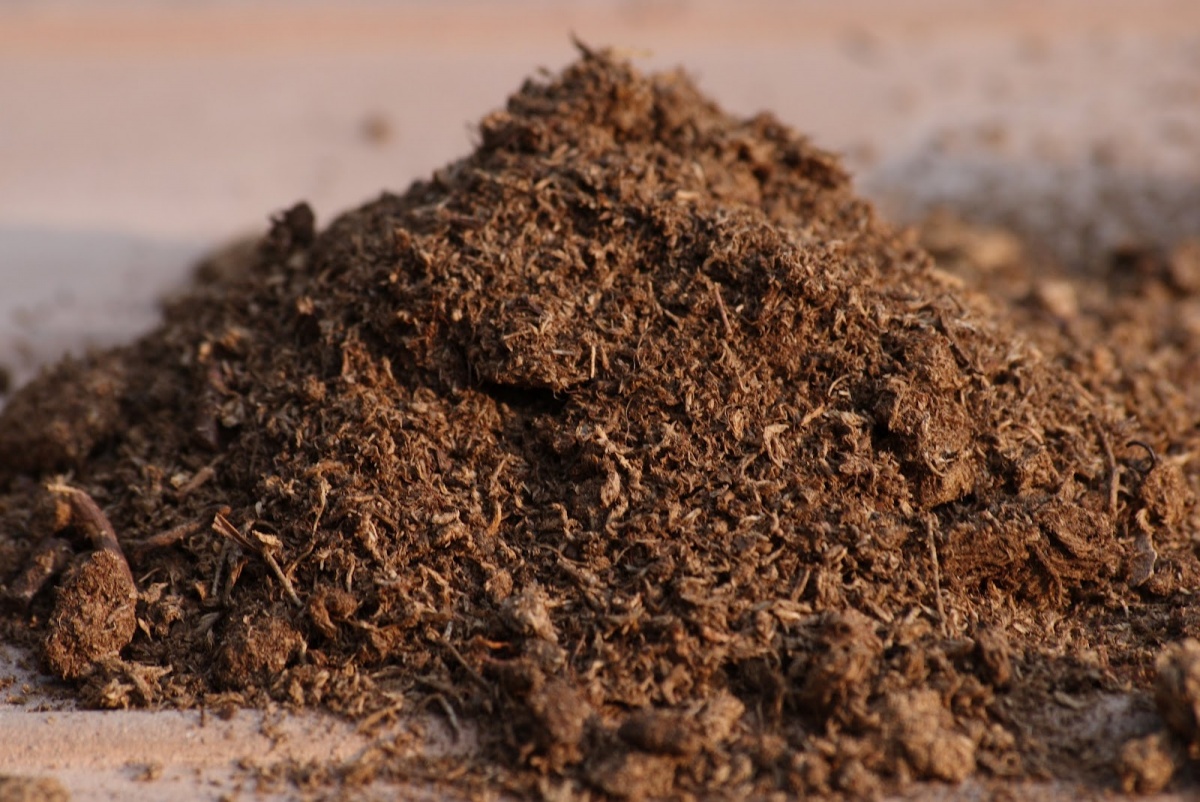
Potassium is found in the highest concentrations in ash from burning grapevines, potato tops, whole sunflowers (up to 40%), sunflower husks, buckwheat, and grasses. It is found in slightly lower concentrations in ash from burning straw, wood, and peat.
Ash from shale, wood and peat contains much more calcium (from 45 to 70%), while dried grass ash contains less.
And the most phosphorus remains after the combustion of wood – from 6 to 10%, while peat and grass provide only 1%.
Ash, not only from wood but also from burning tops, grass, shale, peat, and husks, is a unique combination of elements beneficial to plant growth. Adding a nitrogen-containing fertilizer (such as manure) creates a complex fertilizer that will support the growth of most plants grown in our gardens or greenhouses.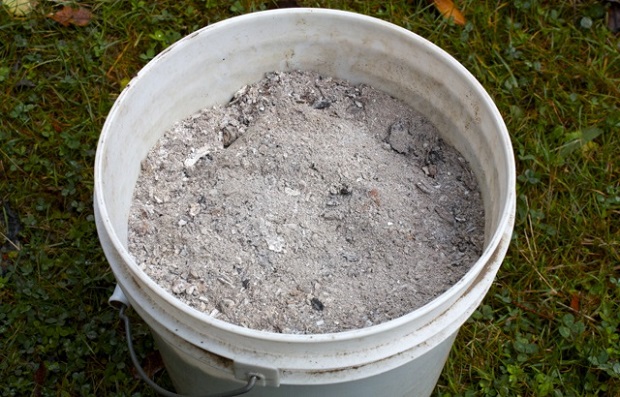
Ash isn't just a fertilizer; it's also used to control plant pests. Flea beetles, various aphids, slugs, snails, and even wireworms are particularly averse to ash. It's also often used to prevent fungal plant diseases.
Video: Root Fertilization with Ash
This video will show you how to feed tomatoes with ash at the roots.
Methods
Ash is used in its dry form, used to make solutions, infusions, and extracts, and used to enrich compost heaps. It is also used as a root and foliar fertilizer.
Dry, almost solid, ash is buried in the soil to prepare it for planting, filling the tree trunks and bushes with it, and between rows in the garden. After this application, it is covered with soil or mixed with it, and then the roots receive a dose of nutrition with each watering. Roots need phosphorus for development, so the soil for tomato seedlings, the soil in the garden, or the greenhouse must contain ash.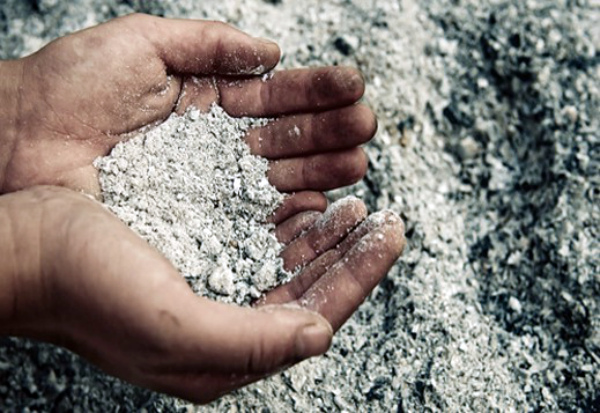
To make a solution, the ash is simply poured with water, left for a while, and then used for watering or spraying (foliar feeding), but the mixture must be constantly shaken or stirred.
Infusions and extracts involve using only water, which is filtered or simply allowed to settle and then discarded. This is a gentler method of delivering fertilizer, as water contains far fewer nutrients, with most remaining at the bottom of the container. However, any nutrients dissolved in the water are guaranteed to be absorbed by the plants. This water is used to water or spray tomato seedlings; this is the very first feeding of tomatoes, done when they are still very young and weak.
Compost piles are typically made from plant residues, watered with an infusion of mullein or poultry manure, or simply supplemented with manure. This compost is often rich in nitrogen, and if ash is added, it becomes richer in potassium, calcium, and phosphorus, making it a comprehensive, nearly universal fertilizer. If peat is added in the same amount as the ash, it won't affect soil pH and can be used not only as a fertilizer for tomatoes and other nightshades, but also for potatoes, radishes, and melons.
When fertilizers are applied to the roots, plants absorb all the nutrients present in their soil through their roots. Foliar feeding is said to be different in that the plant absorbs only the nutrients it needs at that moment through its leaves and stems, with results noticeable within a few days, and often even hours.
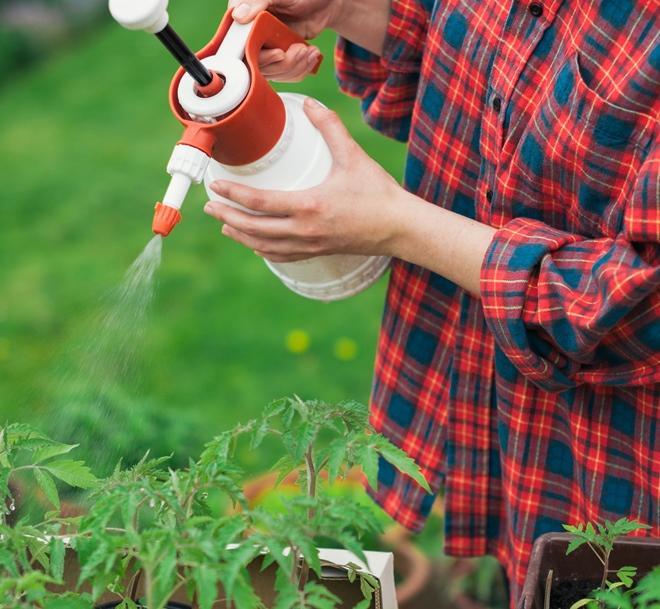
This is easily noticeable in the condition of tomatoes. Phosphorus is essential for root development and fruit formation; without it, all other nutrients are not absorbed by the plant. A phosphorus deficiency can be detected by purple spots on the underside of leaves, curling along the main vein, and slow ripening of tomatoes. Spraying with an ash solution quickly corrects the situation, faster than watering.
Potassium helps plants form stems and participate in photosynthesis. A deficiency causes lower leaves to turn pale between the veins, wilt, and die. Foliar feeding will produce results within a day, so it's used as a quick fix, while root feeding is more long-term. There's just one rule: don't spray plants before rain or in bright sunlight. It's best to do this on a cloudy day or in the evening, allowing the leaves time to absorb the liquid.
Plants are typically dusted for pest control or disease prevention. The ash needs to remain on the leaves and stems longer, so it's best to dust after rain or after spraying with water. The ash is ground to a fine powder, often mixed with tobacco dust. The dusting process should be performed when there's no wind to ensure the ash reaches its intended destination. In a greenhouse, simply close the windows and doors to prevent air movement.
Adviсe
When planting tomatoes, eggplants, and peppers in the garden, add 4-5 dessert spoons of ash to each hole and mix it with the soil. Alternatively, you can simply add several cups (up to three) of ash per square meter of the bed while digging.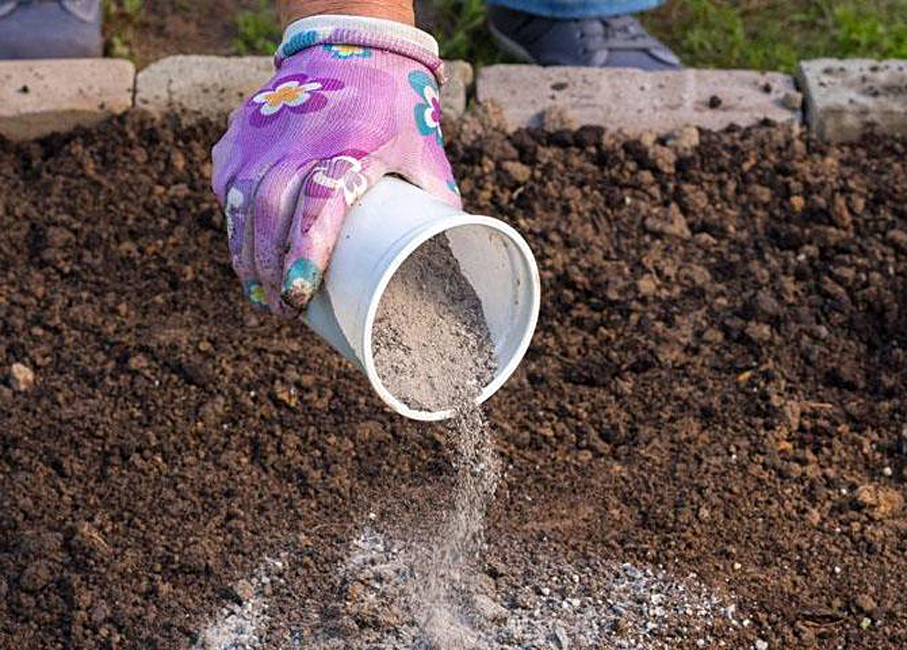
It's good to feed seedlings with wood ash extract, but don't get carried away; it's best to do this no more than twice before transplanting to their permanent growing location.
To increase yield and improve the fruit's flavor (add sweetness), spray tomato stems and leaves with an ash extract containing boric acid during flowering. To prepare, add two cups of ash to two liters of hot water, let it steep for two days, then drain or strain. Dilute the resulting extract with more water to bring the volume to 10 liters, and add 10 grams of boric acid.
Some vegetable growers mix an ash solution (2 liter jars + 10 liters of water) with 10 g of boric acid and 10 g of iodine, let it steep for several days, then dilute the mixture tenfold and pour 1 liter under each plant. This fertilizing is repeated several times during the season.
Throughout the fruiting period, you can feed your tomatoes by sprinkling a little dry ash around the bushes every two weeks, no more than half a tablespoon. This will also add sweetness to the tomatoes, in addition to strength and health.
To combat flea beetles, mix crushed ash with equal amounts of tobacco dust, then dust the plants several times. To get rid of aphids, treat the plants with a liquid solution. Mix 50 grams of ash and laundry soap thoroughly with 5 liters of water, add 10 grams of urea, and let sit for two days.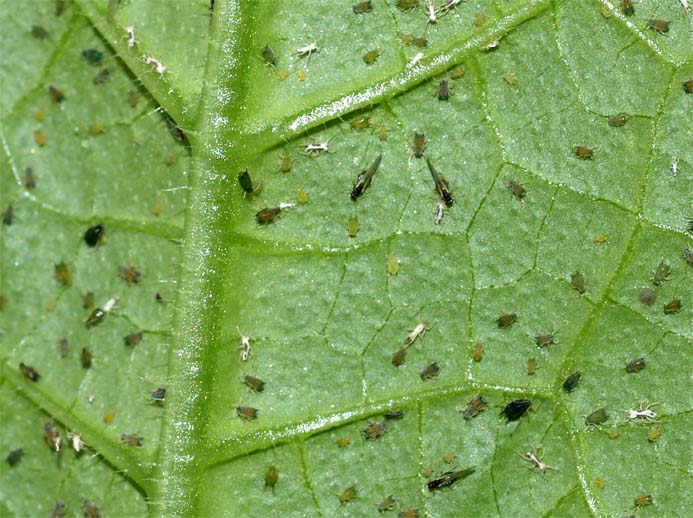
Wood ash can easily replace store-bought potassium-phosphorus fertilizers; it's definitely suitable for tomatoes at all stages of development, from seedlings to ripening. However, potassium chloride and chlorinated water should not be used for irrigation, as chlorine has a detrimental effect on tomatoes. You can make your own ash if you have a sauna or burn a lot of tops and husks. Over the winter, it can accumulate in sufficient quantities to provide beneficial nutrition for tomatoes.
Video: "Features of Ash Fertilizer"
This video will show you the benefits and features of ash fertilizers.