
Features of fertilizing tomatoes during fruiting
Content
Why fertilize?
The goal of every tomato gardener is to produce a bountiful harvest of delicious, sugary fruits. But is this possible without fertilizer? Some gardeners believe that tomatoes in fertile soil don't require fertilizer, and their opinion is valid. 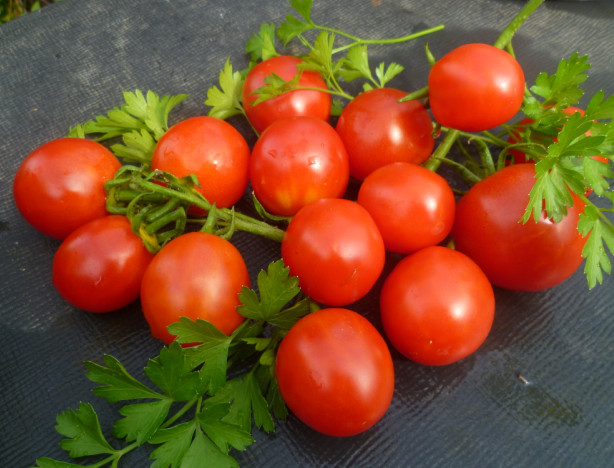 However, to obtain a high-quality harvest in full, it is recommended to carry out at least three scheduled fertilizing sessions during the season:
- the first one 10-15 days after planting the seedlings in the ground - this feeding is carried out in order to support the plants during the adaptation process and help them build up root mass;
- the second scheduled feeding should be carried out before or during flowering - it promotes the setting of more fruits;
- The last scheduled feeding is carried out in order to improve the taste of the fruit and increase the yield.
Since tomatoes draw a lot of nutrients from the soil during ripening, you can water the plants with light organic solutions every two weeks until the entire crop is ripe. At each stage of growth, tomato plants require specific micronutrients and macronutrients, and if they don't receive adequate nutrition, the plants will slow down or, worse, become diseased.
Greenhouse tomatoes are particularly sensitive to nutrient deficiencies. Excessive humidity and high temperatures promote the growth of foliage on the vines, but this negatively impacts fruit production. To ensure that greenhouse tomatoes produce fruit, they must be fed not only according to the plan, but also additionally before flowering and then throughout the fruiting period.
Video "How to Fertilize"
This video will show you how to properly fertilize tomatoes.
Fertilizing after planting in the ground
During the first two weeks after planting, the plants establish roots and adapt to the new conditions. This will then begin a period of intensive growth and root formation, so the primary nutrients young seedlings will need are nitrogen and phosphorus. Nitrogen provides a powerful boost to growth and vegetative development, while phosphorus promotes the development of a strong root system.
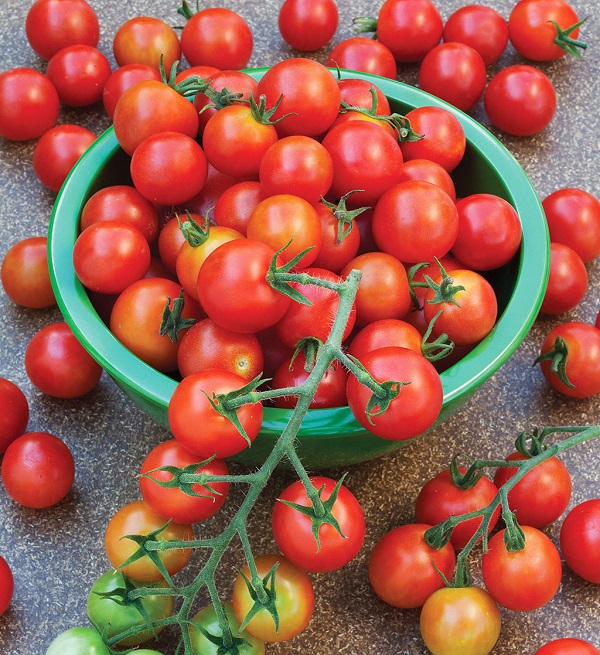
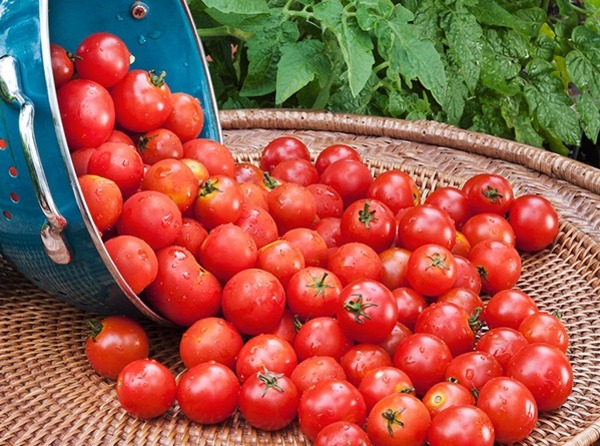
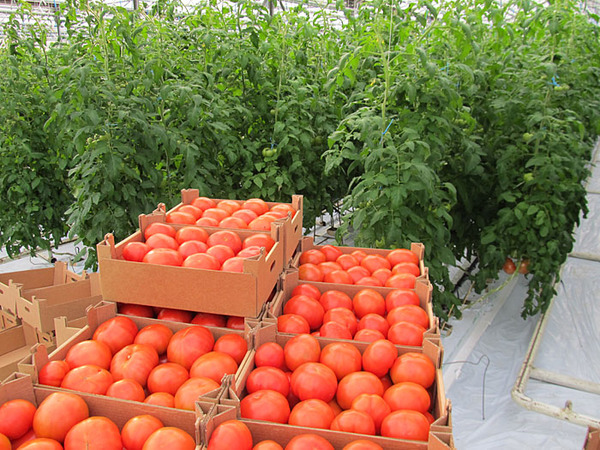
At this stage, it is recommended to use a liquid organic complex in its pure form or with the addition of mineral fertilizers to feed tomatoes:
- A mullein-based solution. To prepare, you'll need: 1 liter of manure, 0.5 cups of ash, 1.5 tablespoons of superphosphate, and 10 liters of water. Mix all ingredients and apply to the root of seedlings at a rate of 0.5 liters per plant. Apply the fertilizer after a thorough watering, otherwise it can burn the roots.
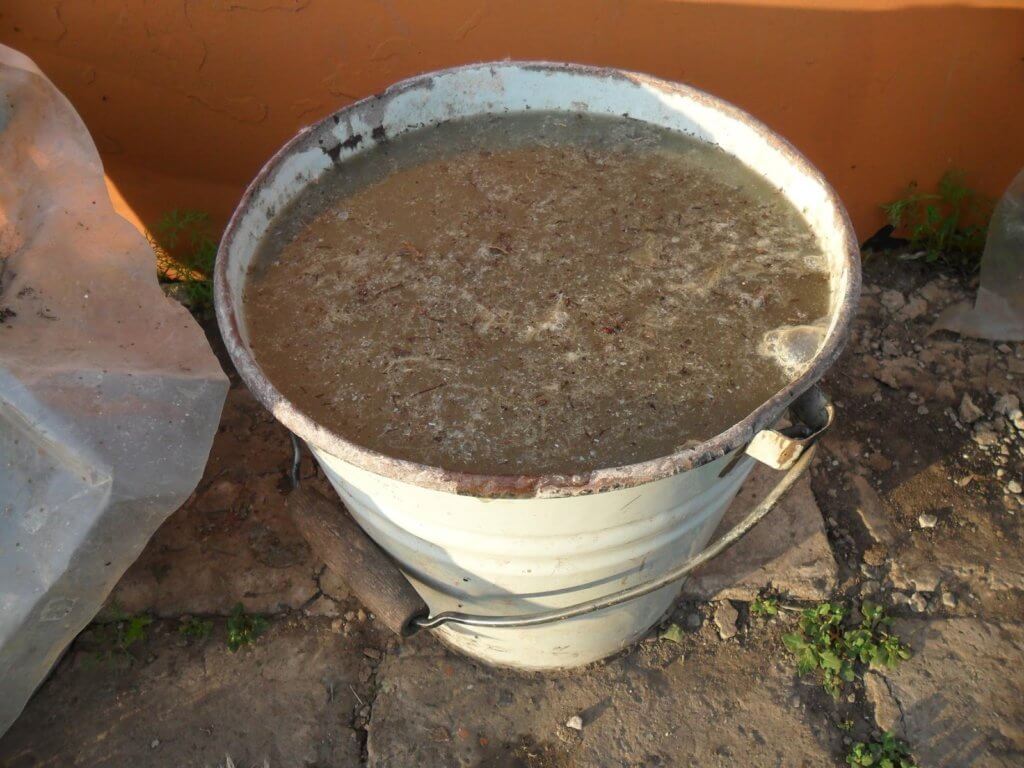
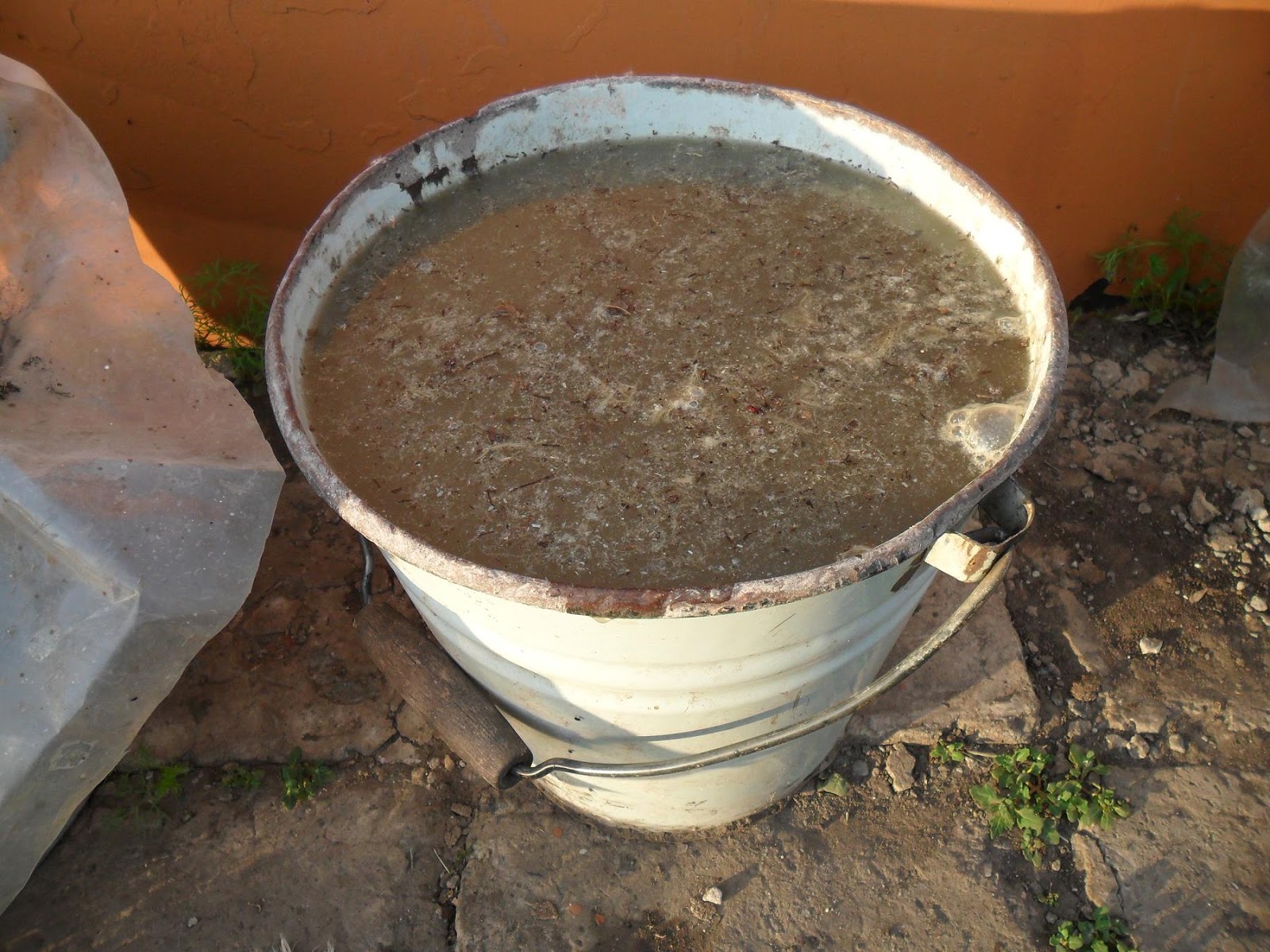
- A manure-based solution. Prepare as follows: add 1/3 of a bucket of dried manure to a bucket of water and let it steep for a week, stirring daily. The fermented solution is diluted with water 1:10 and applied to the roots at a rate of 1 liter per plant. If the seedlings are weak, repeat the application after 10 days.
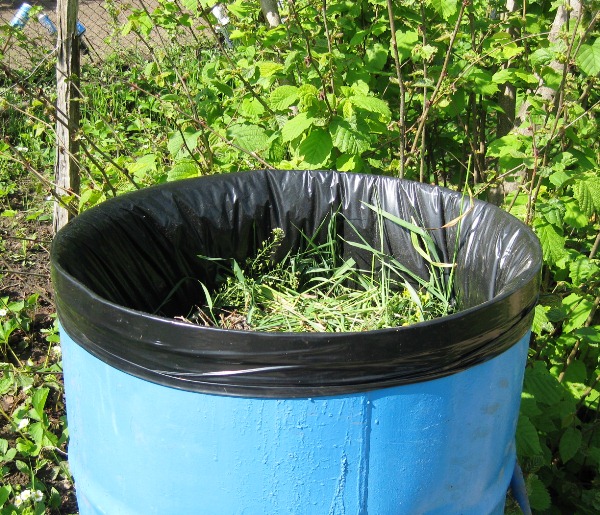
- Green tea is the most effective, all-natural nitrogen fertilizer for tomatoes. To prepare it, chop 5 kg of grass or any weeds, add 50 liters of water, then add a cup of ash and a bucket of mullein. Mix all ingredients in a large barrel and let it steep for about two weeks (until the fermentation process is complete). Then dilute the solution with water to a volume of 100 liters and use it for watering, 2 liters per plant.
It is important to know that before applying any fertilizer, it is advisable to water the soil thoroughly - this will protect young roots from possible burning and will speed up the absorption of nutrients by the root system.
Fertilizer during flowering
By the time buds begin to form, plant growth slows, so it's important to know how much and what to feed tomatoes during flowering. At this time, plants need more potassium and phosphorus fertilizers, while nitrogen should be minimized. So, when choosing a complete fertilizer containing potassium and phosphorus, pay attention to the nitrogen content and choose those with minimal or no nitrogen concentration.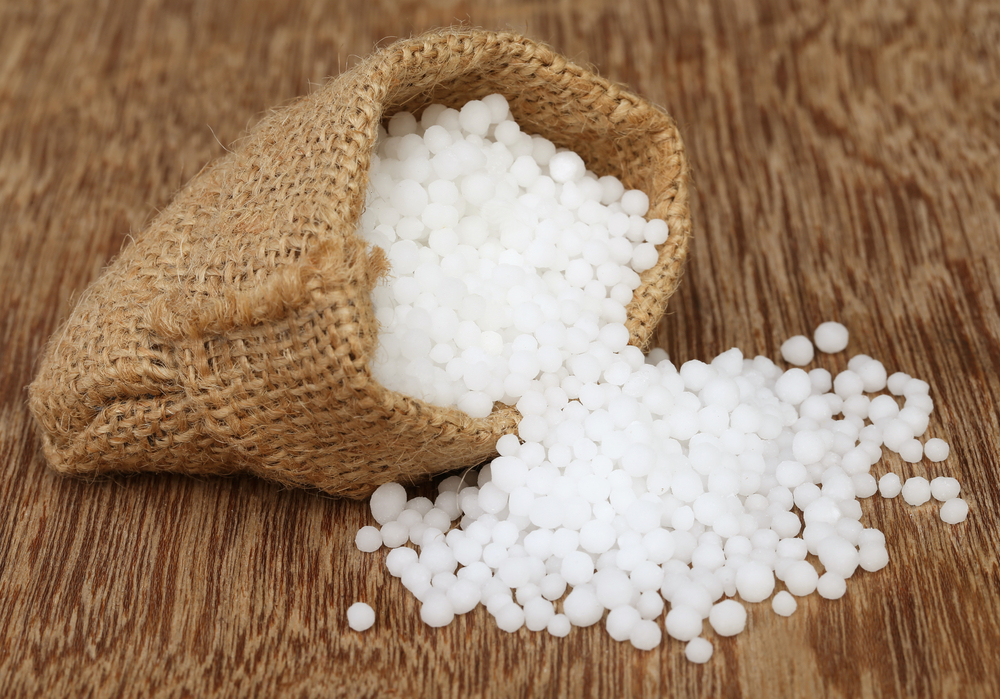
Superphosphate is considered the most beneficial mineral fertilizer for tomatoes, including the famous "extract" made from it, which many gardeners use for top dressing. However, it's important to remember that mineral mixtures are recommended to be applied no later than 1.5 months before harvest, so use natural and safe folk remedies:
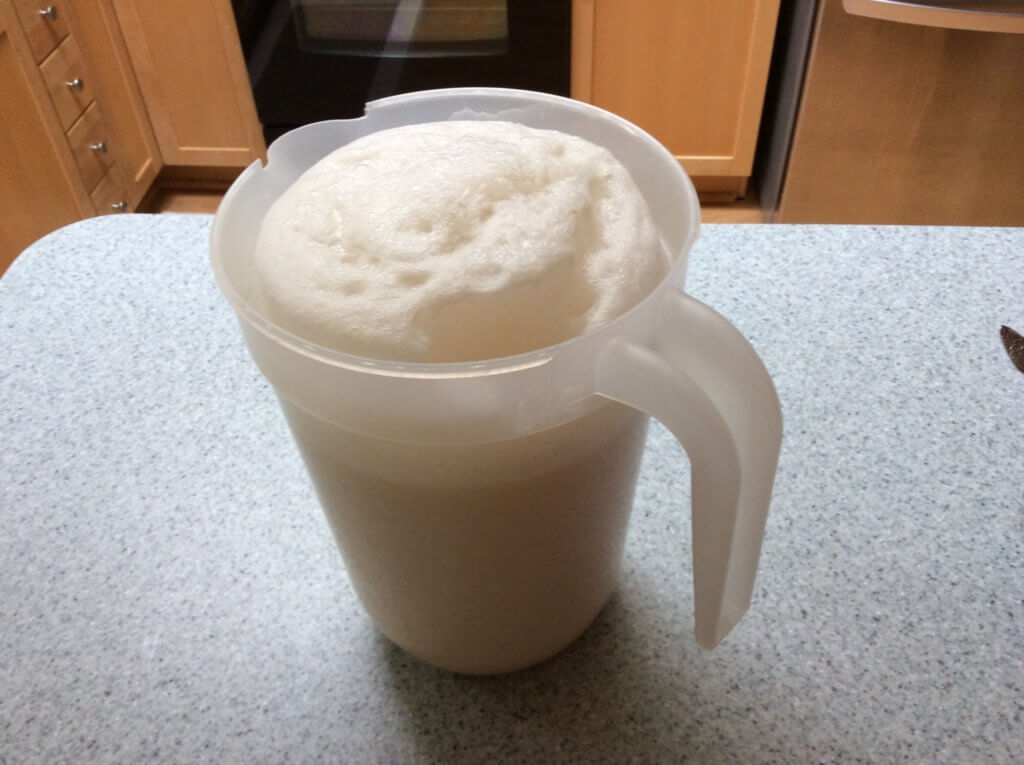
- Yeast fertilizer. Ingredients: 10 liters of water, 10 g of dry yeast, and a couple of tablespoons of sugar. Mix all ingredients and let sit in the sun for 2-3 hours. Then cool the solution, dilute it with water 1:10, and use it for watering.
- Milk fertilizer. You will need: 4 liters of water, 1 liter of milk, and 15 drops of iodine. Mix everything together and spray the bushes in the morning or evening. This product stimulates fruit set and prevents late blight.
There are many ready-made products that can also be used to fertilize tomatoes during fruit set. The simplest and most readily available is boric acid. It is recommended to spray the bushes with a solution of 5 g per 10 liters of water during bud break. Products such as Bud, Ovary, Ideal, Senor Tomato, and Epin promote more active fruit set.
What to feed during the fruiting period
Some gardeners are inclined to avoid over-fertilizing vegetables before harvest, while others believe that fertilizing should be done more frequently during this period to ensure tomatoes receive all the nutrients they need. Those seeking higher yields and accelerated ripening can use nitrophoska or superphosphate with sodium humate as fertilizer. To prepare a nutrient solution, dissolve 2 tablespoons of superphosphate or nitrophoska and 1 teaspoon of sodium humate in 10 liters of water. Dissolve the crystals completely in the water, then water the tomatoes at a rate of 5 liters per 1 m² of bed.
Organic farming enthusiasts can speed up tomato ripening using organic solutions based on ash, iodine, boron, manganese, and other beneficial elements. An ash-based solution is considered the most common method for increasing tomato yields.
To make it, dissolve 2 liters of ash in 5 liters of boiling water. After cooling, bring the volume to 10 liters. Then add 1 bottle of iodine and 10 g of boric acid, and let it sit for 24 hours. Before watering, dilute the solution again in a ratio of 1:10. The application rate is 1 liter per plant.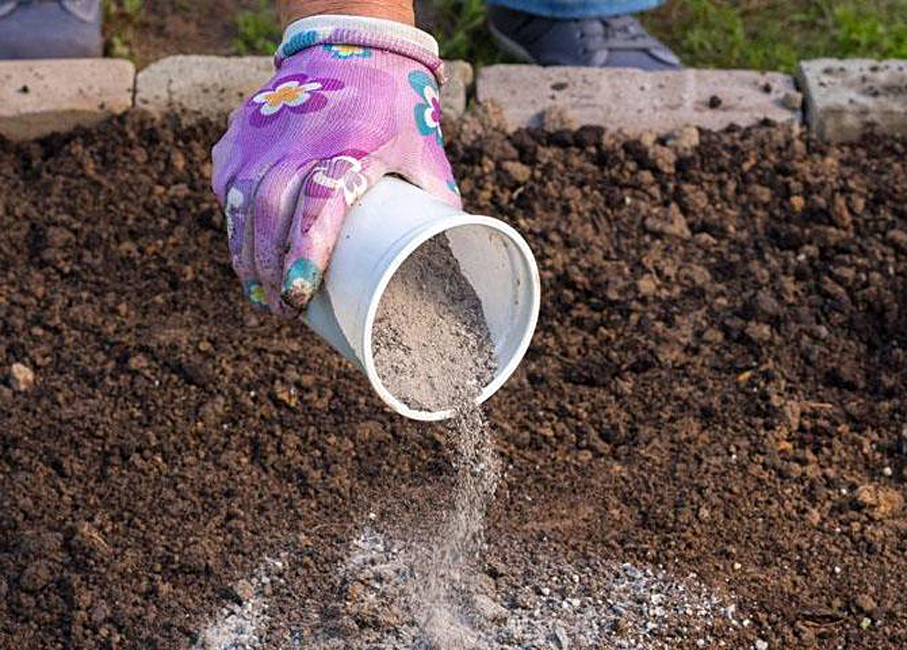
For greater effectiveness, organic fertilizers can be combined with ready-made products such as Kemira, Rastvorin, and other fruit formation stimulants. First, prepare a regular solution of liquid mullein or manure, then add 1 gram each of potassium permanganate, copper sulfate, and 1-2 tablespoons of one of the above-mentioned products. These simple and effective fertilizers can increase the yield and improve its quality.
Video "Yeast Feeding"
This video will show you how to feed tomatoes with yeast.