
How to fertilize tomato seedlings at home
Content
Why feed?
You can feed tomatoes with either store-bought fertilizers or homemade ones.
The purpose of a fertilizer depends on its composition. Some fertilizers promote growth or fruit ripening, others are used for disease prevention, and still others simply provide minerals to plants to improve their growth.
Determining the need for fertilizing your plants is easy: just observe them carefully. The plant's appearance will reveal any deficiencies.
If the leaves of planted seedlings have begun to turn pale, and the green veins on them have become even more visible, these plants need iron fertilization.
Fertilizing tomato seedlings is also necessary for plants whose leaves are wilting, drying out, and falling prematurely. You may also notice a slowdown in growth. If the cause isn't due to poor care, nitrogen fertilizers will help.
Have your seedlings turned purple? You need to apply phosphorus fertilizer.
These observations are universal: they will help you understand the needs of tomatoes at any stage of their cultivation.
When to start feeding
It's best to begin fertilizing plants when the first leaf appears. This fertilizer is especially effective if growing conditions are less than ideal. However, it's worth noting that this type of feeding is not necessary for tomato seedlings.
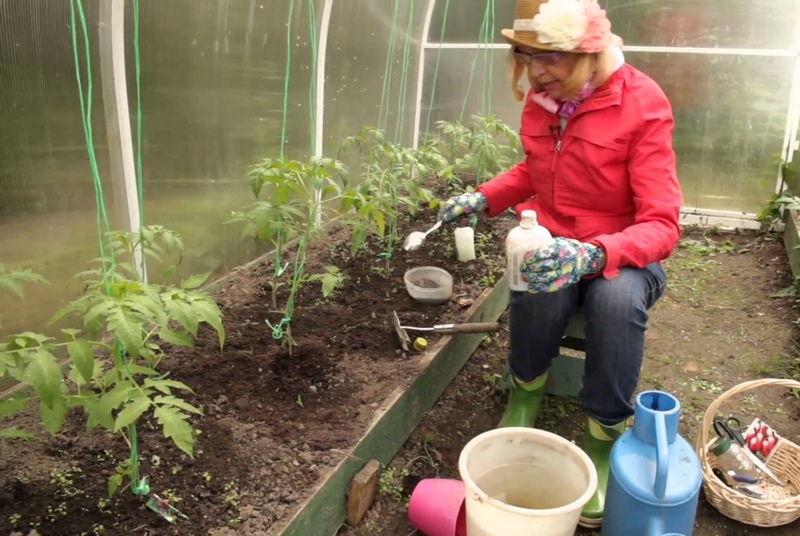
Later, as the plants grow, they will need to be pricked out. This involves "planting" each plant in a separate hole. After about 12 days, the tomatoes should be fertilized again. If pricking out is not done, the second fertilization should be done after the third leaf appears. After 10 days, a third fertilization can be given. The fourth fertilization of tomato seedlings should be done a couple of days before transplanting into open soil.
The amount of fertilizer required depends directly on the growing conditions. Two treatments are essential: feeding the plant when the third leaf forms and 10 days after the first feeding. After that, to promote better growth, the plant can be watered with a mineral solution every 10-12 days. Regular monitoring of the plants is also essential.
Video: "First Fertilizing of Tomatoes After Planting"
The author of the video talks about how and what to feed newly planted tomatoes with.
What to use for feeding
There are many options for preparing fertilizer at home, so every gardener can choose the one that is most convenient for them.
Yeast
Yeast is an excellent home fertilizer option for many crops. However, frequent use is not recommended. It's sufficient to apply yeast no more than three times per season. The first application should be made when buds appear, and the next application should be made after 20 days of tomato growth in open soil.
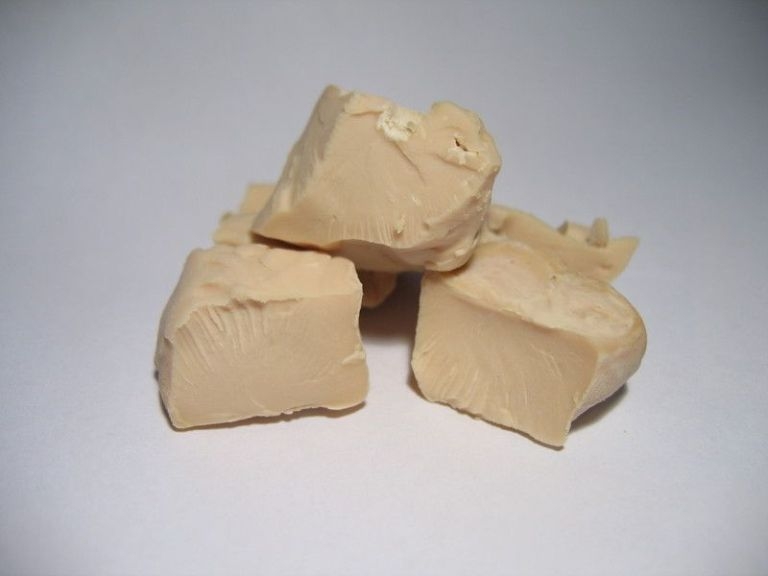
Yeast has a very positive effect on the crop. It improves tomato growth and strengthens them by thickening the stems and roots.
To get the most out of your fertilizer, you need to prepare the yeast solution properly. Simply dissolve a packet of yeast in a bucket of warm water. Once the mixture has steeped, you can water your vegetables.
Mullein
You can feed tomatoes with mullein. This fertilizer is also used in small quantities when planting seedlings. A small amount of manganese can be added to the solution, which will enhance its effectiveness. Each plant requires a couple of liters of the mixture.
Wood ash
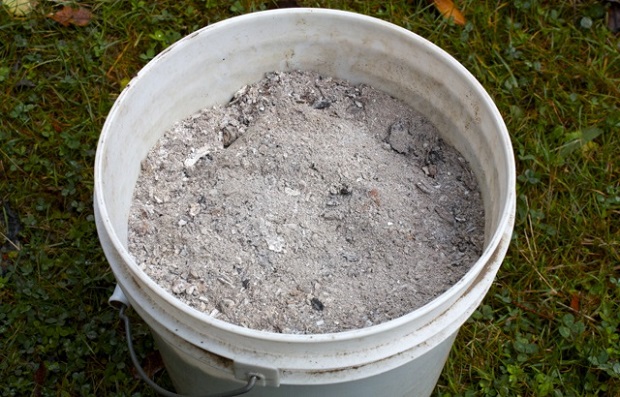
Wood ash is often used to feed tomatoes at home. However, this material is best used as a supplement rather than as a primary fertilizer. Ash is most productive when used in greenhouse tomato cultivation.
Iodine
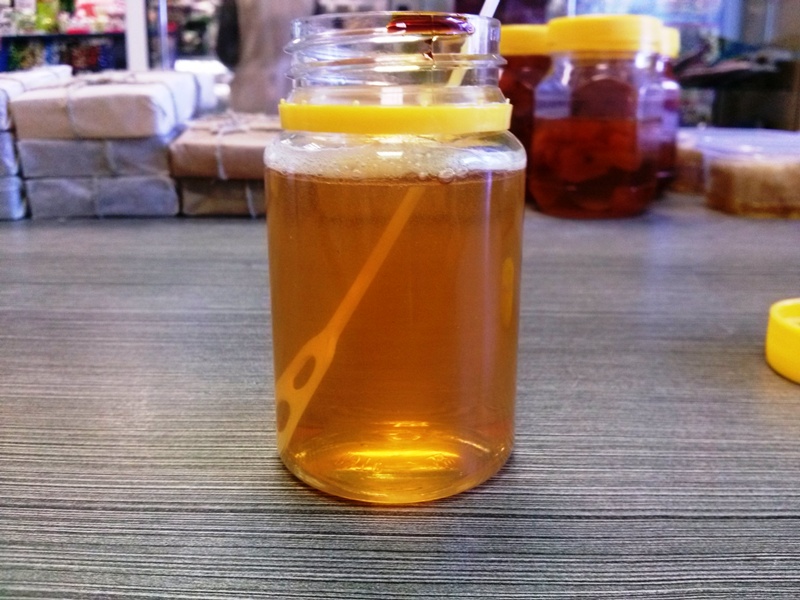
It's recommended to water the plant with iodine every couple of weeks. This solution is used to strengthen the plant's stems. To prepare the iodine solution, dissolve 10 drops of iodine in a bucket of water and add potassium and phosphorus. Pour up to half a liter of the mixture onto each plant, avoiding contact with the fruit and leaves. These organs do not tolerate iodine well, and the plant may die.
Manure
Manure remains the most popular fertilizer, with versatile uses. It can be purchased in both chemical and natural varieties. Natural manure, which can be prepared at home, is preferable. To prepare the solution, dilute a bucket of manure in 30 liters of water and let the mixture steep. After two days, the prepared solution can be used, ignoring the "specific" odor. Half a bucket of fertilizer is required for each bush.
To ensure your tomatoes receive adequate nutrition, you can set up a drip irrigation system. This has several advantages:
- Tomatoes don't like insufficient moisture, so this system will ensure adequate watering.
- The fertilizer will be supplied to the plants in measured doses and in the same amount for each bush.
To create a drip irrigation system, simply place a hose with holes drilled at equal distances from each other between the bushes.
Urea
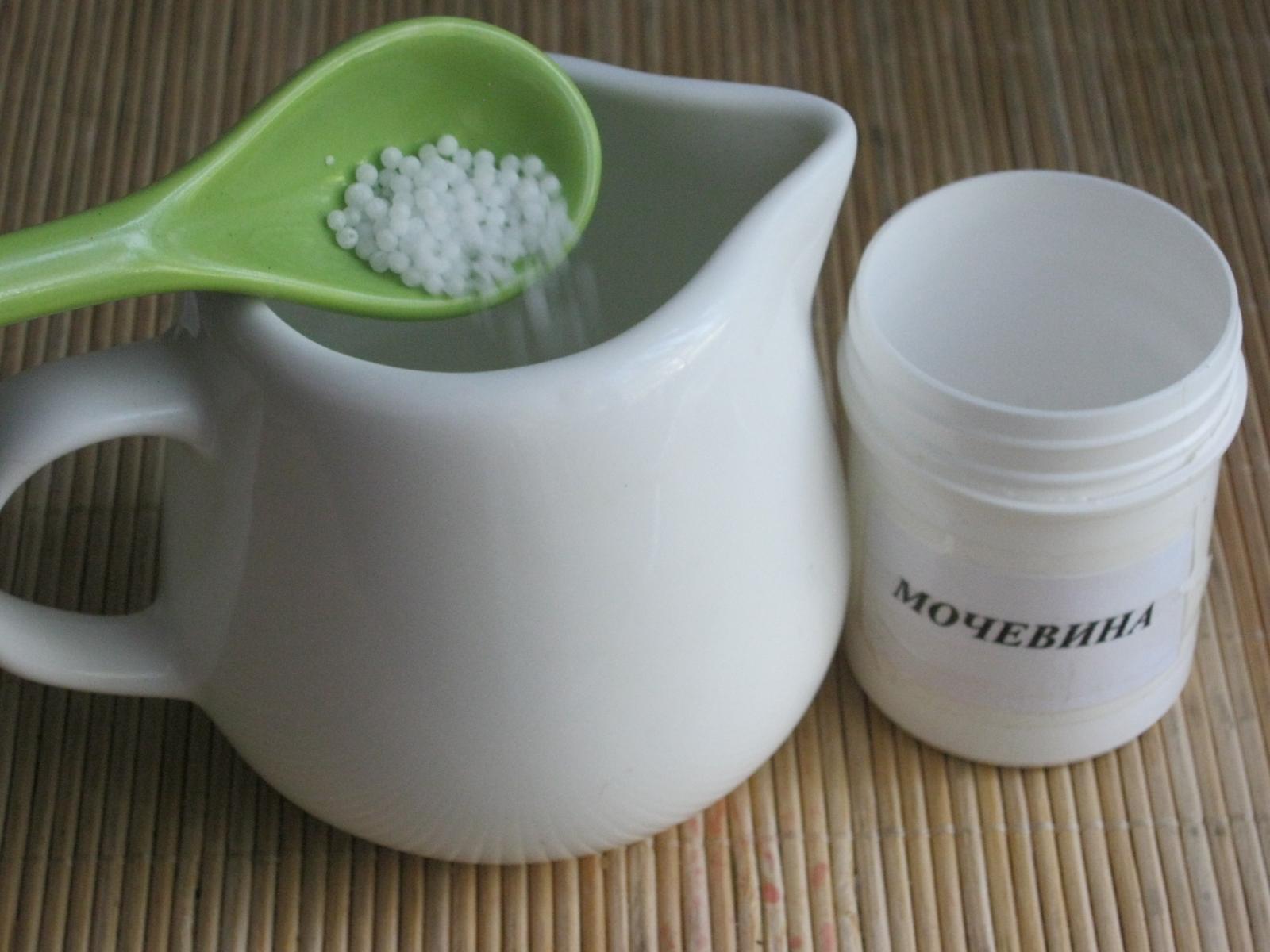
During the initial stages of growing tomatoes, urea can be used as a fertilizer. Mix it with superphosphate and water the plants with the solution at the roots when transplanting them outdoors. This will help the seedlings adapt more quickly to the new growing conditions and begin producing their first fruits earlier.
When fertilizing with urea, be aware that it does not interact well with other fertilizers. Therefore, do not feed plants with other fertilizers while using urea.
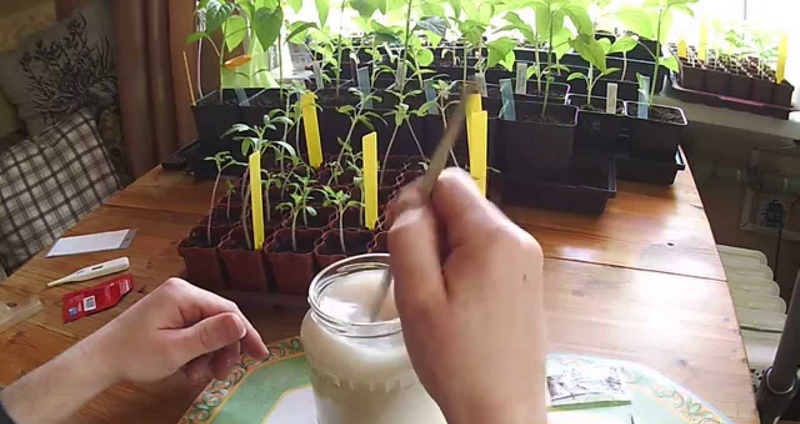
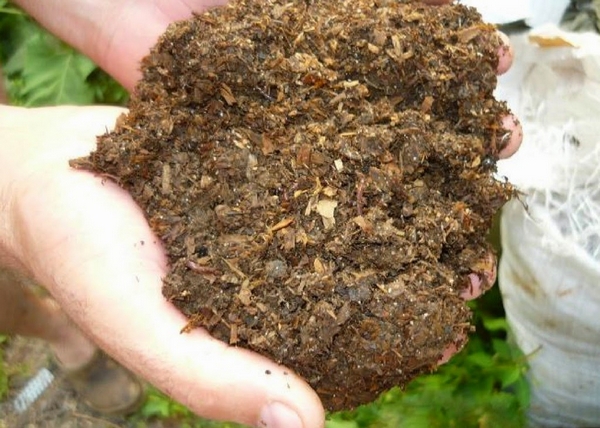
A bountiful tomato harvest isn't just about excellent seeds. Plant care is also crucial. Nutritious feeding of the seedlings and soil is a crucial component. After all, a sweet harvest in a short time is only possible by growing in mineral-rich soil.
Maintaining the correct fertilizer ratio for tomatoes is crucial. Only then will the fruits be fragrant, juicy, and sweet.
Video: "Increasing Tomato and Cucumber Yields by 20-30%. Boric Acid Fertilization."
The video explains and demonstrates how to feed tomatoes and cucumbers using boric acid.