
All about fertilizing tomatoes in open ground
Content
General care rules
A bountiful and delicious tomato harvest can only be achieved by properly fertilizing tomatoes. Some gardeners ignore the fertilizing process and end up with a less-than-stellar harvest.
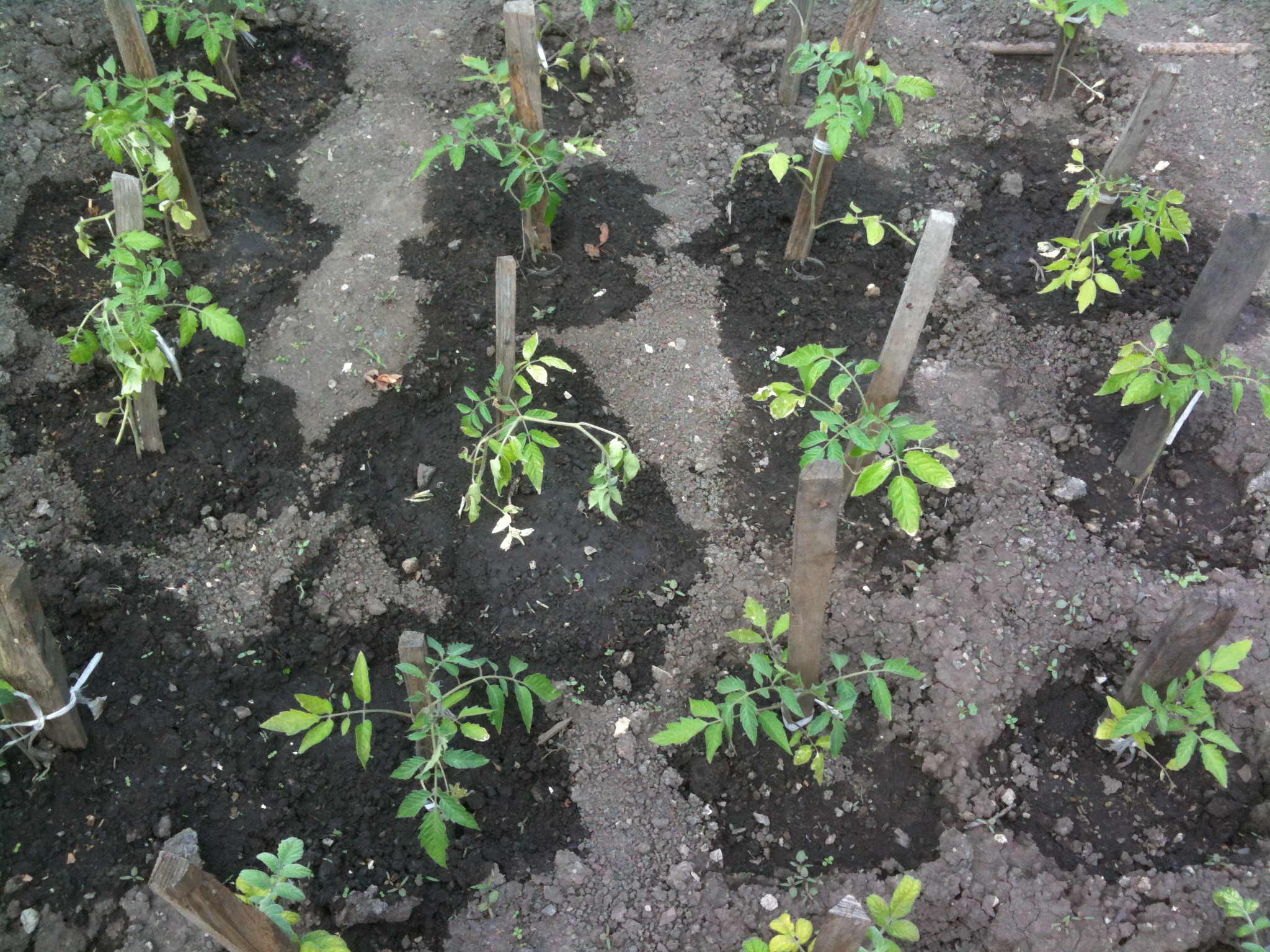
Today, there are many rules for successfully fertilizing tomatoes in open ground. Here are some of them:
- Fertilizing crops should only be done in the morning or evening. Vegetables should not be fed during the day.
- Vegetables need up to six fertilizations per season. Tomatoes require a variety of nutrients throughout their development.
- The first fertilization should be done with nitrogen-rich substances that promote green growth. The first fertilization period is easy to determine based on the condition of the plants. However, it's important to remember that fertilizing should not be done earlier than 21 days after planting. If the seedlings are visibly wilting, there's no need to wait a week.
After a few days (3-4), the plants can be watered with a urea solution, diluted at a ratio of 1 tablespoon per bucket of water. The solution should be applied at the base of each plant. If the seedlings have taken root well, over-nurturing them is also not advisable. In particular, avoid over-fertilizing vegetables with nitrogen, as this can cause the tomatoes to become overfed. - After 21 days of outdoor growth, the tomatoes should be watered with a solution of mullein and chicken manure at a rate of 0.5 liters per bucket of water. You can also add a tablespoon of urea to the mixture.
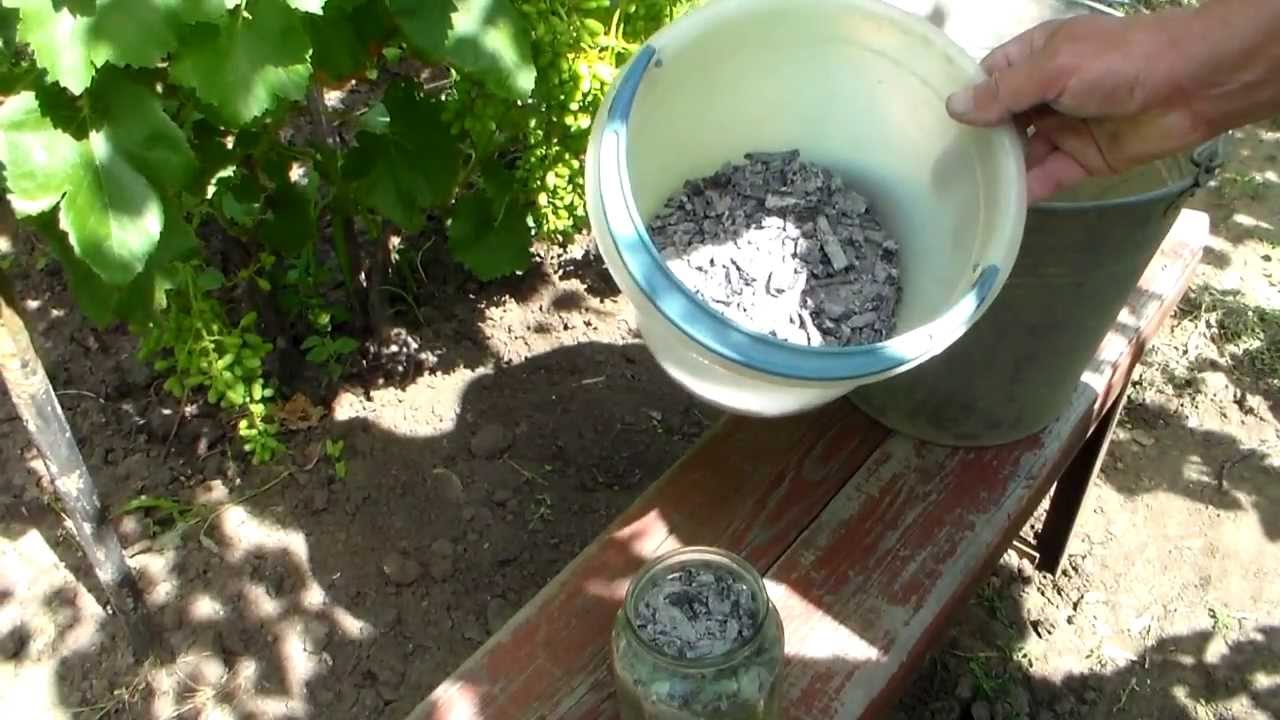
- The next fertilization is done when the first flowers appear, when the plants need potassium. Tree ash can be used as a fertilizer. Dig holes along the beds and fill them with ash, then bury them. This type of feeding is insufficient for tomatoes. It's advisable to provide additional watering with a chicken manure solution (half a liter of manure per bucket of water).
- Fertilize vegetables in open ground for the third time when flower clusters appear. Potassium humate is an ideal fertilizer.
- The fourth plant feeding occurs two weeks after the third superphosphate application. One bucket of the prepared solution is used per square meter of area.
- All the tomato fertilizing described above is essential. The next two can be applied during fruit formation. However, they are usually unnecessary.
Top dressing
There are root and foliar feeding for tomatoes in open ground.
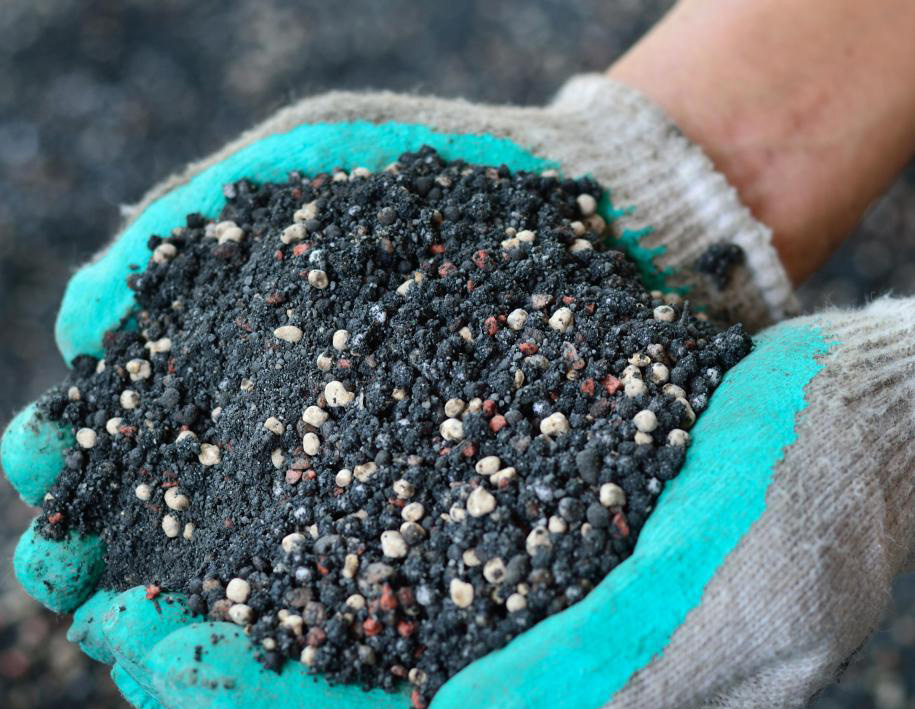
Root feeding is quite popular among gardeners. This method delivers minerals to tomato plants through the roots.
Foliar fertilizers infuse vegetable leaves and branches with minerals. The advantages of this type of feeding include: fertilizer savings and rapid effectiveness. Furthermore, this type of feeding is used to support plants suffering from a specific micronutrient deficiency.
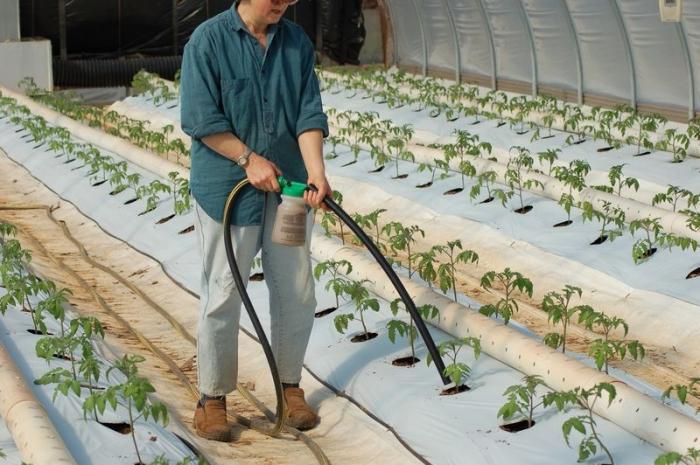
Foliar feeding is less potent than root feeding. Furthermore, the fertilizer applied through the green parts of the plant does not contain chlorine.
Fertilizing tomatoes in the soil involves alternating two feeding methods at the beginning of the growing season. During the second half of the crop's development, it's better to use the root feeding method.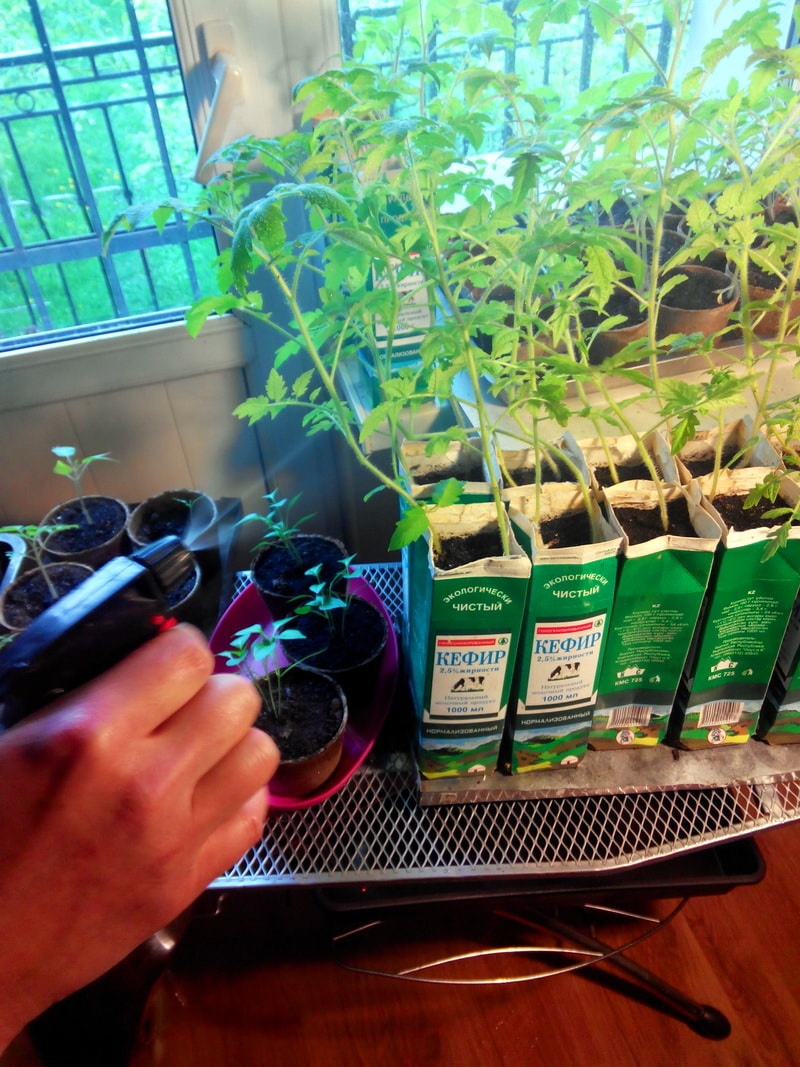
It is recommended to begin fertilizing tomatoes after 7 days of growth in the ground. Foliar feeding options include:
- Milk or whey, iodine and water (in a ratio of 1:10 drops:9);
- The drugs "Zdraven" and "Fitosporin" (dosage according to the instructions);
- 2 liters of whey, half a glass of sugar, 8 liters of water, 15 drops of iodine;
- Birch mushroom, diluted in water until dark in color;
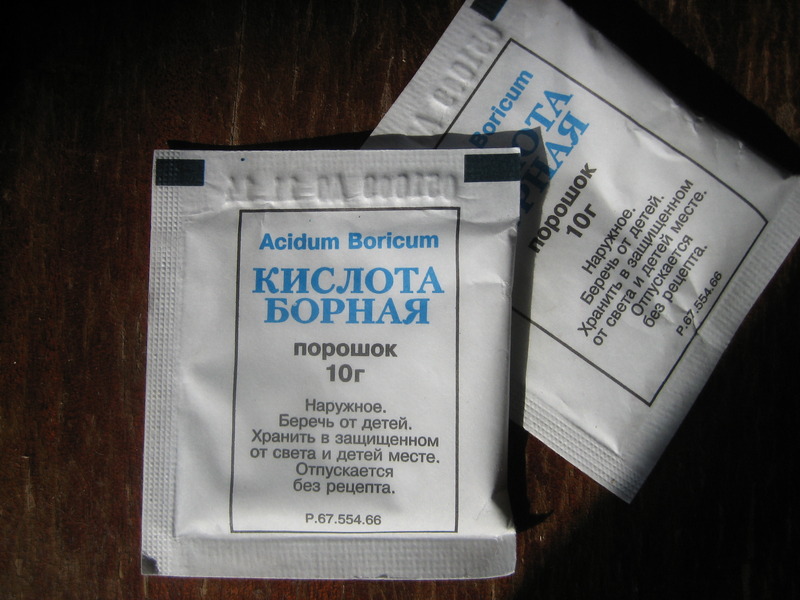
- Boric acid, copper sulfate, magnesia, manganese, grated laundry soap, dissolved in a bucket of water;
- 10 Trichopolum tablets, a bottle of brilliant green, a bucket of water;
- Non-concentrated manganese solution;
- Whey and half a glass of sugar.
All of these fertilizer options are very effective in combating various diseases, including fungal ones. However, they should be used sparingly and judiciously. After all, only proper care will yield good results.
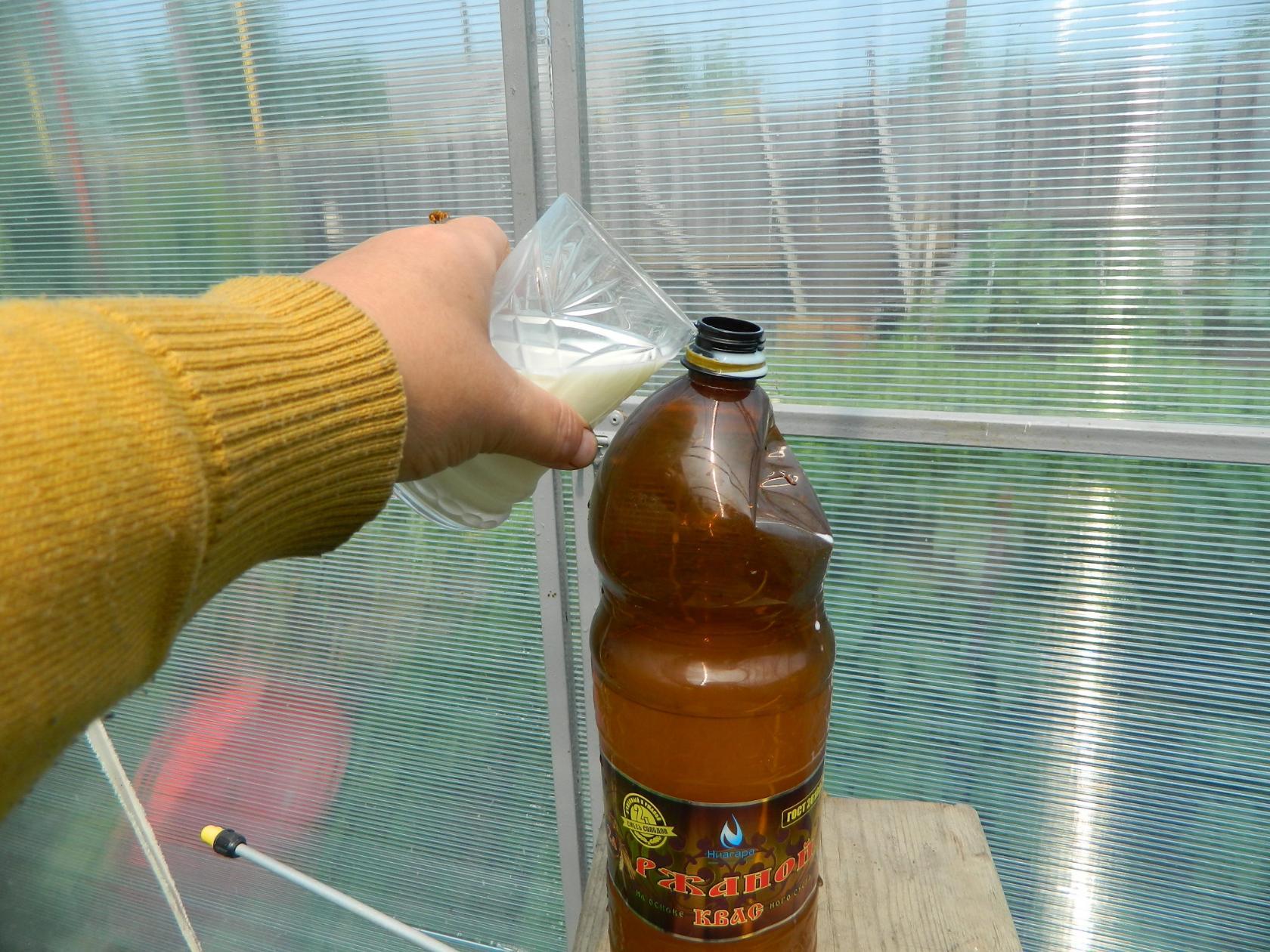
When fertilizing tomatoes, it's best to water them with clean water, preferably rainwater or at least settled water. Fertilizing for the first time should be done after the plant has been growing outdoors for 10 days.
A second fertilizing in open ground is recommended two weeks after the first. The third fertilizing should be done when the first flowers appear. Adhering to the fertilizing schedule will ensure proper care for the vegetables.
The following are the options for root fertilizers:
- A tablespoon of ammonia saltpeter (tincture of chicken manure or cow dung) per bucket of water.
- Mix half a liter of chicken manure, a couple of tablespoons of superphosphate, and a tablespoon of potassium sulfate per bucket of water. Superphosphate is poorly soluble in water, so it's best to begin preparing it 24 hours before use.
- Mix half a liter of chicken manure or cow dung solution with a spoonful of potassium sulfate and seven grams of boric acid. Dilute this mixture in a bucket of water.
- After two weeks, the tomatoes should be fed with a solution of one cup of ash in a bucket of water. This fertilizer contains calcium, potassium, phosphorus, and other micronutrients.
Video: "How to Fertilize Tomatoes. Fertilizing in Open Ground"
A video about what and how to fertilize tomatoes in open ground.
Typical mistakes
Gardeners often make mistakes when growing tomatoes. This is often due to improper actions and a lack of knowledge. What are the typical gardening mistakes that make vegetable care ineffective?
- Incorrect choice of variety and seeds. Experience shows that it's best to grow hybrid tomatoes. They are less susceptible to disease and produce a higher yield than traditional varieties.
- Incorrect planting location. Never plant greenhouse varieties in open ground, and vice versa.
- 24-hour heat and light regimes. Vegetables should receive heat and light in measured doses, without excess.
- Incorrect planting procedure, in particular planting seedlings with flowers.
- Daily watering of tomatoes is contraindicated for this crop. Watering should be sufficient, but not frequent.
- Untimely side-sonning. Remove "extra" leaves and side shoots promptly.
- Promoting the "fattening" of vegetables to the detriment of fruit formation.
- Ignoring disease prevention. Proper care is based on prevention. After all, any disease is easier to prevent than to cure.
- Preparing hybrid seed varieties. Seed preparation for hybrid varieties yields zero results.
As for mistakes when fertilizing vegetables, there are also many. In particular, a common mistake when fertilizing crops outdoors is gardeners' lack of knowledge about the intended use of the raw materials used for a particular fertilizer.
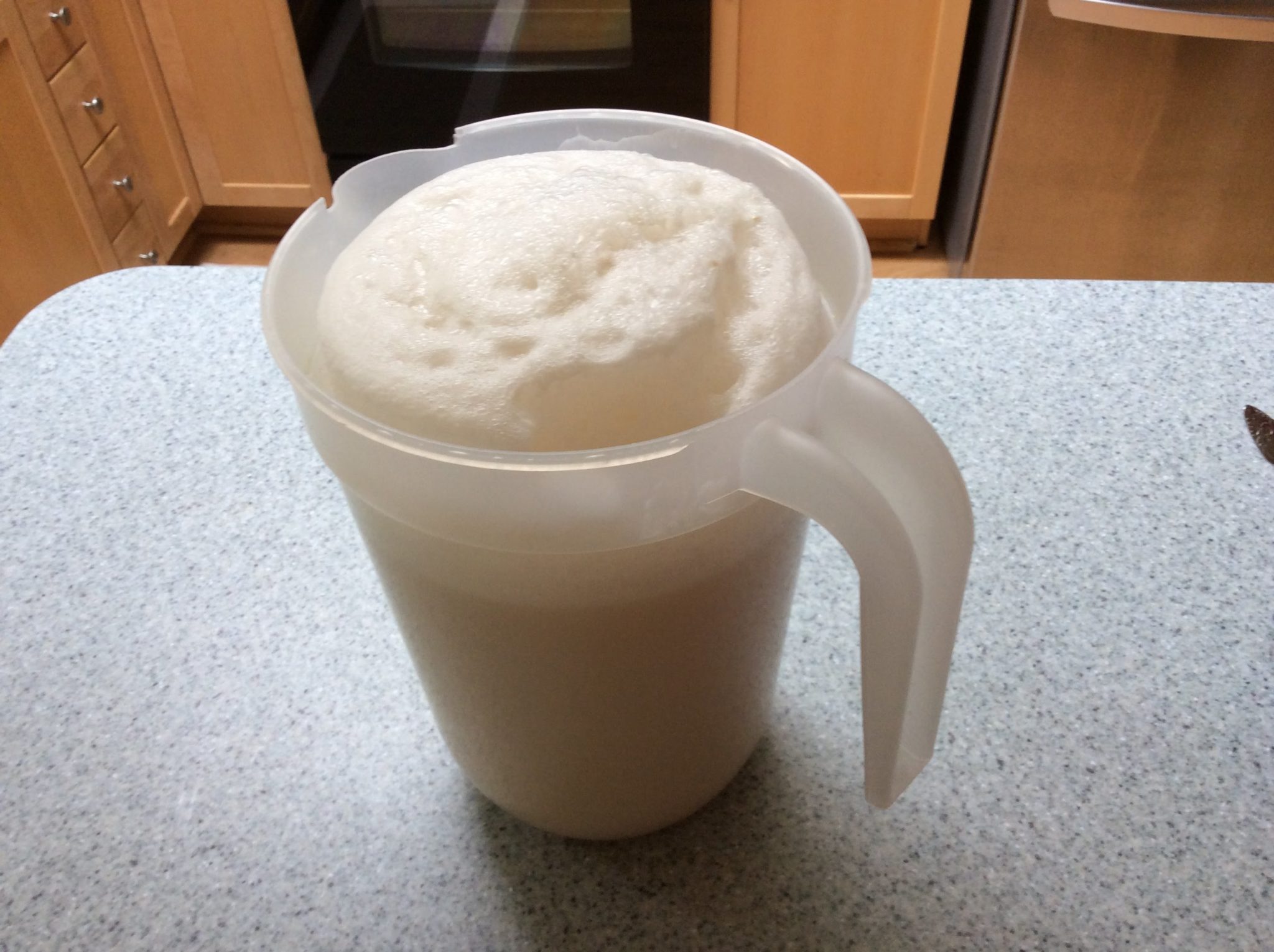
Incorrect use of fertilizers is also common. Depending on conditions, fertilizer can even be harmful to plants.
Failure to adhere to the correct dosage is also a mistake. Over- or under-fertilization will provide little benefit to the crop.
Often, with the best of intentions, gardeners prepare their own homemade fertilizers. Unfortunately, not everyone does it correctly. As a result, such fertilizers cause irreparable damage to vegetables.
Don't be discouraged if you don't get tomatoes right away. These plants require special care. Even experienced gardeners don't always achieve their intended growing goals. Fertilizing is an essential part of growing vegetables. Without this procedure, plant care won't yield the expected results. Therefore, it's important to fertilize your plants according to all rules and recommendations.
Video: "Feeding Tomatoes in a Greenhouse and Open Ground with Nettle Fertilizer"
The author of the video will share with you his technology for feeding tomatoes using nettle fertilizer.