
About feeding tomatoes with yeast in open ground
Content
How to make fertilizer
To ensure good tomato growth in a greenhouse or outdoors, it's important to prepare the proper nutrient mixture. When growing tomatoes, this should be taken very seriously, as this vegetable is a delicate and demanding plant.
Tomatoes primarily require several essential micronutrients to improve plant growth and yield. These include nitrogen, phosphorus, and potassium. These nutrients play a vital role in plant development.
Fertilizers should be added to the soil before planting to enrich the soil with nutrients and distribute them evenly.
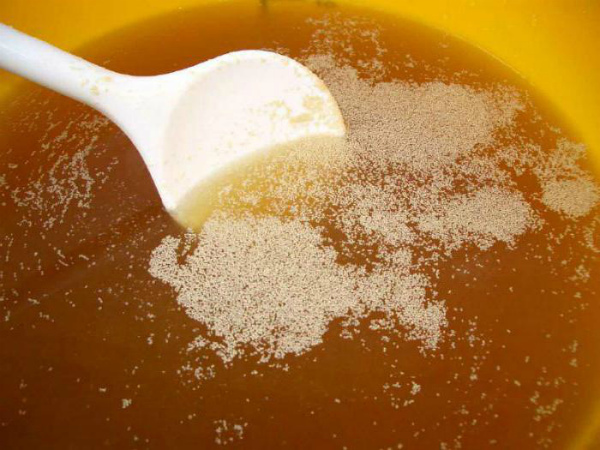
Using yeast requires minimal effort to prepare the fertilizer, and the method itself is very simple. Add 20-25 grams of yeast to one bucket of water (about 10-11 liters). Afterward, mix the mixture thoroughly and let it sit in a warm place for 24 hours to allow it to ferment before planting the tomatoes. If you want to speed up the yeast fermentation process, you can add a few tablespoons of sugar (3 tablespoons is sufficient) to the solution. This will enhance the effect.
Keeping the yeast and water ratios correct, you can fill the barrel with irrigation water and the solution. For every 200 liters of water, there should be 40 liters of yeast solution (4 buckets).
It's also worth noting that yeast can be substituted for regular rye bread in the solution. However, the mixture will need to sit for longer than one day, as fermentation will occur later. Using the soil fertilizer base, you can add food scraps to the barrel, which can introduce other beneficial organic components into the mixture. Fruit and vegetable peelings, old jam, and rotting food can be added to the yeast solution, for example. These can enhance the fermentation process and improve the properties of the mixture.
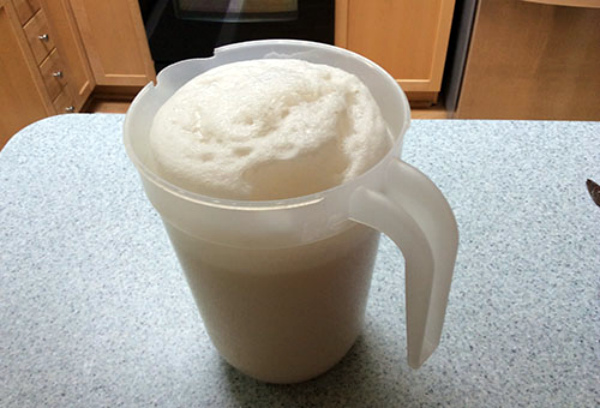
How to feed seedlings
It's worth noting that tomato fertilizing regimens may vary depending on the growing conditions. Seedlings grown in a greenhouse require special attention.
If tomatoes are grown in a greenhouse, they need to be fed generously and frequently. Under these conditions, the plants produce the greatest yield.
The first feeding can be done two weeks after planting the seedlings in the ground. A nitrogen-based fertilizer is best for this. Urea is suitable – 1 tablespoon per bucket of water, then water each plant with 1.5–2 liters.
A week later, you can also reuse urea or liquid chicken manure. Mix it with water at a rate of half a liter of the prepared solution per bucket. After preparing the mixture, pour it into the holes under the tomato plants at a rate of 1.5–2 liters.
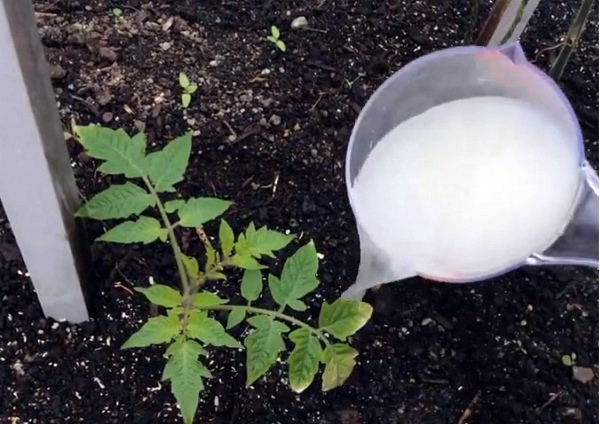
After nitrogen fertilization, a second application can be done when the plants begin to flower. It's best to use potassium at this point. Wood ash and ashes are commonly used as suitable fertilizers. Roll a small furrow along the planted areas and add the ash into it. Afterward, be sure to water the soil in this area.
When tomatoes are grown in a greenhouse, the plants bloom much faster than in the open ground. Therefore, it's important to monitor closely when the fourth cluster blooms. For subsequent fertilization, potassium humate is best. Simply dilute one tablespoon of the substance in a bucket of water. Afterward, water all the plants. A small amount of liquid per plant is sufficient—an average of 5-6 liters per square meter of seedlings.
During the fruit formation and ripening stage, a superphosphate solution can be used. In this case, dilute 2 tablespoons of the solution in two liters of water. After thoroughly mixing, let the mixture sit for one day. Then, add it to a bucket of water and spray the plant's foliage and stems.
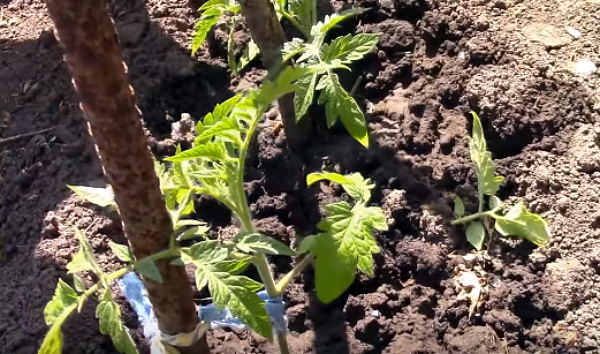
Yeast solution can be used periodically once a week to ensure that beneficial organic substances are evenly supplied to the soil, but not in excess.
Fertilizers in open ground
Fertilizer application rates may vary depending on the tomato variety. It's worth noting that when growing plants outdoors, growth and flowering occur at a different pace than in greenhouses.
Even if you've chosen good soil with a balanced content of essential micronutrients and organic matter, it's best to use fertilizer to improve yields. Yeast mix is one of the best for growing vegetables, as it enriches the soil with oxygen and other beneficial components.
The timing of the first feeding usually varies, as growing conditions and the current condition of the seedlings vary. Three to four days after planting, the seedlings can be watered with urea. The solution is no different from that used for watering tomatoes in a greenhouse (1 tablespoon per bucket of water). However, it's important to remember that if the plants have plenty of foliage and the seedlings are in good condition, there's no need to further enrich the soil with micronutrients. Otherwise, foliage growth will increase, but fruit set will be significantly reduced.
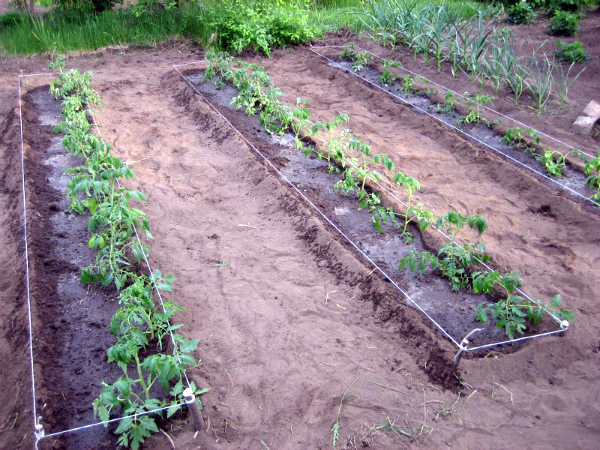
After transplanting plants into open ground, do not pre-water them with yeast solution. Since the seedlings need time to acclimate to their new location, it's best to fertilize them after a week. Yeast fertilizer works well for this purpose.
After three weeks, you can already water with a solution of mullein or chicken manure.
For mature plants with ovaries, you can use a more concentrated yeast mixture. Ash and chicken manure can also be added to the mixture to improve its properties. Alternatively, alternate fertilizers, applying them to the soil.
If your yeast fertilizer contains chicken manure, it's best to water the plant with a watering can and not directly at the roots. Rainwater, which can be collected in barrels beforehand, is best.
Video: "Super Yeast Fertilizer for Tomatoes and Other Plants"
Use this yeast nutrient mix recipe to help your vegetables, flowers, and trees grow like crazy.