
Secrets of preparing soil for tomatoes
Content
What soil is unsuitable?
The type of soil chosen for tomato seedlings will determine not only the quantity but also the quality of the future harvest. Tomato soil should be loose, light, and well-drained.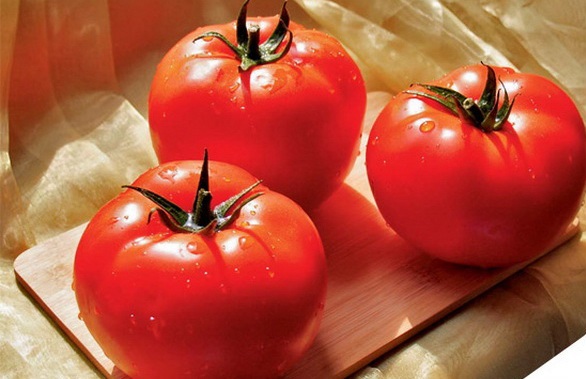
When discussing what kind of soil is absolutely unsuitable for growing tomatoes, there are several key limitations:
- the soil in the tomato bed should not be oversaturated with various fertilizers;
- high soil acidity is not allowed;
- the soil for your tomatoes should not be over-dried or, conversely, over-watered;
- Tomatoes do not like cold soil, as well as those soil mixtures that do not warm up well and do not allow air to pass through.
When planning to grow tomatoes, remember that soil preparation is an important step not only for young seedlings, but also for mature plants.
Video: "Preparing the Soil"
This video will show you how to properly prepare the soil for planting tomatoes.
Soil for seedlings
The best soil for growing tomato seedlings is soil that hasn't been used for anything for the past few years, or that has been used for growing nettles. If such soil isn't available, you can use soil from beds where zucchini, pumpkins, carrots, or cabbage were grown. It's important to ensure that the plants are free of late blight. Ordinary forest soil will do in a pinch.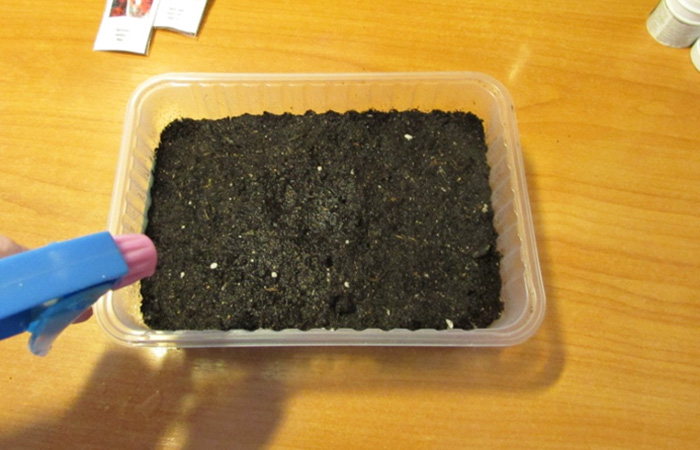
The selected area must be prepared in the fall: remove any remaining plant debris and dig it up thoroughly. If the tomato soil is in a greenhouse, many people prefer to house chickens there for the winter. This way, by spring, the soil will be soft and loose, well-fertilized, warm, and sterilized from parasitic insects. Once the chicken colony leaves the greenhouse and the litter is removed, you can begin growing.
Preparing soil for seedlings
Preparing the soil in a greenhouse for tomatoes in spring involves a whole range of activities that should ultimately lead to the following set of characteristics:
- good soil should not contain seeds of other crops, including weeds;
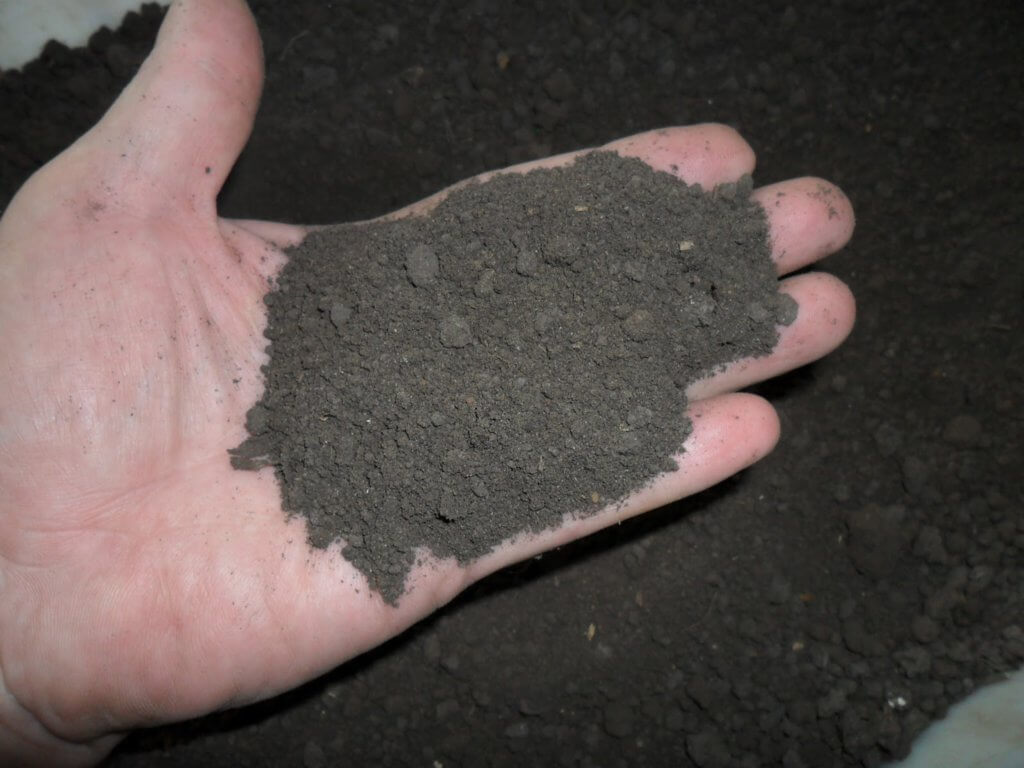
- the soil should not contain pests, larvae or pathogens of dangerous diseases;
- the soil for tomatoes simply must have the ability to retain moisture well;
- choose soil with a normal acidity level;
- the composition of a tomato bed should include vermicompost and mineral nutrients;
- Tomatoes prefer the presence of sand and other loosening components (for example, ash) in the soil.
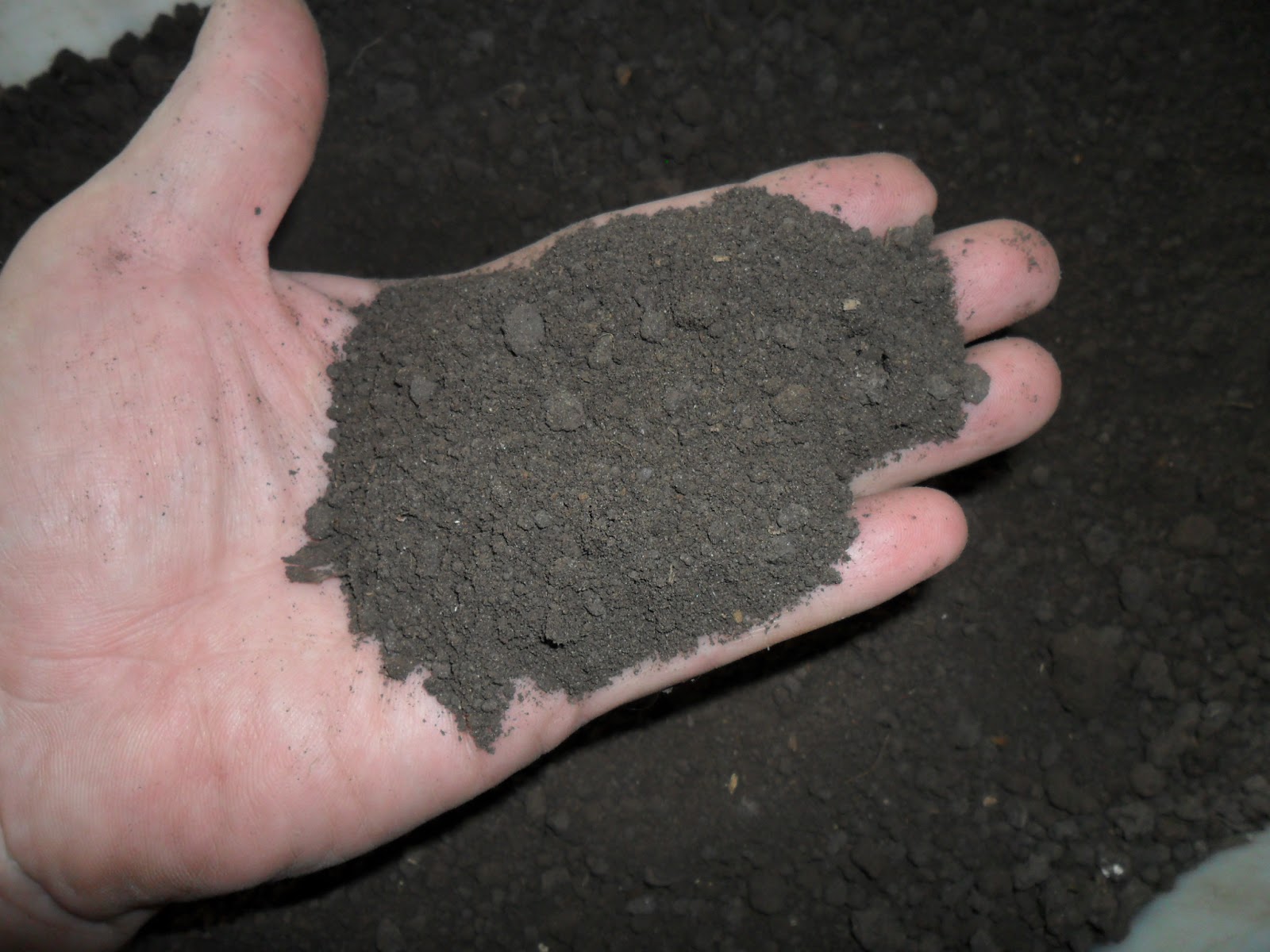
Incidentally, today's gardening stores sell specially prepared soil mixtures ideal for growing tomatoes. While it's unlikely you'll be able to acquire enough soil for mature plants, you can certainly provide it for tomato seedlings.
But if you don't want to spend extra money on soil, you can prepare a suitable mixture yourself. You'll need: peat and turf, taken in a ratio of 3:1, sawdust, cow dung, and peat (1:3), sand mixed in equal parts with peat, and soil, manure, and ash (3:1). 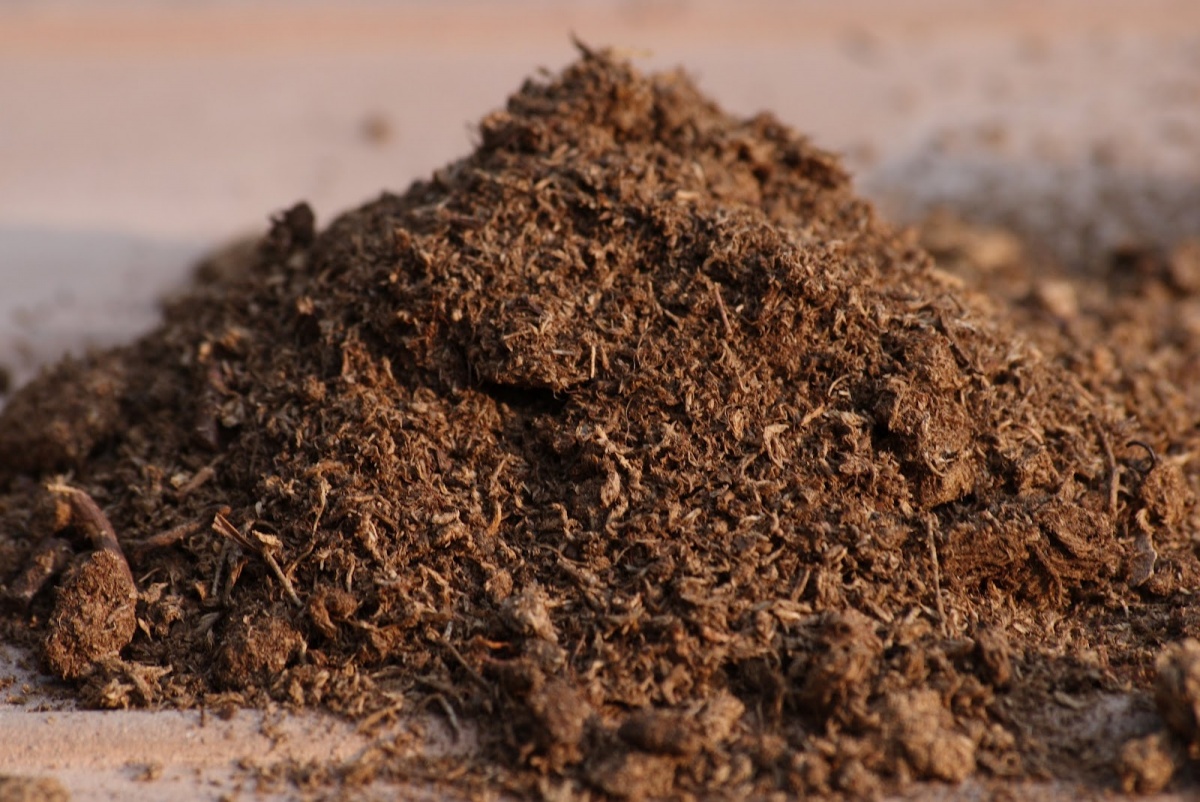 This composition is perfect for your tomatoes; they will receive all the necessary nutrients, develop fully, and ultimately delight you with a generous harvest.
Preparing soil for seedlings
To ensure your seedlings thrive and develop quickly, it's not enough to just prepare the right soil mixture; it also needs to be properly prepared. To do this, you'll need to go through several steps:
- Sifting the soil. This procedure completely removes large particles and aerates the soil. Furthermore, this process makes the soil light and loose, ensuring minimal damage to the seedlings' root system during transplanting.
- Low-temperature treatment. Before sowing tomato seedlings, it's recommended to briefly freeze the prepared soil—this will help kill pest larvae and pathogens. However, the best soil is one that has been exposed to varying temperatures throughout the winter: periodically take the container of soil out into the cold, then bring it back into a warmer environment after a while.
-
Once the soil has completely warmed up, compost, urea or manure should be added to it.
You can add a small handful of wood ash and a little superphosphate to the mixture, according to the recommendations on the product packaging.
The next step is treatment with a weak solution of potassium permanganate, at a rate of 3 grams of crystalline powder per 10 liters of water. Alternatively, you can skip this step and simply steam the soil. To do this, stretch a thick cloth over a large pot, pour the soil into it, and hold it over boiling water for half an hour.
You can add lime – 15 grams will be enough for every kilogram of soil.
Regardless of whether you use soil purchased from a specialty store or prepared at home, it is best to complete all preparatory stages in the fall so that the soil has time to freeze completely during the winter months.
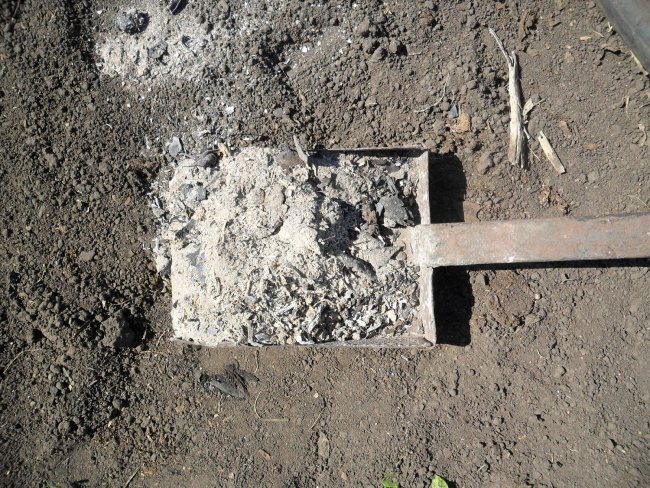 Cold has a disinfecting effect, ridding the soil of potential pests and pathogenic microorganisms that pose a danger to tomato seedlings.
Preparing the soil for planting
Not only does the soil in which the seedlings will grow require preparation, but certain steps also need to be taken in the bed where they will be planted. As with the seedling mix, this is best done in the fall, allowing the surface soil to freeze thoroughly. Basic preparatory steps include clearing the beds of various debris (both plant and mechanical), thoroughly tilling the soil, adding compost and wood ash, and fertilizing the beds. About 10 days before transplanting the tomatoes into their permanent location, water the beds thoroughly with hot water and cover them with plastic wrap. After this period, you can begin planting.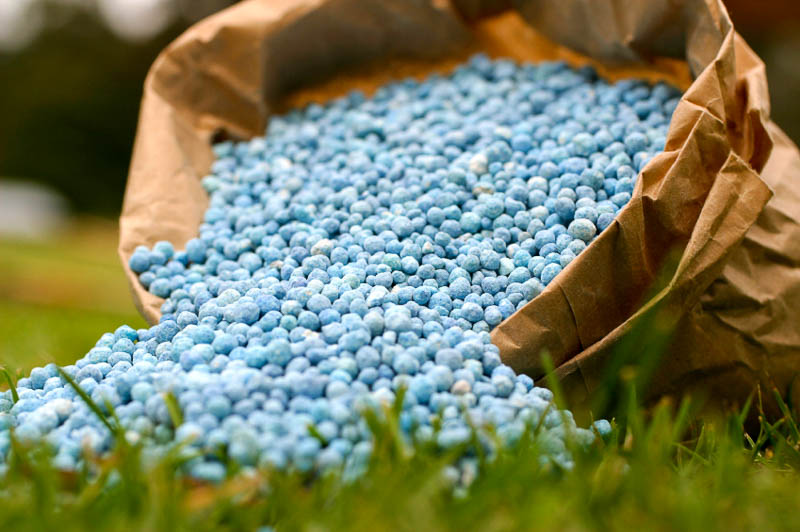
Be extremely careful when adding nutrients or organic and mineral fertilizers to the soil: if you lack experience, it's best to read the instructions. Excessive fertilizer will not only fail to help your tomatoes, but can also seriously harm young plants. In particular, they may begin to actively grow foliage without devoting energy to fruit set.
Growing tomatoes is far from the most difficult task for domestic gardeners. This crop has long been familiar to our farmers and consistently rewards us with abundant harvests. The main thing is to adhere to basic agricultural practices and lovingly tend your garden beds. Success is sure to follow!
Video: "Soil for Seedlings"
This video will show you how to prepare soil for seedlings.