
Why do tomato leaves turn yellow and what to do with the plant?
Content
Main reasons
Tomatoes are a common crop in our country. They are grown both in polycarbonate greenhouses and in open gardens. However, experienced gardeners will agree that this plant is demanding in terms of care. Its foliage can turn yellow for a variety of reasons.
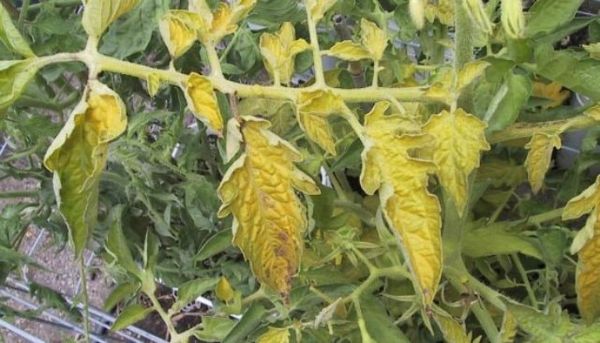
What you're advised to do is pay attention to the nature of the yellowing. Only then will you be able to determine what exactly your tomatoes are lacking. However, familiarize yourself with the key factors that can cause tomato yellowing.
Natural
What should you do when the lower leaves of your tomato plants turn yellow? In some cases, no special intervention is required. Yellow spots on the leaves can appear after transplanting the seedlings to their permanent location. Any excavation work is a form of stress for fruit-bearing plants, which can cause sudden yellowing of the foliage.
A specific disruption in the plant's nutrient supply occurs, and the lower leaves are the first to dry out. The only recommended action is to pluck them off. This will ensure the tops of the plant receive the nutrition they need and continue to grow.
Diseases and pests
Why do tomato leaves suddenly turn yellow in the ground? Sometimes this is caused by a pest infestation or the development of a disease.Late blight, mosaic, fusarium and other diseases can all cause yellowing of foliage.
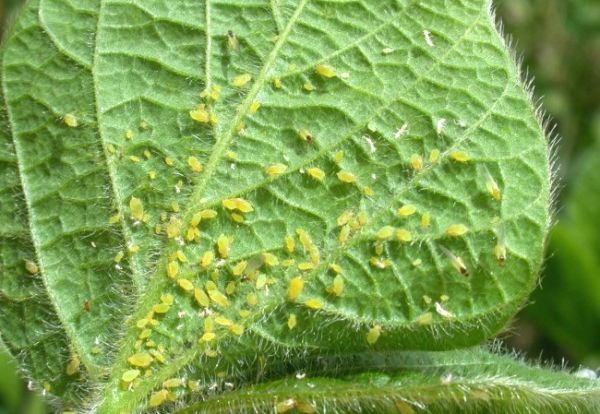
The truth is, this is just the initial symptom. If you don't start prompt treatment, you'll end up with more than just yellow leaves. Often, your crops also suffer from insects, such as wireworms and mole crickets. These pests actively feed on plant juices and are especially threatening to the integrity of rootlets. Aphids are also a common problem for tomato plants. Treat them with high-quality store-bought products to get rid of the problem.
Incorrect lighting
What to do when tomato leaves turn yellow in a greenhouse is to pay attention to the seedlings' lighting. Remember: tomatoes turn yellow rapidly if they don't receive enough sunlight in a greenhouse. This crop is a sun-loving plant, so ensuring adequate light is your top priority. If there's a severe deficiency, photosynthesis slows down, and the tomato's vegetative system becomes covered in yellow spots.
Watering mode
If tomato leaves turn yellow in open ground or greenhouses, the cause is often an incorrect irrigation regime for the substrate.
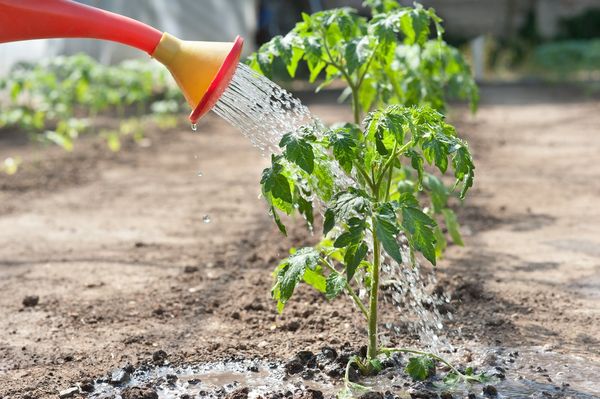
Tomatoes are moisture-loving crops, so it's recommended to water them generously, but not too frequently. Because this plant has a branched root system, it can draw water from the soil at a depth of up to 1 meter. To prevent yellow leaves from becoming a reality, it's recommended to water the seedlings twice a week. Remember, when watering, avoid getting water on the stems and leaves of the plant. Otherwise, they will burn.
Another important factor preventing yellow spots on leaves is proper water temperature. Many gardeners prefer to irrigate the substrate with rainwater, but it should be warmed by the sun first. During the flowering phase, tomatoes require much more intensive watering, so keep this in mind. Neglecting the key rules for tomato soil moisture will result in yellow spots on the leaves of your seedlings.
Root damage
What should you do if the lower leaves of your tomatoes suddenly start turning yellow? It's quite possible that the root system has been mechanically damaged. Let's say you broke a rootstock while replanting.
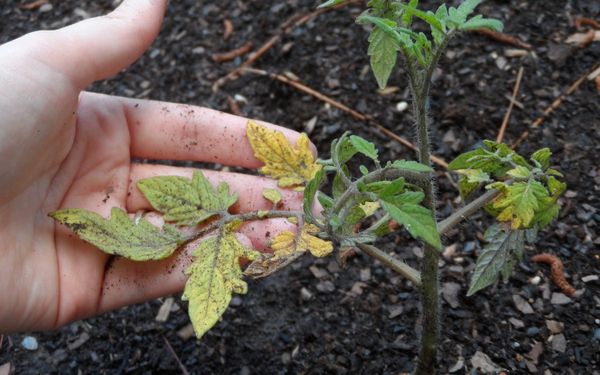
The lower foliage will be the first to suffer from this. The rhizome can also be damaged by over-tilling the soil. However, these shoots heal fairly quickly, so the yellowing should soon disappear.
Excess or lack of fertilizers
My tomato seedlings are rapidly turning yellow, both upper and lower leaves. What should I do? Pay attention to the developmental pattern of the problem: if the leaf blades show yellow or brown spots, and the leaves themselves begin to wilt and curl, it's quite possible a nutrient deficiency is the cause. If the seedlings suffer from a nitrogen deficiency in the soil (indicated by pale, dull leaves), this will later result not only in yellowing foliage but also in the formation of small, woody fruits. Sometimes, tomatoes need a phosphorus supplement. This is indicated by curled leaf edges and a change in stem color (it turns purple). Zinc, potassium, and magnesium—all these minerals must be present in the soil.
What to do
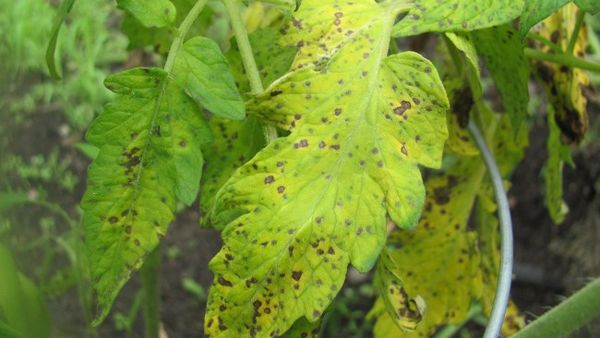
The causes of yellowing of the lower or upper leaves of tomatoes can be varied. Sudden temperature fluctuations, consistently high greenhouse temperatures, or excessive (and sometimes incorrect) side-shooting can all trigger this problem. Low mineral content in the soil can also contribute to yellowing of the leaves.
The problem can be solved by regularly adding complex mineral fertilizers to the soil and adding organic matter. Regular watering, optimal temperature and humidity in the greenhouse, and good lighting—all in all, proper care will reduce the risk of yellow spots on your tomato plants. Take good care of your tomato plants, and you'll reap a bountiful harvest.
Video: "Why Tomato Leaves Turn Yellow"
This video will show you how to combat yellowing tomato leaves.