
Growing tomatoes using Maslov's method: the best way to increase yields
Content
The principle of the technique
Maslov's method boldly promises a significant increase in crop yields, at least doubling them. This increase is due to a special cultivation technique based on the mandatory strengthening of the plant's root system. Strong roots are the key to the successful formation of a large number of fruits. Furthermore, growing tomatoes using Maslov's method allows each plant not only to actively develop but also to produce additional bushes.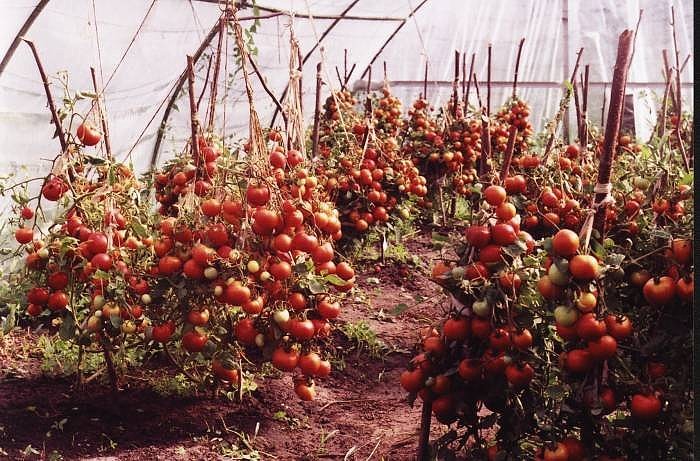
So, to strengthen the roots as much as possible, you will need to activate the small growths located along the stem of each tomato plant; it is from these that additional root shoots will develop. The secret of the method is to immerse the plant almost completely in the soil and allow it to “throw out” new roots, thereby activating increased yield.
Video: Growing Tomatoes Using Maslov's Method
From the video you will learn how to grow tomatoes using this method.
Planting seedlings
Growing tomatoes using Maslov's method differs from traditional methods solely in the planting technique: the renowned gardener suggests planting the plants horizontally in the bed rather than vertically, as we're accustomed to. To do this, dig holes about 10 cm deep, water them thoroughly, and then position the seedlings so that only a few leaves remain above the surface. 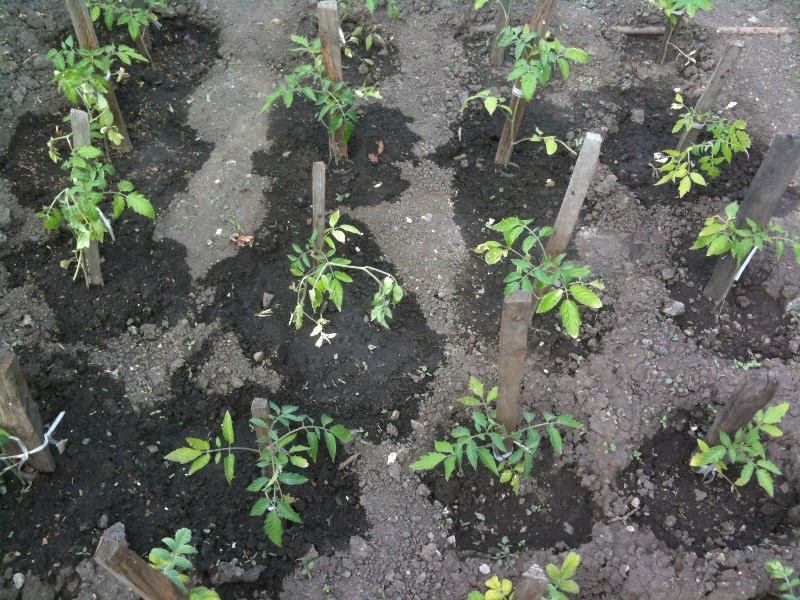 The plant, once "planted" in this manner, is covered with dry soil and watered generously. It's crucial to follow Maslov's rule: tomatoes must be laid in a strictly defined direction, with the roots facing south. This will encourage the root shoots to reach for the sun's rays, thereby forming additional vertical shoots.
Formation of additional bushes
The formation of additional tomato bushes when grown according to Maslov occurs as if by itself.
The author of this method avoids pruning side shoots, believing this leads to a decrease in yield. On the contrary, Maslov allows them to develop freely until they reach the soil surface. Now, the leaves can be plucked from the shoots and buried at the planting depth of the mother plant—approximately 10 cm—making sure to water them thoroughly.
That's it, all that's left is to wait for new stems to emerge. And they will, by the way, appear very soon—in just 10 days, and after a month, the daughter plant will catch up with its "parent" in all respects. However, it's important to follow one rule: the distance between the additional stems cannot be less than 1 meter, otherwise the roots will become crowded, and you won't see any results.
Selection of seedlings
The only rule for choosing planting material is clear to any gardener: choose well-developed, vigorous bushes with strong branches. You can leave just a few stems on each bush, ruthlessly removing the rest. Another advantage of this method is that you'll need far fewer seedlings, as additional bushes will form from the mother plants as they grow in the garden.
Care
Caring for Maslovsky tomato plants doesn't require any complicated procedures. The only thing you can try is a somewhat unconventional irrigation system: try creating shallow trenches between the rows and letting the water flow through them. 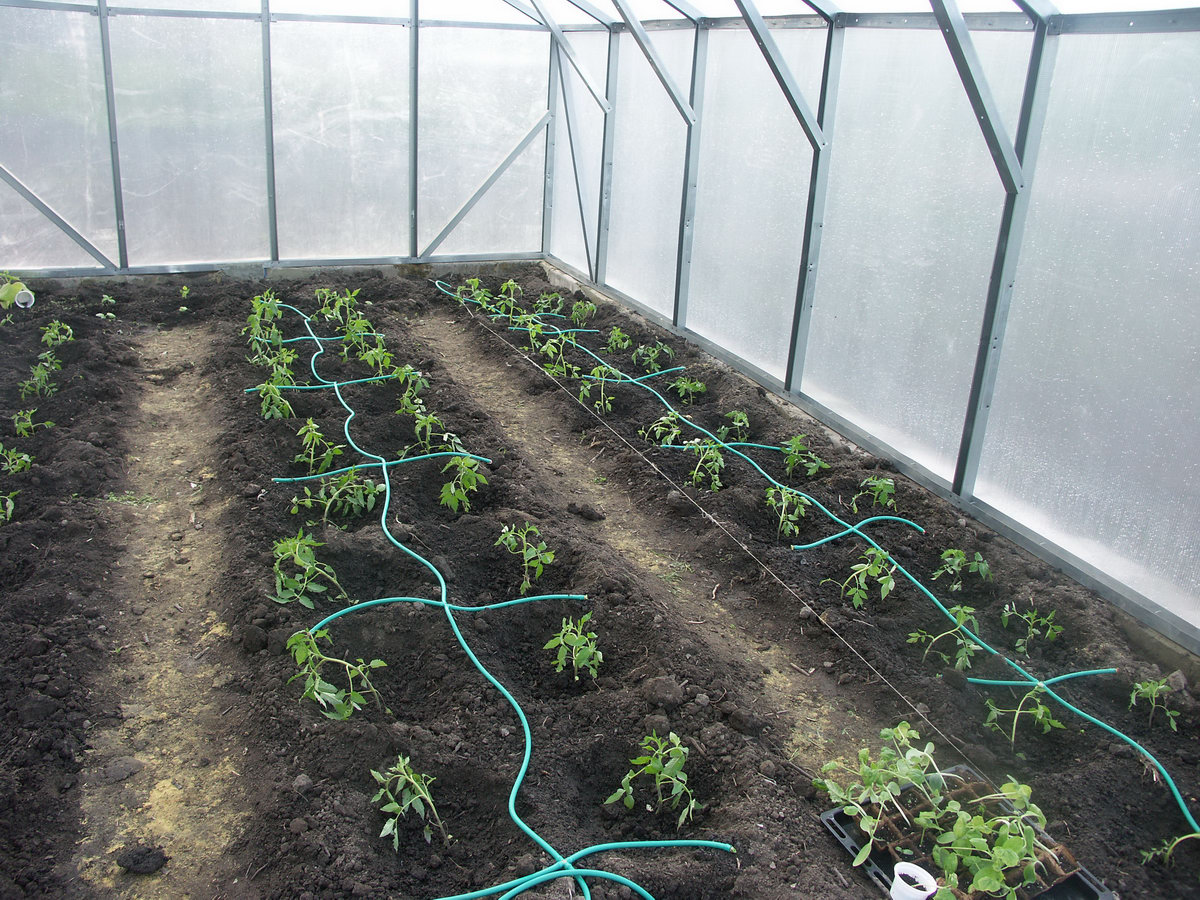 As a result of this watering, the roots of the tomatoes will be able to receive the necessary amount of moisture, and the surface of the soil will not be able to become covered with a crust, so that air access to the roots will not be obstructed.
Advantages of the method
Gardeners who have risked trying this method unanimously agree on its undeniable advantages:
- crop yields are noticeably increased – in some cases it was possible to increase the yield fivefold;
- a rich harvest does not require a large amount of planting material;
- There are no additional labor costs – feeding and care are carried out according to standard rules.
It's often difficult to abandon the traditional approach to agriculture, proven over decades. But we can't resist innovation, as it's designed to make our lives better and our work more efficient. Try the method we've described on at least a few plants, and you'll see how it works without fail.
Video: "Tomato Diseases and Pests"
This video will tell you about possible tomato diseases and pests.