
Peculiarities of processing tomatoes with whey
Content
What is useful?
Whey is a fermented milk product obtained by making homemade cottage cheese or straining sour milk. Cottage cheese whey is less nutritious, as the production process requires prolonged heat treatment. However, any whey can be used for gardening, even the kind sold in supermarkets.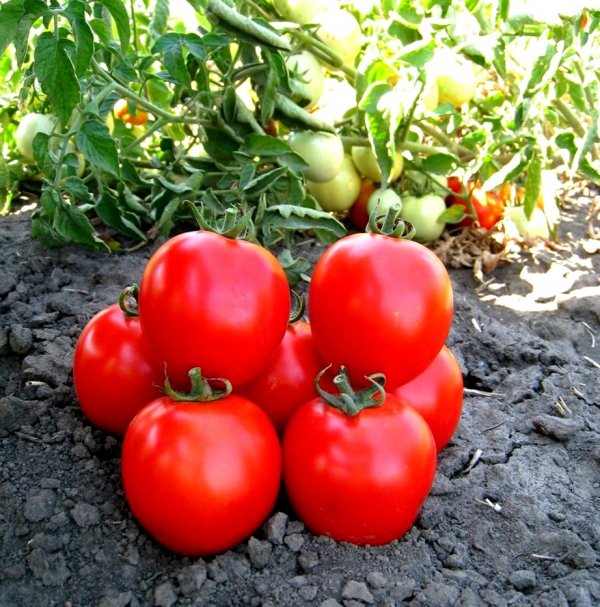
For crops like tomatoes, whey treatment is very beneficial, as the dairy product is rich in minerals, amino acids, lactose, and valuable proteins. Not only does the fermented milk product effectively combat diseases such as late blight, but it also perfectly fertilizes the soil.
Video "Processing"
This video will show you how to process tomatoes using whey.
Application in the garden
Spraying tomatoes with fermented whey is typically done to prevent the development of pathogenic microorganisms, such as fungal diseases. This is due to the properties of the drink's components to suppress the activity of pathogenic bacteria without posing a risk to the plants themselves.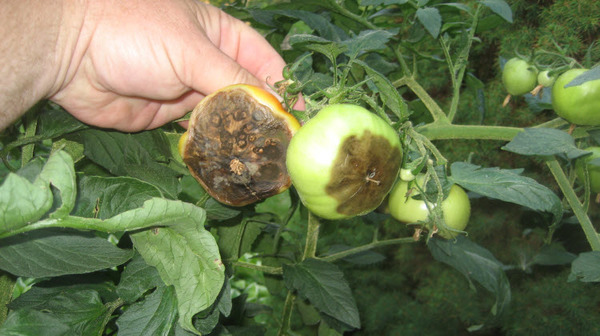
Pathogens also dislike the monoacid compounds found in the product. The serum can be used on young seedlings and mature plants, both in greenhouses and open garden beds.
Developing, mature tomato plants can be treated with a fermented milk solution as early as the first days of July – this will help enrich the young plants with essential amino acids. And, of course, this solution effectively combats late blight, despite the insidious nature of this disease, which plagues most garden plots, especially during rainy summers.

The first preventative treatment can be carried out as soon as you plant the seedlings in the beds: spray the weak bushes with serum to prevent the pathogen from infecting the immature plants.
Spraying rules
Most farmers prefer to treat their tomato beds with whey much more frequently than the standard regimen of once every ten days. This is because the milky protection is very short-lived and must be renewed. As mentioned earlier, the thin milky film created by the product on the plant surface prevents pathogens from functioning properly, so using whey alone can completely protect your tomatoes from the dangers of late blight.
To prepare the solution, dilute the serum with room-temperature water in a one-to-one ratio. Depending on the size of your tomato patch, you can use a regular sprayer or a specialized garden sprayer.
It's wonderful when you can add Fitosporin to the prepared water-whey solution—it will not only increase the crop's resistance to diseases and pests, but also significantly extend the fruiting period.
You can go even further and combine disease treatment with fertilizer. However, to do this, you need to prepare the solution in a slightly different way: take 10 liters of water, 2 liters of fermented milk whey, 10 drops of regular iodine, and a few tablespoons of wood ash. This solution, prepared from these ingredients, is intended for foliar feeding and effectively promotes plant growth, making them strong, healthy, and resistant to diseases and pests.
Given the short-lived nature of the protection, gardeners recommend spraying as frequently as possible. Of course, doing this every day is unlikely, so it's best to choose crop varieties with increased resistance to the disease.
One should not neglect the rules that will help reduce the risk of developing the disease to a minimum:
- Maintain proper crop rotation in your garden - do not plant tomato seedlings where potatoes were previously grown, as fungal spores are likely to remain in the soil;
- do not wait for the disease to appear and carry out preventative spraying immediately after planting the seedlings;
- The intensity and frequency of spraying will directly depend on weather conditions: the cooler and damper it is, the more frequent the treatment will be required;
- Try to take measures to speed up the fruiting period so that the infection simply doesn't have time to reach your crop. This can be achieved by removing the lower leaves from tomato plants as the upper leaves form.
But if the situation becomes irreparable and the disease cannot be stopped, measures must be taken to preserve the remaining harvest. In this case, pick all the tomatoes, even the most unripe ones, and leave them to ripen in a sunny spot, after warming them in an oven preheated to 40 degrees Celsius (104 degrees Fahrenheit) for about four hours. Alternatively, you can speed up this sanitization process by soaking the tomatoes in hot water (60 degrees Celsius) for about two minutes. This will ensure the tomatoes remain healthy and ripen successfully.
As you can see, all problems can be solved, and all difficulties can be overcome. The main thing is to love what you do, and a bountiful harvest will surely be yours!
Video: "Growing Mistakes"
This video will show you what mistakes you can make when growing tomatoes.