
Everything you need to know about growing tomatoes
Content
Peculiarities of growing tomatoes
Tomatoes need to be grown with their preference for warmth and sunlight in mind. It's best to plant them in a plot that meets these requirements. Growing tomatoes in this manner completely eliminates the possibility of overwatering. These vegetables strongly dislike high humidity.
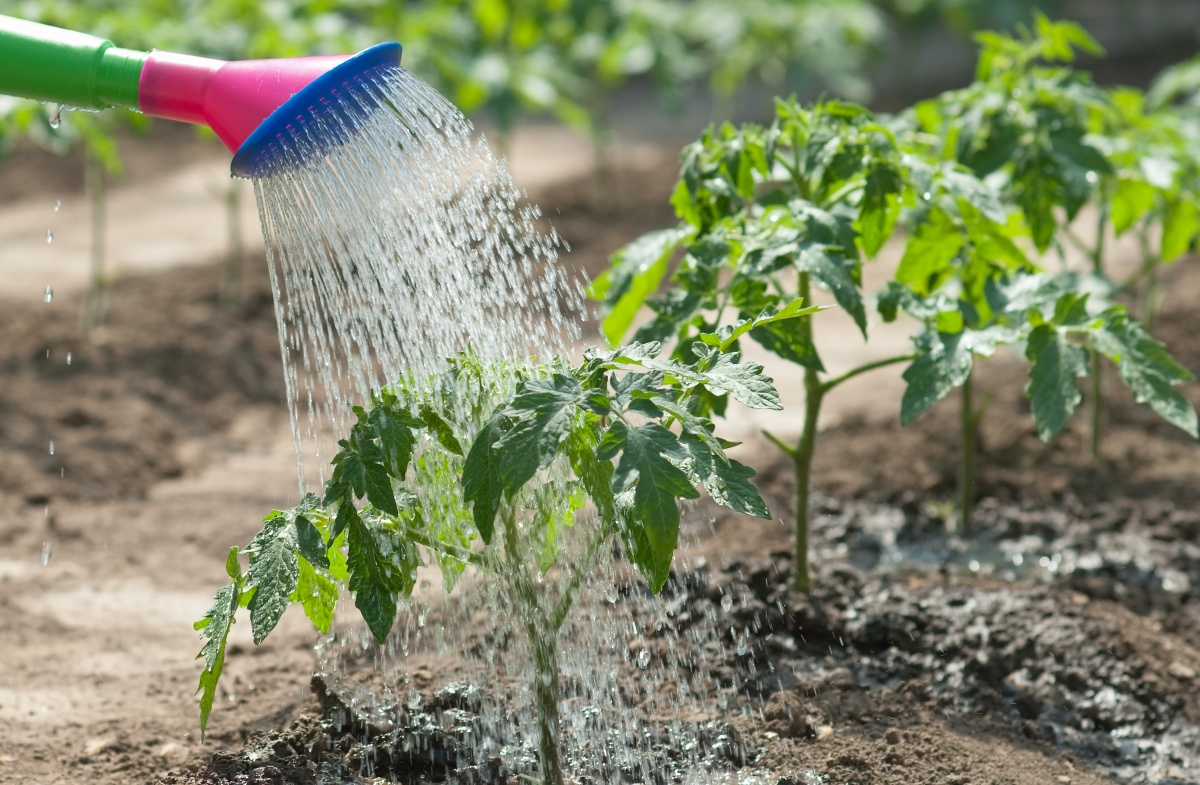
This phenomenon can contribute to the development of fungal diseases and delay pollination of flowers. However, tomatoes can only be grown by providing the plant's roots with adequate moisture. Otherwise, flowers and ovaries may fall off.
The most suitable soil for growing tomatoes indoors is warm and rich in nutrients and microelements. Sandy loam and loamy soils are particularly ideal for tomatoes.
Types of tomatoes
Tomatoes are divided into three large groups:
- Indeterminate, which are characterized by continuous growth;
- Determinant – have limited growth;
- Superdeterminate – a type of determinate.
Indeterminate (vine) varieties ripen slowly and unevenly. Inflorescences, and subsequently ovaries, appear after a couple of leaves. These tomato plants are trained into a single stem and tied up. These varieties can also be grown indoors, but the process is lengthy.
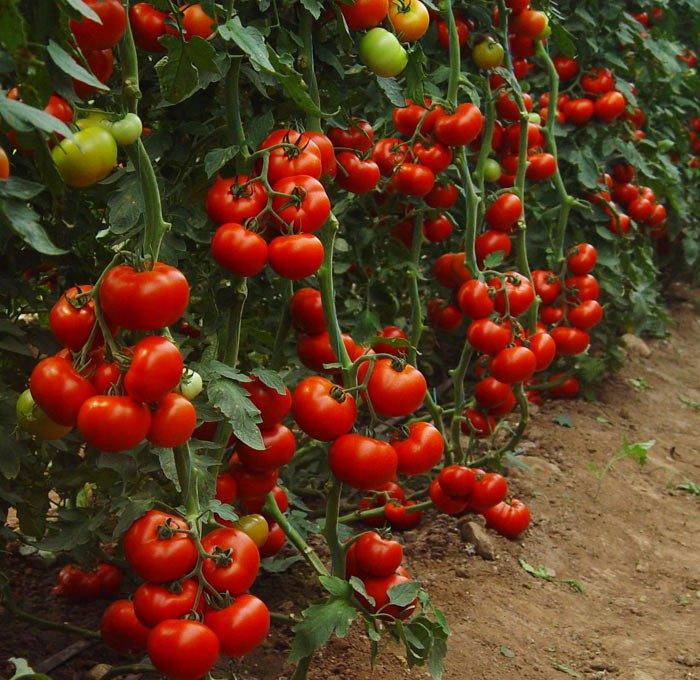
Determinate vegetables are characterized by the formation of flowers or ovaries every first or second leaf. The main stem is removed after 5-6 clusters. The bush develops into two or three stems and also requires staking.
The formation of brushes in bush-type crops occurs through the leaf and has the appearance of a small branching, which can be formed into four stems and supported by a support.
Superindeterminate tomatoes ripen fairly quickly and, most importantly, simultaneously. In just three weeks, 90% of the crop is ripe. Growing tomatoes of this variety is ideal for areas with short, cool summers.
Video: Growing Tomatoes, Pinching, Fertilizing, and Harvesting
The video explains in detail how to properly grow tall tomatoes outdoors.
Secrets of a Big Harvest
To get a good harvest at home, you need to be very careful when choosing your soil. It's important to consider the soil's acidity, as vegetables thrive only in slightly acidic or neutral conditions. Also ideal for growing vegetables is soil that's rich in minerals and, most importantly, well-drained.
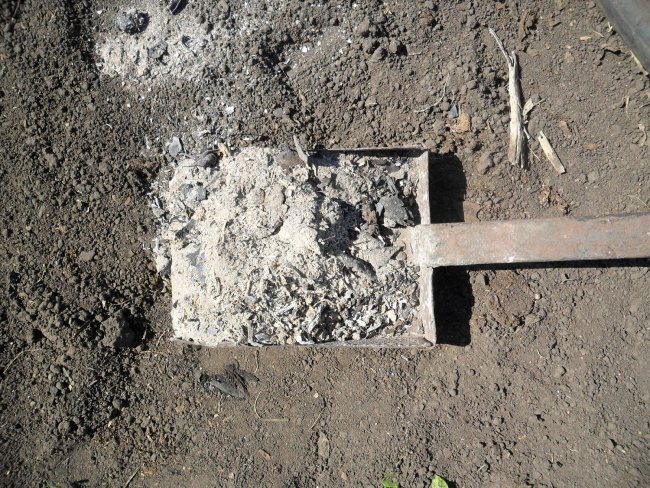
If the soil on the site is highly acidic, it needs to be reduced by adding lime.
Tomato cultivation involves preparing the beds for planting. This should be done in the fall, by digging and adding fertilizers (phosphates, potassium, or compost).
It's a good idea to add river sand, manure, and peat to clay soil. These substances will increase fertility. Straw and freshly cut grass can also be added.
It's best to create good indoor garden beds in the spring. Parameters such as length and width aren't particularly important, but the distance between adjacent beds should be at least half a meter. Otherwise, the plants will "draw" moisture and nutrients away from themselves. Dig holes 15-20 cm deep, add a spoonful of superphosphate and ash to each, and then thoroughly water them.
Caring for seedlings
To grow tomatoes at home, you first need to plant the seedlings. It's best to begin preparing the young shoots six weeks before planting. First, prepare the soil for sowing the seeds.
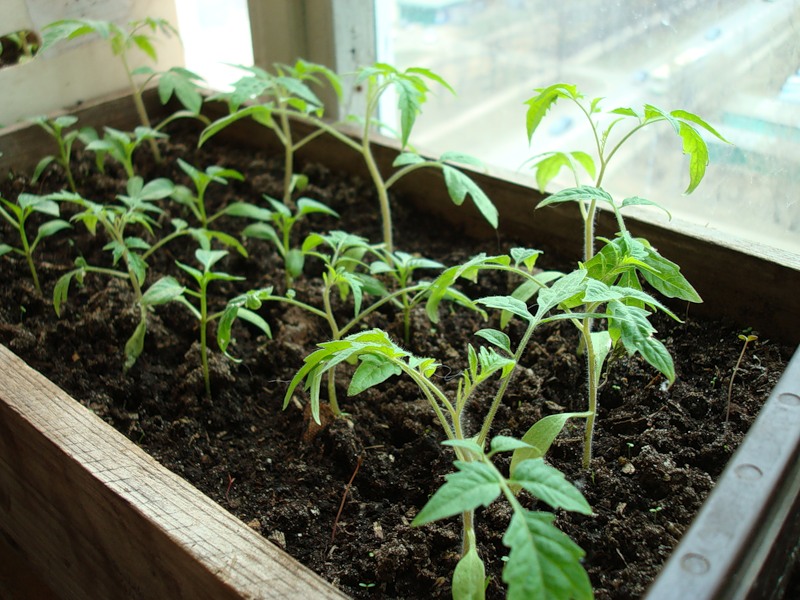
Ready-made soil for seedlings can be purchased at any specialty store. However, the shelves are often filled with obscure, acidic peat mixtures. This type of "soil" is not suitable for tomatoes.
Agronomists and experienced gardeners recommend mixing purchased soil with regular garden soil and preparing the correct mixture.
The recipe for a seedling growing mixture at home is simple: two units of garden soil, one unit of compost, one unit of peat moss or commercial soil, and one unit of sand. Ash and a complex fertilizer should be added to the peat to reduce its acidity.
Furthermore, seed preparation is essential for growing future seedlings. One of the secrets to successful sowing is planting moist seeds. Growing seedlings from them is quick and convenient. This procedure also significantly increases the number of seedlings.
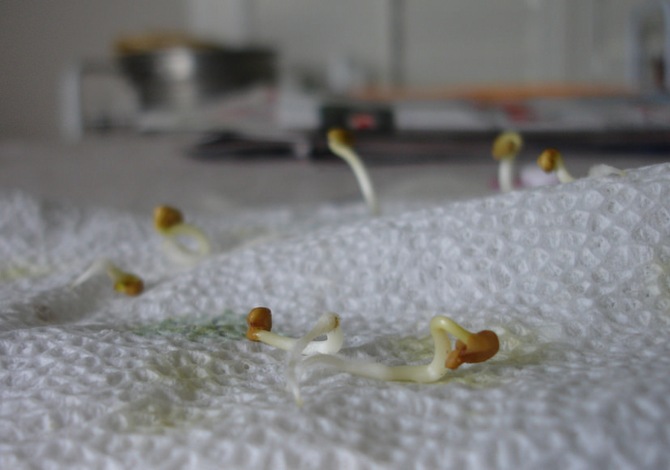
Hardening the seed will increase the yield by 0.1 times.
The seeds are soaked in water for 24 hours, then placed in the refrigerator at 3°-5°C for 2.5 days. Afterwards, the seeds should be left at room temperature for 24 hours. After refrigerating, it's a good idea to soak the seeds in a nutrient solution. This procedure can increase yield by 35%. This is because this unique nutritional supplement changes the seed structure, causing the fruits to become larger.
After all these steps, the seeds can be sown at home. Growing tomatoes involves placing the seeds in moist soil to a depth of 2 cm.
It's essential to create comfortable conditions for plant growth, which isn't easy to do at home. By providing the sprouts with sufficient light, acceptable air and soil humidity, adequate space, and regular fertilizing, you can grow high-quality, healthy seedlings.
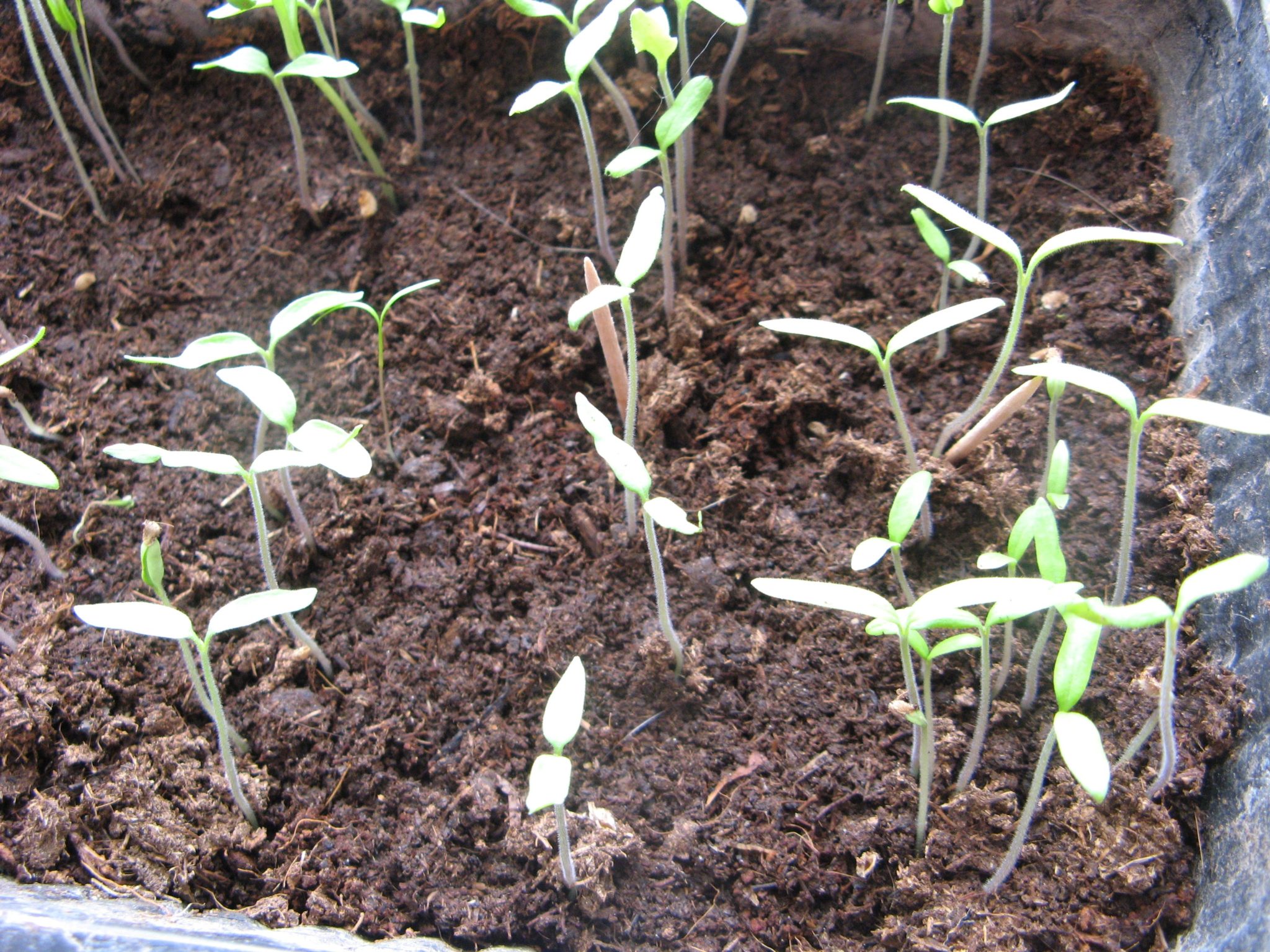
When two leaves appear, the vegetables should be picked, generously moistened with water and transferred to separate containers with a lump of earth.
Ten days before planting in the ground, the seedlings should be hardened off by taking them out into the fresh air for several hours.
Begin growing tomatoes outdoors only when the temperature reaches 14°C. Plants with full roots do not need to be planted deep. After planting, water the soil thoroughly.
Ripening and harvesting
The ripening time of the crop's fruits depends directly on the variety and growing region. Early varieties grown in temperate climates produce their first harvest in the first ten days of July.
Varieties with medium ripening yield their first harvest in early August. Vegetables that take longer to ripen do not ripen fully outdoors. In August, green fruits are harvested, which can be ripened indoors.
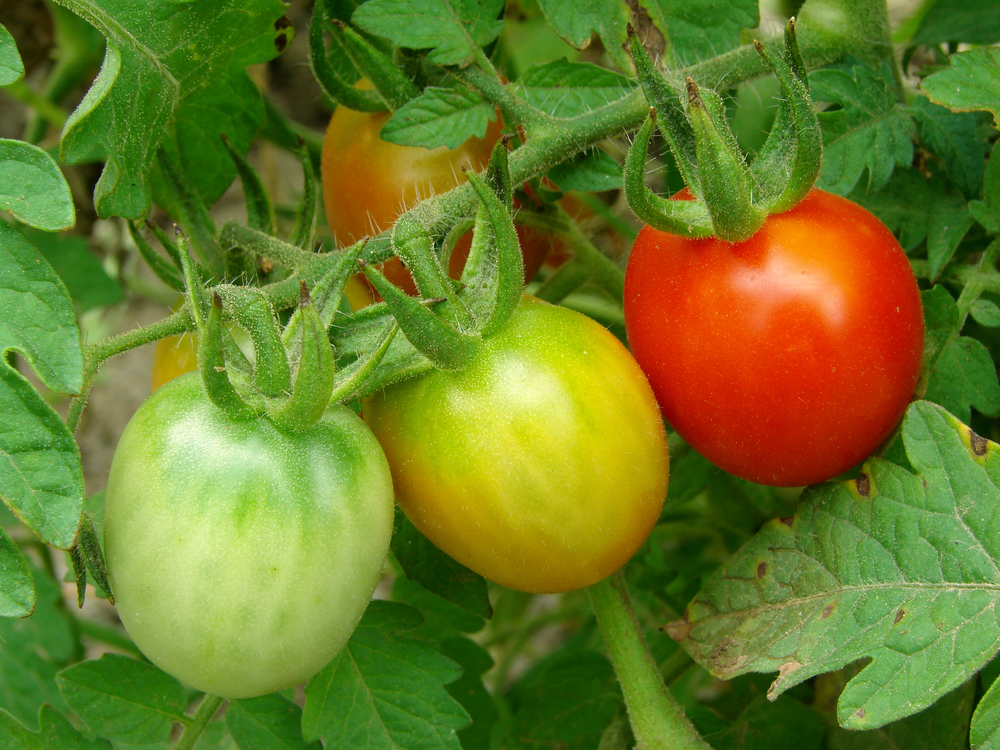
To prevent late blight, harvest the crop promptly. If large temperature fluctuations and high humidity are expected, it's best to harvest all the fruit from the plot.
Features of growing in open ground
Many people, especially novice gardeners, are concerned about the question: "How to properly grow tomatoes outdoors?" Growing vegetables is easy; the main thing is to follow all the recommendations.
The correct way to grow tomatoes is to space them sufficiently apart. Early-ripening, short-growing tomatoes should be planted in beds spaced 60 cm apart. The individual plants themselves should be spaced 20-30 cm apart. Tall tomato varieties should be spaced 70 cm x 30 cm or 70 cm x 50 cm. Planting should be done on a day without sun or in the evening.
The holes should be moistened both before and after planting. Avoid covering the stems with soil to avoid the formation of numerous roots. This will delay flowering. Don't delay tying up the bushes; it's best to do this as soon as possible. Mulch the soil around each plant.
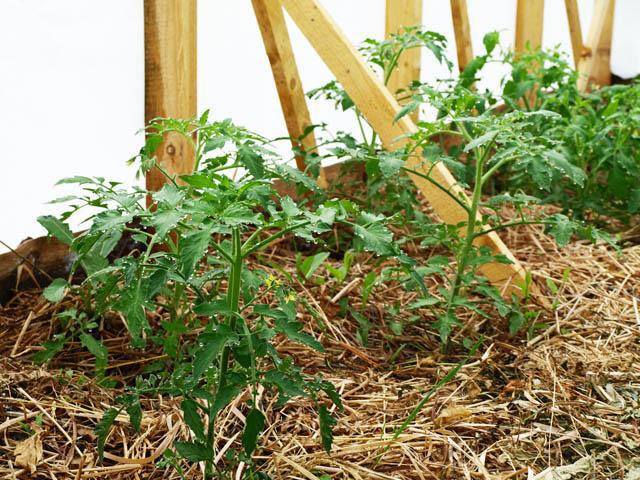
Seedlings need to be protected from the sun. Paper or tree branches can be used for this purpose.
Growing vegetables indoors in open ground requires following a watering schedule. Water the vegetables weekly, thoroughly loosening the spaces between the rows. Nineteen months after planting, feed the plants with mullein diluted in a bucket of water. Subsequent fertilization is based on crop observations.
We get new seeds
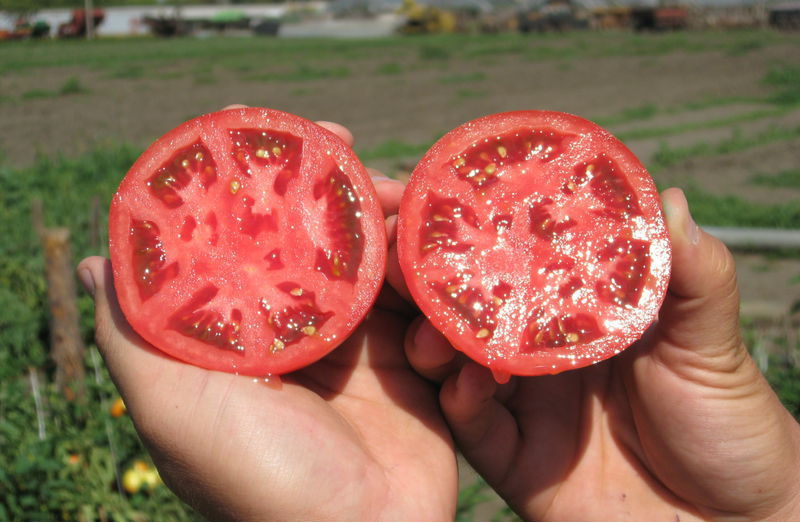
You can prepare the seeds yourself at home. For this, it's best to use ripe tomatoes, but not overripe ones.
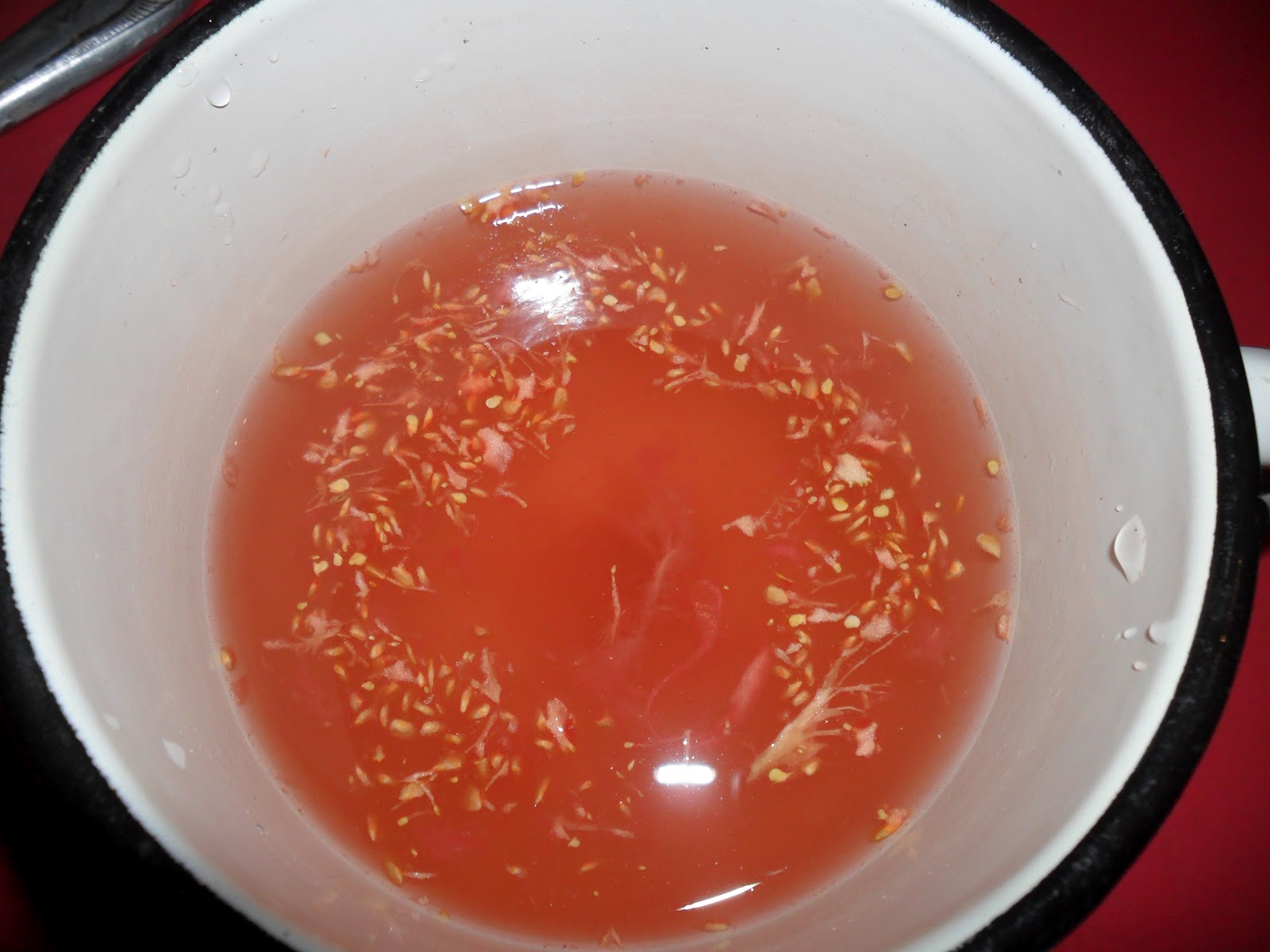
To prepare fruits for seed harvesting at home, vegetables need to be kept in a warm environment for a week. After this, the vegetables are cut and the juice containing the seeds is squeezed into a glass container, such as a jar.
Keep the jar in the shade for a couple of days. This will remove the microflora from the seeds, making them easy to separate from the shell. Avoid diluting the juice with water to prevent the seeds from sprouting.
When the juice clears and the seeds float to the surface, the jar should be thoroughly shaken after being sealed. All the seeds will then settle to the bottom. Drain the liquid, shake the jar again, and then pour out the water. This procedure can be repeated at home several times. After all these steps, you will have undamaged and clean seeds for planting.
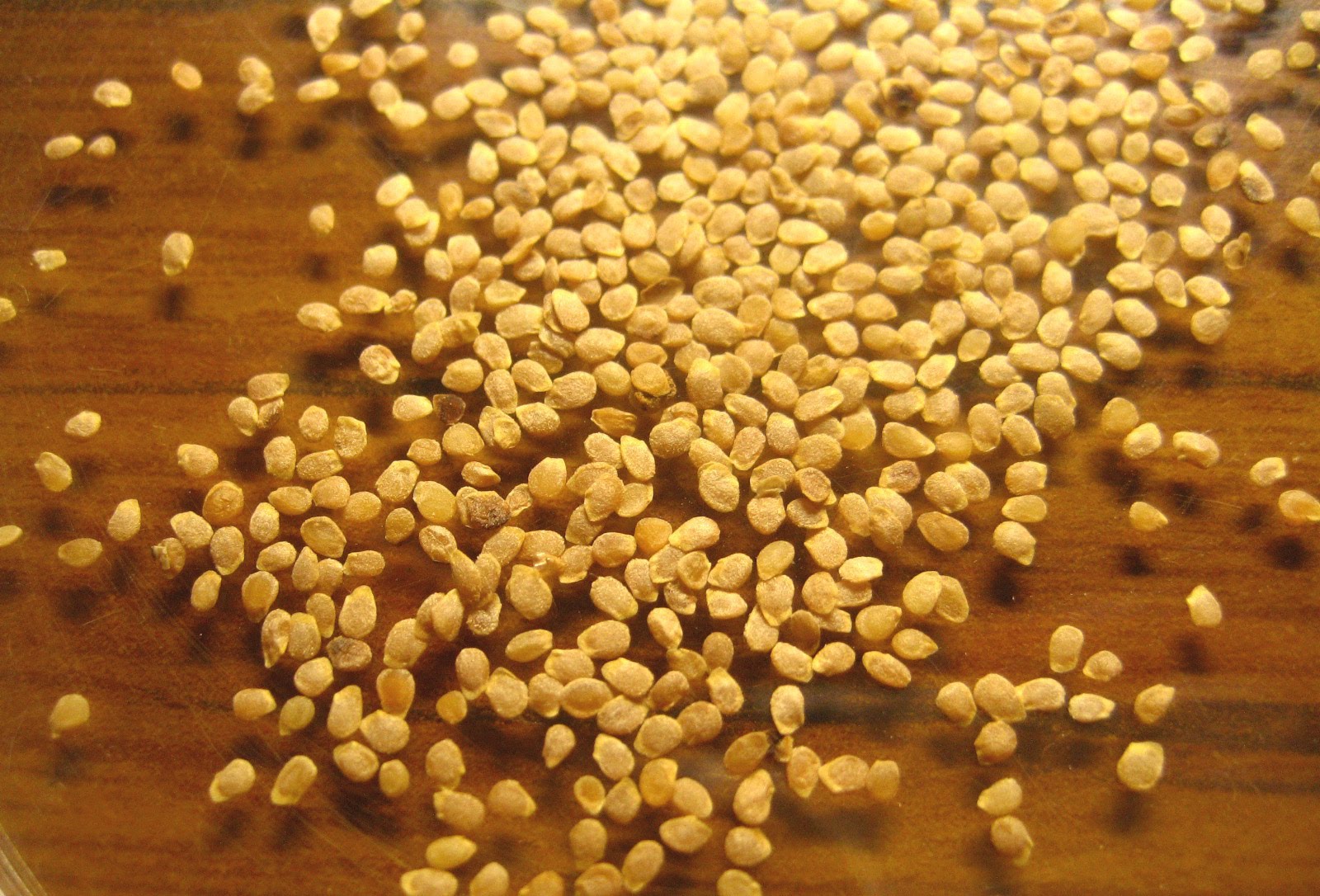
Next, the seeds are laid out on a clean sheet of paper and then dried. First, for a couple of days out of the sun, and then on a windowsill. This disinfection method is rightfully considered one of the most effective.
Seeds with dark spots should be discarded, as they may harbor viruses and fungi. I package the dried material in paper bags, labeling them according to variety.
So, anyone can grow tomatoes at home. Although considered a finicky vegetable, with proper care it produces a bountiful harvest, and its fruits are widely used in a variety of industries.
Video "10 Mistakes in Growing Tomatoes"
An educational video about the 10 most common mistakes when growing tomatoes. Avoiding them will help you avoid them and grow a great harvest of delicious tomatoes.