
Should you hill up tomatoes in open ground? Expert advice.
Content
Timing and frequency of events
It's quite difficult to say exactly when to hill tomatoes. You need to rely on the plants' appearance. Since the main goal of this procedure is to strengthen the root system, it's best to hill them during periods of intensive root growth. If you look closely at the tomato stems, you'll notice small, bumpy white or grayish growths at the base. These are the beginnings of additional roots, the formation of which signals the plant's nutrient deficiency and the need for hilling. 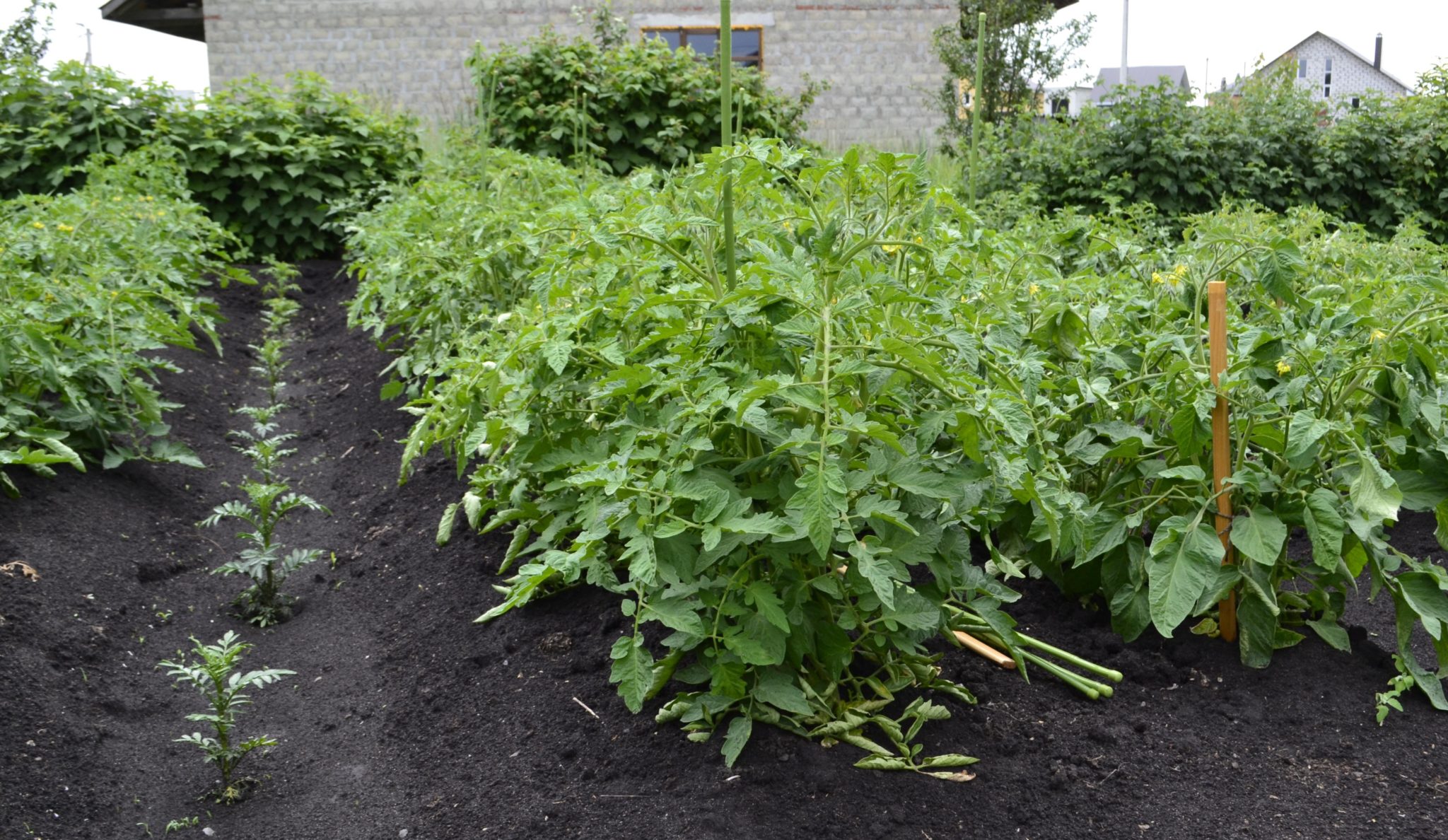
Tomato plants need to be hilled 2-3 times during the season. The first time is 10-14 days after planting the seedlings, when the plants have established themselves and are growing. If no growths have formed on the stems by this time, hilling is not necessary, as the added soil will block air flow to the roots, thereby damaging the seedlings. The second time, hill the plants when the lower part of the stems takes on a bluish tint. This is a sign that additional roots have begun to develop. Hilling at this time stimulates and accelerates further root development.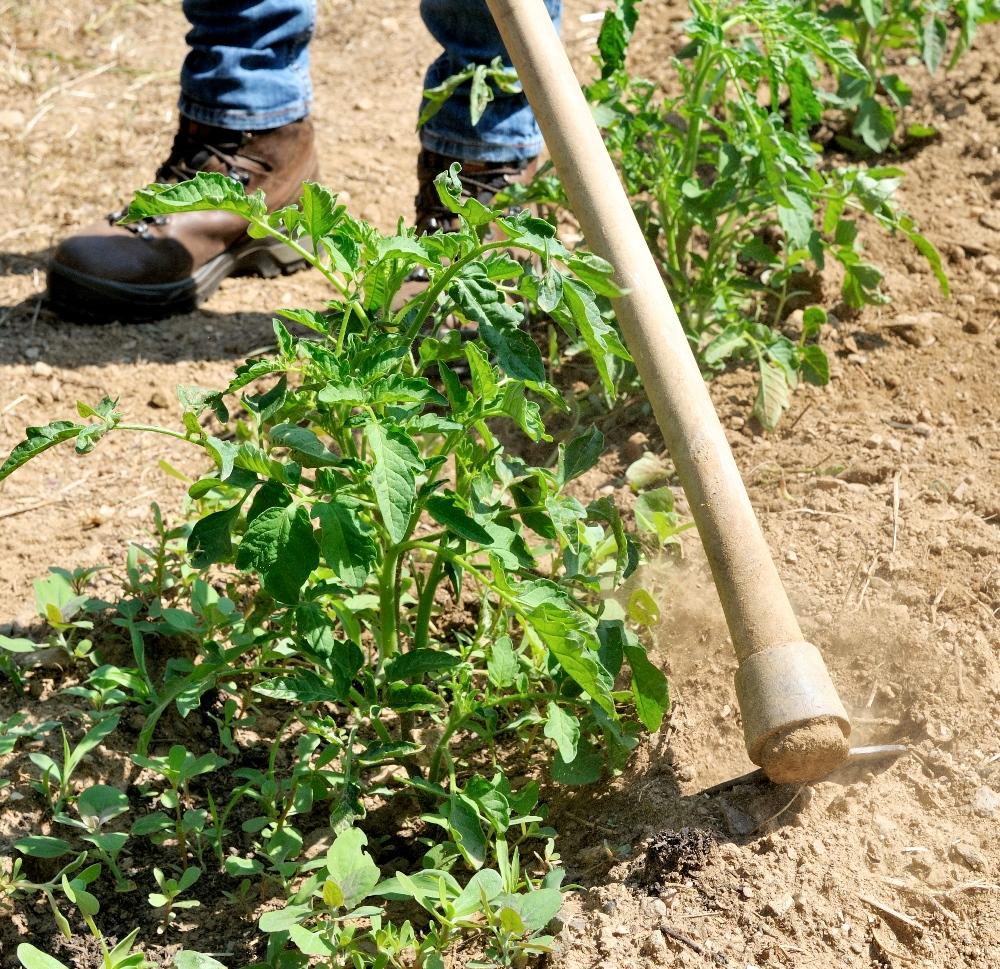
Typically, by flowering time, the bush stops growing and root formation ceases. However, there are cases where growths continue to form on the stem. Then, hilling should be continued until the root system is fully formed. If you carefully monitor the plants during their active growing season and perform hilling on time, you can grow very vigorous bushes with well-developed roots, thereby ensuring long-lasting and abundant fruiting.
Video: "How to properly hill"
From the video you will learn how to properly hill tomatoes.
What are the benefits of the hilling procedure?
The hilling process involves loosening the soil and covering the lower portions of the bushes with soil. This creates high mounds around the stems and pits between the rows, which, when combined, form a shallow trench. When properly performed, hilling primarily strengthens the root system, but it also performs the following vital functions for the plant:
- protects stems from the effects of adverse factors: pests (snails, ants), atmospheric influences;
- due to the development of additional roots, it improves the supply of nutrients to the above-ground part of the bush; in most cases, it is the lack of nutrition that leads to the massive shedding of flowers and ovaries;
- gives strength and stability to the stem; a well-rooted plant does not need tying and easily holds the load of ripening fruits;
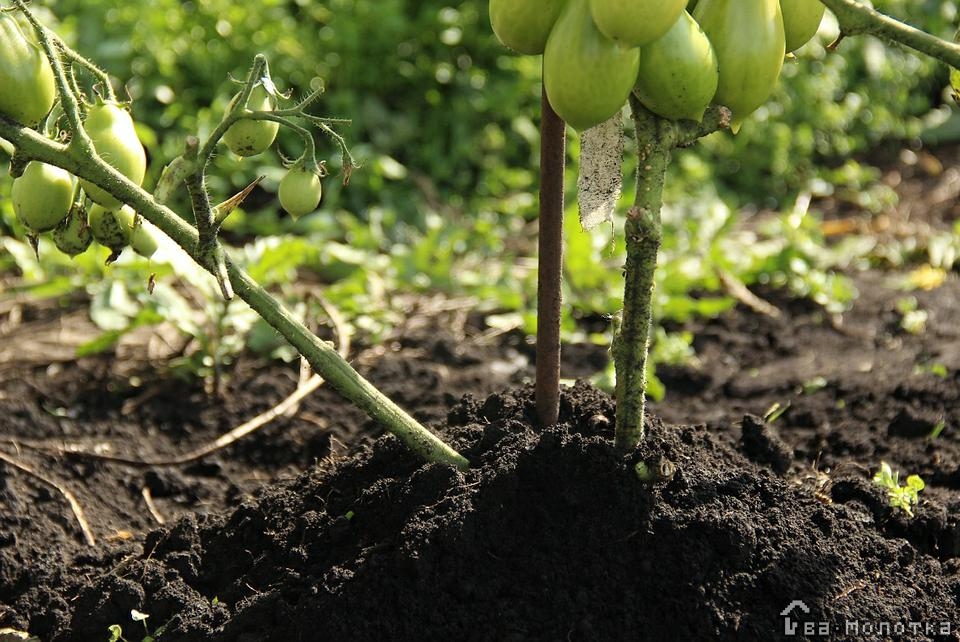
- Loosening the soil during hilling improves oxygen access to the roots, prevents moisture stagnation, rotting of greenery and fruits, and the development of fungal diseases;
- light and loose soil is warmed up by the sun faster, which has a positive effect on the overall development of plants;
- During loosening and hilling, most of the weed seedlings are destroyed, so nothing else hinders the growth of tomatoes;
- Moisture accumulates in the furrows formed between the rows during hilling, so that the soil in the bed does not dry out even in extreme heat.
Hilling tomatoes in a greenhouse
Greenhouse conditions (warmth and moisture) promote vigorous growth of foliage on the plants, but the stems often remain thin and require careful tending and staking. For this reason, hilling tomatoes in a greenhouse is not just a desirable but a vital procedure. Before beginning, the bed should be thoroughly watered about a day beforehand. Moist soil is easier to work and prevents damage to the roots during loosening.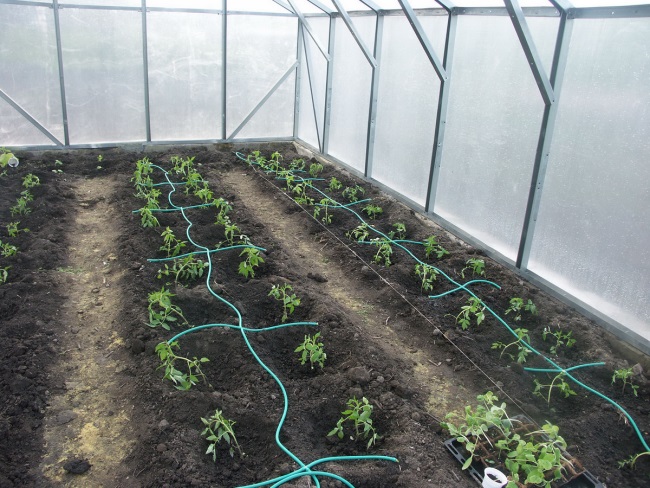
Using a hoe or small mattock, rake the soil up to the base of the stems, first on one side of the bush, then on the other. In greenhouses, mounds 10-12 cm high are sufficient.
If soil in the greenhouse is limited, you can use a pre-prepared nutrient substrate, either brought from the garden or purchased, to add more soil. Since soil in greenhouses often slips, experienced vegetable growers recommend securing it with pieces of slate or roofing felt inserted between the rows.
Hilling tomatoes in open ground
While greenhouse plants are straightforward, questions may arise with ground-grown tomatoes. Should you hill up tomatoes in open ground, as these plants are usually quite strong and sturdy? Of course, you should, if only because ground-grown tomatoes are much more frequently exposed to external factors (heavy rains, extreme heat, and attacks by harmful insects). And if you also consider the incredible speed with which weeds appear, the answer to this question is clear.
It's best to hill garden tomatoes 2-3 days after rain, when the soil will be loosest and most pliable. If rain isn't expected, water the bed generously and wait until all the moisture is absorbed and the soil has aerated slightly. To save time, it's convenient to combine hilling with weeding. The process itself is no different from hilling greenhouse tomatoes, but the mound for ground-grown tomatoes should be higher—up to 20 cm.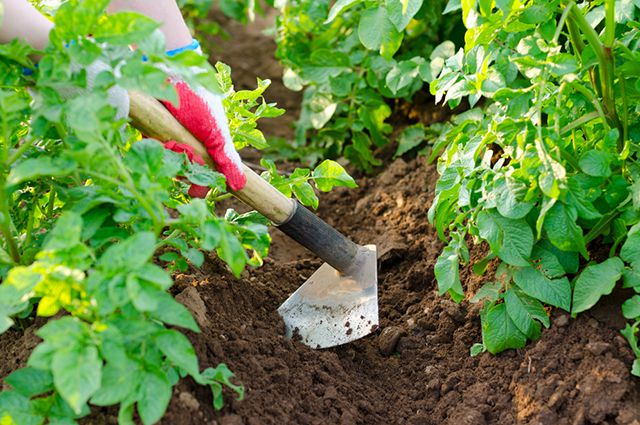
Hilling should be done in the cool morning or late evening, preferably on a cloudy day. The plants should be mounded with soil to create a small groove between the rows. This is crucial for outdoor tomatoes, as it will collect excess moisture, helping the plants survive dry periods without damage. Hilling can also be combined with a light fertilization; add a little humus or compost to the soil while you mound.
Is it possible to do without hilling?
As mentioned earlier, hilling is optional for tomatoes. If the plants are grown according to all agricultural practices and are perfectly healthy, this procedure can be omitted. The following external signs indicate that the plants are healthy and thriving:
- the stems are strong, fleshy, green in color, without visible root shoots in the lower part;
- the bush is actively blooming and forming ovaries;
- There are no fallen leaves, flowers or ovaries around the bush.
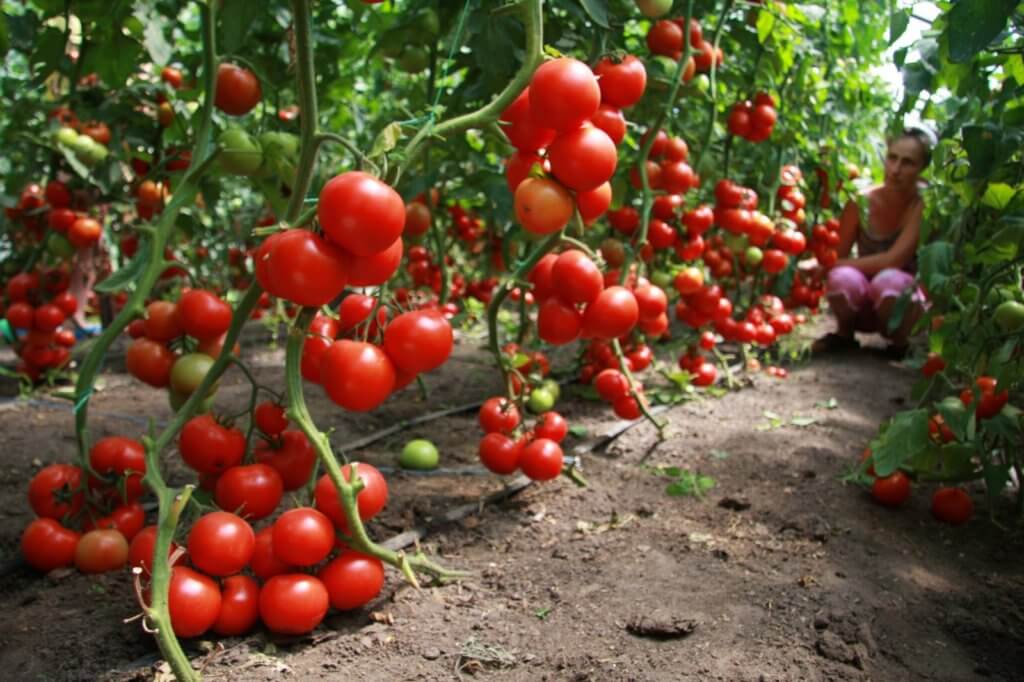
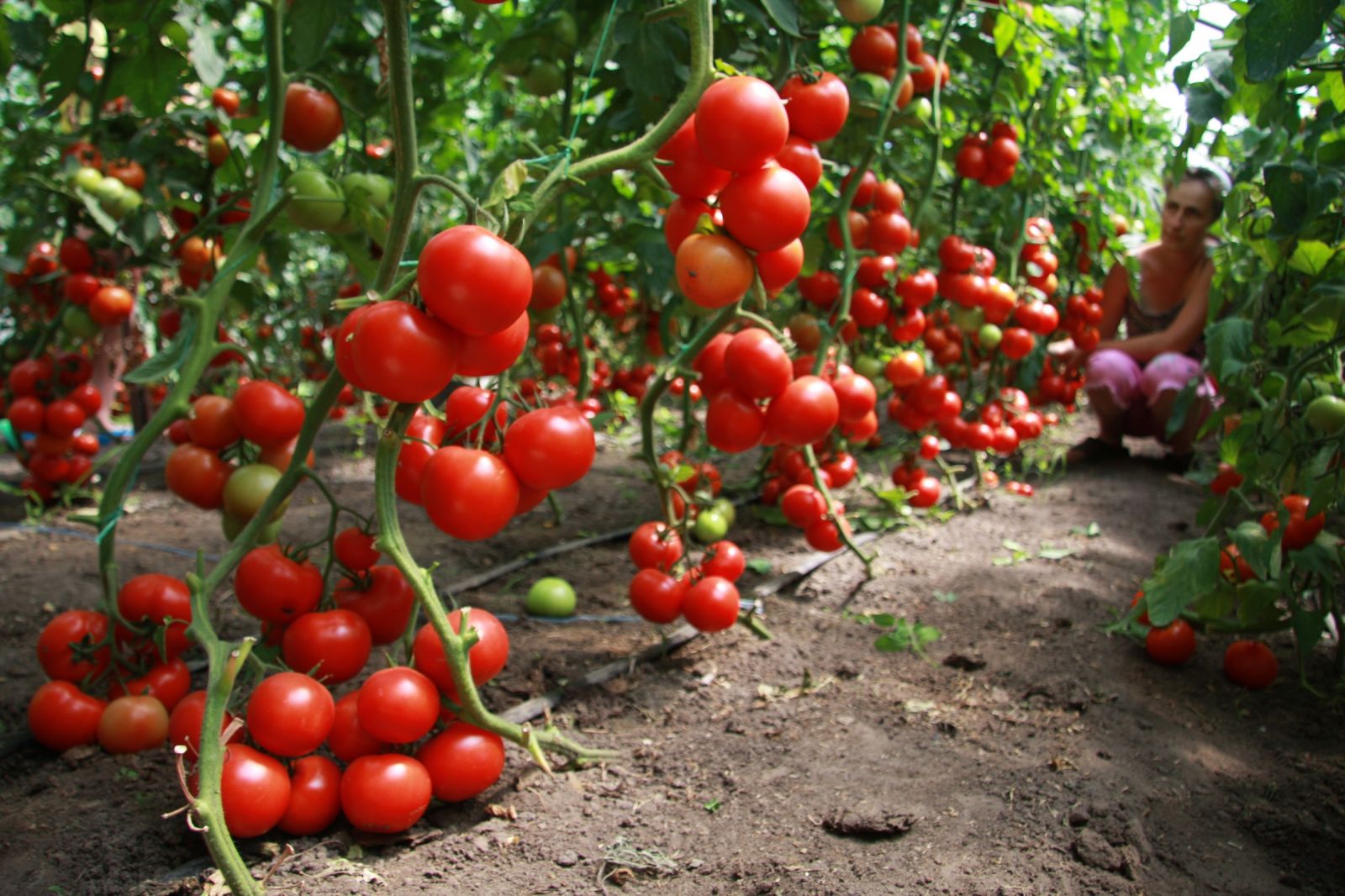
This result is achieved with proper soil cultivation (fertilization) and proper agricultural practices. Healthy plants indicate that they have sufficient nutrients and can easily do without hilling. If you neglect to hill tomatoes that truly need it, nothing serious will happen, of course. The plant's yield will simply be significantly lower due to the weakened plant.
Video: "Is it necessary to hill up?"
From this video you will learn whether it is necessary to hill up your tomatoes.