
What is the correct distance to plant tomatoes?
Content
Basic landing requirements
Even if a gardener has managed to grow strong and healthy seedlings, the yield may be disappointing simply because the tomato planting technique was not followed. Once the seedlings and the bed are prepared, the vegetable grower faces a new and perhaps most important task: determining the planting pattern, since the spacing between plants and within rows determines virtually every successful cultivation.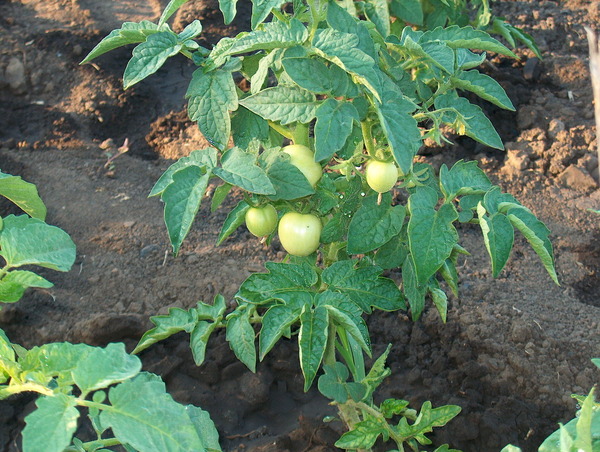
Each tomato requires a customized planting pattern, taking into account its varietal characteristics. Plants vary greatly in size. Indeterminate varieties are characterized by vigorous growth and unlimited shoot height, and they also spread extensively, requiring ample space. Meanwhile, low-growing varieties require only 20-30 cm of space between plants to fully develop their foliage.
If tall and low-growing varieties are planted at the same time, it is recommended to use a combined scheme, which involves placing tall plants in the center of the bed and low-growing ones at the edges. This will ensure unimpeded access to all plants. This combined method is recommended for greenhouses, as it also allows for greater planting space savings.
As we can see, there are many different ways to plant tomatoes. The key is to ensure adequate distance between plants, ensuring they receive adequate light and allow free air circulation. Tomatoes planted too close together are more susceptible to fungal diseases and become infected more quickly upon contact. Therefore, study the varietal characteristics of each variety and plant the seedlings so that mature, well-developed plants do not touch each other.
Video: "Growing Conditions in Open Ground"
This video will show you how to properly grow tomatoes outdoors.
Types of planting patterns
Tomato seedlings should be planted in the ground according to a specific pattern. Of course, if your garden or greenhouse has no more than 10-15 plants and you're not aiming for maximum yield per variety, you can plant the seedlings at any distance. However, if your garden bed is large and you're growing several different varieties, you should plan the planting pattern in advance before planting.
Private
This pattern is the simplest and most basic. It's used primarily by gardening novices, but it's worth noting that it's ideal for planting indeterminate tomatoes, which form a single stem. It can also be used for low-growing, less branched plants. The row pattern involves planting plants in rows at a specific spacing between plants and rows: 25x60, 35x60, or 50x70 cm.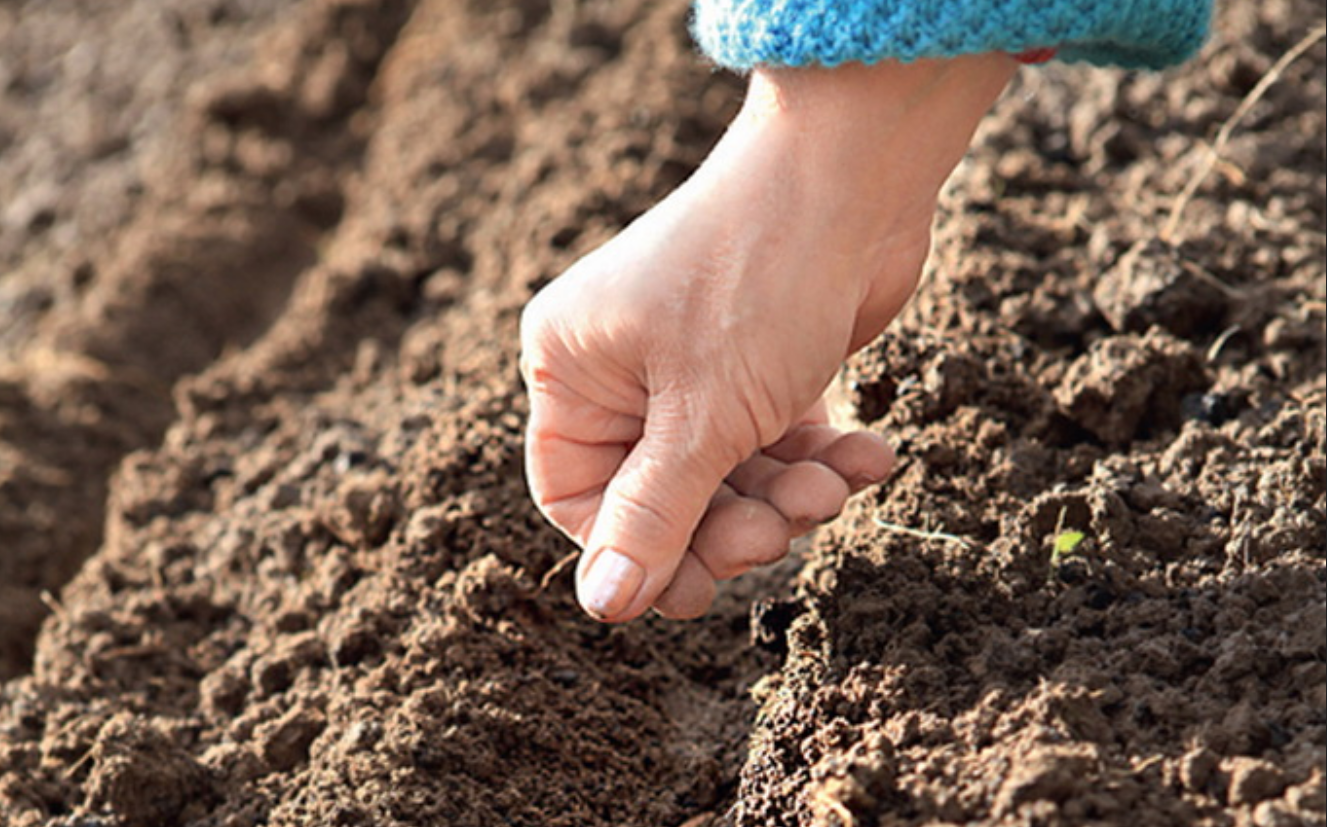
To simplify the process, it's recommended to first mark out the plot, dig all the holes, and only then plant the tomatoes. This layout uses a lot of space and is inconvenient for harvesting, but it does have its advantages: it's the optimal way to plant low-growing tomatoes in a greenhouse. Planting them along the edges saves significant space, as the height of the structure prevents taller tomatoes from growing in this area.
Chess
For low- and medium-height tomatoes that form 2-3 stems, a staggered planting pattern is recommended. This involves planting the bushes in two rows, with a distance of 70-80 cm between rows and approximately 1 m between the two rows. The distance between plants should be 50-60 cm for those forming 2-3 stems and 40 cm for those forming a single stem.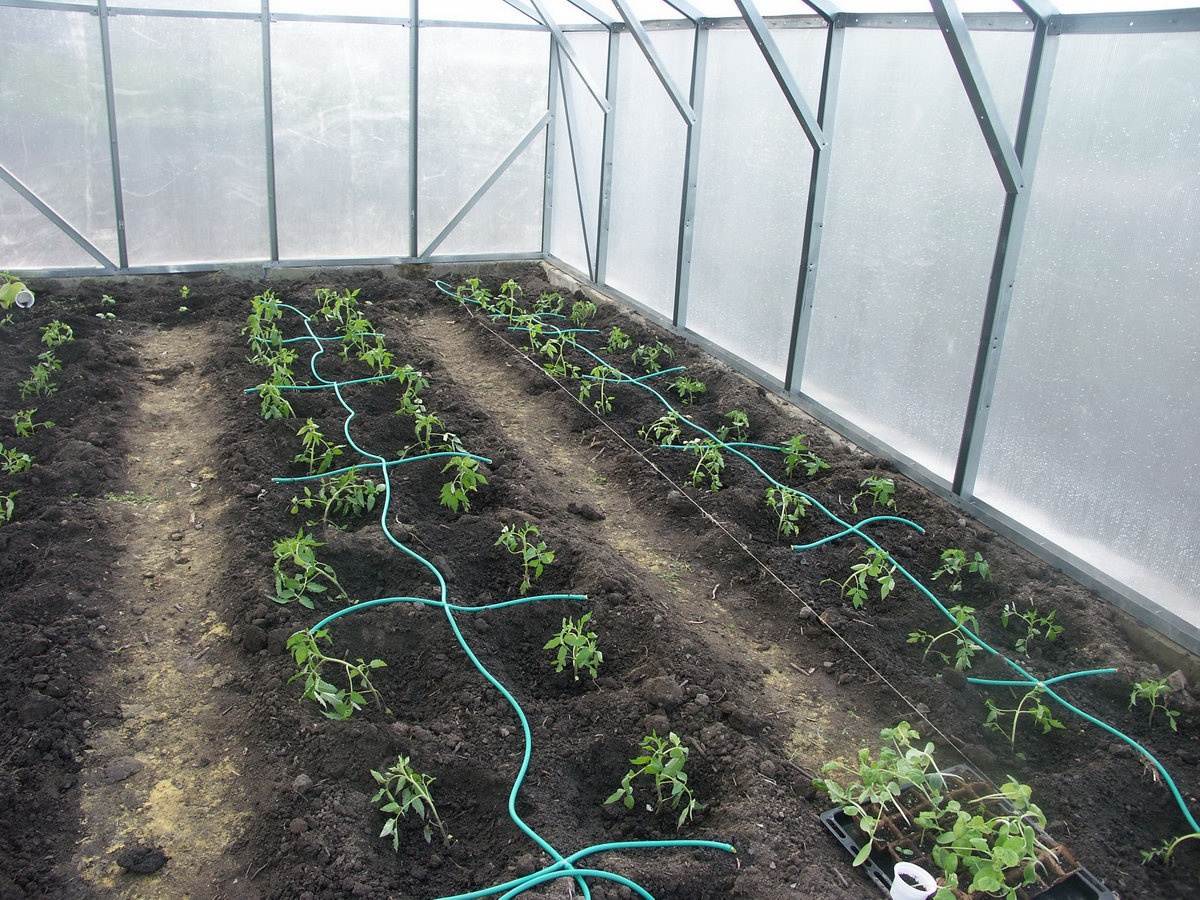
Greenhouse tomatoes are planted slightly differently using a staggered pattern. Low-growing varieties can be planted more densely, 30-40 cm apart, while indeterminate varieties should be spaced at least 60-70 cm apart. To ensure a level bed using a staggered pattern, plant the first row first, then space the second row between the plants.
Ribbon-nested
This technique is similar to the previous one. The only difference is the arrangement of the tomato plants—they are placed parallel. Tomatoes are also planted in two rows, spaced approximately 40 cm apart. A 1-meter-wide path is then formed, and two more rows are planted. The result is a long, even double row. The distance between the plants depends on the tomato variety: low-growing, unbranched varieties are planted 40 cm apart, while vigorous varieties require a spacing of 60-70 cm.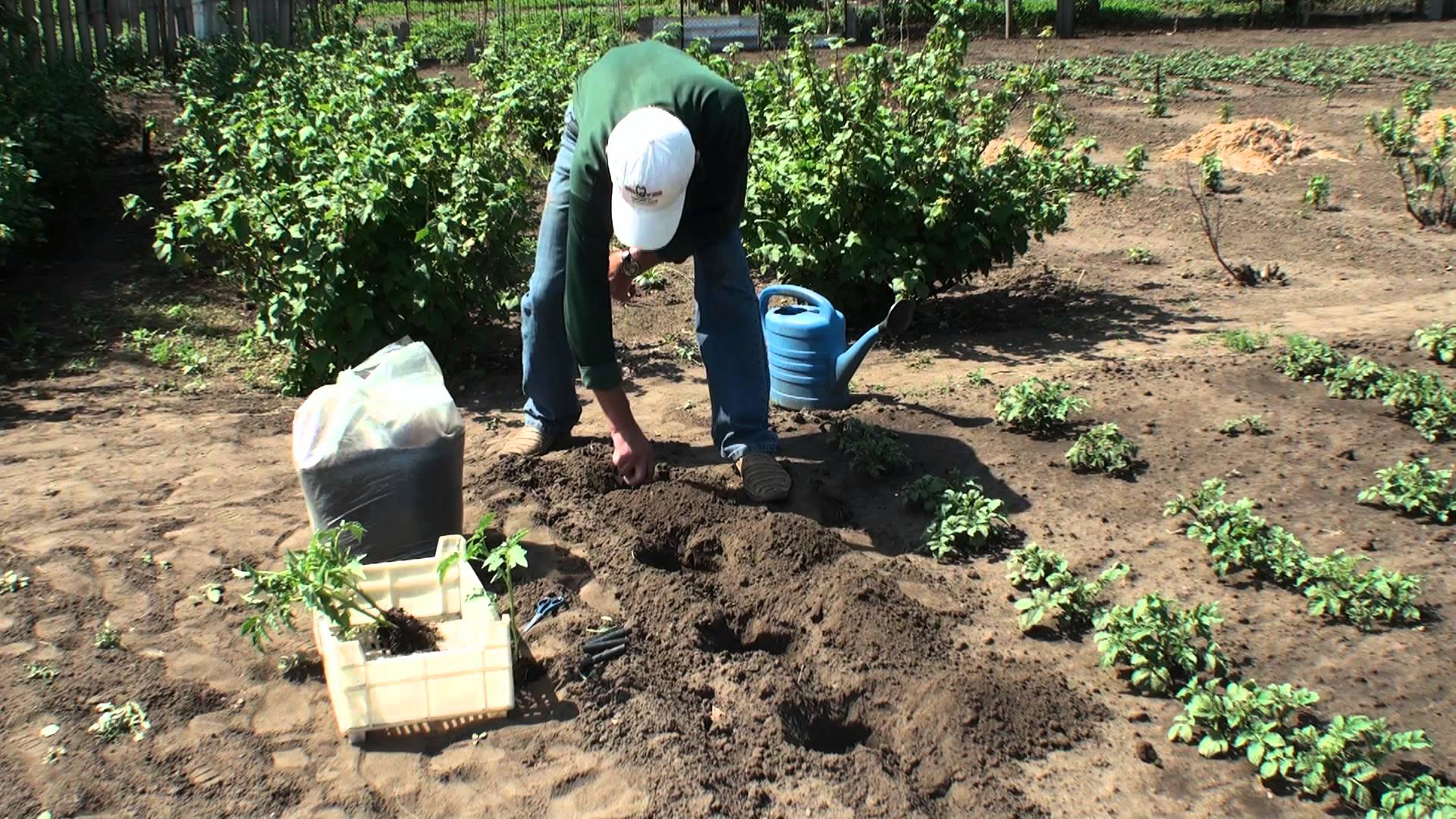
The strip-and-nest method is often used in commercial vegetable growing. It's very convenient for cultivating and harvesting, as it allows for close proximity to the plant. This system isn't ideal for greenhouses, but it's ideal for tall tomatoes, so if space permits, it's a good idea.
Square-nested
Gardeners have been using this planting method since Soviet times and it remains relevant today. It involves planting tomatoes in nests of three plants (one weakest can be removed as they grow) at the following distances:
- in the transverse direction – up to 80 cm;
- longitudinally - about 60 cm.
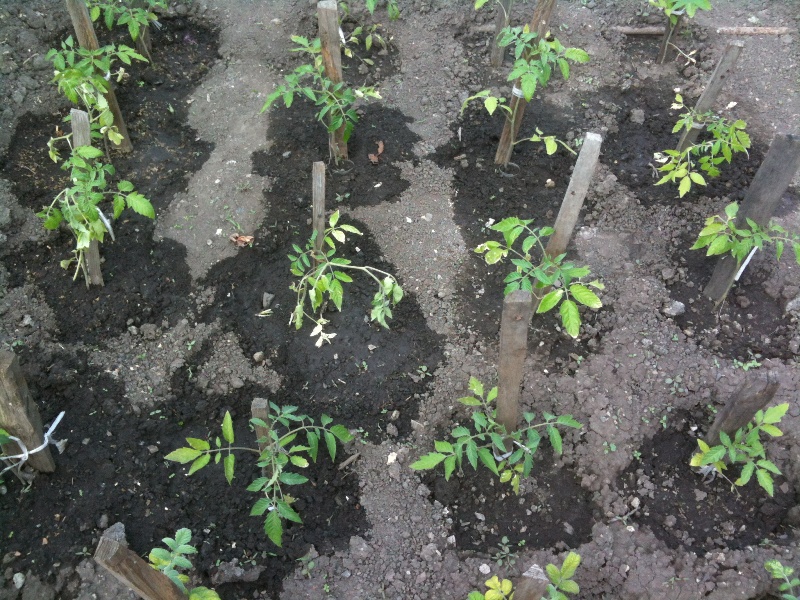
This system can be used on a small plot, as each planted bush will need to be tended manually. This placement method is not suitable for automated cultivation, much less harvesting.
The distance between seedlings in a greenhouse
When growing tomatoes in a greenhouse, vegetable growers face an equally important question: what's the best distance between the plants to save space and avoid crowding? It's worth noting that combining both options isn't easy. Experience suggests that space savings can be achieved by planting low-growing plants in a single row along the edge of the greenhouse and taller ones in the center, leaving enough space between the rows to allow access from one side.
It's important to remember that the soil beneath the bush must always be clean and loosened, and space is also needed for these care activities. If drip irrigation is planned for the greenhouse, a strip-and-nested planting scheme is best.
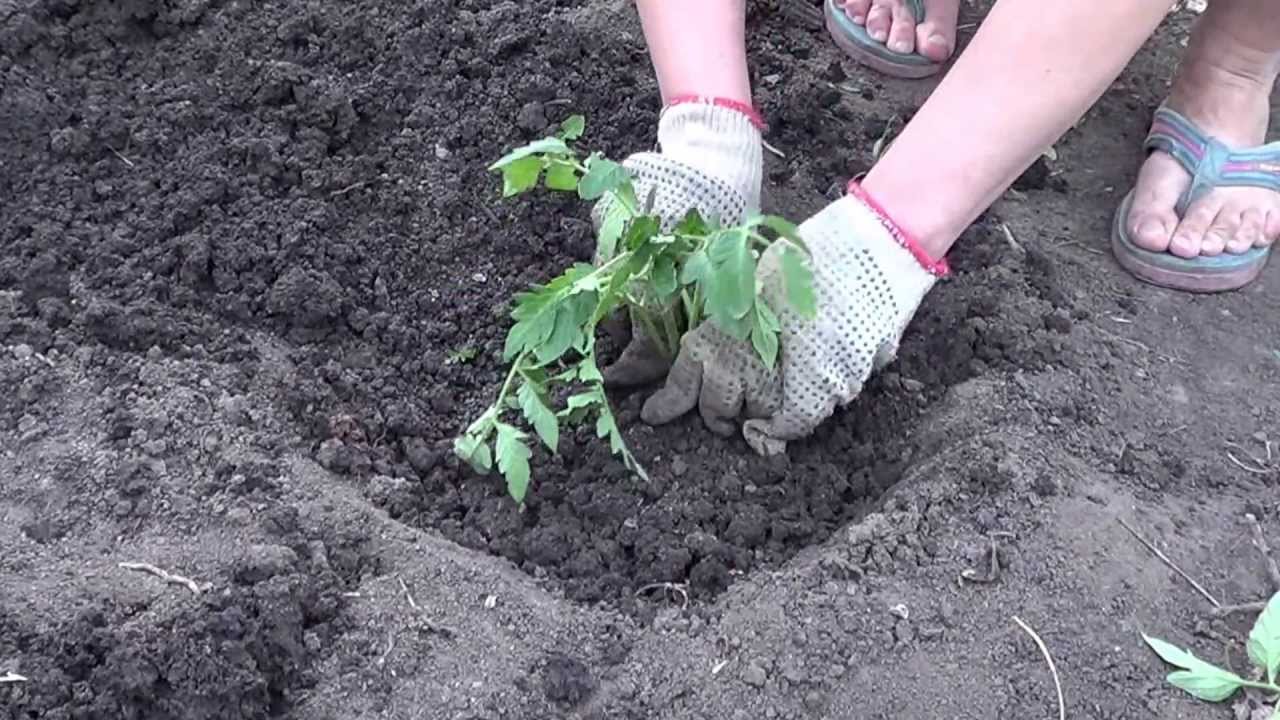
This arrangement of seedlings allows not only for watering but also for mulching and root feeding. A staggered planting pattern is a good way to conserve greenhouse space. The key is to avoid plants coming into close contact with each other, so their flowering and fruiting are unimpeded.
Video "Planting Patterns"
This video will show you how to best plant tomatoes to get a good harvest.