
The Pros and Cons of Growing Tomatoes Hydroponically
Content
Description of the method
Tomatoes are vegetables with a shallow root system. This characteristic makes them suitable for hydroponic cultivation. This method involves filling small containers with a washed and disinfected mixture consisting of fine crushed rock and gravel, slag, moss, coarse sand, expanded clay, coconut coir, and mineral wool. These containers are then placed into larger containers, which are then filled with a hydroponic solution. The nutrient solution can be purchased at a specialty store or prepared at home. Various complex fertilizers are used, adding them as needed. It's important not to exceed the permissible pH level (6.0–6.3).
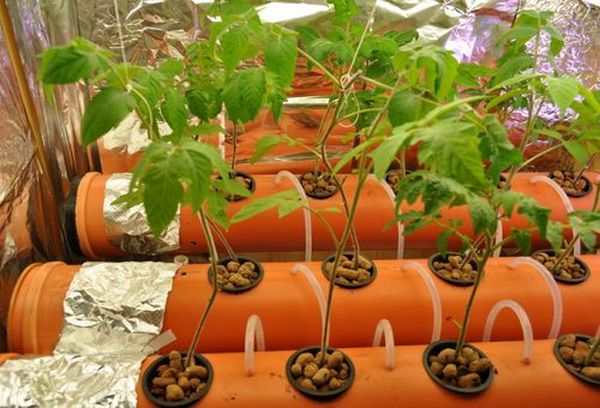
The temperature should be maintained within 20–24, but not below 17 degrees. To promote fruiting, increase the temperature range by a few degrees. Soil temperature should also be maintained around 20 degrees Celsius. A significant drop in temperature will cause the root system to become frozen, directly impacting plant development and yield. A significant increase can cause the tomato plant to lose its blooms. To ensure the tomato stems and root system develop, small containers should be periodically removed. When roots begin to emerge through the drainage holes, the solution in the hydroponic system is reduced to create an air gap of 5–7 cm.
Choosing a tomato variety
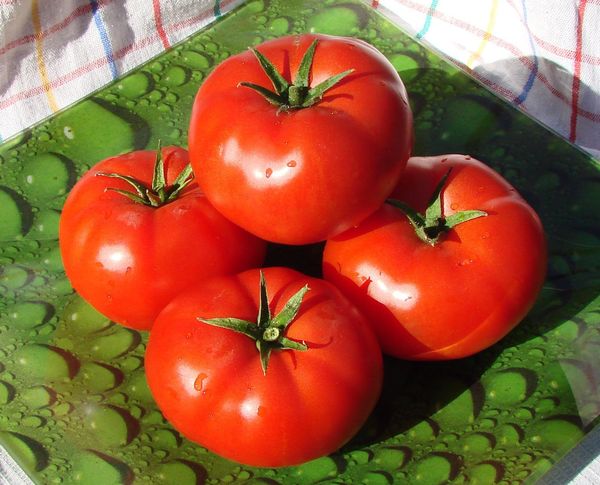
The choice of tomato variety depends on your taste preferences. Hydroponic systems are suitable for growing any variety, but greenhouse and early-ripening tomato varieties tend to produce higher yields. Gavrosh, Druzhok F1, and Alaska are ideal. They require no staking, pinching, or shaping, and are rarely susceptible to viral diseases. The fruits ripen in just over two months. The cluster variety Bon Appétit, which is disease-resistant and boasts large fruits and a high yield, is also a good choice.
What you need for growing
As mentioned earlier, you will need small and large containers and a special substrate.
Since the system requires constant monitoring of the liquid level and the conductivity of the nutrient solution, you'll need to purchase a liquid level indicator and a conductivity meter. The solution's conductivity should be between 2-3 mS; when it exceeds the acceptable range, the solution should be changed. For hydroponic tomatoes, you can purchase the required solution, but if you plan to make your own, the mineral ratio must be precise to the gram. Otherwise, the solution may harm the plant or even kill it. The mixture should be selected according to the crop's growth stage.
Tomatoes need intense light to ensure good growth and fruiting. This can be achieved using fluorescent or ultraviolet lamps.
And the system itself, which can be equipped with features such as a nutrient film system, drip irrigation, and periodic flooding. If the system doesn't have a pump for irrigating the roots with a solution, it can be replaced with a standard aquarium pump.
Planting and growing seedlings
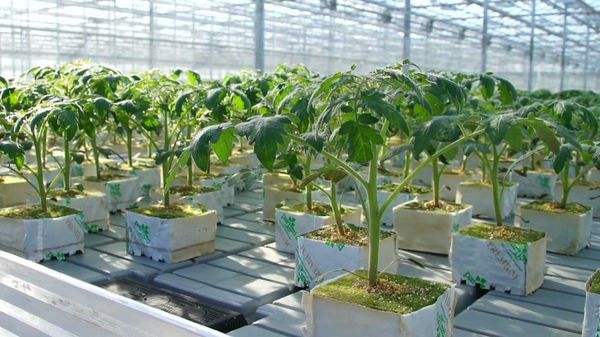
First, the seeds are briefly soaked in a potassium permanganate solution, then rinsed and planted for germination. Special plugs can be used for this, but a sponge or cotton wool soaked in the nutrient mixture will do. Frequent watering is not recommended; once every two days is sufficient. The temperature should be around 21-22 degrees Celsius. They are grown in this manner for about 10 days. Then they are transplanted into special cubes. After three weeks, the cubes are transferred to a pre-disinfected tray and watered generously. The seedlings are then planted in the system, taking into account the required amount of space for each bush.
Further care
Choosing the right solution for the system is crucial, as tomatoes receive all their nutrition from it. If you purchased a ready-made solution, simply dilute it with water according to the instructions. A weak solution concentration will affect the plant's yield, while a strong one can burn and damage the roots. A slightly acidic environment is optimal for tomato growth. You can acidify the solution with potassium hydroxide, and phosphoric acid will help reduce the acidity.
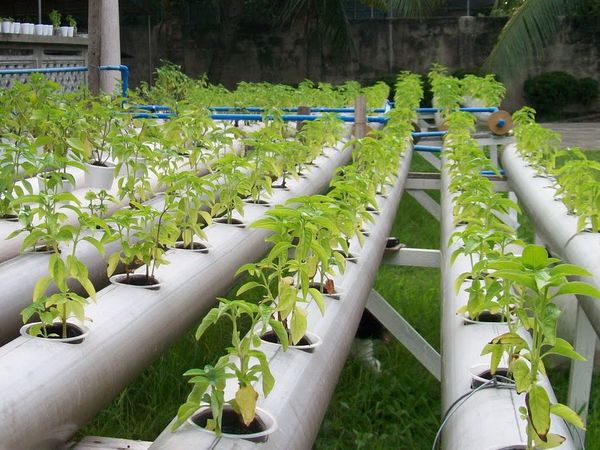
If you've chosen a variety that requires support, you'll need to tie it up once the bushes reach a height of more than 20 cm. Low-growing varieties also require support. Hydroponic tomatoes are pollinated artificially. It's best to use a small, soft brush to transfer pollen from the male flower to the female. Other methods may be ineffective due to humid air.
The plant should grow vertically, so lateral shoots should be removed.
Pros and cons of hydroponics
This method of growing tomatoes has many advantages:
- saving space, fertilizer, water;
- rapid growth, complete absorption of nutrients by the plant;
- time saving and simplified maintenance;
- high yield and quality of tomatoes.
The disadvantages include:
- material costs for purchasing and installing the system;
- possible occurrence of diseases;
- the appearance of pests.
A poor-quality solution can also cause fruit deformation, root damage, and color loss. However, it's still worth a try.
Video: "Fruiting Tomatoes in Hydroponics"
This video will show you how to grow tomatoes hydroponically.