
Benefits and uses of urea for tomatoes
Urea, or carbamide, is a granular fertilizer produced in an easily digestible form. The fertilizer's key element is nitrogen, which, under the influence of bacteria in the soil, is converted into ammonium carbonate in a very short time.
For what?
Like any other fertilizer, urea activates latent vegetative processes in tomato seedlings, helping them gain strength and grow into strong, healthy plants. Its use is widespread during the seedling-growing stage, as the nitrogen component optimizes the development of the root and above-ground parts of the plant.
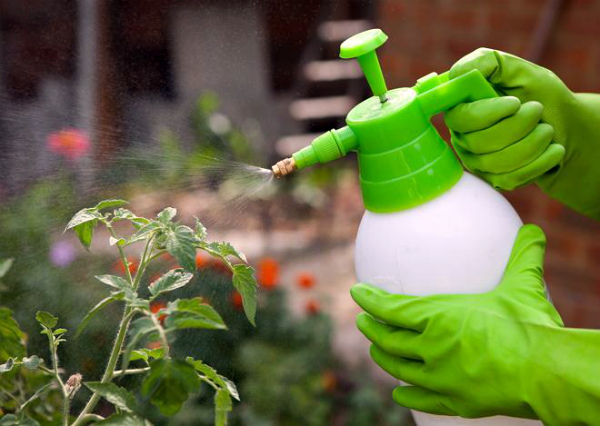
When transplanting seedlings into open ground, nitrogen fertilizers actually hinder tomato growth rather than promote it. This occurs because the plant focuses more on growing foliage than on flowering and fruit formation.
Therefore, during the first months of life in the garden, it is better not to apply nitrogen fertilizer.
What are the symptoms of tomato growth that indicate the plant needs fertilizing? First and foremost, growth is too slow. A lack of micro- and macronutrients in the soil leads to "starvation," which naturally impacts the speed and quality of growth. Secondly, weak, thin, and brittle shoots are a sign of poor growth. Another sign is leaf deformation, yellowing, and premature leaf drop. Furthermore, during flowering, a starved plant will produce underdeveloped inflorescences that fall prematurely, which will impact the harvest at the end of the season.
Urea can be used to nourish tomatoes or their seedlings to give them a head start, but too frequent use can ruin even the most productive crops. Urea's main advantage over other products in this line is that it doesn't burn leaves as aggressively as, for example, ammonium nitrate, making it easier to care for.
Proportions
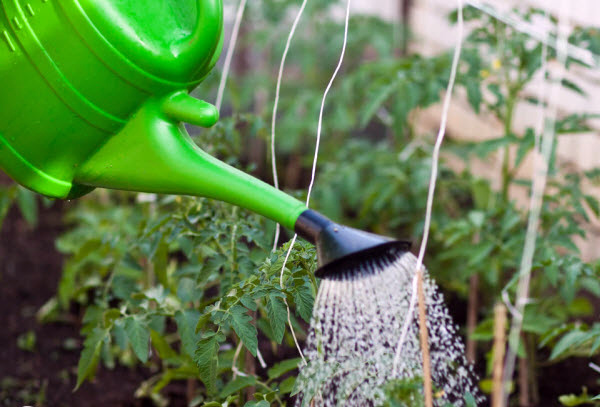
Before applying fertilizer to your garden beds, you should dilute it for watering or mix it with other types of fertilizer to achieve the most effective and beneficial results. You'll need 25 grams of powder or granules per square meter of planting. Dilute them in 10 liters of water. Use 1 liter of the prepared solution for each plant. When transplanting tomato seedlings from boxes to the beds, add 3-4 grams of the solution to the soil in the holes and mix them.
Urea is known to acidify soil, so it needs to be neutralized. Limestone can be used for this purpose, at a rate of 150 grams of urea mixed with 80 grams of limestone per 10 meters of garden bed.
Root feeding during tomato growth is done with a urea solution: 100 grams of the solution is diluted in 10 liters of water. A mixture of urea and neutralized monophosphate can also be used.
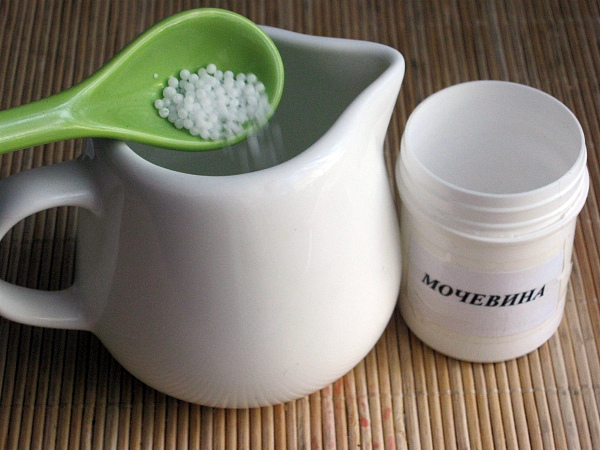
Nitrogen fertilizer, as we've already established, is well suited for fertilizing tomato plants or supporting seedling growth. By following the proportions described above, you can easily fertilize your garden beds during watering. Now let's look at the best time to apply fertilizer.
How to fertilize
The very first feeding occurs during the seedling growth stage. Add 1-2 grams to seed trays to accelerate greening and growth of the plants.
The second feeding is done when the tomatoes are growing in the ground. For this purpose, prepare a mixture of urea, neutralized superphosphate, bird droppings, and wood ash. This fertilizer is best applied before flowering, as it stimulates the plant's vegetative functions, enhancing flowering and fruit set.
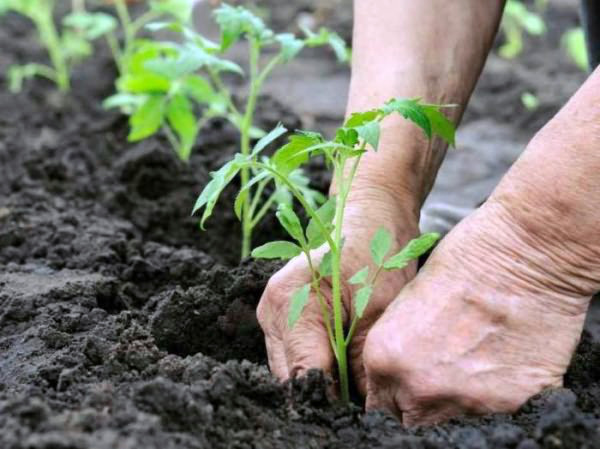
The third feeding should be done no sooner than 15-20 days later, to avoid over-saturating the soil and causing excessive greening of the plantings. A solution of mullein mixed with urea can be used. This is ideal for watering in the evening, when the sun's rays are no longer as strong.
The fourth fertilization is situational. Fertilize the soil if the inflorescences begin to fall prematurely or are not developing vigorously enough. In this case, use a mixture of urea and micronutrients for watering.
You can also use a mixture of urea and potassium permanganate for watering, but remember that most tomato varieties do not tolerate overwatering, as the roots lose free access to air and begin to rot.
The final, fifth, fertilization is also situational and serves a single purpose—supporting the plant during fruit ripening. For watering, use 2-3 grams of the following mineral fertilizers dissolved in 10 liters of water: potassium magnesium sulfate, potassium sulfate, and urea. Also, mix the soil in the beds with wood ash.
Video: Using Urea in the Garden
This video will show you how to use urea as a fertilizer for plant growth and in what doses.