
When should I remove leaves from tomatoes and is it necessary?
Content
Why and for what reason?
Regardless of whether tomatoes are grown in a greenhouse or in the open ground, gardeners always think about the necessity and consequences of removing tomato leaves.
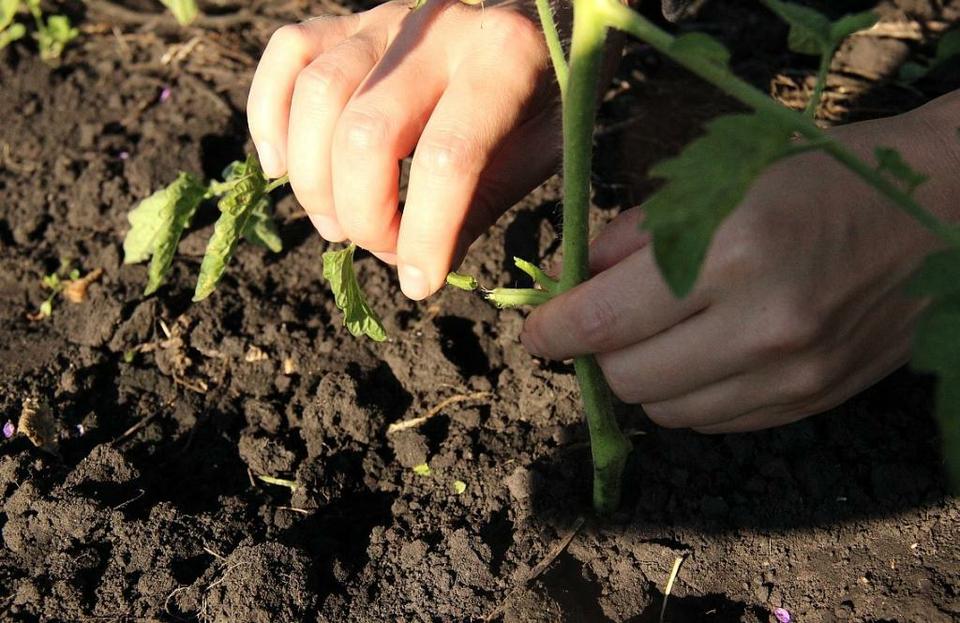
It's common knowledge that the lower parts of the plant that touch the ground should be removed as soon as possible. These leaves promote the spread of late blight and other diseases. Furthermore, many pathogenic microorganisms live in the soil and can easily migrate to the plant. Copper-containing substances can be used to combat the disease. However, this "fight" will not benefit those who eat the fruit, as processed vegetables contain copper ions, which are harmful to humans.
Therefore, it is better to use agricultural methods: removing the lower leaves of the vegetable.
Other leaves should be removed as well, not just those at the very bottom. For example, lower-growing inflorescences should be removed in stages. However, this procedure should be performed no more than twice. The first time to remove the organs is when the ovary reaches the size typical for the variety.

Leaves growing above the first inflorescence should also be trimmed in stages, based on the size of the ovary. Avoid removing too many parts at once, as this will stress the tomatoes, which could impact the quality of the harvest.
Video: "Why You Should Pluck Tomato Leaves"
An educational video about whether tomato organs should be removed.
Leaf removal technique
Tomato leaf removal must be carried out correctly. It's best to trim the "unnecessary" parts in the morning and on a sunny day. This way, the wounds created by the removal will heal faster and prevent them from becoming a breeding ground for disease.
Tomato leaves are easily torn off by pressing the petiole upward, parallel to the stem. Pulling downward, however, can tear off a long strip of the plant's skin.
When signs of disease are visible on the leaves or even the fruit of tomato plants in a greenhouse, these parts of the plant should be removed immediately. If the disease has only affected a lobe, then only that part can be trimmed off, leaving the entire leaf on the plant. Leaves are essential for the nutrition and growth of the plant. Therefore, removing all of them, leaving only the tips, is only possible once 7-8 fruit clusters have formed.
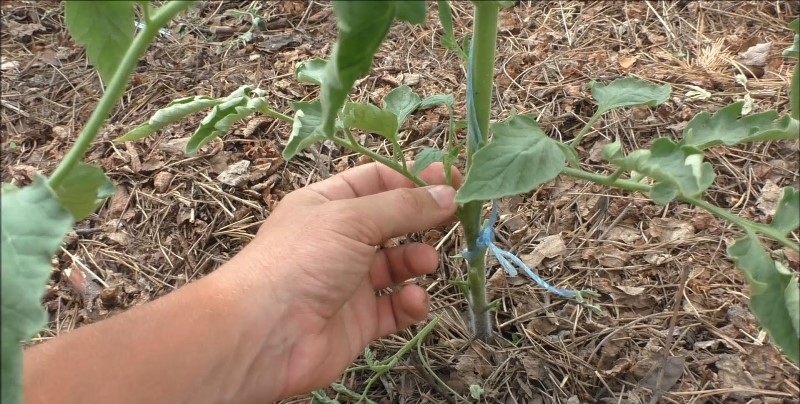
For most gardeners, the question of removal technique remains important: can they be pruned or simply plucked? In principle, there's no significant difference. The key is disinfection after each bush. Therefore, it's best to wear gloves when plucking leaves, and after pruning, scissors should be treated with alcohol or a saturated solution of potassium permanganate. It's a good idea to always have a bottle of ready-made disinfectant on hand, whether at the dacha or in the greenhouse. After all, disinfecting tools will prevent widespread contamination of tomatoes.
Which leaves should I pick?
The tomato leaf is the organ responsible for respiration. Therefore, gardeners, especially beginners, often wonder which tomato leaves should be removed. Indeed, if the leaf is young and healthy, there's no need to remove it. Green and well-lit, it brings many benefits to the plant. But over time, such a leaf dries out, becomes spotted, weakens, or even becomes a breeding ground for various diseases and fungi. Therefore, such leaves should be removed immediately.
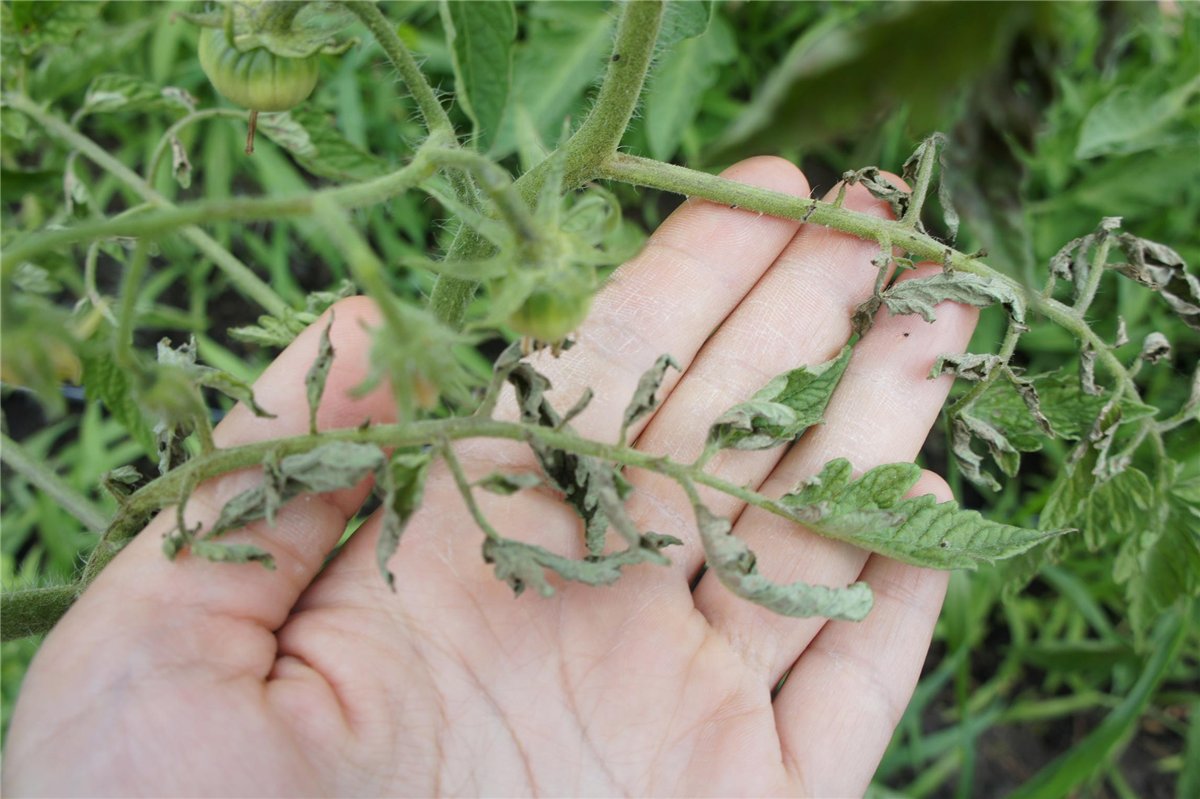
Another important aspect of proper tomato care is to perform thinning of the bushes. It's essential to remove all leaves growing in the north, in the shade of other crops, or deep within the soil. These leaves are constantly in the shade and provide virtually no benefit to the plant. Thinning can also significantly improve ventilation between the bushes, which is especially important when growing vegetables in a greenhouse.
Organs growing from the flower clusters are also subject to removal. Sometimes, after flowering, the bush continues to grow, forming new shoots and organs on them. If all the ovaries have already formed into full-fledged fruits, then it is better to remove such “growths”. However, if the main stem turns out to be barren, you can leave several ovaries on this additional one.
Some leaves should be removed when transplanting the plant into the soil. However, this procedure should not be done immediately, as it can cause seedling diseases. It's best to trim the leaves gradually, but 7-10 days after transplanting, all parts of the plant should be removed before the first ovary or flowering. This procedure will allow the plant to properly direct its energy toward fruit formation.
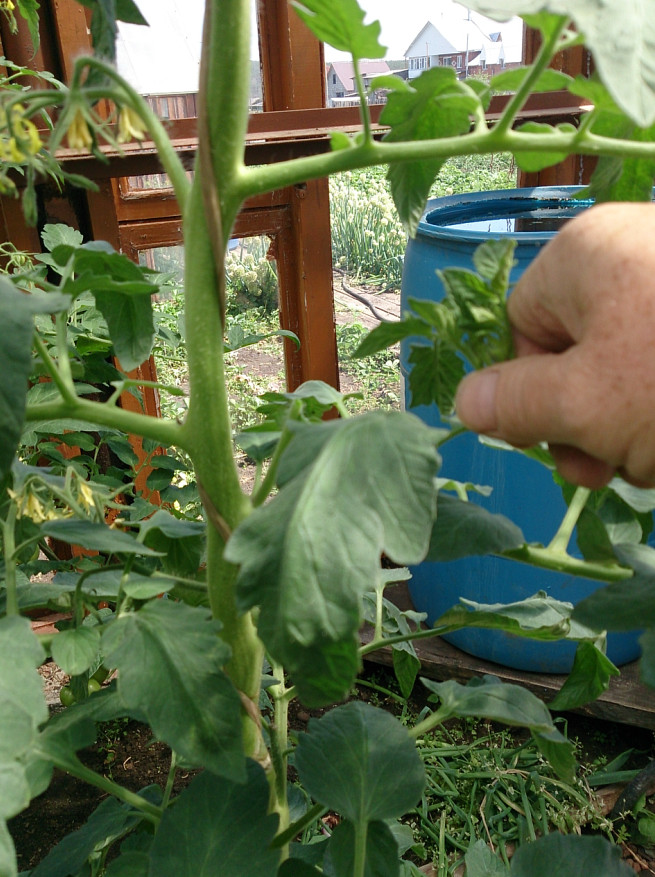
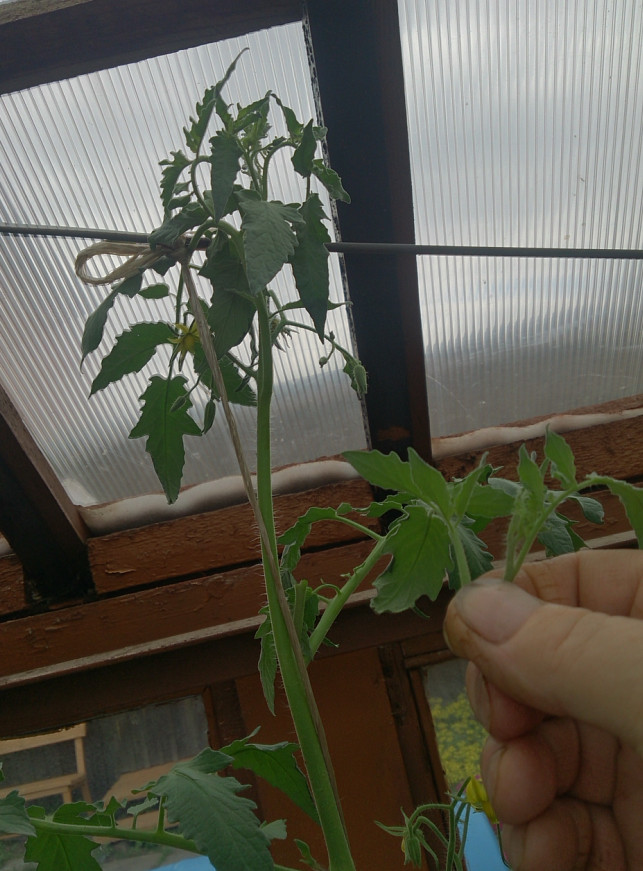
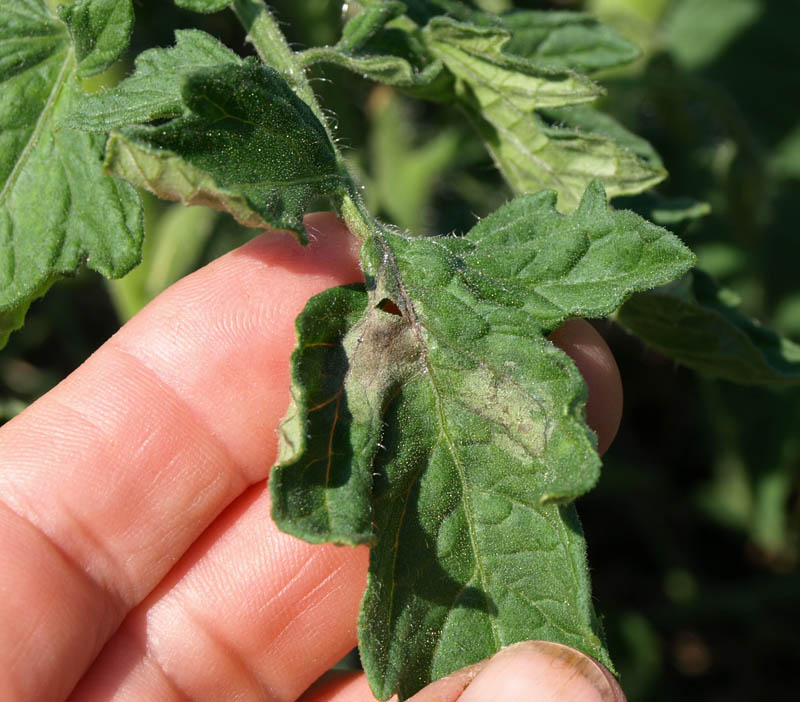
You can figure out when to pluck tomato leaves in a greenhouse by simply observing the plant. If it becomes overly branched, it's time to trim off the excess. Firstly, sometimes the leaves make it impossible to reach the stem to tie it up. Secondly, a bald plant will receive more sun and moisture.
How much and when?
It's recommended to trim 2-3 tomato leaves twice a week. However, the frequency of removal depends on the specific plant's growth characteristics. Sometimes, up to 6 leaves can be removed at a time without harming the plant.
To properly perform the removal procedure in a greenhouse, follow this rule: when the fruit hasn't set yet, all the leaves should remain above them. Once the ovaries have formed, all the organs below them can be removed.
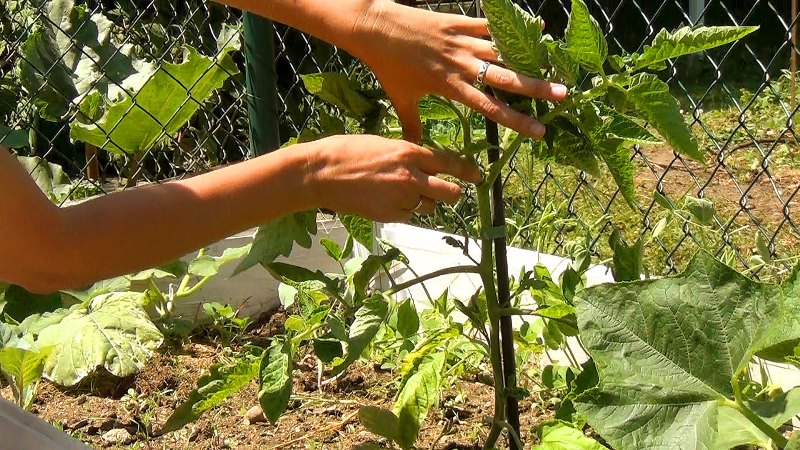
In early August, pinch off the tops of the bushes, as the remaining bushes will not have time to produce fruit. After this procedure, all but a few topmost parts can be harvested. This is an excellent preventative measure for many diseases.
To ensure natural sap flow, a couple of leaves should be left above the topmost inflorescence.
So, plucking tomato leaves is a necessary procedure that has a positive effect on the plant. It helps get rid of pests mechanically, not chemically. The main thing is to carry out the procedure in accordance with all the rules and recommendations of experienced gardeners.
Video: "Pruning Tomato Leaves"
Video tutorial on trimming tomato leaves.