
How and when to plant tomatoes in open ground with seedlings
Tomatoes don't tolerate low temperatures well, as well as high humidity, which actively stimulates fungal growth. Furthermore, tomatoes are very fond of light. A lack of light causes weak seedlings and delays flower and fruit set. Sufficient light shortens the growing season, while a lack of it prolongs the growing season.
Content
Planting dates
The vegetable's popularity is largely due to the fruit's nutritional value and pleasant taste. Tomatoes are grown from seeds in greenhouses. In open ground, they should be planted as seedlings.
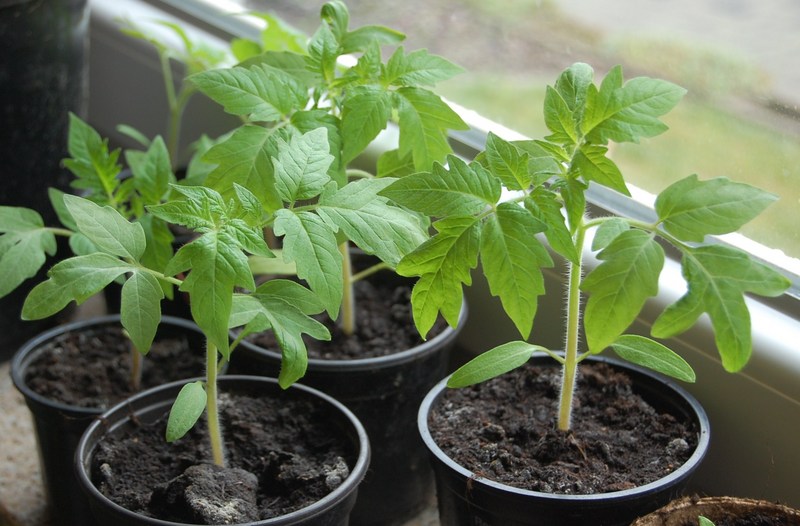
To harvest the first crop as quickly as possible, it's essential to first grow strong seedlings. These should be planted outdoors in early May.
Unlike other plants, tomatoes aren't as picky about soil. They can be planted in both slightly acidic and neutral soil.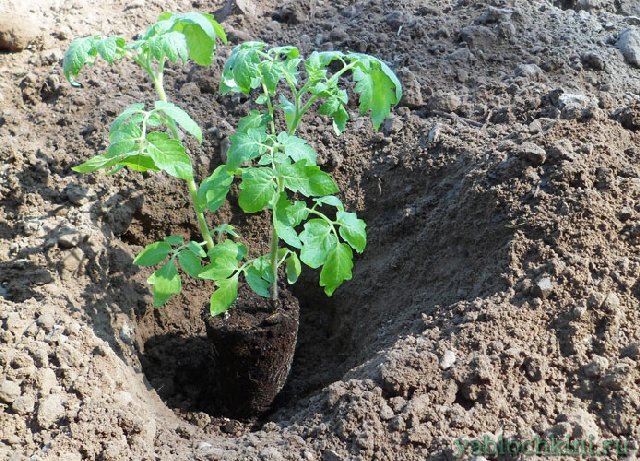
When no further frosts are expected (usually in May-June), tomatoes should be transplanted from the greenhouse or hotbed into open ground.
If young seedlings are transplanted to their permanent location prematurely, late frosts and low nighttime temperatures will negatively impact the process. The seedlings will establish themselves in their new location faster and better after they have been hardened off. This process typically takes four days. To do this, the seedlings are taken outside for a few hours or the greenhouse or hotbed is thoroughly ventilated.
Video: "When to Plant Tomatoes"
The video's author reveals the specifics of planting tomatoes.
Selecting a site
Often, all failures in the process of growing early planted seedlings are due to improper preparation of the sprouts, the choice of the location for the bed, and the timing of the procedure.
As noted earlier, tomatoes thrive in full sun. Therefore, the ideal location for planting is a south-facing plot. It's best to plant them in a location well protected from the wind. Tomatoes also don't tolerate high humidity, so it's best to avoid planting them in damp, low-lying areas near groundwater. Planting in light, open soil with a neutral or slightly acidic pH is considered successful. The optimal soil pH is between 6 and 6.7. Loamy soil, rich in organic matter and minerals, also thrives.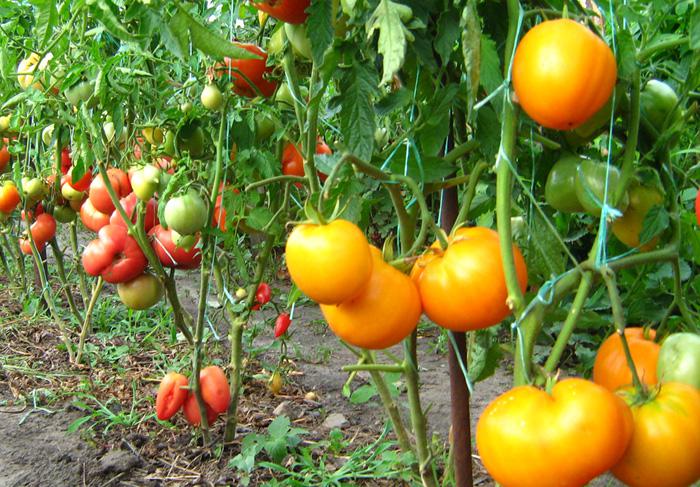
When deciding on the area where you plan to plant a crop, it is worth considering the predecessors that grew there earlier.
Tomatoes will grow well after root vegetables, legumes, and greens. However, areas previously used for potatoes, peppers, tomatoes, eggplants, and tomatillos are unsuitable for growing plants due to the risk of late blight.
It is also worth noting that tomatoes can only be planted in the same area at intervals of 3-4 years.
Soil preparation
The soil in which tomatoes grow is also important for a good tomato harvest. Southern elevations, fertile and sunny, are ideal for early tomato varieties. Heavy, wet soils are the worst conditions for the growth and development of these plants.
It's worth noting that working in your garden exposes you to parasites. They easily enter the body through contact with soil, where they actively multiply and manifest on the body as papillomas, warts, and fungi.
To fully prepare the soil, it must be fertilized with complex fertilizers. Some soils are pre-treated with potassium permanganate and Bordeaux mixture.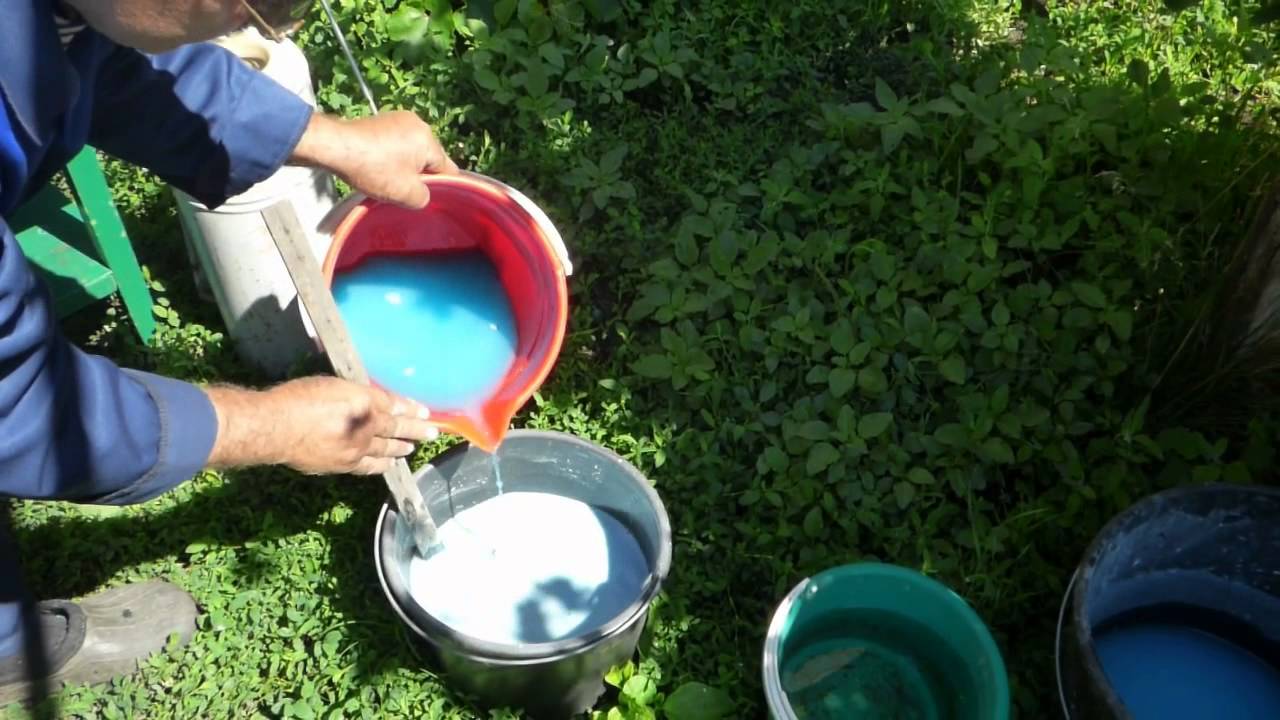
Depending on the tomato variety and soil conditions, plants are grown one to two years after fertilizing with manure. Early tomatoes and dwarf vegetables are best planted in the first year after fertilizing with manure, while taller tomatoes should be planted the following year. Manure is typically applied at a rate of 3-4 kilograms per unit area.
Liming of soil with a pH below 5 is carried out in the fall. A few weeks before planting in open ground, the soil is dug over, weeded, and then leveled. If the soil has not previously been fertilized with manure, compost is added at a rate of 5-6 kilograms per unit area. The soil is also fertilized with nitrogen phosphate at a rate of 0.03-0.06 kilograms per unit area. This soil fertilization is accomplished by mixing the nutrients into the 15-centimeter soil layer.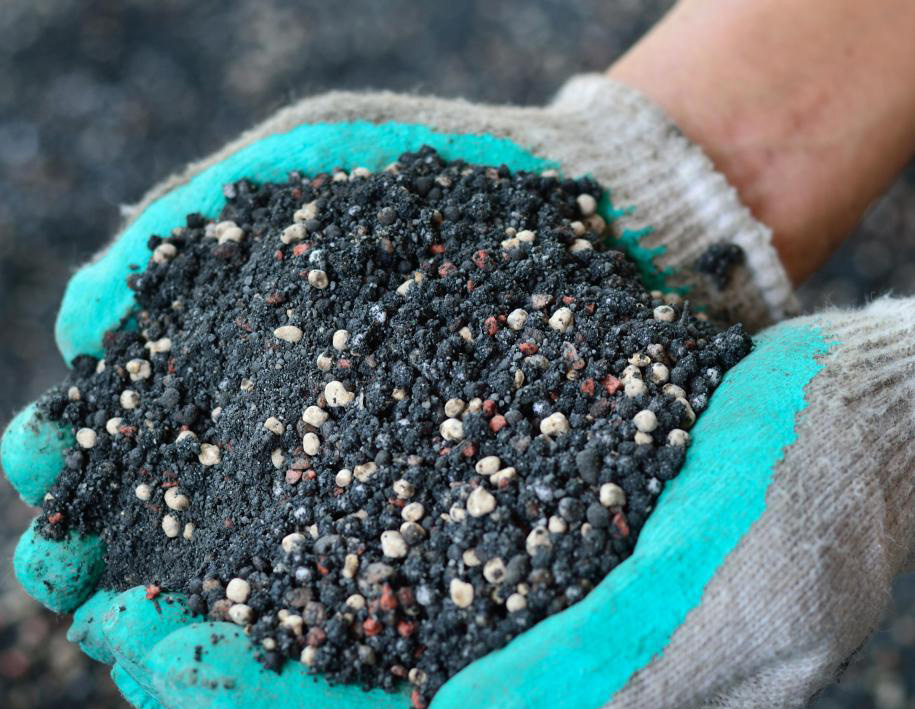
The areas loosened in the fall are harrowed and cultivated in the spring. Before planting, the soil is loosened again to a depth of 17 centimeters and saturated with mineral fertilizers: superphosphate, potassium salt, and ammonium nitrate. Fresh manure should never be used as fertilizer for tomatoes! This promotes vigorous growth of the green part of the crop, and the fruits will ripen slowly. Applying fertilizer in layers is more effective. Therefore, more than half of the phosphorus and potassium fertilizers are applied during tillage, with the remainder applied into pre-dug and prepared pits.
How to plant
The timing of planting seedlings in open ground depends on the tomato variety and the geography of the area. When the air temperature reaches 12°C or higher, you can expect the seedlings to be frost-free. This is when they are transplanted into open ground. Seedlings are considered ready for transplanting to their permanent location when they are about 25 centimeters tall and have at least six leaves. In greenhouses with weeds, seedlings can grow much taller. Seedlings about two months old are considered ideal for transplanting. However, these seedlings are more difficult to grow without them becoming leggy. For this reason, some seedlings are best planted at 45 days old, weather permitting. Strong seedlings are characterized by a thick, short stem and full-fledged leaves.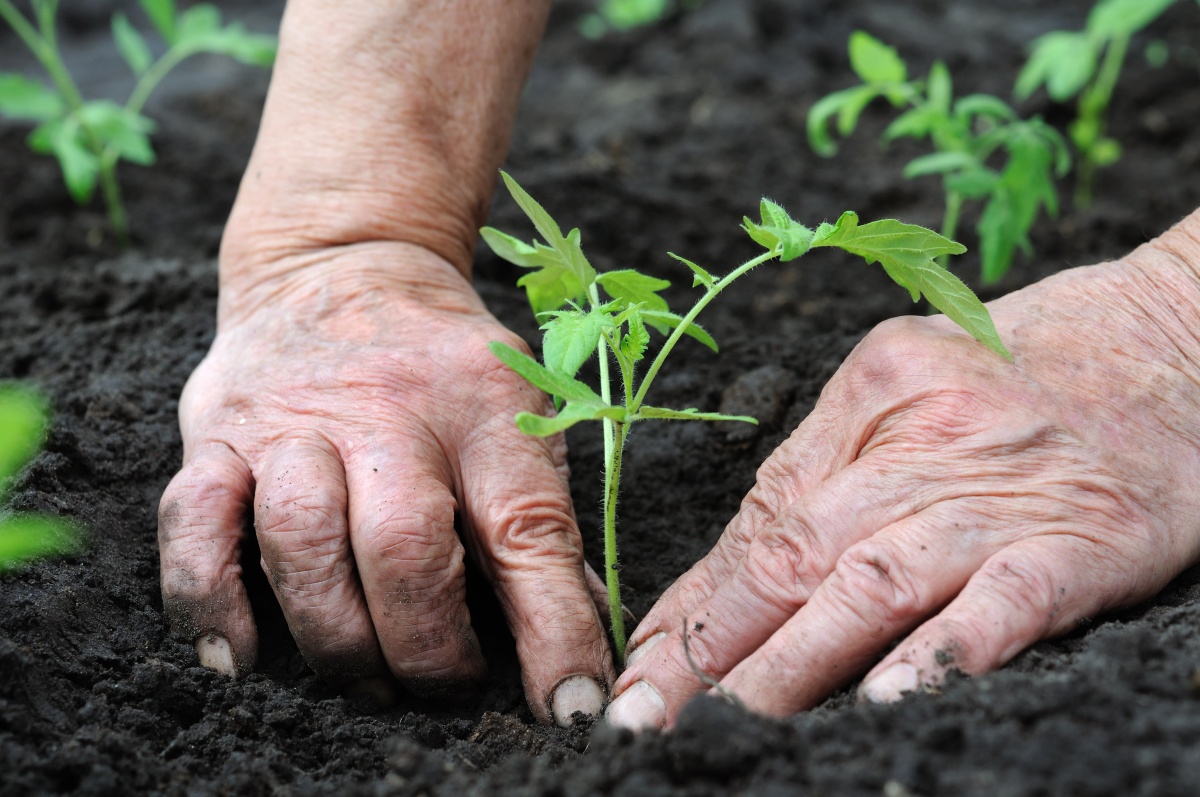
Early tomatoes are ready for transplanting to their permanent location when their first flowers have formed. This occurs thanks to proper temperature conditions in the greenhouse and hotbed, as well as hardening off the young shoots after they develop their fifth leaf.
During the first warm days, the seedlings are transplanted into unprotected soil. This way, they can "establish themselves" in their new location before the cold weather sets in. At dachas and estates, the seedlings are usually covered with plastic, paper, and the like. The seedlings are planted gradually. After early planting, some seedlings are left as replacements in case the first batch dies from frost. All remaining seedlings are planted once the frosts have completely passed.
Before transplanting a tomato crop to its permanent location, consider the planting pattern. If the distance between plantings is insufficient, the vegetables will grow poorly and their yield will decrease. If the distance is too large, the plants won't be harmed, but there won't be room for more plantings. Therefore, it's best to plant vegetables in rows in prepared holes. For low-growing tomato varieties, maintain a distance of 40-50 centimeters between rows and up to 35 centimeters between plants. For taller varieties, rows should be spaced every 1.3 meters, with a distance of 0.9 meters between plants.
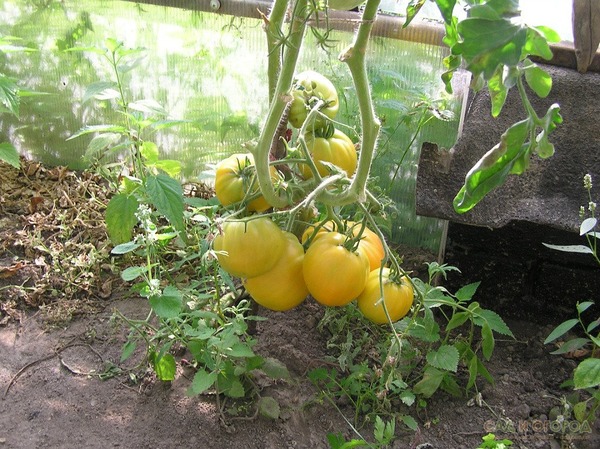
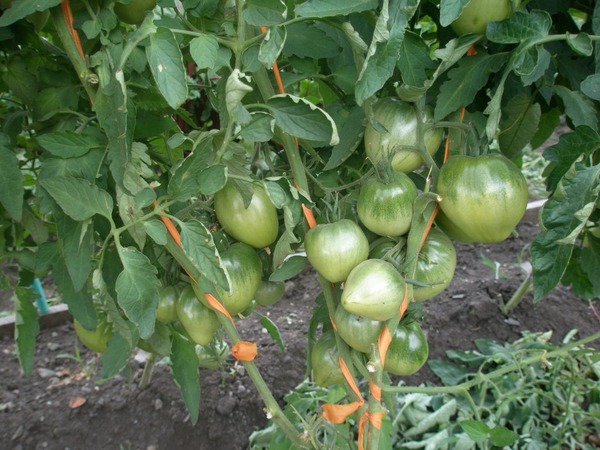
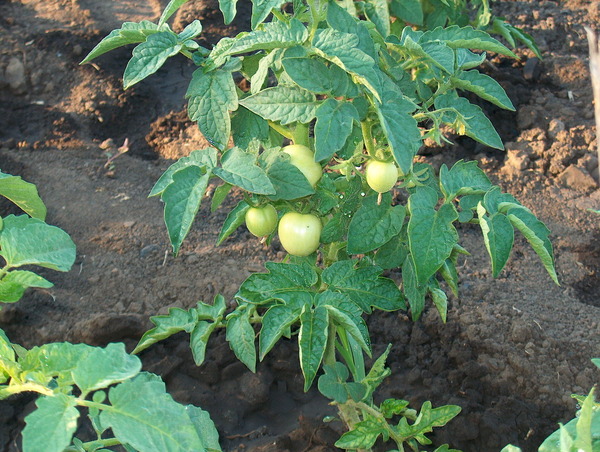
So, tomatoes are ideal for growing both indoors and outdoors. You can determine when to sow the seeds and then transplant the seedlings into the soil yourself. However, when calculating, it's important to consider the vegetable variety, growing conditions, and the region where the crop is grown.
Video » How to Plant Tomatoes »
An experienced farmer shares methods for planting tomatoes in open ground.