
When to remove the lower leaves from tomatoes?
Content
Should I pick off the leaves?
There are several opinions regarding whether it's necessary to remove leaves from tomato plants and their seedlings. Experienced gardeners insist that the procedure is beneficial and therefore essential.
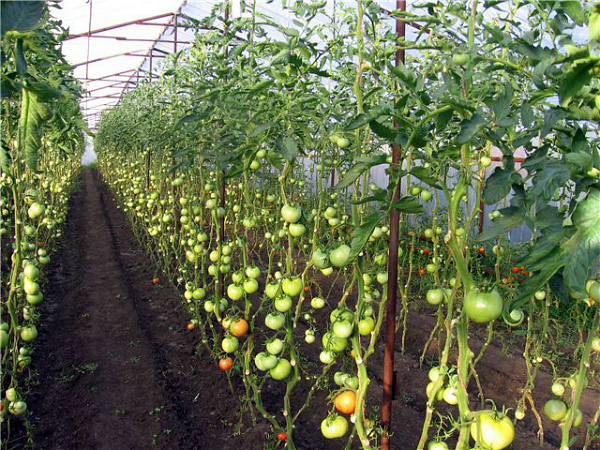
There are several reasons why tomato leaves need to be trimmed:
- The plant's massive lower organs evaporate large amounts of moisture and "feed" on minerals intended for fruit formation.
- Because of their size, the lower leaves impede the free movement of air, leading to high humidity. This is precisely the environment in which bacteria harmful to plants thrive.
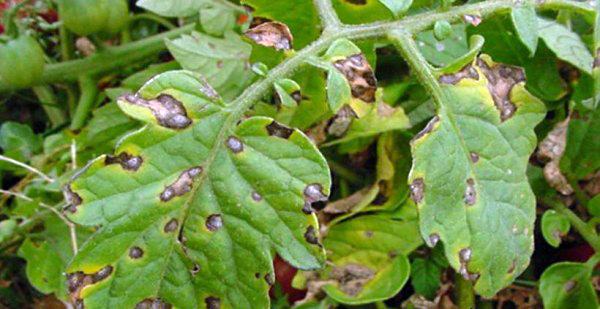
- When wet tomato leaves touch the ground, they begin to rot, which promotes the growth of harmful microorganisms and triggers various diseases. For example, late blight often begins in the lower leaves of the plant.
It's worth noting that yellow leaves with spots and necrosis should also be removed immediately, as they provide an ideal breeding ground for disease. This reaction is caused by improper care.
First and foremost, and as often as possible in the future, remove old, dry leaves located at the base of the bush. These are the parts of the plant that become covered in spots of varying nature and color.
You should also trim off any thick, north-facing foliage on tomato plants. Removing "useless" tomato parts is helpful for better ventilation. Furthermore, trimming "fat" stems is also important to increase yield.
To prevent disease, tomatoes can be treated with copper-containing products. However, this "treatment" is detrimental to the fruit. Therefore, it's best to remove the lower leaves.
When to cut off and how to do it correctly?
Why is simply removing tomato leaves sometimes insufficient to achieve the desired effect? Because the procedure must be performed correctly and at the right time.
If a leaf begins to partially dry out, the affected part should be trimmed off and the healthy part left. After all, it is the green parts of the plant that carry out photosynthesis and nutrition.
From time to time, the vegetable needs some light. To achieve this, it's best to remove the north-facing foliage and the foliage growing deep within the plant. These foliage grows in the shade and is less important for photosynthesis.
Tomato leaves located below the inflorescence should be removed gradually. Sometimes, after the flowers appear, the stem continues to grow, causing new inflorescences to appear. However, it's important to remember that this puts additional stress on the plant, so it's best to trim them off.
Leaves above the first inflorescence should be removed gradually to avoid damaging the tomatoes. If the main flower cluster has turned into a small number of tomato fruits, you can leave a few ovaries on the newly grown shoot.
There are also a number of rules that, if followed, will help you achieve maximum positive results:
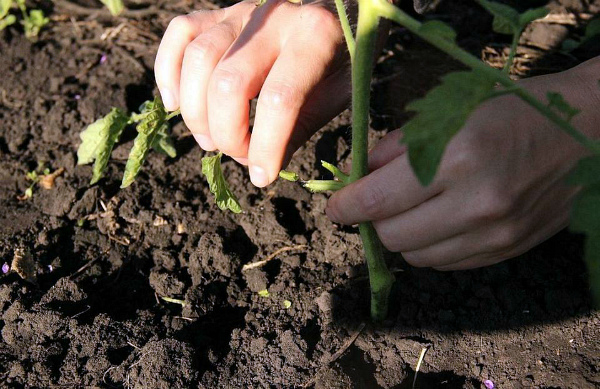
- It's best to remove leaves and side shoots from seedlings in the morning (before 12 noon) in good, warm weather. Under these conditions, the plant will heal wounds faster, and pathogens will be unable to penetrate the plant.
- Don't overdo it with leaf removal. Two or three leaves a few times a week is enough to grow healthy tomatoes from seedlings. However, it's important to monitor the plants regularly. The frequency of removal should be adjusted based on each individual case.
The plant tolerates the removal of three shoots twice a week well. However, it's worth noting that sometimes this plant organ needs to be removed on a large scale if there's a risk of disease.
Multiple removal of leaves does not affect the further development of plants.
When the first tomatoes appear from the seedlings, the leaves growing below the fruits are removed.
When August arrives, in regions with a comfortable climate, tomato tops are pruned. Why? It's generally accepted that new fruits won't fully develop due to weather conditions, and the plant itself no longer needs as many of its green parts. Only the top four leaves should be left. A couple of leaves above the top cluster should be intact. Only then will the normal flow of sap throughout the plant be possible.
Sometimes it's easy to tell when to remove tomato leaves. While observing the planted tomatoes, you might notice the leaves of the seedlings turning yellow and falling off. It goes without saying that these parts of the plant should be removed. It's time to transplant when the bushes have grown sufficiently and individual parts of the seedlings have begun to "fatten up."
Removing vegetable leaves in a greenhouse has its own unique challenges. Why? Because growing vegetables in a greenhouse is somewhat different from growing them in open soil.
After planting the seedlings in the greenhouse, the bushes are shaped by pinching out the side shoots. Removing the lower leaves of the bushes is most often caused by overcrowding. This causes poor air circulation in the greenhouse and makes it excessively humid.
When humidity in a greenhouse is high, seedling leaves fall off. This environment also encourages the development of pathogenic microorganisms.
Tomatoes require careful care. Almost anyone can grow tomatoes from seedlings and use them productively, as long as they follow the rules and recommendations. Removing the lower shoots from tomato bushes has a positive effect: the fruits become larger, ripen faster, and the plant itself is practically disease-free.
Video: "Why Trim the Bottom Leaves of Tomatoes"
Find out why you need to trim the lower leaves of tomatoes and how to do it correctly.