
When to plant tomatoes outdoors: expert advice
Content
Timing of seedling planting
Tomatoes are a heat-loving crop. Therefore, planting seedlings outdoors always depends on the atmospheric and climatic conditions specific to each region. This means that tomatoes can be planted outdoors after the risk of nighttime frost has passed and the soil has warmed up slightly during the day.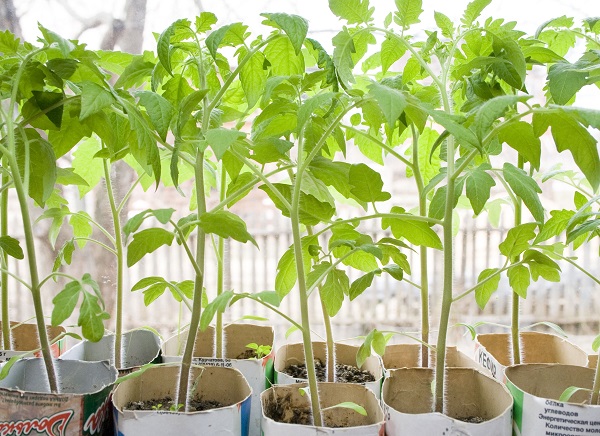
Favorable conditions for planting tomatoes typically appear in May. It's best to plant tomatoes in the second half of the month. In some cases, planting seedlings in early June or late April is acceptable. However, the optimal time is May.
The main factor to focus on is temperature. To transfer young plants to the garden beds, the following conditions must be met:
- absence of night frosts;
- establishment of warm weather for a long period;
- sufficient warming of the soil.
In addition to climate conditions, it's important to understand that each tomato variety has its own planting requirements. However, the regional climate still has a fundamental influence. Therefore, planting dates for seedlings in Russia, Belarus, Ukraine, and other countries may vary.
To plant tomatoes correctly, it's important to choose not only the right time but also the right time of day. Experts believe the best time to plant is midday. This is because the soil has time to warm up well by evening. This gives the plants the entire night to absorb the warmth from the soil and strengthen their roots.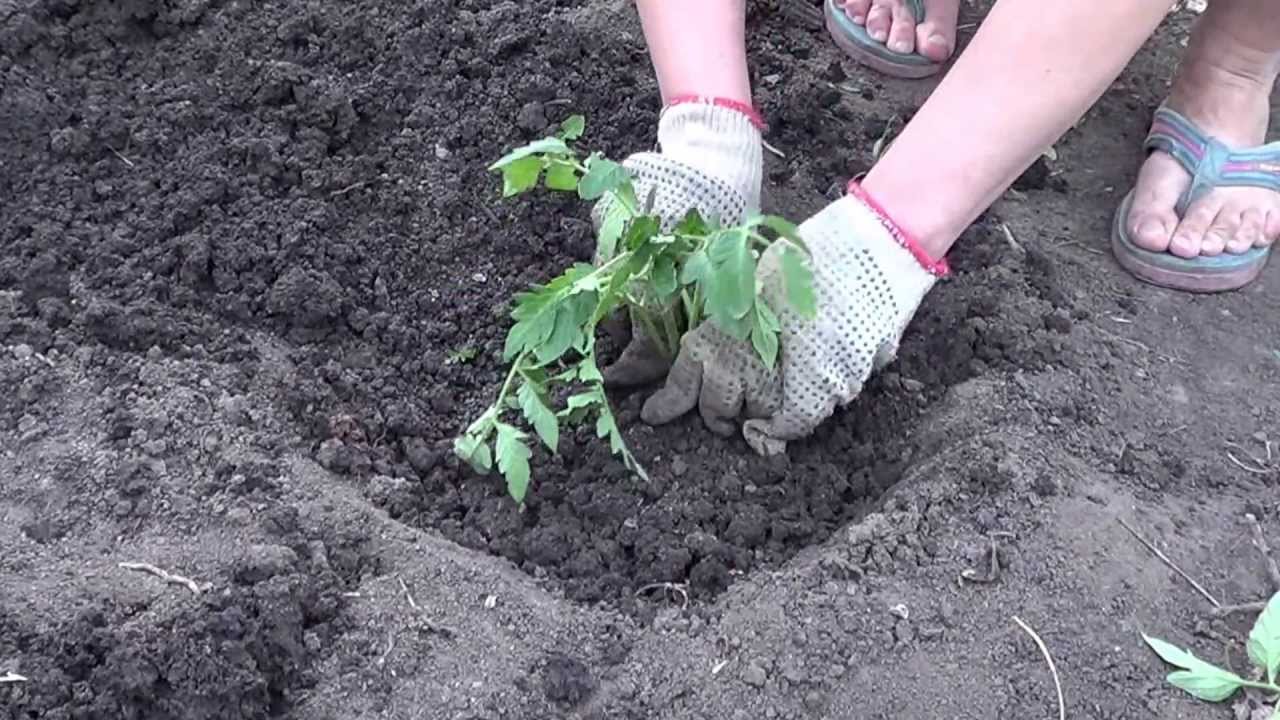
It's best to have cloudy weather on the day of planting. This will prevent the plants from wilting. If this procedure can only be performed in the morning, avoid watering the newly planted beds that day.
To ensure healthy and strong seedlings grow, sow seeds in March (at the end of the month). This will allow the young plants to grow and strengthen by this time. Before transplanting them outdoors, place the seedlings under plastic sheeting.
Video: "When and How to Plant Tomatoes"
This video will tell you when and how to plant tomatoes in open ground.
Selecting a site
Choosing a site is crucial when growing tomatoes yourself. The right choice determines how easy or difficult it will be to care for the plants, as well as the yield.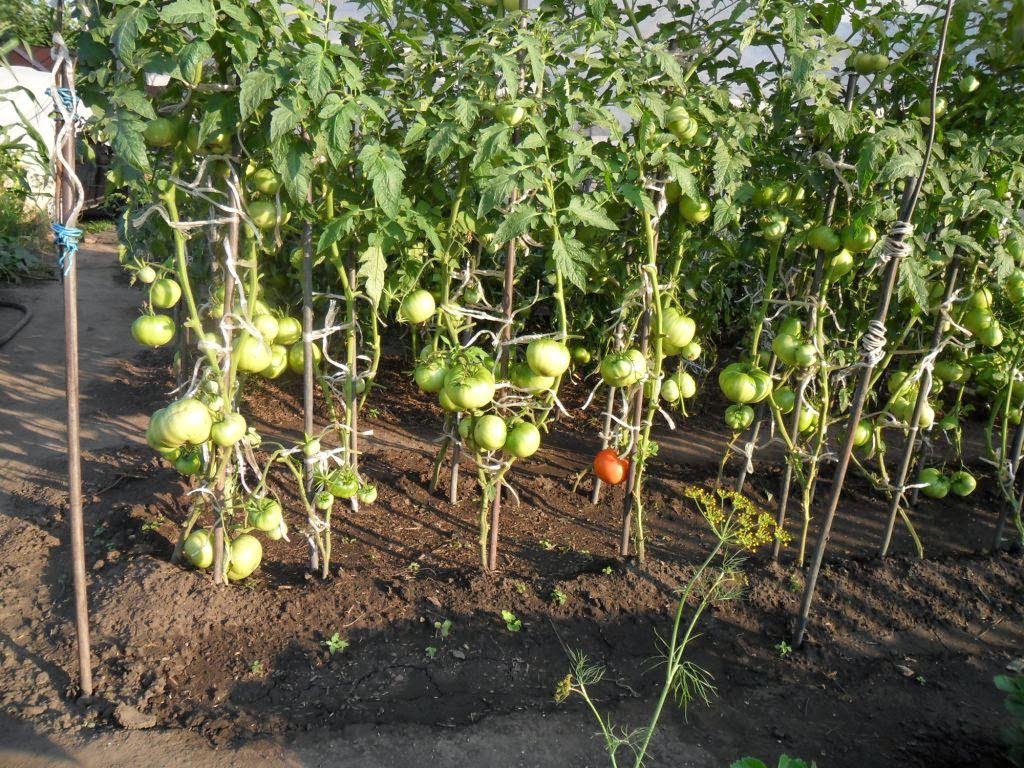
A dedicated plot should be selected for tomatoes. Crop rotation must be strictly observed. The chosen site should not have been previously planted with unsuitable crops, such as potatoes, other tomato varieties, peas, peppers, tomatillos, or eggplant. Excellent predecessors for this crop include legumes, cucumbers, onions, and cabbage.
The plot should be well-lit throughout the day. Therefore, it's best to choose sunny, elevated areas of the garden. The soil should not be overly wet, as excess moisture will lead to reduced yields in the future.
Initial preparation of the selected site involves disinfection. All plant debris should be removed from the soil and burned, as it often harbors pathogens for a wide variety of diseases. For disinfection, prepare a hot solution of potassium permanganate or copper sulfate and pour it over the area where the tomato plants will grow.
Site preparation should begin in the fall or spring, after the snow has melted. Before planting tomatoes in the ground, prepare the beds for the plants. This preliminary preparation involves the following steps:
- digging;
- loosening;
- leveling.
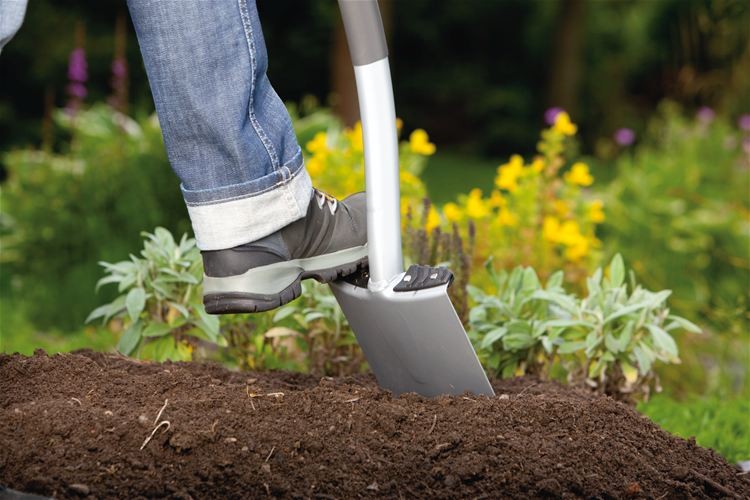
These manipulations will enrich the soil with oxygen and create favorable conditions for the growth and development of tomato plants. When preparing the plot, remember not to over-tille the soil. After all, in addition to cultivated plants, weeds can also grow in the beds.
The main stages of preparing the selected site are carried out approximately a week before the seedlings are planned to be planted. It is especially important to apply fertilizer to the soil at this time.
Fertilization
A week before the tomatoes are expected to be planted in their permanent location outdoors, the soil in the selected area is fertilized. Superphosphate, wood ash, and compost are used in this case. Some experts recommend using complex fertilizers. After this, thoroughly dig the soil. This will allow the beds to warm up better over the remaining week and also provide oxygen.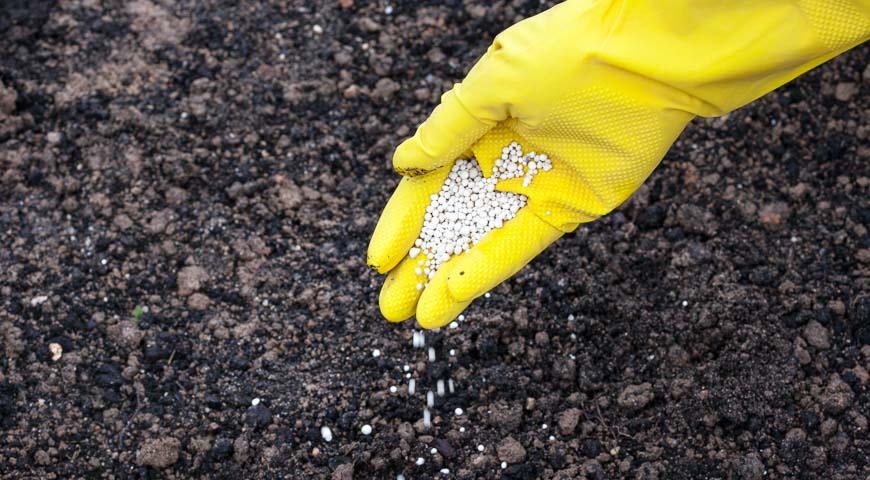
Once the soil has been fertilized, you can make holes in it. The size of the holes directly depends on the characteristics of the variety being grown (spreading of the bushes, shoot height, etc.).
The remaining fertilizing is carried out after the planted bushes have taken root:
- The first fertilizing is done two weeks after planting. For each square meter of planting, apply 8-10 kg of saltpeter, 10-12 kg of nitrophoska, 5-6 kg of urea, as well as 20-35 g of potassium salt and superphosphate.
- The next (second) feeding is carried out 20-25 days after the first application of fertilizer to the beds. In this case, the same fertilizers (in the same ratio) are used as the first time.
If the bushes begin to wilt, feed them with bird droppings (diluted with water at a ratio of 1:14) or mullein (diluted with water at a ratio of 1:10). Soak them for 24 hours. Then, mix 0.5 liters of the solution with 10 liters of water and water the plants. If wilting continues after a week, repeat the process.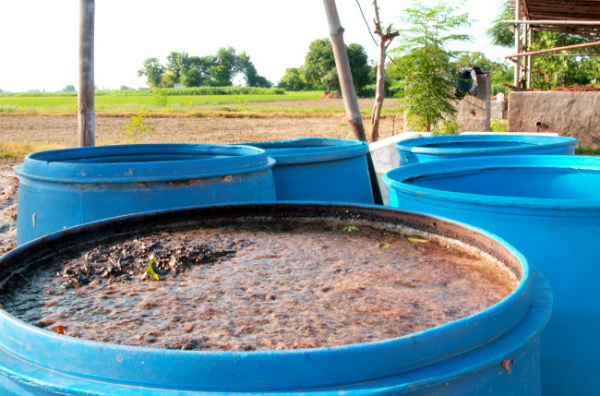
Subsequent feeding should be carried out only if necessary.
How to plant seedlings correctly
Now you know when to plant tomatoes. Now you just need to figure out how to plant them outdoors. Today, tomatoes can be planted using the following methods:
- square-nested;
- ribbon-nest.
Let's look at each scheme in more detail.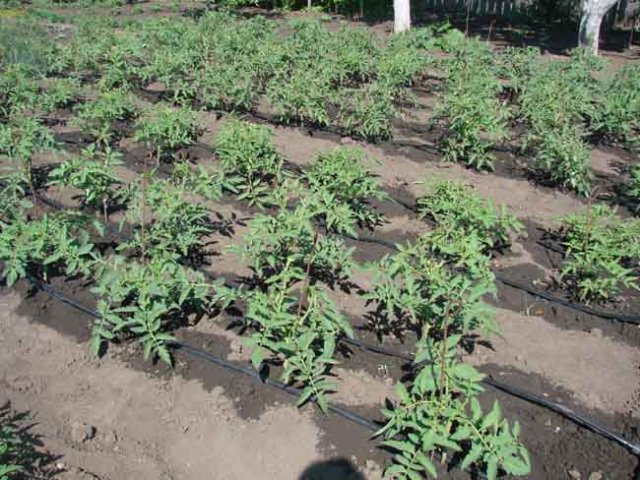
The square-nested planting pattern is used for tall varieties. When growing these plants, inter-row cultivation is especially important. This helps keep the soil loose and allows for efficient and convenient weed control.
This scheme involves planting bushes at the corners of a square. This reduces the number of plants per row. To maintain a healthy harvest, the plants are planted in nests. This means placing two or three bushes next to each other.
Growing tomatoes this way is advantageous because it reduces labor costs by approximately half and shortens cultivation time by 10-20 working days. Mechanized cultivation is also possible, even in two directions. This method allows for significantly higher yields, thanks to timely and regular inter-row cultivation. Therefore, the square-nested planting pattern is very popular among gardeners.
The strip-nest tomato planting scheme allows for more plants to be planted in the same area compared to the square-nest system. Its advantage is that closely spaced plants are able to withstand various weather conditions much more effectively.
The scheme calls for irrigation furrows spaced every 140 cm. Tomatoes should be planted on both sides of these furrows. It's important to keep in mind that tomatoes thrive in a space of 0.3 square meters under optimal conditions. Therefore, to ensure the plants are well-developed, they need adequate space.
The use of a strip-nest system allows for the use of a mechanized method of plant cultivation, as well as the effective removal of weeds.
Gardeners use a method whereby tomato plants are planted in pre-prepared holes measuring 30 x 30 cm. A small amount of ash/superphosphate, along with compost, should be added to the bottom of the hole. Water is then added to the holes and the seedlings are planted.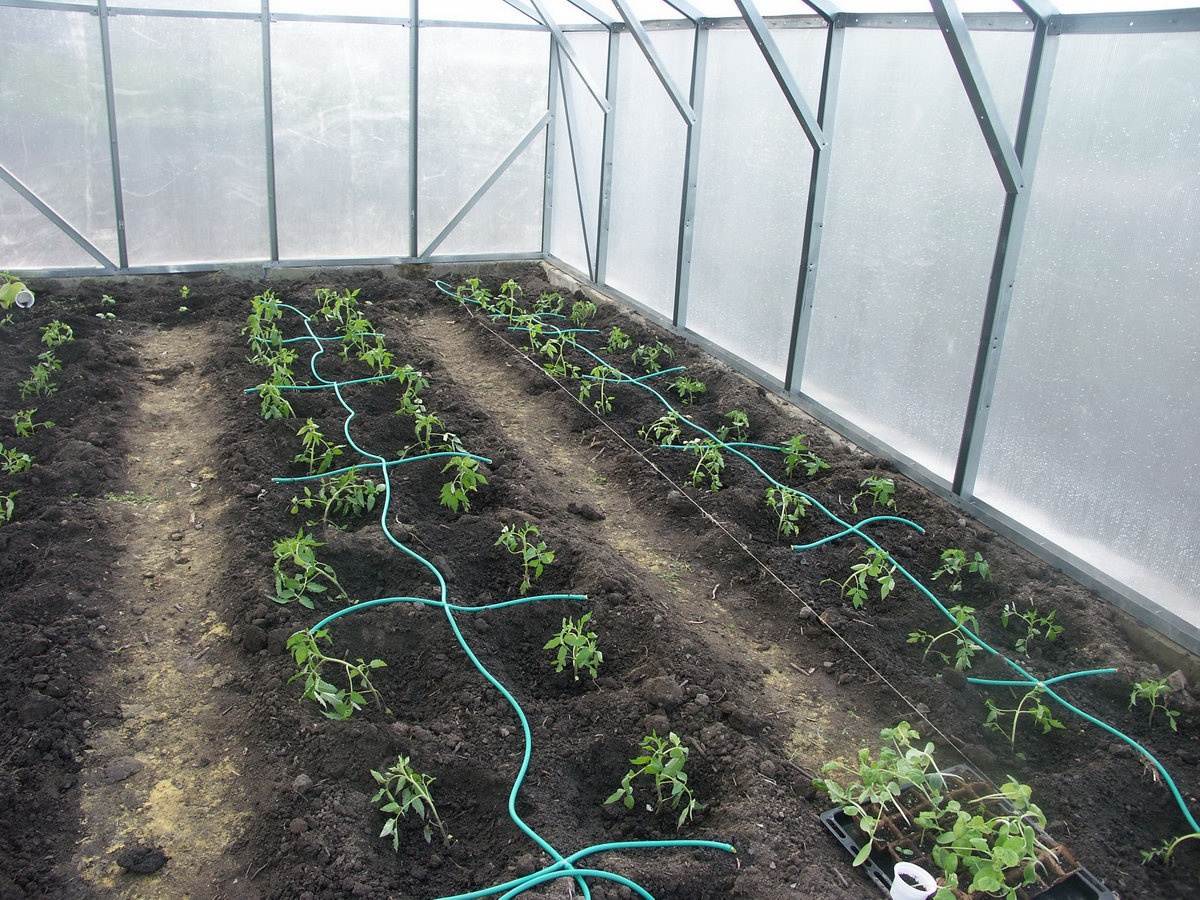
All possible tomato planting patterns are widely used in Belarus, Russia, and Ukraine. They all share the same important parameter: spacing, which must be maintained for optimal growth and development of the plants, as well as their subsequent fruiting.
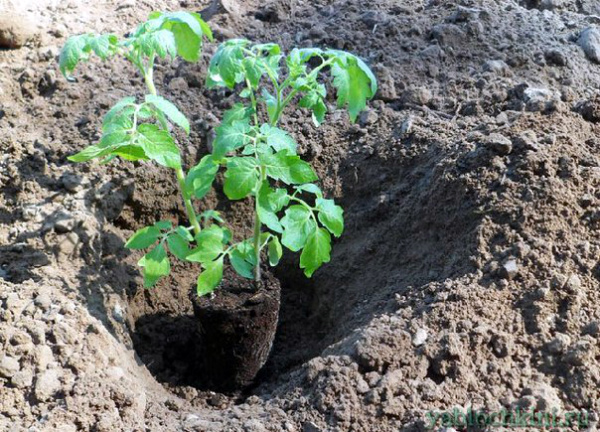
Whatever planting method you choose, you must handle the seedlings carefully. This is especially important when removing them from their original containers. The seedlings must be transplanted along with the root ball.
The hole depth is usually equal to the height of the plastic cup. The first leaf of the plant should be above the soil. This will make it easier for the plant to take root.
Place the plants in the holes and carefully cover them with soil. You can sprinkle a little compost on top, which will act as additional fertilizer and help the plants establish themselves better in their new location.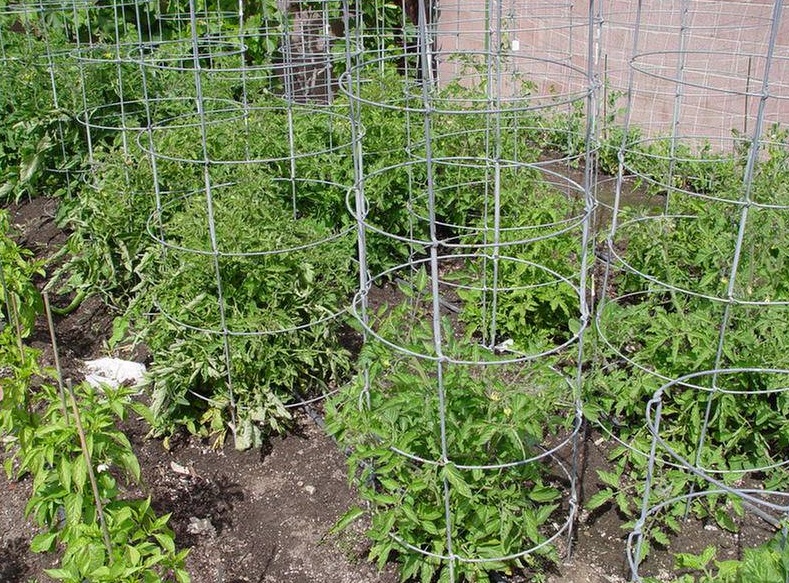
Once the planted bush has grown, it is tied up. All plantings are then regularly cared for.
Care
Now that we've figured out when to plant tomatoes outdoors, it's time to figure out how to care for them. The quality and quantity of the harvest depend on proper care. After all, improper care can easily undo all the effort and effort put into growing and transplanting the seedlings.
All the care needed to grow delicious tomatoes consists of four important steps:
- watering;
- loosening;
- weed control;
- top dressing.
After transplanting seedlings and before they take root, it is important to water them properly.
The water regime is organized as follows:
- when planting young seedling bushes, 1.5 - 2 liters of water should be added to each hole;
- during the flowering period, 20-35 liters of water are added per square meter of plantings;
- during the period of ovary formation, 40-50 liters of water should be poured per square meter of plantings;
- During the period of tomato formation, watering per square meter requires adding 70-80 liters of water.
When harvest time arrives, watering is gradually reduced. This helps protect the plants from various diseases and fruit cracking.
To ensure the full development of plant roots, it's necessary to periodically loosen the soil. Cracks in the soil surface negatively impact root formation, which can lead to either slower development or even death.
After planting the seedlings, it is recommended to loosen the soil every 3-4 days. Immediately after the plants have established themselves, they should be hilled. This procedure should be repeated after another 10 days. Additionally, loosening should be done every time you water, to a depth of 10-12 cm. Going deeper can damage the plant's root system. An additional 4 cm can be added to the 10-12 cm after about a month, and the loosening depth at this point should be 16 cm.
Soil fissure cultivation is performed before the tops close. This increases the air and moisture content of the soil. This procedure involves creating fissures in the soil. The distance between them should be 1 m, and the depth should be 60 cm.
Another important aspect of tomato care is weed control. This involves periodic weeding of the beds. At the same time, the soil is dug and treated with special weed control products.
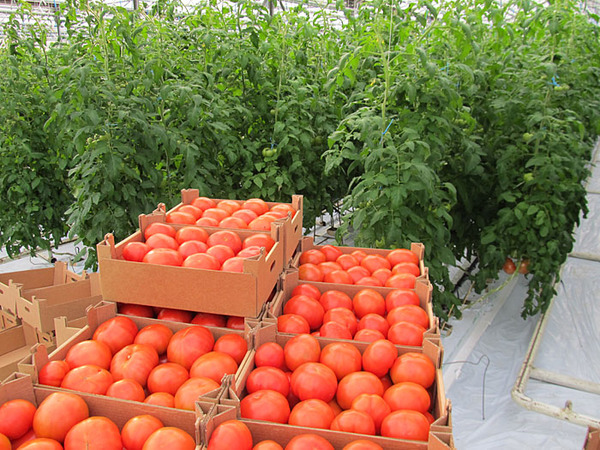
Don't forget about essential fertilization. In early spring, mineral fertilizers are recommended, while compost is recommended during the growing season.
As we can see, transplanting tomato seedlings into the ground is a complex and sequential procedure. The quality of the harvest at the end of the growing season depends on the correct implementation of all stages and instructions.
Video: "Caring for Tomatoes After Planting"
This video will show you how to care for tomatoes immediately after planting them in the ground.