
Calcium nitrate: how to use it as a fertilizer for tomatoes
Content
Qualities of calcium nitrate
This product can be used on virtually any plant: fruit trees, flowers, and even vegetables like tomatoes, cabbage, and cucumbers. Calcium nitrate, also known as calcium nitrate, is an inorganic salt of nitric acid. It comes in the form of granules or crystals that dissolve quickly and completely in water. Like any salt, it is hygroscopic, so it is recommended to store the fertilizer in an airtight container. The main components of the mixture are: calcium – 19% and nitrogen – 13%. Calcium nitrate is one of the most valuable fertilizers among mineral mixtures, as it contains a unique combination of water-soluble calcium and nitrate nitrogen.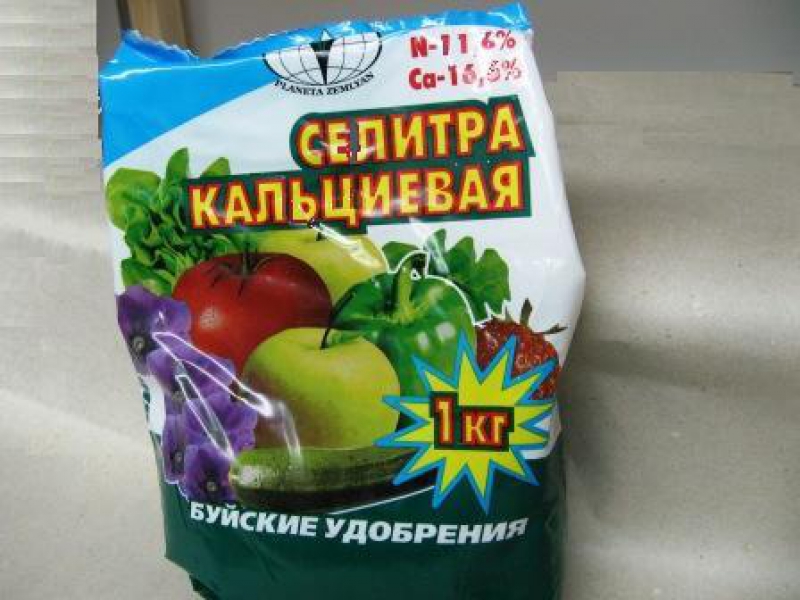
Many gardeners are hesitant to use this mixture to fertilize their plots, believing that calcium isn't as essential for plants as phosphorus, nitrogen, or potassium. However, calcium promotes plant absorption of nitrogen, which is essential for normal growth. Despite its high nitrogen content, calcium nitrate has virtually no acidifying properties, making it suitable for use in all types of soil, but it's especially beneficial for heavy podzolic or sod-podzolic soils with high acidity.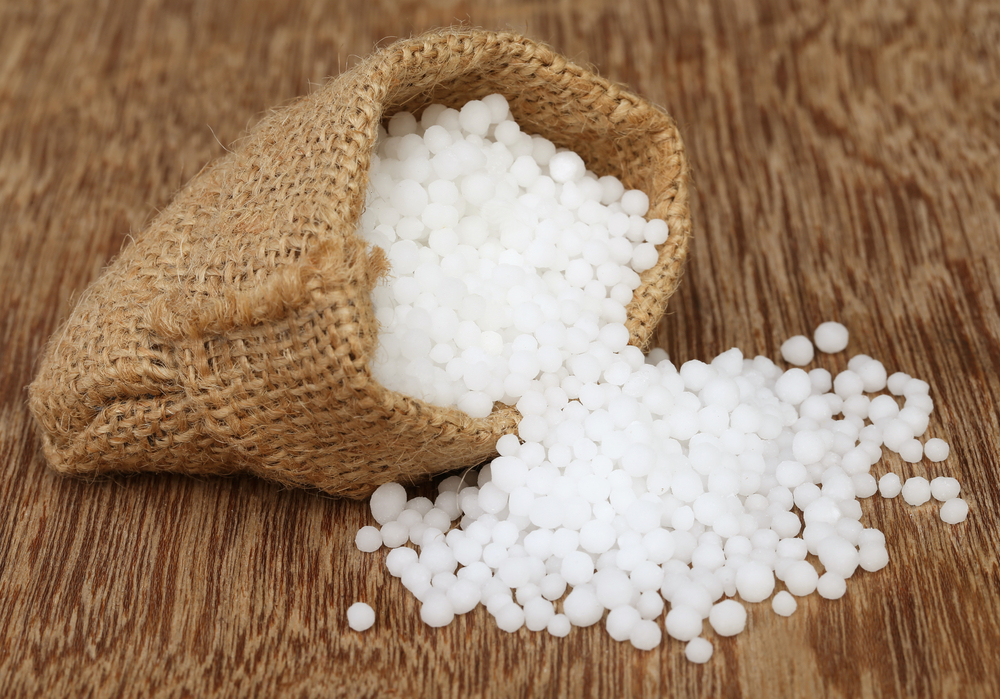
Calcium nitrate provides significant benefits directly to plants. Calcium supplementation accelerates fruit ripening and has a positive effect on the entire root system. In acidic soils, this fertilizer literally revives plants by absorbing excess manganese, iron, and other micronutrients, the excess of which inhibits vegetation. The only drawback of this fertilizer is its detrimental effect on roots if applied at the wrong time or incorrectly, so it's important to strictly adhere to the timing and dosage when applying fertilizer.
Video "Application"
This video will show you how to use saltpeter as a fertilizer in your garden.
When to apply
As the product description states, nitrate can only be applied in the spring, preferably during soil tillage. Applying the fertilizer in the fall is strictly not recommended, as the nitrogen will be washed away by the melting snow, and without it, calcium absorption is impossible. Indeed, spring is the ideal time to apply the fertilizer, as nitrogen is essential for plants at this time, and the addition of calcium will promote its more effective absorption. However, the product can also be used for foliar applications during the first half of the growing season.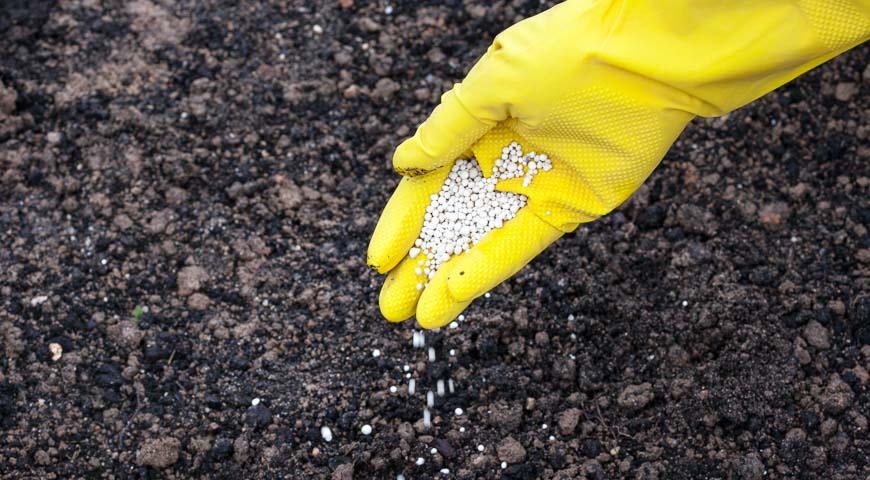
It's worth noting that it's best to spray plants with calcium nitrate before flowering, especially for strawberries. The first foliar application for cucumbers is recommended when three leaves appear, and then spray the bed at 10-day intervals until the first fruits appear. Tomatoes and cabbage should be treated approximately one week after transplanting the seedlings into the soil. In acidic soils, granulated nitrate can be sprinkled directly into the planting hole at a rate of 1 teaspoon per plant.
Application
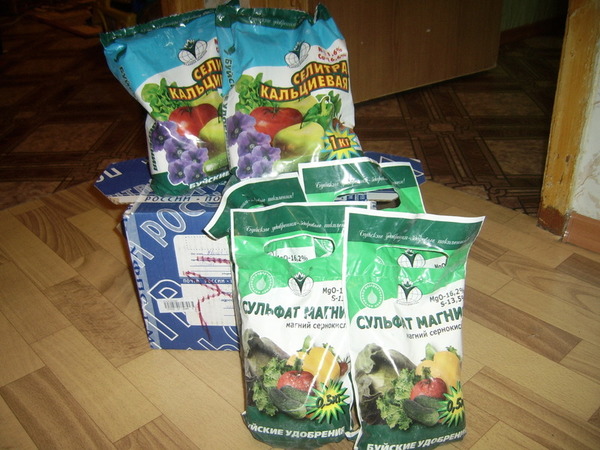
Calcium nitrate is most often used as a fertilizer in small private farms. It's not very convenient for industrial farming, as its loose form makes it difficult to transport in large quantities. For private use, the product is packaged in small, sealed bags of 1-2 kg. It's important to note that, according to the instructions, it should never be combined with mineral mixtures containing sulfur and phosphorus.
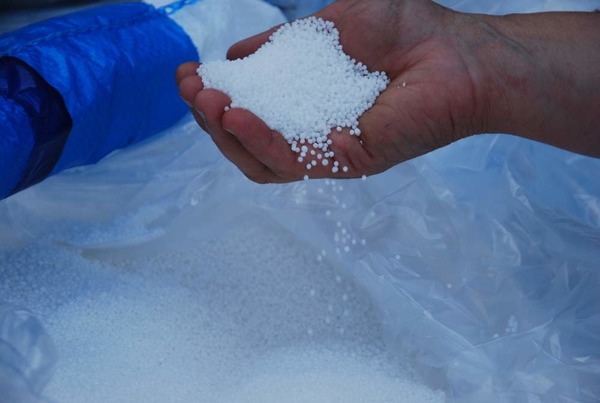

As mentioned earlier, saltpeter is a universal mineral fertilizer that can be used for virtually all cultivated plants. It is applied in liquid form (dissolved in water) to the roots, through drip irrigation, or by spraying. It can be used in greenhouses, at home, and when growing crops hydroponically. Root feeding is recommended for the following plants:
- berries (25 g/8-15 l of water) – 1-2 times before flowering;
- vegetable crops: cucumbers, tomatoes, carrots, cabbage, potatoes (25 g/10-15 l of water) - at intervals of 10-14 days;
- flowers (25 g/10 l of water) – at intervals of 2 weeks before flowering;
- fruit trees (25 g/10 l of water) – in March-April, before the beginning of the growing season.
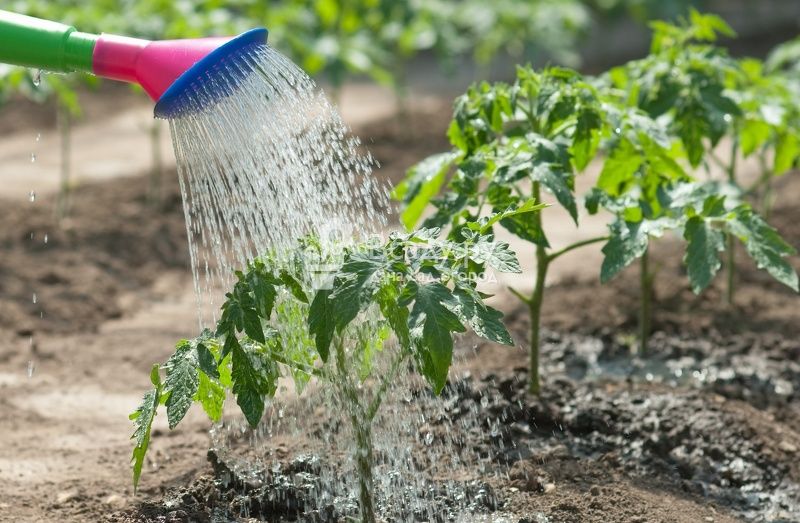
Calcium nitrate is used by spraying at a concentration of 25 g/1-1.5 l of water:
- for ornamental and berry bushes - at the rate of 1.5-2 liters per bush;
- for fruit trees and their seedlings – 3-8 l of solution/1 tree depending on the size of the plant;
- berries, flowers, garden vegetables – 1-1.5 l/10 m² of garden bed.
Foliar treatments (spraying) solve problems such as premature wilting of tops, rotting of plant parts, in particular the appearance of blossom-end rot on tomato fruits.
Benefit
What makes this product so beneficial for plants? Calcium nitrate has the most beneficial effects on them:
- accelerates photosynthesis, improves the condition of plant cells, which, naturally, affects its general condition;
- promotes the growth of green mass and accelerates the vegetative process; when fertilized with saltpeter, the harvest can be collected two weeks earlier than usual;
- Saltpeter added to the soil improves the germination of tubers and seeds and accelerates the emergence of seedlings;
- improves the condition of roots, promotes their active growth;
- helps crops withstand sudden temperature changes and perennials survive the winter;
- helps to increase plant immunity to pests and diseases;
- improves the taste and commercial qualities of fruits, increases shelf life;
- increases overall yield by 10-20%.
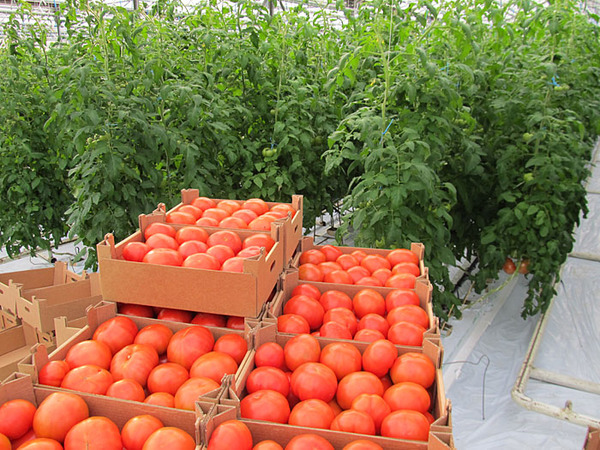
Application for vegetable feeding
Its high nitrogen content makes saltpeter an indispensable fertilizer for vegetable seedlings, as young plants require nitrogen at the beginning of their growing season. The fertilizer's benefits also include the presence of easily absorbable calcium, which is essential for successful rooting in a new location. A saltpeter solution can be used to spray seedlings almost until the first fruit sets; after that, treatment should be discontinued, as nitrates can accumulate in the fruit.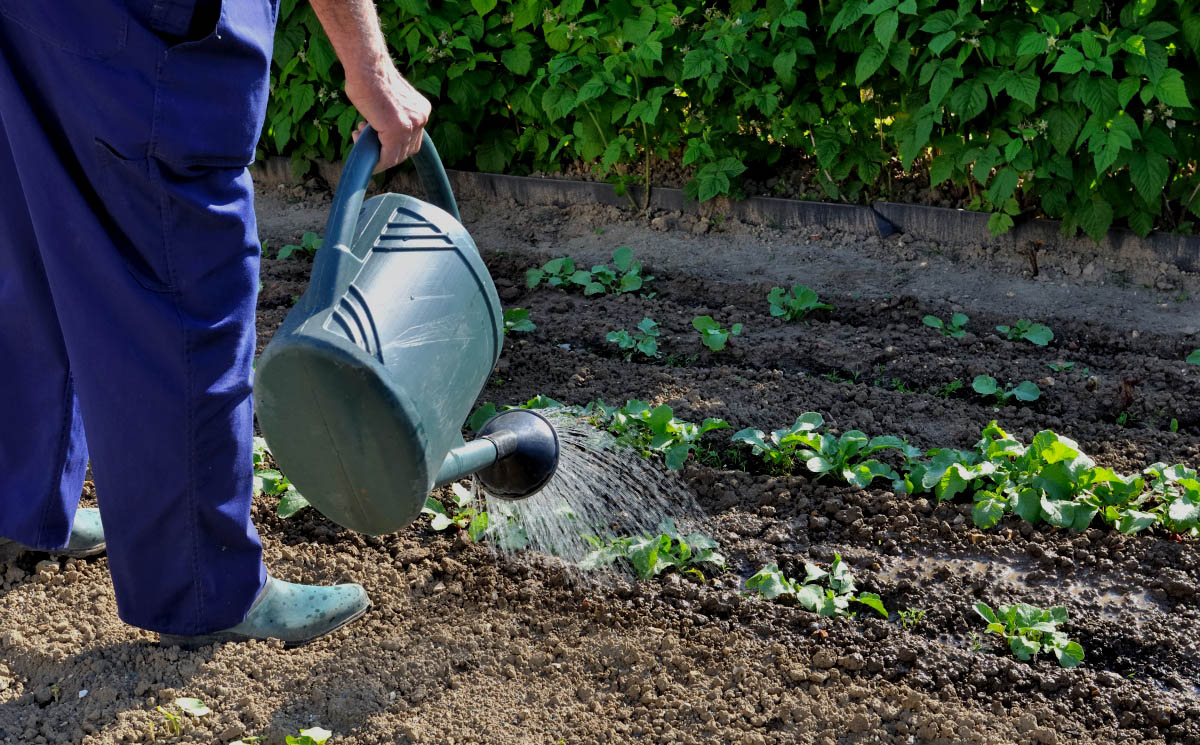
Cucumbers respond very well to nitrate fertilizer. Spraying the garden bed protects the root zone of plants from rot and premature yellowing of the leaves. For cucumbers, the product is diluted at a ratio of 2 g per 1 liter of water. It should be noted that this concentration is also suitable for spraying other vegetable crops. Calcium nitrate is also beneficial for tomatoes. After several foliar applications, tomatoes produce particularly abundant fruit, as the product protects the bushes from black rot on the fruit, slugs, and mites. Some vegetable growers also soak seeds in a nitrate solution to promote rapid germination.
Fertilizing cabbage with calcium nitrate
Cabbage loves this fertilizer. Its use increases the crop's yield several times over. Any gardener knows that cabbage won't grow in acidic soil, but if you feed it calcium nitrate, even poor soil can yield a decent harvest.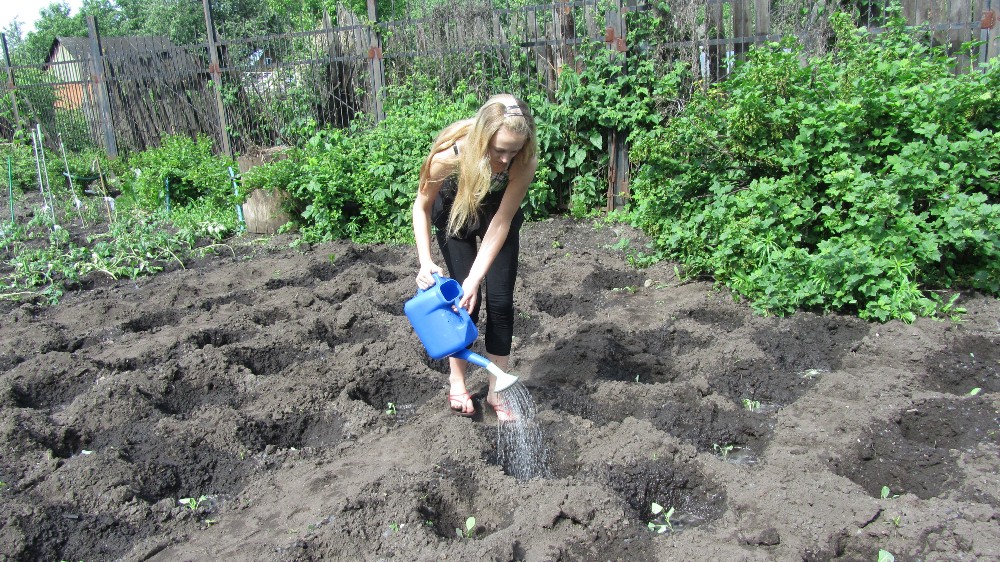
Saltpeter can be applied to cabbage in various ways, such as by watering, spraying, or placing dry granules directly into the hole before planting seedlings.
For root watering and spraying of cabbage, the solution is prepared in a proportion of 2 g/1 l of water; 1 teaspoon of fertilizer is used when placing it in the hole.
Using calcium nitrate to fertilize lilies
Calcium nitrate is one of the best and most beneficial fertilizers for garden flowers. Watering with its solution solves several key problems in gardening, including the proper development of foliage, premature wilting of buds, and rot that occurs at the base of bushes. It can be used on all flowers, both annuals and perennials: peonies, phlox, and petunias. But nitrate is especially beneficial for lilies.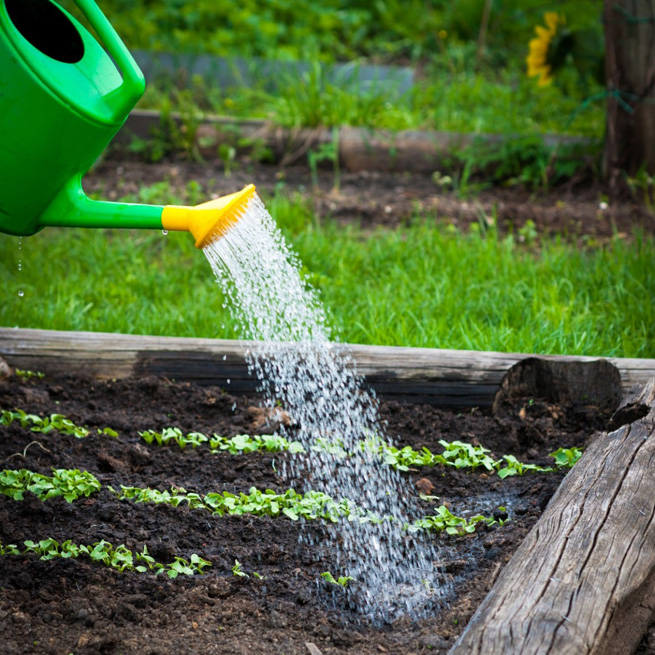
Why lilies specifically, you ask? Because lilies are more likely than other flowers to break and bend under the weight of their large blooms. Closer to the start of flowering, lilies need to be tied up because the stems can't handle the weight. Regularly watering lilies with calcium nitrate helps build the stems' "skeleton." They become more robust and strong, less prone to breakage, and after applying the product, lilies bloom especially profusely, with blooms lasting longer than usual.
A saltpeter solution can be used to grow flower seedlings, particularly the beloved petunia. Seedlings watered with the mineral solution will produce lush branching and flowering petunias in the future. It is recommended to water any flowers with saltpeter at the first signs of plant disease, poor growth, brittle and lodging stems, smaller flowers, and variety degeneration. The working solution for watering is diluted at a concentration of 1 teaspoon per 1 liter of water. After several waterings, the flowers will recover and will delight you with their blooms and fragrance for a long time.
Video: "Fertilizing in the Garden"
This video will show you how to use saltpeter in your garden.