
Gardener's calendar for 2025: tomato seedling planting plan
Content
How does the moon affect seedlings?
Experienced gardeners have learned to navigate not only by folk omens but also by the lunar phases. Risking the future harvest is unwise; it's important to maximize it. A basic understanding of the lunar phases and their impact on living organisms will help you choose the right time:
- The new moon period lasts no more than a day. Any agricultural activities are not recommended. However, the day before and after the new moon can be devoted to weeding and removing weeds.
- The waxing moon period lasts approximately 11 days. Care procedures include planting, pruning, and soil loosening. During this time, the plant's upper parts actively grow and develop. Therefore, trailing and tall-growing tomato varieties are best planted during this time.
- The full moon period lasts approximately three days. It's best to avoid active manipulation; instead, you can focus on weeding, pest control, and preventative (or curative) disease treatments.
- The waning moon period lasts 11 or 12 days. Avoid disturbing the underground parts of plants; instead, focus on pruning, fertilizing, and watering.
Video: Planting Tomato Seedlings in a Greenhouse
This video explains how to properly plant tomato seedlings indoors and when.
When to sow seeds
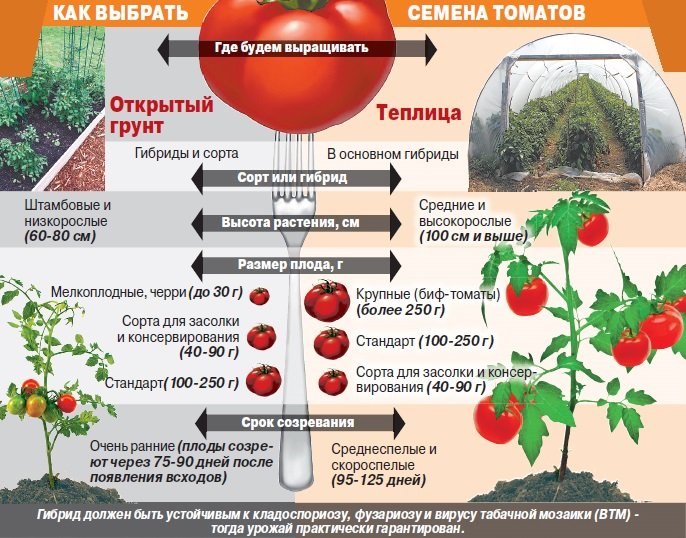
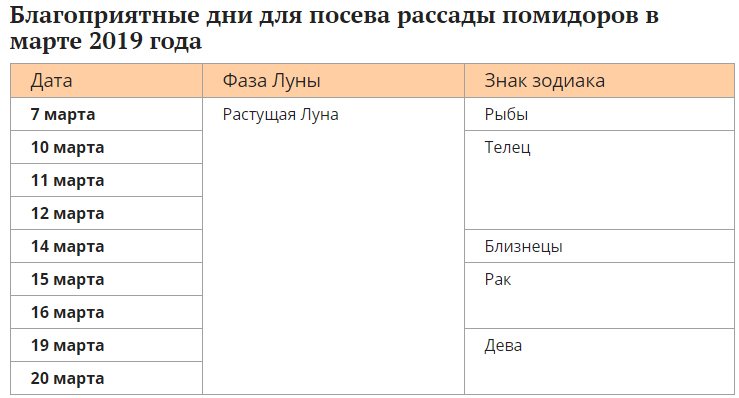
Planting seeds of early and mid-early tomato varieties for growing in closed ground begins in February. For later autumn varieties, the end of March and early April are suitable. This month, the lunar calendar suggests the following favorable days for seed sowing: the 6th, 7th, and 8th. Seeds can be prepared and soaked on the 1st. In March, hybrid and tall tomato varieties experience the most active growth. The optimal period for sowing seedlings is from March 10th to 20th. However, don't despair if for some reason you can't sow your seedlings during these dates. You can sow at other times, but avoid the new moon and full moon.
Planting in a greenhouse
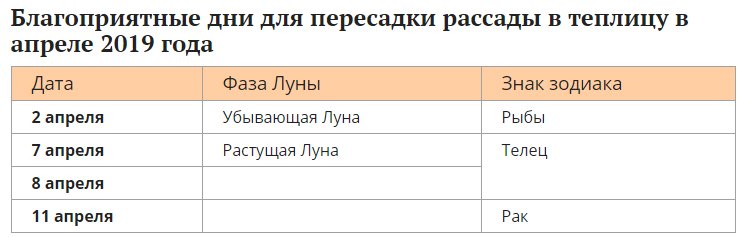
If the seeds were planted in a single container, they are transplanted individually in March. Plastic cups are most often used for transplanting. Early April is the best time to transplant seedlings into the greenhouse. The soil is prepared during the waning moon (April 2nd to 4th) or during the waxing moon (April 9th and 10th). Then you can begin transplanting into the greenhouse soil.
The full moon and new moon are not suitable for any work with tomatoes, so avoid any manipulation during this period. Once the seedlings have acclimatized and established themselves, you can begin watering and fertilizing them. The most favorable periods are when the Earth's moon is in Cancer, Pisces, and Libra.
The results can also be traced based on the day of the week: Tuesday is ideal for labor-intensive, time-consuming tasks; Wednesday is good for any work (watering, fertilizing, planting, replanting); Thursday is for cleaning work (loosening, weeding, removing weeds).
Transferring seedlings to open ground
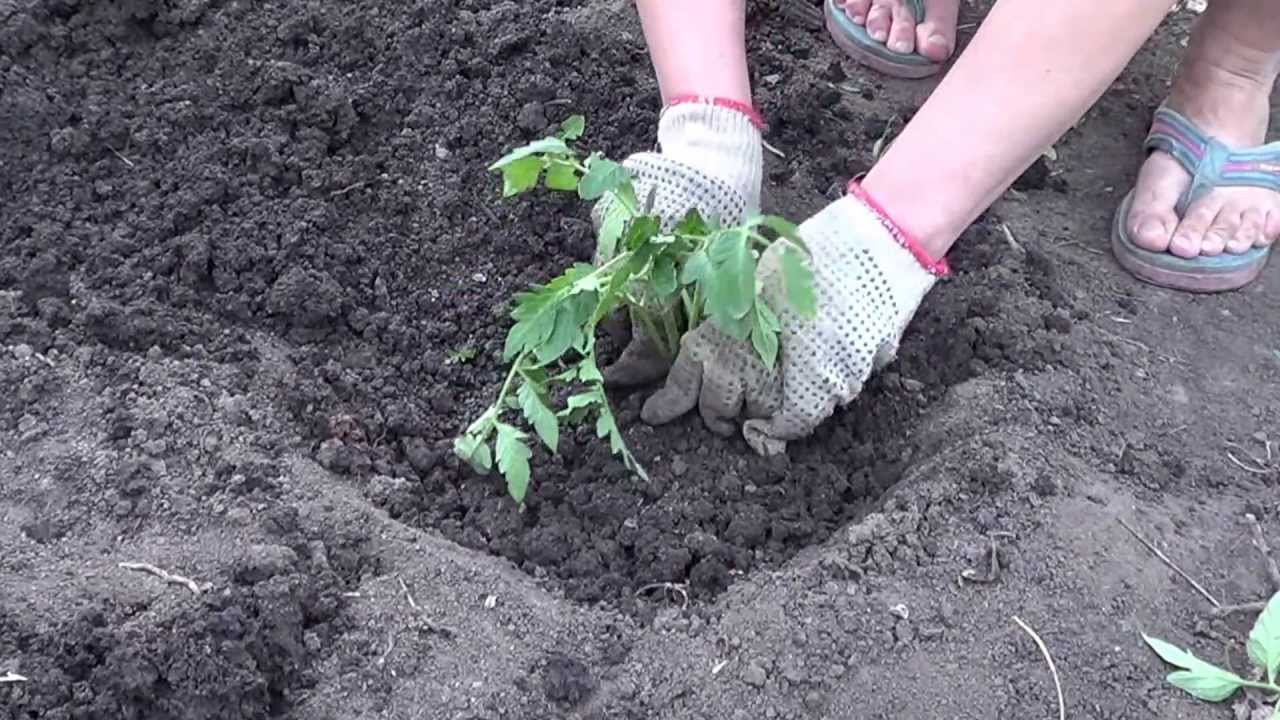
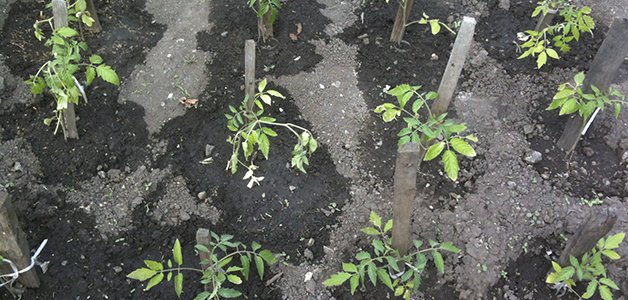
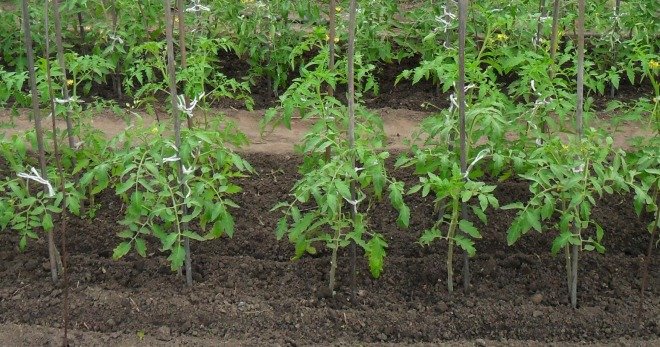
Transplanting tomatoes outdoors can also begin in April, if the climate in your region allows. In southern regions, you no longer have to worry about night frosts, but in other regions, it's better to cover the seedlings with plastic at night. May isn't ideal for all regions. If the air and soil have warmed up sufficiently, the following days are suitable for transplanting: 8th, 10th, 14th, 15th, 18th, and 28th.
Avoid disturbing tomatoes during the new moon and on the 29th and 30th. For this month, it's best to choose the beginning of the month: the 4th, 5th, 6th, and 12th. Avoid the 3rd, 11th, and 25th. Fertilizer can be applied to seedlings planted earlier.
The final planting period occurs in July. This is the time to plant tomatoes, which ripen in the fall. The optimal days for any agricultural activities are the 3rd, 11th, and 17th.
You can easily test the truth of the claim that planting tomatoes on favorable days according to the lunar calendar will yield tangible results through your own experience.