
What temperature can tomato seedlings tolerate? Expert opinions.
Content
Sowing seeds for seedlings
Growing tomatoes in a greenhouse isn't that difficult if you understand the basics ahead of time, including what temperatures tomatoes can tolerate, how to ensure seed germination, and the optimal microclimate for growing seedlings. While an experienced gardener can easily explain everything, a novice farmer will find it quite challenging to manage all stages of tomato seedling cultivation correctly and without errors. 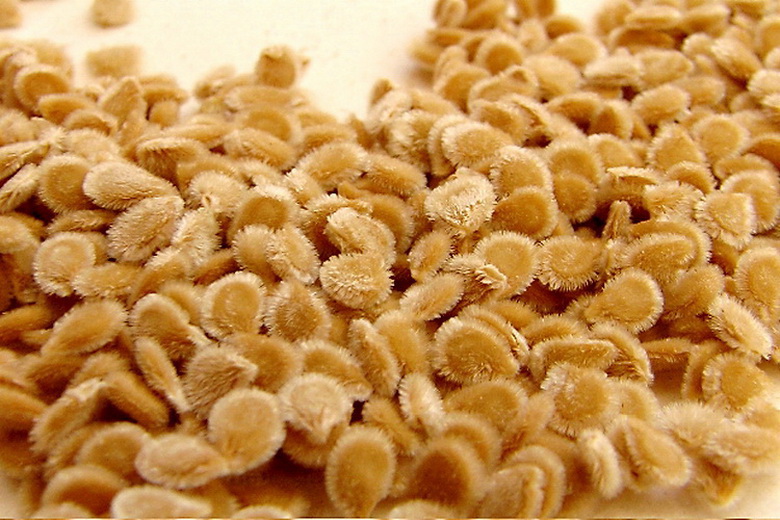 However, if you approach this issue seriously and thoroughly study all the necessary theory, as well as consult with experts, you will certainly reap a bountiful harvest one day. But it will take some effort.
The process of planting seeds in the soil should begin with preparing them. First, check their quality. Pour a 5% salt solution into a small container: if the seeds are full-bodied, meaning they're ready to be sown, they'll immediately begin to sink. Otherwise, don't plant the seeds, as they may fail to germinate. These are mostly empty or slightly rotted seeds, so remove them.
What should you do with the samples that are full-weight? After this procedure, it's recommended to thoroughly rinse them in a 1% potassium permanganate solution. This works as a disinfectant for the seeds, literally disinfecting them. After this stage of seed preparation for sowing, it's recommended to thoroughly rinse them again in cold water.
But the seed preparation process doesn't end there. Next, you need to soak the seeds overnight in a special mixture of beneficial micronutrients. This will increase the likelihood of most seeds germinating in the soil. If you want to properly prepare the seeds for planting, it's recommended to purchase a mixture from a specialty store that you can dilute yourself. After thoroughly soaking the seeds, place them on a damp cloth. Leave them there for about a week, remembering to moisten the cloth regularly. However, it's not advisable to overdo this, as the seeds may not germinate if they become oversaturated with moisture.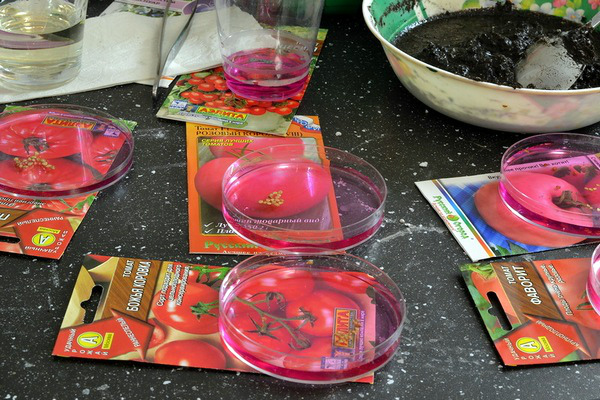
Preparing the soil in a greenhouse is essential. To do this, farmers typically purchase a substrate from a store or mix the soil themselves with sand, humus, or peat. Typically, seeds are planted in compact boxes filled with soil. They are carefully placed with tweezers, maintaining a distance of several centimeters between seeds. After this, the seeds are covered with soil, and the top layer of soil is covered with transparent film. It would seem that you've done everything necessary for the seeds to germinate quickly in the soil. However, there are still several important nuances that must be observed. Among these is the temperature regime in the greenhouse.
Video: Growing Tomato Seedlings
This video will show you how to grow tomato seedlings, from germination to transplanting.
Required temperature
What temperature can tomatoes tolerate? It all depends on the seedlings' growth stage, the frequency of watering, and several key factors. If you're planning to plant established seedlings outdoors, don't rush; wait until the soil temperature reaches at least 12 degrees Celsius. 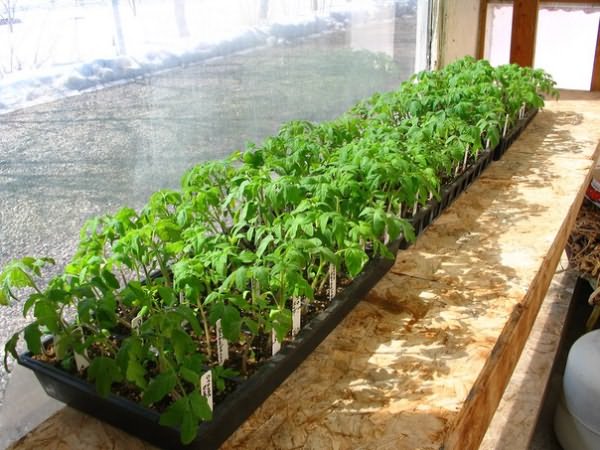 However, sudden changes in the microclimate are avoided, as this will adversely affect the health of the tomatoes. Experienced gardeners prepare seedlings for planting in the garden or garden plot gradually. At least a week before planting, the seedlings should be taken outside to fresh air or at least to an unglazed balcony. Firstly, this will prepare the tomatoes for direct contact with the still-cool soil. Secondly, the tomatoes will begin to acclimate to direct sunlight, which will no longer be able to harm them. Furthermore, the tomatoes will become much more resilient to windy conditions.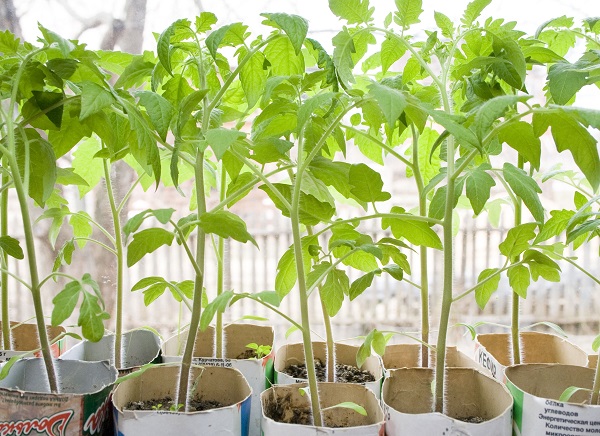
When it comes to the optimal temperature for vigorous tomato growth, it's recommended to grow them at 20-22 degrees Celsius. Seedlings can also thrive at 15-16 degrees Celsius, but remember that raising this temperature will accelerate their growth. There are also certain temperature limits that should be avoided. For example, tomato growth can generally be reduced if grown at 10 degrees Celsius.
Temperature humidification
Knowing the temperature tolerance of tomato seedlings will help ensure their full development both in a greenhouse and in the garden. When growing tomato seedlings in a greenhouse, it's advisable to follow certain guidelines for maintaining a moderately humid microclimate. For example, avoid placing shelves, racks, and seedling boxes too close to the wall. These measures will ensure continuous circulation of fresh air in the room.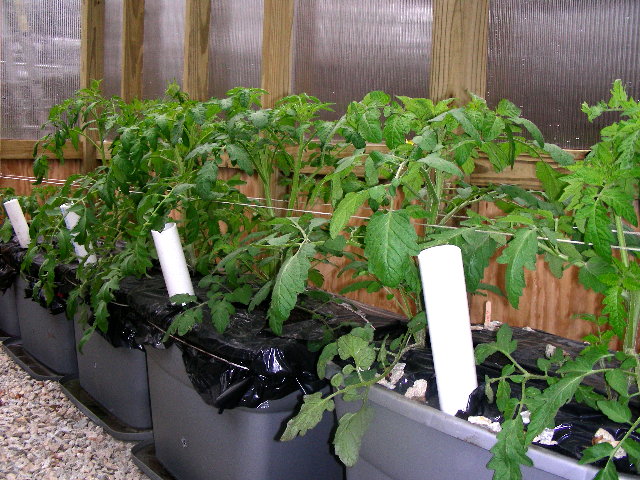
Typically, most farmers prefer to equip their greenhouses with special humidifiers. This eliminates the need to control humidity levels manually. Another important point: seedlings should be watered exclusively with warm or even hot water.
There's a definite alternative to this method: installing water-heated pipes in the greenhouse. How exactly to regulate the microclimate in the greenhouse is up to you. The main thing is to provide all the conditions necessary for the seedlings to grow.
Video: "Optimum Temperature for Seedlings"
This video will tell you about the optimal temperature for tomato seedlings.