
How to tie up tomatoes: simple methods for a good harvest
Content
What does a garter give?
To prevent excessive tomato growth, remove side shoots from time to time. Side shoots often produce fruit, but they rarely ripen and suck more juice from the tomatoes than necessary. It's easier to remove side shoots from a tomato that's tied up rather than one that's practically lying on the ground.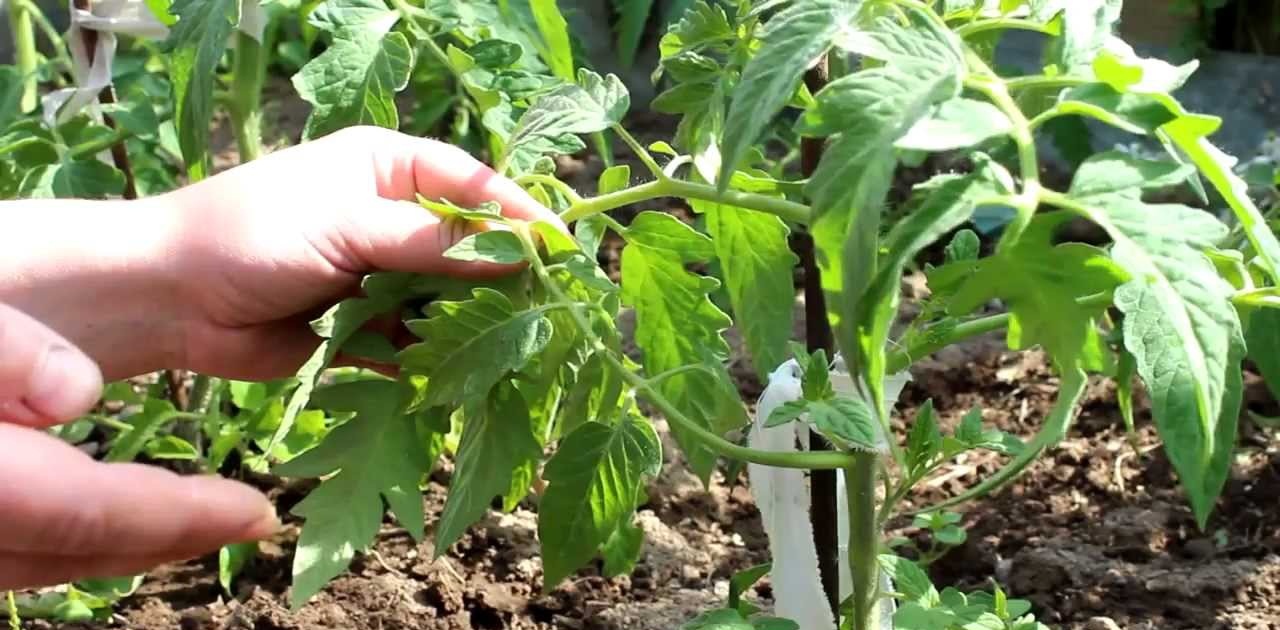
Tall tomatoes may not be able to support the weight of the fruit and may simply break.Staking the fruit is vital, otherwise they can easily be attacked by pests. Also, under-tied tomatoes are much more likely to become infected with late blight. Tomatoes hate water on their leaves, so watering the plant carefully is essential. However, this is almost impossible when the plant is lying on the ground.
Bad weather won't damage your tomato plant if it's tied down. Excessive soil moisture won't harm the tomatoes if they're tied up. However, if they're left hanging, they'll likely rot.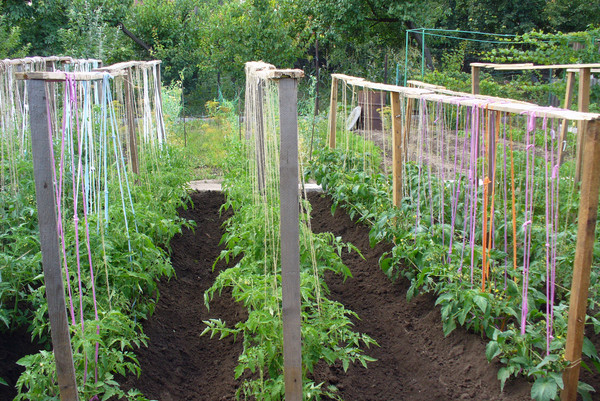
As you may have noticed, without staking, you can forget about tomatoes, no matter how strong their roots are. Plus, it'll be easier and simpler for you to care for them.
Video: How to Stake Tomatoes
This video will show you how to properly perform this strategically important step for a good harvest.
Methods
You can tie up tomatoes any way you like. All methods are good in their own way. And the materials themselves are the same.
We'll need stakes or metal rods, twine, and tying material, which should be strong and wide. Fishing line and thread aren't the answer! They'll cut into the bush, and eventually, the bush will die!
It's best to use scraps of fabric. These can be T-shirts, blankets, pillowcases, etc. Some people like to use old tights—this is also an option, as they won't rot during the growing season. But remember, they'll need to be disinfected in boiling water or laundry soap to protect the tomatoes themselves.
You can also find various reusable plastic things these days for tying and supporting fruit clusters. They're inexpensive, so you can buy them. If you're growing tomatoes for sale and have a huge amount, consider buying a tie. This is a specialized tool, something like a vegetable stapler. It's extremely popular among grape growers. So if you have a friend who's a winemaker, they're guaranteed to have one, which will make your life a hundred times easier!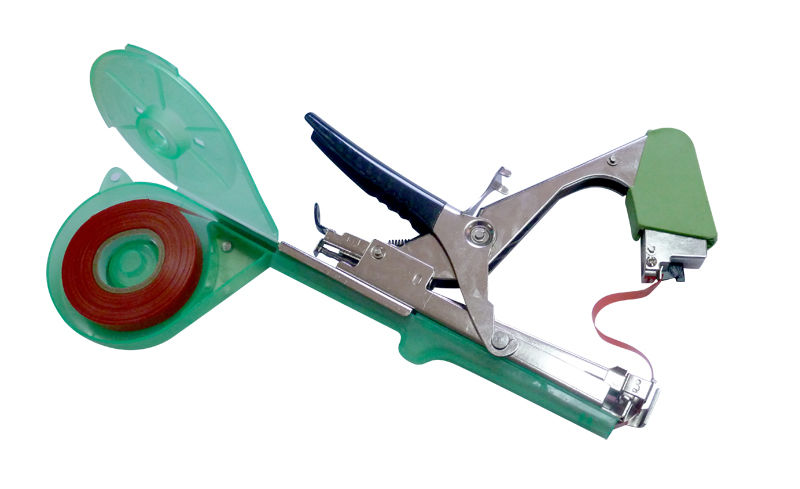
Advantages of garter:
- Vegetables do not spoil because they are all raised high above the ground.
- Air circulates freely between the bushes.
- Watering tomatoes will become much easier.
- You can easily carry out side-sonning.
- Tomatoes will begin to bear fruit better and be less susceptible to disease.
Stakes
The easiest way is to use stakes for each tomato plant. These can be either rebar or a wooden slat. Their length should be half a meter longer than the final height of the plant. This is how firmly the stakes are driven in. However, if you have tall tomatoes, use longer stakes – up to 2.5-3 meters long. When installing the stakes, leave about 15 cm from the stems to avoid accidentally damaging the roots.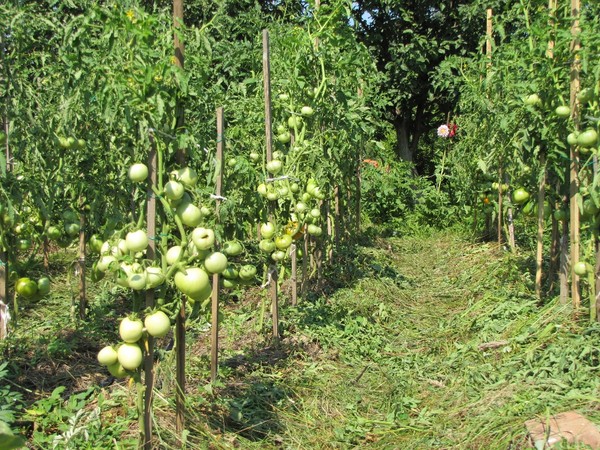
After you've installed the stakes, secure the plant's trunk with a tie, crisscrossing the ends in a figure-eight pattern or simply crossing them and tying them to the stakes. Just be careful not to overdo it! The same goes for large clusters of fruit, to prevent them from breaking under the weight of the fruit.
Remember that this method is only suitable for medium-sized varieties; if the tomato is heavy, the support may break and topple over along with the tomato.
The main disadvantage of this method is that you will need to repeat this procedure a couple of times per season.
On the trellis
If you have a tomato plantation because you have a large family or you grow tomatoes for sale, then this method will suit you.
Long spears, up to 3 meters long on average, are driven into the ground. Wire is stretched between them at intervals of half a meter. As the tomato stems and vines grow, they are tucked into the wire from different sides. From the outside, it looks like a wickerwork system. Remember not to tighten the rope too much, otherwise the tomatoes will quickly die. If you have a large bed, you can drive in intermediate stakes to ensure stability.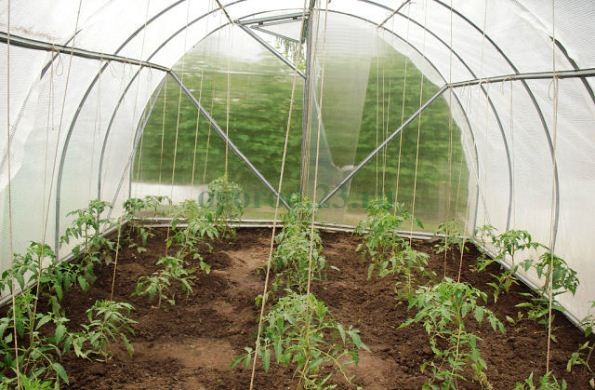
The good news is that you can leave a couple of side shoots on your tomatoes to increase the yield. This can be done in heated greenhouses, where the tomatoes can grow in the fall and winter.
Another type of this type of garter is the linear garter. In this case, the wire is stretched between the stakes not only over but also over each tomato plant. You don't have to worry about how to tie them; you just need to wrap them around as the tomato grows.
Cells
The trellis method is similar to the trellis method. Prepare iron pieces and wire to replace the trellis, and then install the structure in the same way. If you don't have any, you can construct a similar wooden frame. It will resemble a high chair without a seat or back. If you make the structure wide enough, it will easily accommodate four bushes—one for each "leg."
Stretch wire at different heights between the rebar. For example, first make a cube of wire at a height of 30 cm, then at 60 cm, and so on. The resulting trellis should be perpendicular to the bed. Initially, branches are placed on the low wire, and as they grow, they are secured to the second wire on the opposite side.
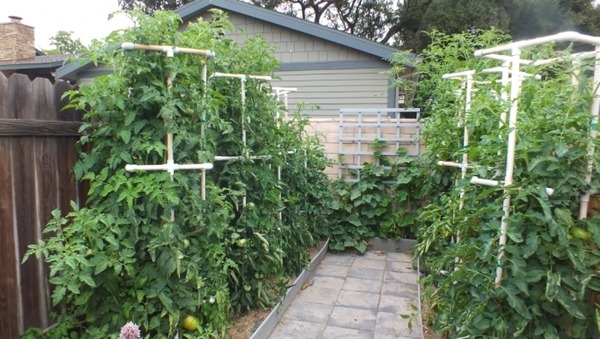
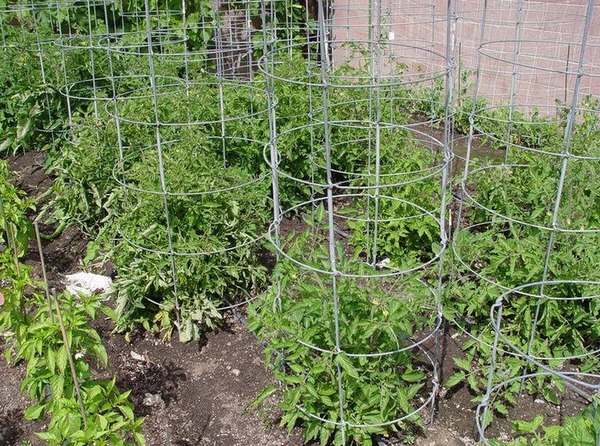
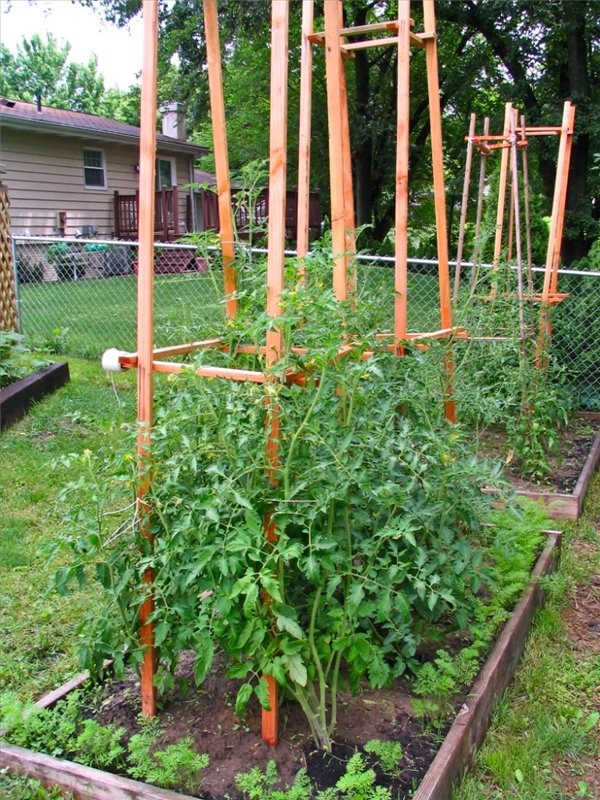
The end result is that the bush is held upright, but it's held in place by wires on both sides. This method is ideal for tall varieties.
Caps
These rather unusual structures are suitable for other plants as well. The key is to create a beautiful teepee using whatever materials you have on hand. These can be wire, stakes, or even a wicker base with a cross-tie to form a cage. They are installed along with the seedlings and are useful for planting many shrubs. These pyramids should be spaced apart to prevent overcrowding. Typically, this is around one and a half meters.
Video: "Methods for tying up tomatoes"
From this video you will learn how to tie up tomatoes.