
How to properly pinch out tomatoes in open ground
Content
Basic rules
Side shoots are the young shoots that continually form in the leaf axils, and pinching out side shoots is the removal of these shoots. Some inexperienced gardeners, when pinching out side shoots, remove some of the leaves on the stem, but it's the side shoots that need to be removed, as they contribute to the bush's growth at the expense of fruit. Whether or not to remove side shoots is a personal choice, but it's important to understand that this puts unnecessary strain on the shoots and wastes nutrients. The end result will simply be a lush bush without the expected number of tomatoes.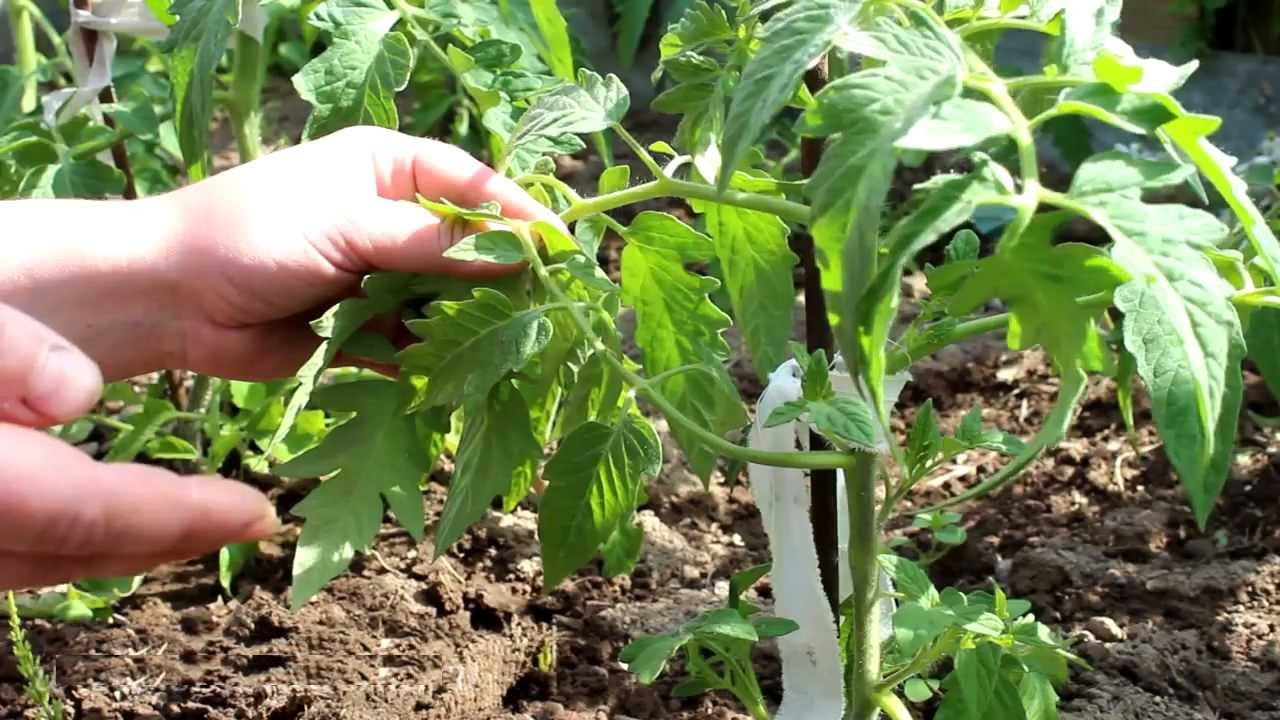
Pinching out side shoots is considered a healthy and very beneficial procedure for tomatoes, as it allows you to achieve the following goals:
- improve plant illumination;
- accelerate the flow of nutrients to the fruits;
- extend the fruiting period;
- ensure that the fruits on the bush ripen fully.
All these factors combined have a positive effect on yield. However, to achieve a high-quality harvest, side-sonning must be done correctly, following these recommendations:
- work to remove excess shoots should be carried out throughout the season;
- When carrying out work, take into account the varietal characteristics of tomatoes (the nature of growth and branching of the bush);
- the formation must be carried out regularly and technically correctly (stepchildren break off more easily when tilted sharply to the side);
- removal of shoots should be carried out only on healthy and strong plants;
- remove side shoots while they are small (3-5 cm) - the stem practically doesn’t notice the removal of small shoots, doesn’t get sick and doesn’t lag behind in growth.
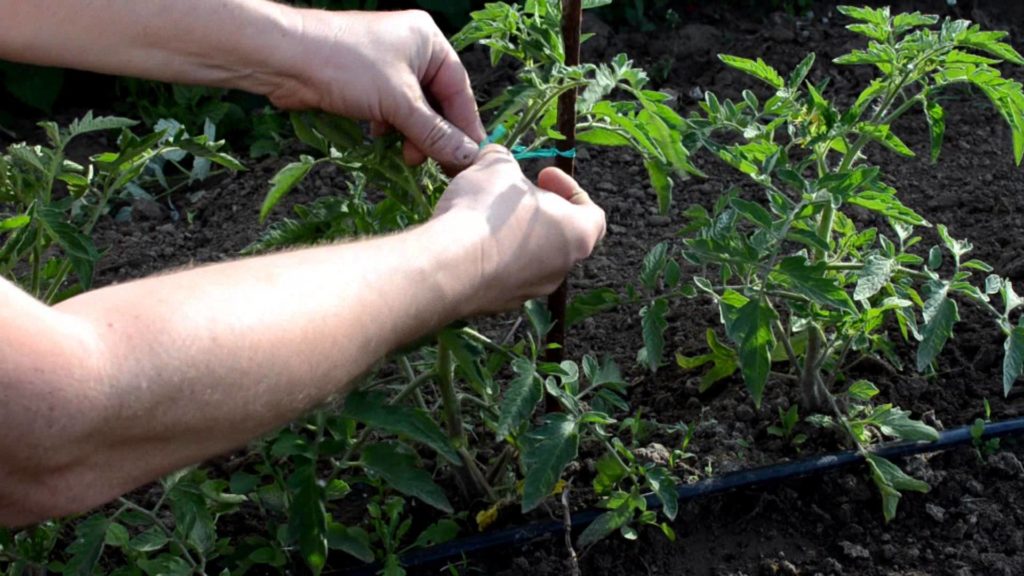
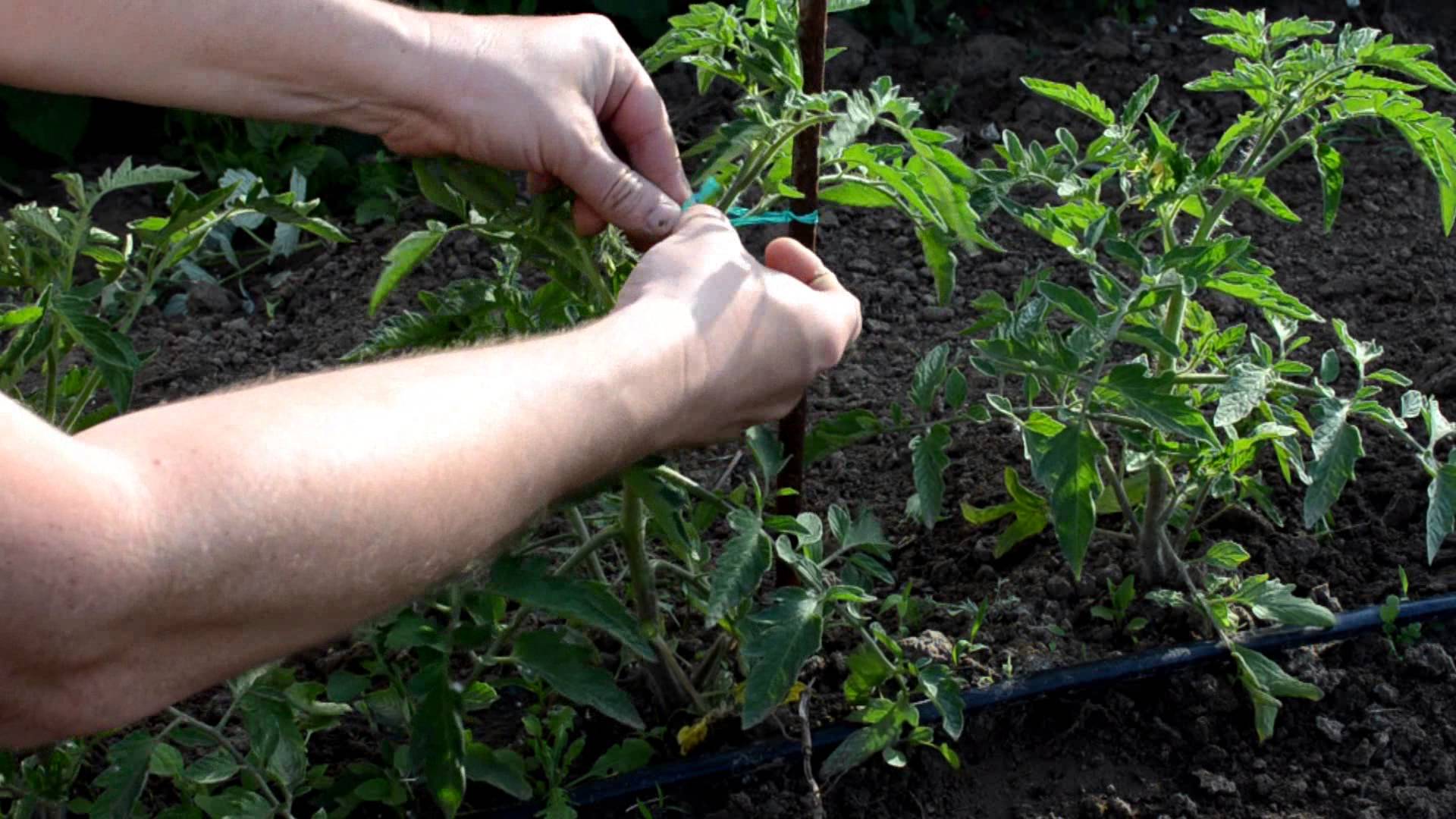
When shaping a bush, leave one stem less than the variety description calls for. To remove side shoots, use the following procedure:
- if the bush is formed into 3 stems, we leave 1 strongest one and 2 stepsons at the lower leaves;
- if there are 2 stems, we leave 1 strong stem and 1 shoot under the lower inflorescence;
- in 1 stem - we keep the shoot and remove the sprouts;
- For low-growing bush tomatoes, leave 1-2 shoots with 3-4 clusters on each.
If the plan isn't followed, fruit clusters will form through leaves, and the side shoots will grow to their maximum length. The result will be a massive plant that won't have enough strength to ripen all the fruit.
Video "Rules"
This video will show you how to prune out side shoots without damaging your tomatoes.
Pinching out indeterminate varieties
Indeterminate varietal and hybrid tomatoes are characterized by vigorous and unrestricted growth of the main stem. In greenhouse conditions, these plants can grow for over a year and produce approximately 40-50 very heavy fruit clusters. In open ground, the plant must be tied and trained, removing all new shoots. In these tomatoes, the first fruit cluster is located above the 8th or 9th leaf, and new inflorescences are formed every three leaves.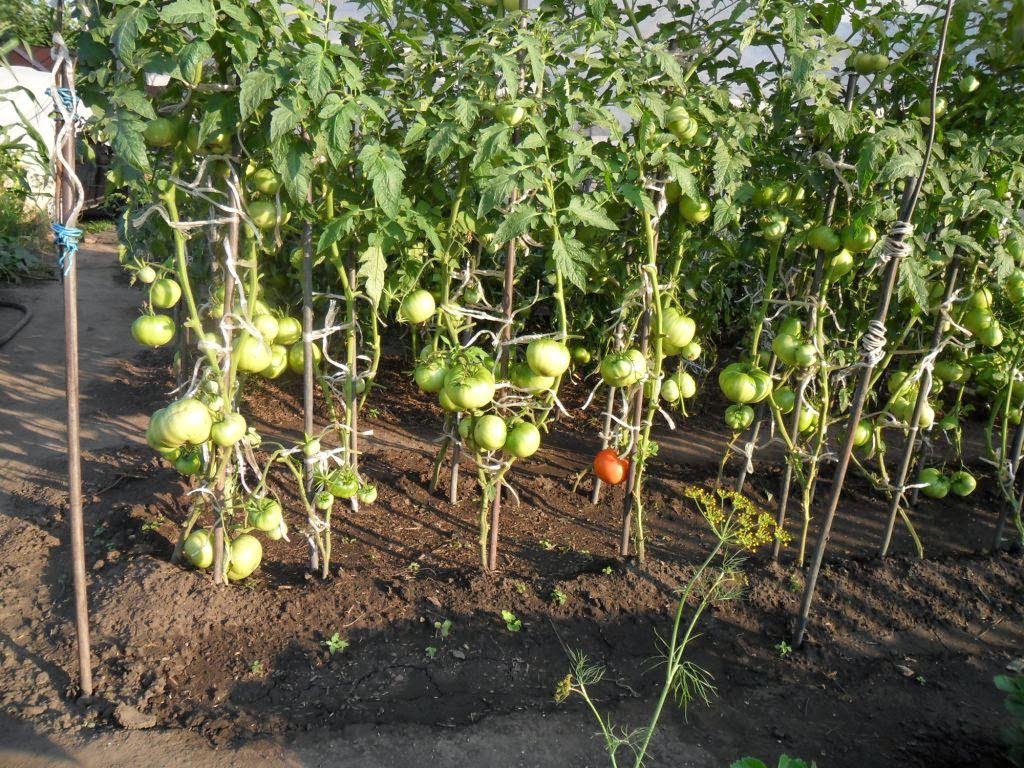
Having one strong stem, these plants produce a much higher yield than low-growing plants with several branches, although their fruit ripens later. Indeterminate tomatoes form side shoots even before the inflorescences appear, so formation should begin when there are 7-8 leaves and then continue throughout the entire growing season.
Pinching out side shoots of determinate varieties
Determinate tomatoes are distinguished by the fact that their growth stops when a certain number of clusters with ovaries have formed. However, since the varietal characteristics of these plants are such that they tend to bush out heavily, it's best to train them. The first inflorescence of determinate tomatoes forms after the fifth or sixth leaf, with new inflorescences appearing every two leaves.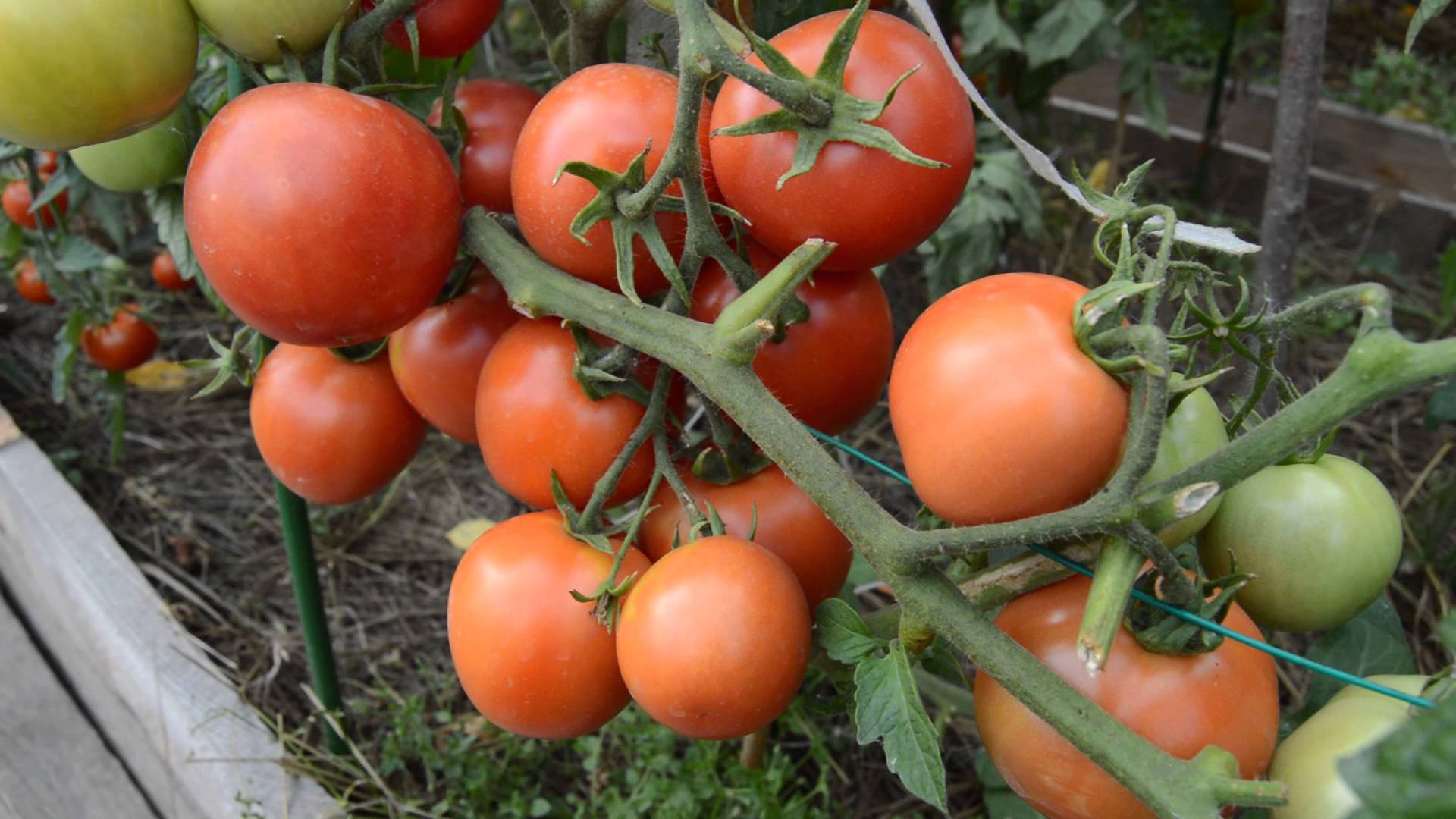
Typically, these tomatoes are formed into two stems. The first side shoot removal occurs after 3-4 flower clusters have formed, just as the bottommost one begins to bloom. Low-growing tomatoes are side shoot removed until a total of 4-8 clusters remain. This method ensures full ripening of the fruit. If the plant has only one stem (either weak or due to varietal characteristics), one or two more side shoots can be left.
When and how to pinch off stepsons
Regarding timing, the best time to prune tomato plants is when the first cluster blooms. However, in warm and temperate climates (Central Russia, Belarus, and Ukraine), plants grow more vigorously and branch out, so removing excess shoots may be necessary even before the fruiting portion appears. Indeterminate varieties should also be trained early, both in the greenhouse and in the garden. If the plants aren't growing very vigorously, the shoots can be removed as soon as the first inflorescence appears, usually after 8-10 leaves have emerged.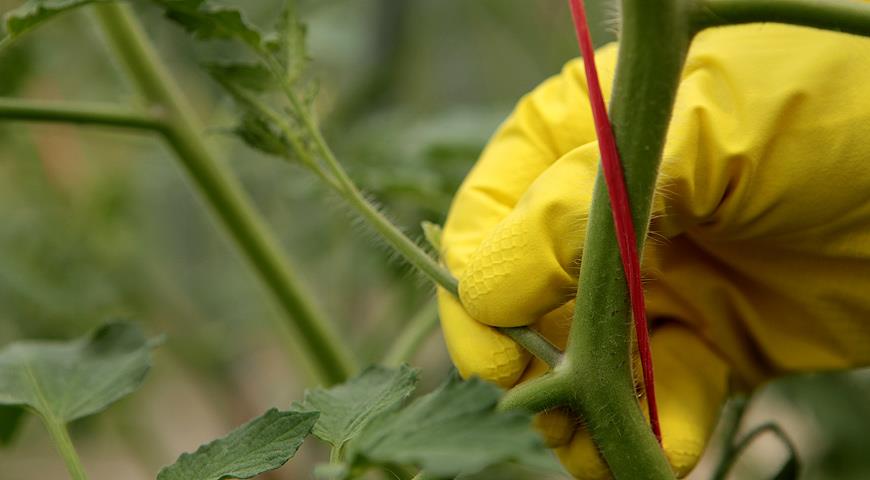
This procedure should be performed every 7-10 days, but it depends on the variety, the branching habit of the plant, and other factors. The easiest and most common way to remove side shoots from tomatoes is by hand. This is easiest to do in the morning, when the stems are especially fragile and easily broken. It's best to wear gloves when doing this. However, you can also use a knife or sharp garden shears.
Which varieties don't require side-sonning?
The main purpose of pinching out tomato shoots is to limit shoot growth and direct more nutrients toward fruit ripening. However, some tomato varieties don't require pinching at all, as they naturally limit their growth after forming a certain number of inflorescences. These tomatoes are called semi-determinate. Unlike dwarf tomatoes, they are medium-sized and, regardless of the presence of side shoots, produce 8-10 inflorescences. After this, the bush stops growing and the fruits ripen uniformly.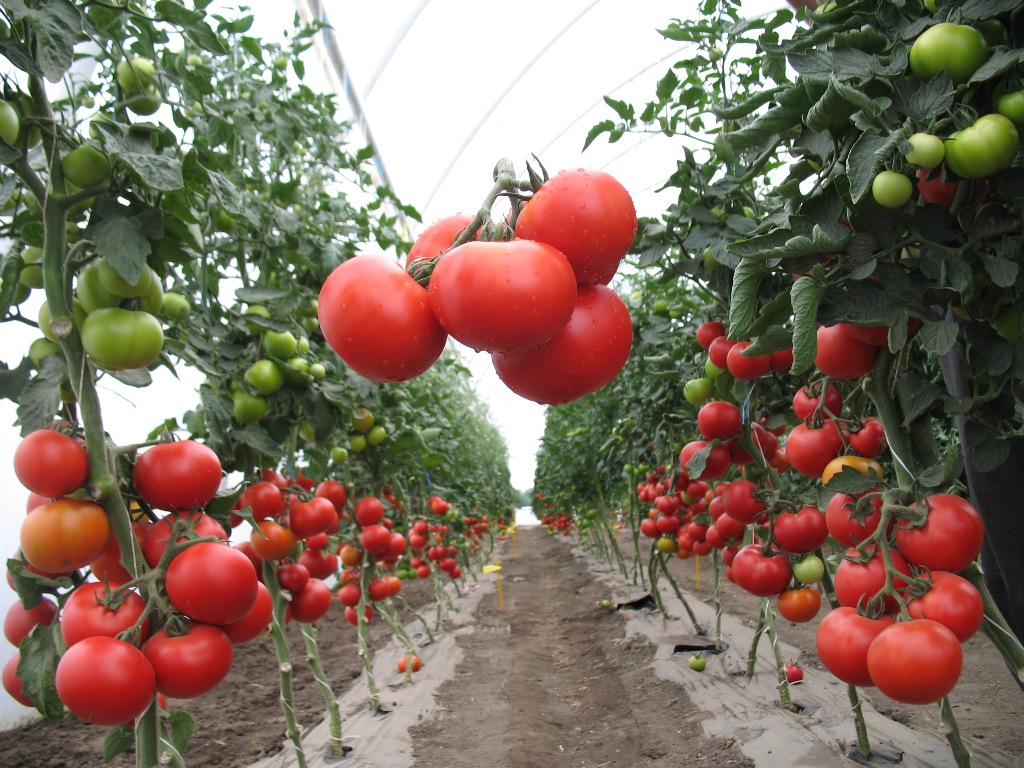
Superdeterminate varieties do not require removal of side shoots. These are another type of low-growing tomato, bred relatively recently specifically for the production of early and ultra-early tomatoes.
A characteristic feature of these plants is that they are all low-growing (30-60 cm), and the bush stops growing immediately after three inflorescences form. These tomatoes ripen very early, yield their entire crop at once, and do not form any more ovaries.
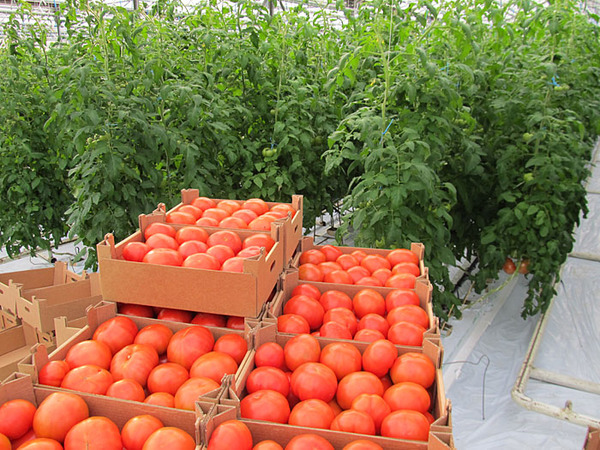
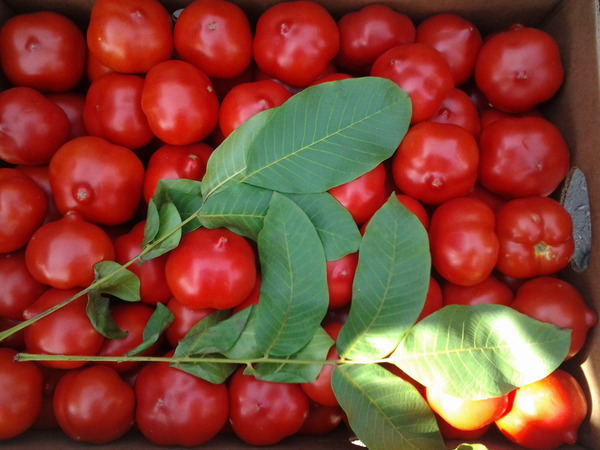
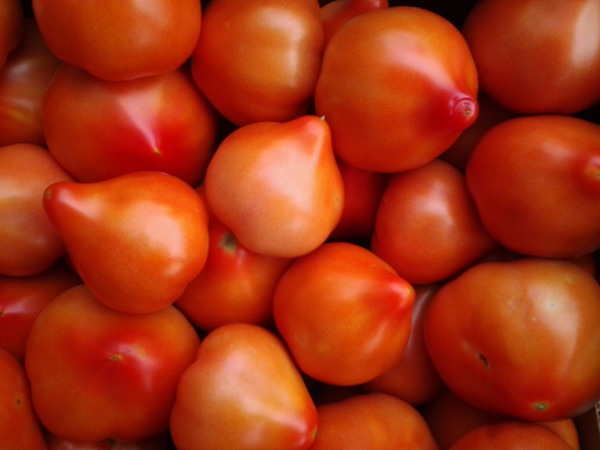
Many vegetable growers believe that any low-growing (determinate) tomatoes can be left without side-shoots, simply by pinching the top of the stem when a pair of inflorescences forms. This isn't a rule, but rather a simplified approach to growing tomatoes. However, many gardeners prefer to grow low-growing tomatoes without removing the side-shoots. The most popular low-growing varieties include Gazpacho, Krasnaya Zarya, Nevsky, Krasnaya Shapochka, Gnome, Dubok, Yantarny, Buyan, and Akvarel. These tomatoes will not only add variety to your diet but will also become a true decoration for your garden, as the plants and fruits themselves are very decorative.
Video: "Pros and Cons of Stepsoning"
This video will tell you whether it's worth pruning your tomatoes.