
How to properly remove side shoots from tomatoes
Content
The meaning of pinching out stepsons
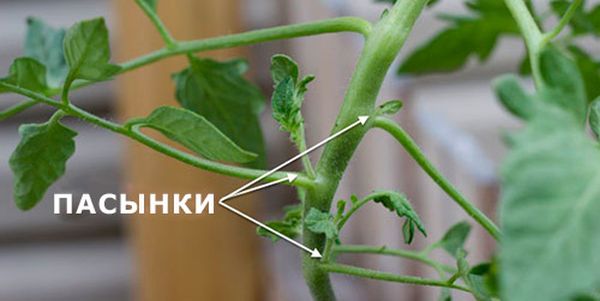
Tomatoes are a plant that sometimes develop small shoots in the leaf axils. These shoots grow indistinguishably from other stems and are part of the plant's main trunk. These shoots also bear leaves and clusters of fruit.
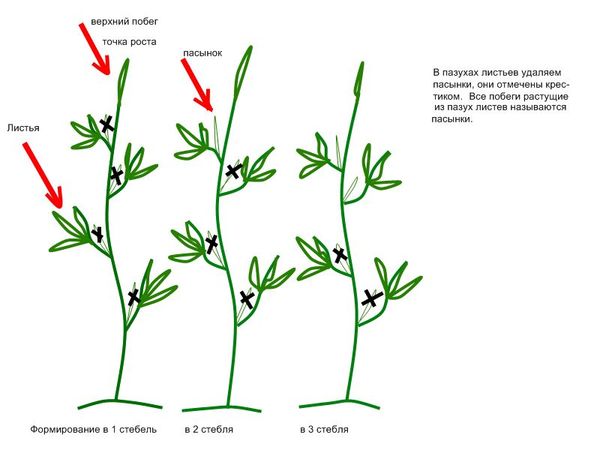
At the nascent stage, such a shoot is called a side shoot. If it is not removed, the tomato plant will begin to grow, and fruit ovaries will begin to form in the side shoot clusters, which will put significant strain on the plant. In this case, don't expect a rich and large harvest. To ensure the number of fruits corresponds to the total weight of the plant, side shoots are removed and pinched. Remove excess shoots before they become dense.
It is recommended to remove stepchildren before they grow more than 5–6 cm in length.At this size, they don't have time to drain the tomato's nutrients, and this doesn't cause any harm to the crop. Unfortunately, removing side shoots later will significantly reduce the yield.
Rules and technology
The key is to learn how to distinguish side shoots from the main stem of a tomato plant. If a gardener misses the ideal moment to do this, the shoots will turn into thickened stems that can no longer be removed. Beginner gardeners are afraid to prune side shoots, thinking they might harm the plant itself. That's why there are rules that explain how to properly learn to remove side shoots from tomatoes:
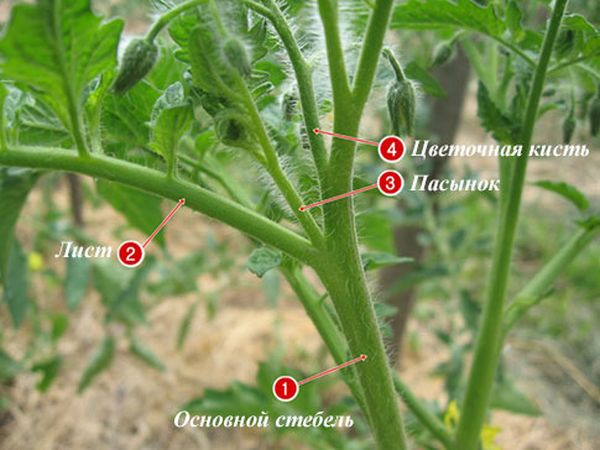
- It is essential to remove 5 cm long side shoots. This will not harm the plant, and the pruned bush will quickly recover after the procedure;
- To ensure rapid healing of the bush, tomato shoots are removed in the morning, in clear, warm weather;
- It's recommended to remove excess shoots first from healthy tomatoes, then from diseased ones (if any are present in the garden). This sequence is necessary to prevent the spread of disease;
- It is essential to immediately remove cut parts of shoots, as they may be pathogens for fungal diseases or viruses.
How to shape a bush
Whether tomato bushes need to be trained is a question that concerns many. The generally accepted opinion is that a healthy bush should consist of 2-3 main stems and no more than 8 inflorescences.
The bush is formed according to the following instructions:
- The first stepsons are removed 2 weeks after planting the seedlings in the soil. Repeat the procedure every 10 days;
- the main shoot is considered to be the one on which the first inflorescence appeared;
- to prevent a new stepchild from growing in place of the cut one, we leave a small “stump” 2 cm high;
- each main stem should have no more than 4 inflorescences, the rest are removed;
- all shoots that appear at the root of the crop or even grow out of the ground must be removed;
- Each bush must have its own support.
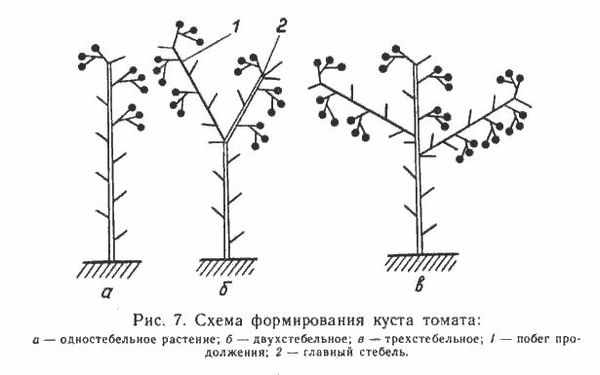
If you want to get an early harvest, you should form bushes with one main stem, while periodically trimming the top of the crop.
Removing excess leaves
Experienced gardeners debate the proper way to trim excess tomato leaves, and whether this procedure is necessary. There are two main schools of thought on this issue. The first holds that when the first fruit sets, all leaves except those at the top should be removed. This approach promotes ventilation and, therefore, minimizes the risk of disease. The second school of thought completely refutes the first, arguing that such complete foliar removal disrupts the plant's nutritional processes. Gardeners who favor the second method recommend removing only yellowed or diseased foliage.
Pinching the top
Tomatoes are pinched when a sufficient number of inflorescences have formed on the stem. How to pinch tomatoes correctly, and why is it necessary? It's done to stop the tomatoes from growing upward and to reduce the number of new buds, which won't be able to fully develop and ripen before the end of summer.
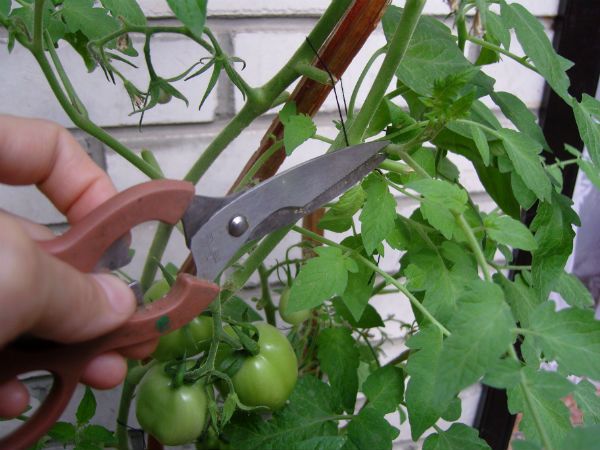
Pinching the tops of all tomato varieties is done at the end of July. A few leaves are left above each blossom, and the rest are removed.
To understand how to pinch tomatoes correctly, you first need to determine the tomato variety, as the process directly depends on its type.
- The first method is used for tall-growing tomato varieties. In this case, pinching continues throughout the season. The top of this stem is periodically trimmed to ensure all nutrients are directed directly to the fruit.
- The second method is suitable for early-ripening tomato varieties. Along with the main stem, the gardener leaves a single side shoot, which will lag behind the rest of the plant in development. This approach increases the yield but delays ripening.
- The third method also applies to early tomato varieties. In this case, several strong shoots are left under the first flowering bud. However, when using this method, it's best to leave the bush's crown in a three-stem formation.
Pros and cons of the procedure
The following positive aspects can be highlighted in the procedure of removing side shoots and pinching tomatoes:
- Thanks to these procedures, the crop receives the maximum amount of nutrients for its fruits and leaves. Consequently, yields increase;
- the gardener has the opportunity to independently control the growth of the plant to the desired height;
- The bushes' appearance becomes neat and tidy. If the seedlings are being planted in a greenhouse, pinching out the side shoots increases the number of bushes.
There are no downsides to this procedure. The only thing that adds to the gardener's chores is constantly monitoring the emergence of new shoots. But if you understand when and how to properly prune excess shoots, then caring for your plants will be a joy.
Don't neglect this procedure, especially since you now know how to prune and shape the bush correctly. Your efforts will enable the plant to reward you generously with a harvest.
Video: How to Trim Tomato Stepchildren
This video will show you how to properly trim side shoots from tomatoes.