
How to prune tomatoes in open ground: rules and timing
Content
Do I need to trim?
Tomatoes desperately need uniform light, which is hampered by numerous lateral branches (side shoots). The competition for sunlight creates competition, forcing the plant to expend energy on elongating shoots and growing leaf blades. Fruit formation occurs later, and some of the fruit simply won't have time to ripen.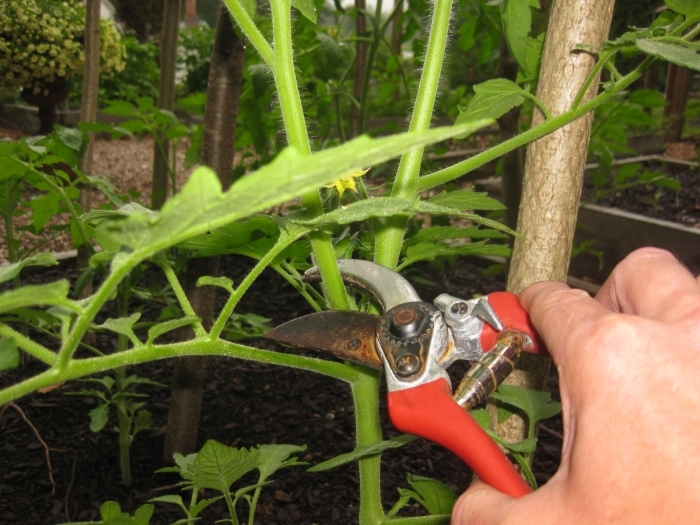
Moreover, the ovary appears on all shoots, drawing nutritional juices away from the part of the crop we are interested in, so the tomatoes that have managed to ripen will not impress us with their size. Removing side shoots accelerates fruit ripening and increases their size, resulting in a higher yield. Removing some leaves on the remaining shoots offers several advantages.
Firstly, it conserves nutrients. Secondly, it promotes better light exposure for the fruits, which at a certain stage take over photosynthesis. Thirdly, reducing contact with the soil and neighboring plants inhibits the development of diseases and pests. Unimpeded air circulation helps reduce excess moisture, which is essential for the development of all kinds of fungi.
Conclusion: Controlling the growth of green mass increases the yield by increasing the percentage of ripe fruits, their weight, and greater protection from harmful flora and fauna.
Video "Cropping"
This video will show you how to prune tomatoes correctly.
How to do it right
Even the most beneficial procedure, if performed incorrectly, can cause harm to the plant. Therefore, before pruning tomatoes growing outdoors, it's helpful to familiarize yourself with the general rules that must be followed.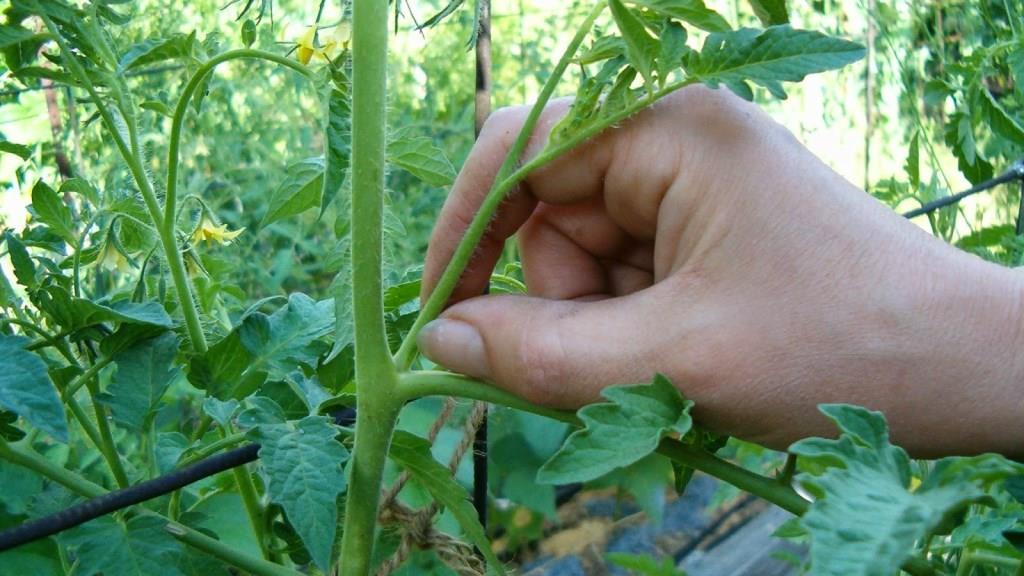
To minimize the stress that inevitably follows from removing large numbers of leaves and shoots, remove side shoots frequently, at least once a week. The weather should be dry and sunny. The first half of the day is preferable, allowing the resulting wounds to dry thoroughly, preventing any infection. If a side shoot is completely removed, a new one will eventually grow in the same spot. Therefore, pinch it off at a height of 1-1.5 cm from the leaf axil, leaving a stump.
Trimmed leaves should not be left in the garden bed. If they are healthy, the best place for them is a compost pile. It's best to burn any diseased or yellowed leaves. Not all tomato varieties require pinching.
The exceptions are standard varieties, which don't produce extra branches, and early determinate varieties, which have a short ripening period. Removing side shoots from the latter will reduce the potential yield, as the clusters formed on the side shoots will have plenty of time to ripen before the end of summer.
For later-ripening determinate varieties, the strongest lower shoots are left. The number of shoots varies for each variety and is reduced the further north the growing region is. Seed producers often provide recommendations for plant formation. Indeterminate varieties are characterized by unrestricted growth of both the central and lateral shoots. Typically, they are formed into 1-2 stems, and the tips are pinched at a certain point.
When it is necessary to do
The first thinning is best done when the side shoots reach 5-6 cm, preserving the strongest ones, which will form additional stems. This usually occurs two weeks after transplanting the seedlings into the ground. Subsequent side shoots are removed at weekly intervals, paying attention to the condition of the leaves. Diseased and yellowed leaves are removed first. Then, any leaves or parts of leaves that touch the ground or other plants should be trimmed.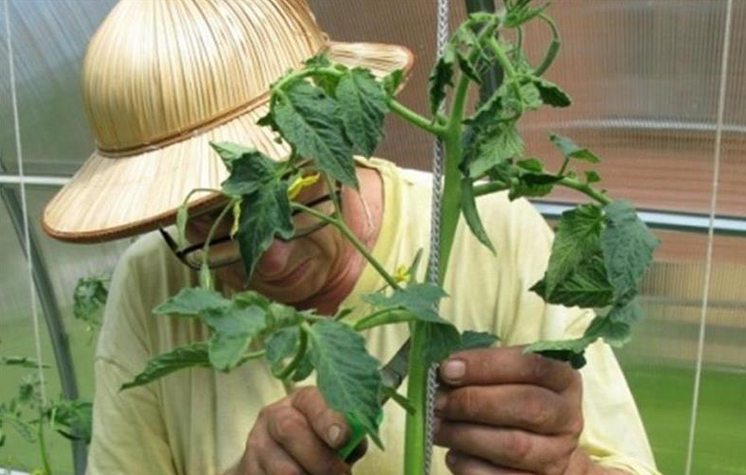
Once the fruit on the first fruiting branch has fully formed, all the leaves growing underneath can be removed. Gradually remove any leaves that shade the ripening tomatoes. At the end of August, pinch off the shoot tips and remove the flowering clusters; the fruits, which take 45-60 days to ripen, will not have time to ripen. When pruning, it's important to maintain a balance between light and the number of leaves remaining. Insufficient leaves will not support photosynthesis at the required level, weakening the plant.
Video "Formation"
This video will show you how to shape a tomato bush.