
How to Store Tomatoes: Proven Tips
Content
Preparation for storage
Only tomatoes that have been properly picked from the garden will have a long shelf life. Another important factor is the tomato variety. Long-term storage is possible with the right variety. There are specially bred varieties characterized by excellent shelf life, such as Vasilisa, Novogodniy, Rio Grande, and Orange Shar.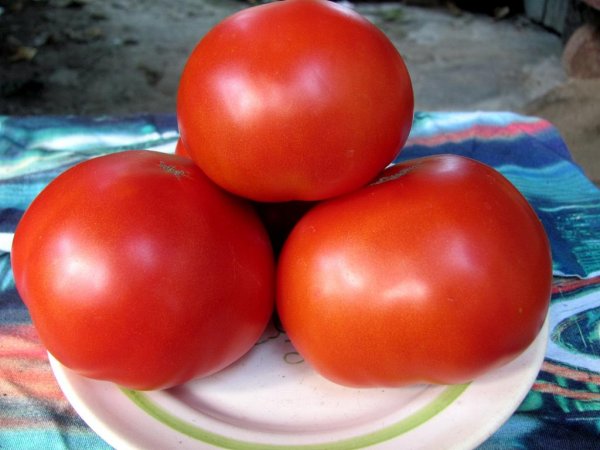
To ensure tomatoes last long enough, you'll need to pick them at the right time, specifically when they're in the milky stage of ripeness. Of course, you can pick completely green tomatoes: they'll last a long time, but they'll be completely devoid of flavor and nutrition. And if the tomatoes ripen completely in the garden, they're unlikely to last long.
Harvesting should be done on a warm, dry, and sunny day, paying particular attention to each tomato. Select only those with undamaged skin, no spots, foreign inclusions, or dents for storage. For added safety, carefully place tomatoes in sturdy containers lined with soft material. Try to harvest tomatoes with the stems attached to the fruit—this will maximize their shelf life.
Video "Collection and Storage"
This video will show you how to properly harvest and store tomatoes so they stay fresh longer.
Storing green tomatoes
If you want to keep green tomatoes fresh until New Year's, you'll need to process them. To do this, place the selected tomatoes in hot water (60 degrees Celsius) for a few minutes and then thoroughly dry them.
Prepared vegetables are placed on the bottom of shallow boxes (wooden or plastic), sprinkled with a thick layer of sawdust and a sheet of paper generously moistened with alcohol (by the way, you can wipe the fruits themselves with the latter if you want them to last until spring).
Tomatoes should be stored at home with the stems facing up. Those that need to be stored for the longest period can be wrapped in paper towels soaked in rubbing alcohol and then sprinkled with wood shavings or straw.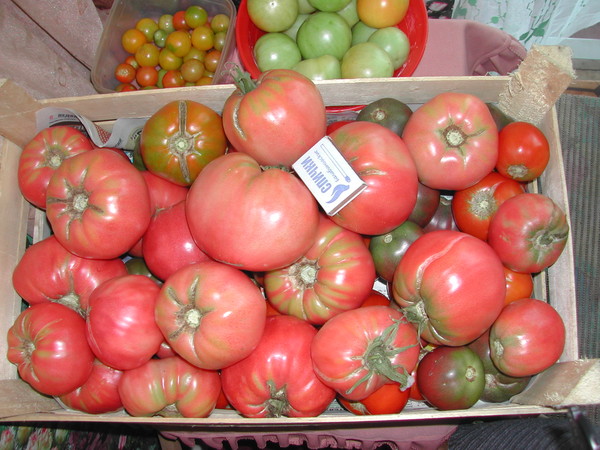
You can store containers with vegetables in any room that meets the following requirements:
- it's dark and not damp there;
- there is good ventilation;
- the air temperature does not exceed 14 degrees.
Moreover, the redder the tomatoes, the lower the temperature should be: fully ripe vegetables can be stored if the room temperature is no more than 2 degrees Celsius.
Stored tomatoes should be inspected regularly, removing any spoiled or reddened fruits. Even a single fully ripened tomato accelerates the ripening of its neighbors.
Storing ripe tomatoes
Now that everything is more or less clear with green tomatoes, it's time to figure out how to store ripe tomatoes. There are several ways to do this:
- Using table salt. Layer chopped tomatoes, generously sprinkled with salt, and whole, undamaged tomatoes in a clean jar. The top layer should be chopped tomatoes. Store the jar in a cool place, such as the refrigerator.
- with mustard. Ripe tomatoes are placed stem-side up in sterilized jars, generously sprinkled with mustard powder. The filled jars are rolled up and stored in a dark, dry place;
-
- Vinegar and vegetable oil. Wash and dry the fruit, place it in prepared jars, and pour in a solution consisting of eight parts water, one part salt, and one part vinegar. Top the filled jar with a one-centimeter layer of vegetable oil and store in a cool, dark place.
- And finally, tomatoes can simply be frozen – they will retain their taste and nutritional qualities for several months.
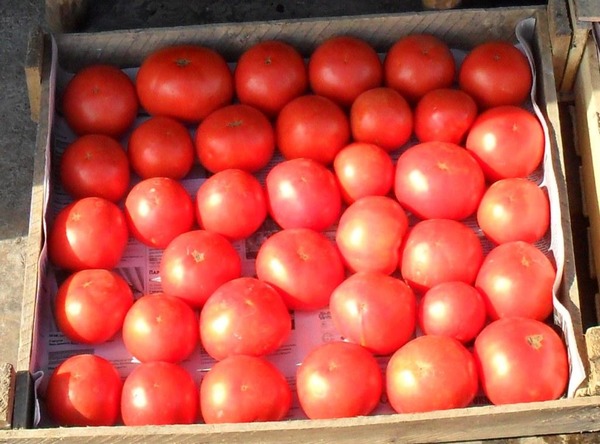
Tomato processing
But in addition to the many ways to keep your favorite vegetable fresh, there are equally interesting options for preserving it, beyond the traditional canning:
- Sun-dried tomatoes are an original snack that came to us from the Mediterranean countries;
- dried tomatoes are an excellent preparation for use in first courses;
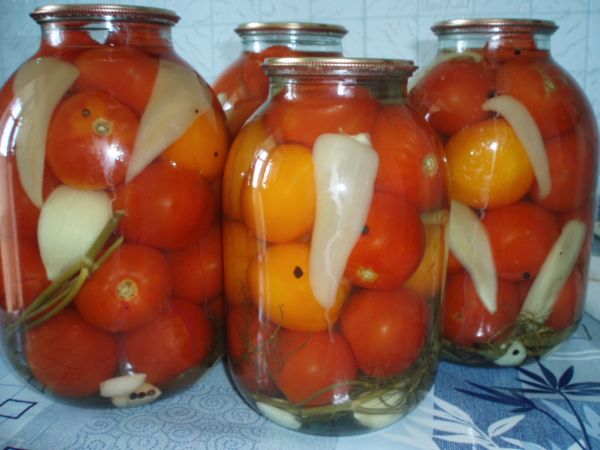
- Pickled tomatoes, a favorite snack for many.
Video: How to Make Sun-Dried Tomatoes
This video will show you how to store dried tomatoes.