
How to use iodine as a fertilizer for tomatoes
Content
What is the benefit?
One of iodine's properties is its harmlessness to humans and its safety for plants in small quantities. Since the chemical solution actively participates in biological processes, it has a positive effect on plants. Iodine improves nitrogen metabolism, so it can replace some nitrogen fertilizers (such as saltpeter).
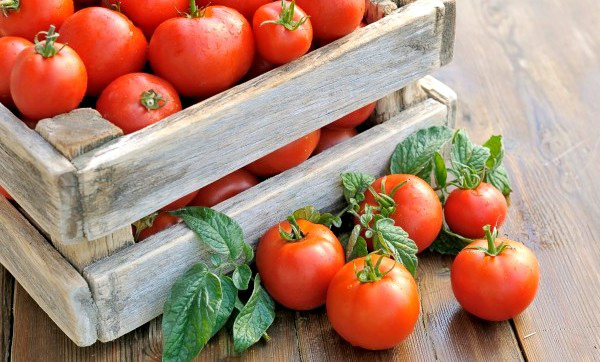
It's most effective for improving tomato yields. Watering it into the soil won't damage its properties. Using iodine, you can destroy many harmful microorganisms and fungi in the soil and on the surface of tomato seedlings. As a result, tomatoes will ripen faster.
Iodine deficiency can result in a slower ripening process and the appearance of disease symptoms in tomato seedlings.
Most other vegetable crops don't require additional iodine supplementation. They absorb sufficient amounts from the soil, replenishing their own iodine balance. However, tomatoes require supplemental fertilization, although they require minimal amounts of this element.
Iodine, when used in fertilizers and tomato treatments, increases resistance to infection and helps ensure good fruit set. It's very effective to use this substance at the first signs of late blight. Simply spray tomato seedlings thoroughly as soon as they're detected, or preemptively during the first month of summer.
How to apply
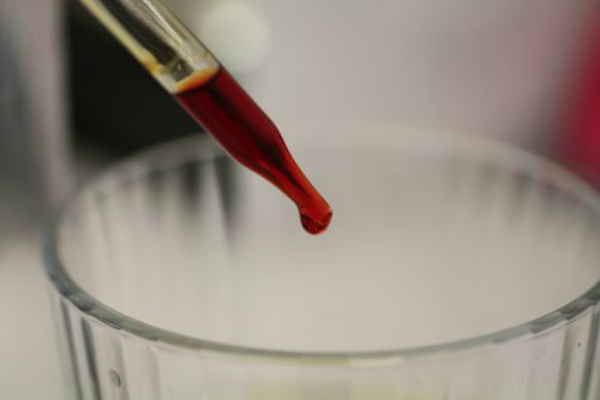
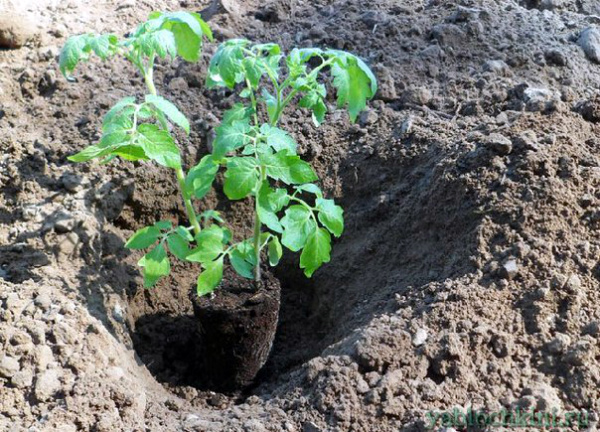
Typically, the first fertilizer for tomato seedlings is applied when they are planted in the soil. There are many folk remedies for treating the crop. A few drops of iodine can be added to them, increasing their productivity. The substance itself can be simply diluted in water and then watered at the roots, adding additional fertilizer to the soil. Each seedling will need to be watered.
A fairly popular method of fertilizing the soil is using diluted iodine in milk or whey. Fermented milk products have beneficial properties, enriching the soil with organic matter and also improving the resistance of tomato seedlings to diseases, fungi, and various pests. Simply dilute about 15 drops of iodine in one liter of whey or milk. Then pour the mixture into 4 liters of water and thoroughly mix the resulting solution. Afterwards, cultivate the area, watering each individual plant.
If it rains within the next 2 days after spraying the plants, the treatment procedure will have to be repeated.
To ensure a bountiful tomato harvest, you can also use boric acid. Plants typically absorb this element better if they've been sprayed. Boric acid should be applied at the right time to avoid damaging the seedlings. Boric acid can also be used as a watering agent, improving and accelerating the absorption of nutrients from the soil.
Boric acid fertilizer can be applied several times per season. The first time is before flowering begins and buds begin to form. The second time is during flowering. The final application is best done when the tomato fruits begin to ripen.
Each boric acid application should not be performed within 10 days of the previous one. Some varieties may react negatively to boric acid. If gardeners were unaware of this beforehand, they should closely monitor the tomato seedlings after the first application. If any deterioration in their condition is detected (for example, slow wilting or foliage discoloration), discontinue boron fertilization to avoid harming the future harvest.
Watering tomato seedlings with boric acid also serves as a preventative treatment against fungal growths and harmful insects. Boron is also effective against late blight. Therefore, watering plants with this solution can be considered a good alternative to iodine. Watering with boric acid should be done at the end of June, but it's best to treat the seedlings with manganese-containing solutions beforehand for disinfection. Use approximately 100 ml of solution per square meter of the plot.
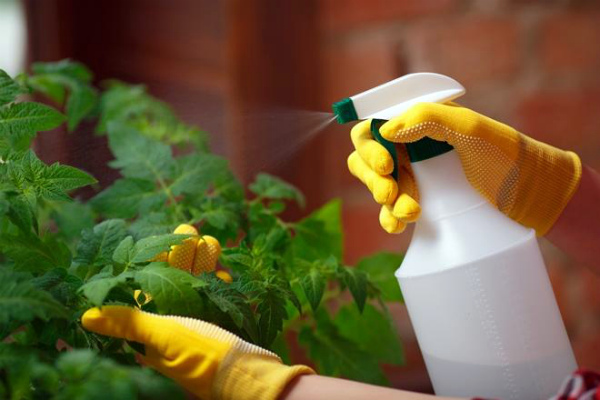
To protect tomatoes from pests, you'll need to spray the seedlings. Dissolve about 10-12 grams of boric acid in a bucket of water and then spray the entire plant.
How to determine iodine deficiency
You can tell that tomato seedlings need iodine by the plant's external signs. Their immunity is weakened first, so characteristic signs of disease may appear soon.
If no measures are taken, this could lead to the destruction of the entire crop.
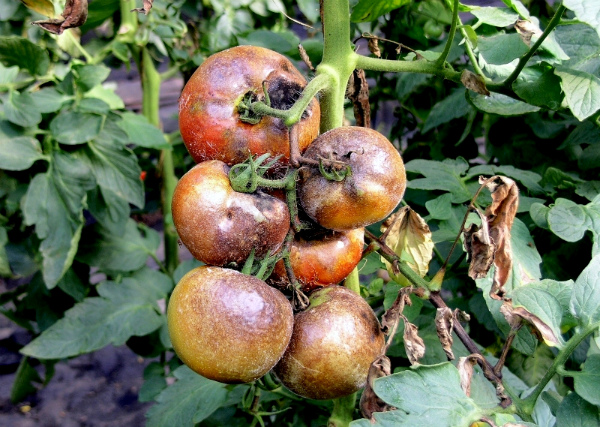
Characteristic signs of iodine deficiency in tomatoes include pale and wilted foliage, thin stems, and spotting. Seedlings begin to suffer regularly, including root rot, late blight, brown spot, and other symptoms.
If fertilizers such as iodine or boric acid are not applied in a timely manner, the plant's immunity will be significantly reduced, and it will be vulnerable to diseases and insects.
At the first sign of tomato weakness, water each plant with one of these products and then observe the plants' condition over the next few days. If you notice any deterioration, it's best to visit a specialist store for a recommendation on a different pest and disease control chemical.
Video: "Feeding Tomatoes with Iodine"
This video will give you an idea of the role of iodine in the development of tomato crops, and also demonstrate how to apply this fertilizer.