
How to use iodine as a fertilizer for tomatoes
Content
The effect of feeding
Iodine is an active substance essential for humans. Its deficiency can significantly impact health. Scientists haven't found a similar pattern in plants, but experienced vegetable growers and gardeners are constantly experimenting in greenhouses and open ground, trying to maximize their yields. Iodine and its solutions are helpful. A positive reaction appears from the time of seedlings until tomatoes ripen.

The first thing you notice after fertilizing is the overall condition of the plant. The stem becomes stronger, and new leaves and stems are actively developing. Greenhouse tomatoes ripen earlier than usual. The fruits appear healthier and more appetizing, and their size increases.
Another undeniable benefit of iodine is protection against diseases and pests, such as late blight. Even at the seedling stage, tomatoes gain protection from harmful microorganisms.
Some tomato varieties, after being fertilized with iodine, are able to accumulate vitamin C, which is vital for humans, in their fruits. The taste of the fruit can also be significantly enhanced.
Video: "How to Speed Up Tomato Ripening. Iodine Fertilization"
The video's author explains how to properly feed tomatoes with iodine and why it's necessary.
When to apply
To ensure the proper development of the bush and its fruit, iodine fertilizers are applied early, even during the seedling stage. This promotes proper growth and development. The plant gains sufficient strength to withstand transplantation and successfully establish itself in open ground or a greenhouse.
Two weeks after planting tomatoes, iodine fertilization can be repeated. If necessary throughout the summer, repeat the procedure as needed. The latest recommended time after which iodine fertilization is mid-August.
How to cook
Iodine is used in solutions. This can be simply water or the addition of additional components. To prepare the fertilizer, you need to purchase iodine with an active expiration date from a pharmacy and strictly adhere to the specified proportions. Otherwise, the fertilizer may either be ineffective or harmful.
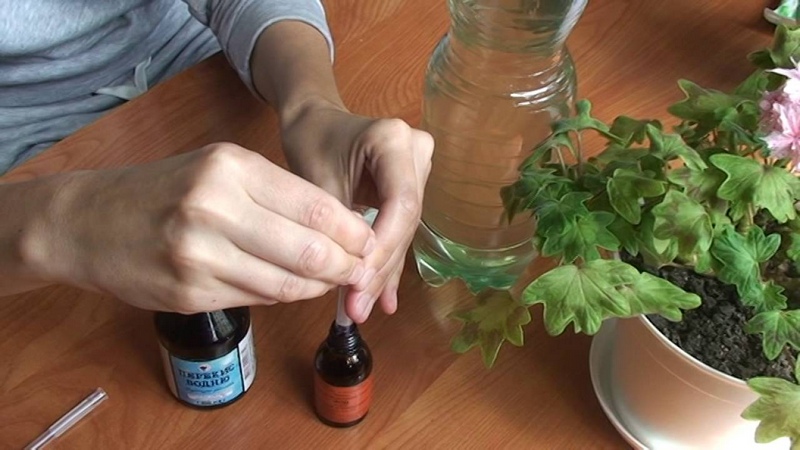
- For seedlings: solution in water – 1 drop per 3 liters.
- After planting: take a bucket of water and dissolve 3 drops of the specified substance in it.
- Watering: use 4-5 drops per bucket of water.
- For feeding: water – 10 liters, 20 drops of iodine, then dissolve a liter of whey.
- To combat late blight: take 1 liter of whey, 40 drops of iodine, 10 liters of water, and 1 tbsp. of hydrogen peroxide.
How to feed
The best option is to experimentally determine the appropriate fertilizing and watering intensity for your plot or greenhouse. To do this, you can try the recommendations of experienced gardeners.
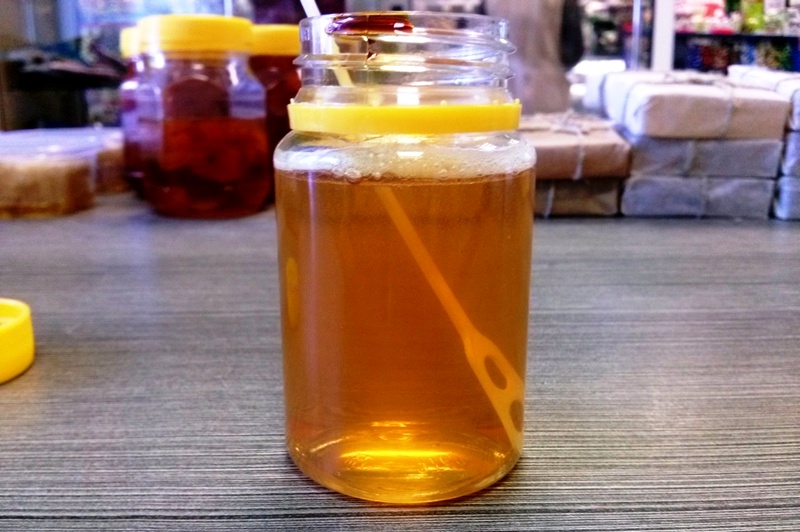
When planting tomato plants, it's best to use the iodine solution only once. This is sufficient for each seedling to gain strength. After transplanting into open ground or a greenhouse, the recommended watering rate is 1 liter per plant, as described above.
When watering according to the suggested recipe, use 2 liters of solution per plant. This rate is the same in both open ground and greenhouses. It is recommended to apply this fertilizer once a week.
You can feed tomatoes according to recipe number 4 once or twice during the entire season. It helps fruits ripen faster and kills germs. It's best to use room-temperature, chlorine-free water for irrigating tomatoes. Water at the roots or in furrows.
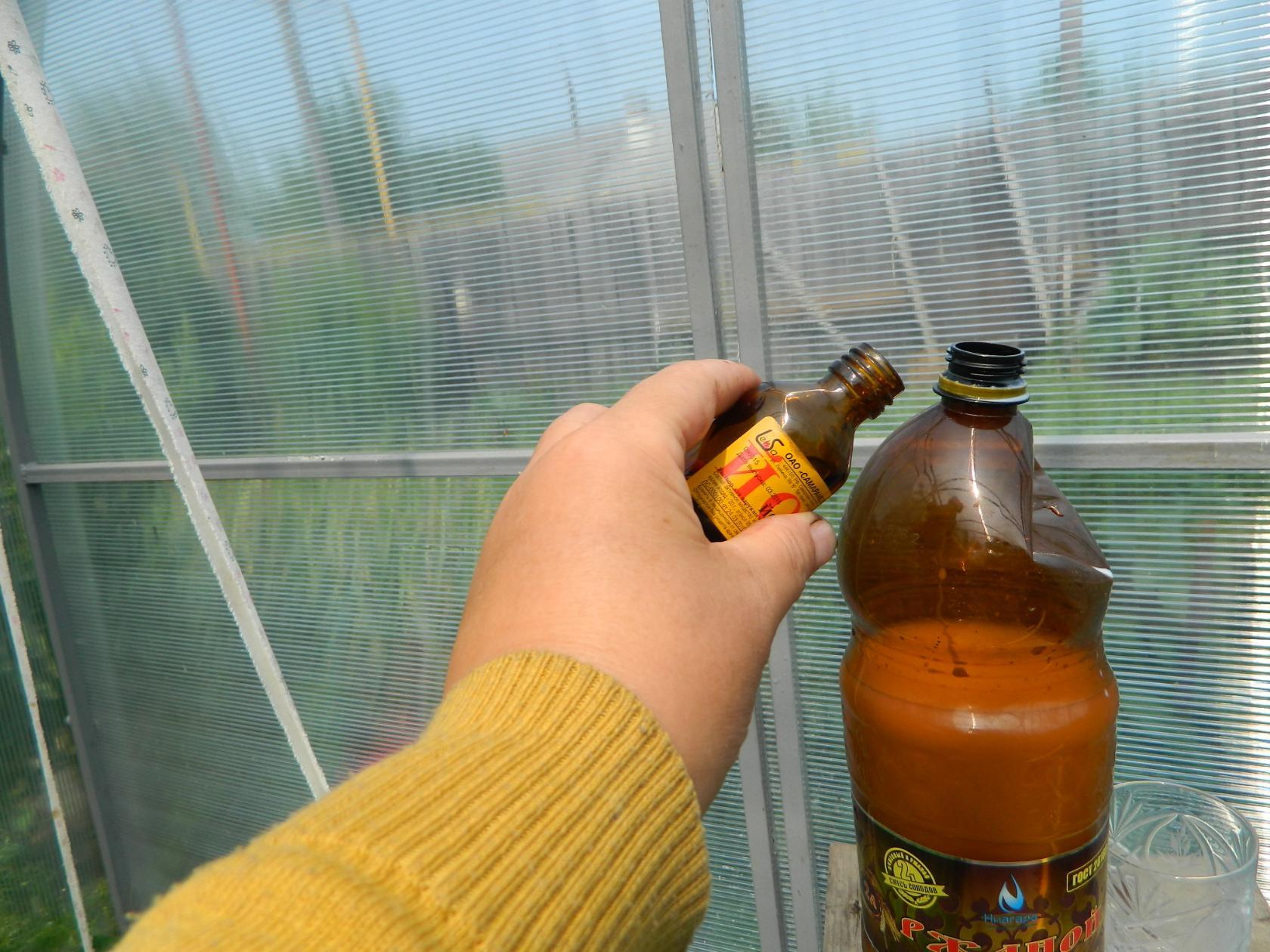
A solution to combat late blight is designed for spraying tomatoes. This should be done carefully, ensuring that even the undersides of the leaves are wet. Low-fat milk is often used instead of whey. The following mixture is used: 250 grams of milk, a liter of water, and a few drops of iodine. Spraying against late blight should be done once every two weeks. The best results will be achieved if the plants are allowed to drain after spraying.
Some experts recommend using a solution of 3-4 drops per 8 liters of water as a spray before fruit set. This procedure is repeated every two weeks after the seedling stage has passed.
Video "Tomatoes in a Greenhouse. Detailed Care Guide"
The video provides detailed information on caring for tomatoes in greenhouse conditions, including proper fertilizing.