
How to grow a good tomato crop outdoors
Content
Soil preparation
If you're planning to plant medium-fruiting varieties, make sure the soil is warm—this isn't just a whim, it's a necessity. Don't plant tomatoes where potatoes were grown, as this is almost guaranteed to cause late blight. Also, avoid planting them where eggplants and peppers were previously grown. This will simply destroy the harvest. It's best to plant carrots, cucumbers, and onions before the tomatoes. And if you decide to plant tomato and strawberry seedlings next to each other, the fruits of both plants will grow larger, and the yield will double.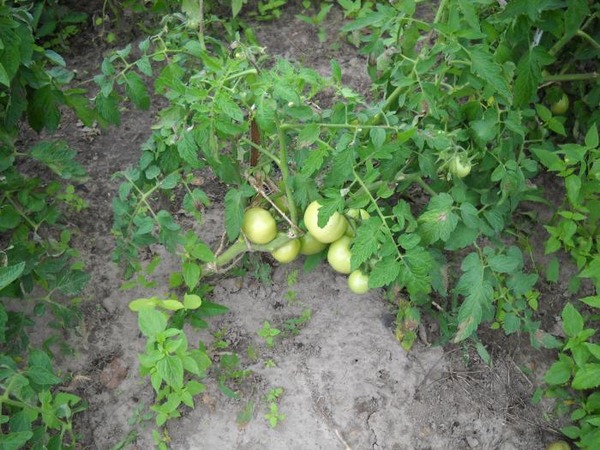
Tomatoes also dislike acidic soil, so choose open-air plots that have previously been amended with compost, ash, and lime. To determine the acidity of your open soil, purchase a simple pH test. The lower the pH, the higher the acidity. Assess the nutrient levels. Micronutrient analysis can be done in a laboratory. It's inexpensive but crucial, as it determines the current year's yield.
Nitrogen has a significant impact on leaves. If there's not enough, tomato plants will develop wilted and yellowed leaves. To ensure adequate nitrogen supply, add flour, compost, or inorganic nitrates to the soil.
Potassium gives tomatoes strength and disease resistance. If there's not enough potassium, the seedlings will grow poorly and look very stunted. To add potassium to the soil, add sand, granite dust, or wood ash.
Phosphorus. Strengthens roots and regulates seed formation. If it's deficient, tomatoes will produce poor-quality, unpalatable, and unripe fruits. To increase phosphorus levels, add superphosphates, compost, and bone meal to the soil.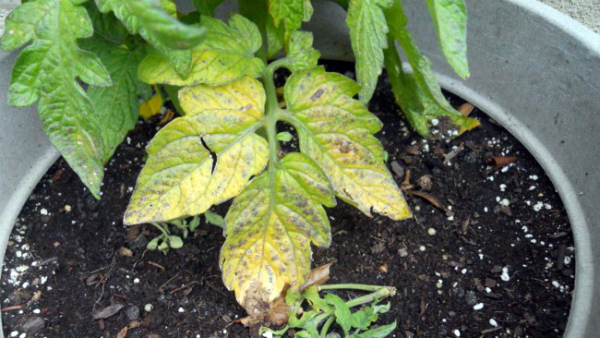
Compost is an excellent soil preparation tool. It attracts earthworms, which loosen the soil and create conditions for beneficial bacteria to thrive. Prepare the open ground for growing tomato seedlings in the fall, after clearing the area. You should also dig and harrow the soil several times. Tomato seedlings love humus, but they absolutely hate manure, as it causes them to grow leaves. Twelve days before planting, form the beds in a north-south direction.
Video: Preparing Soil for Planting Tomatoes
This video will show you how to properly prepare the soil for planting tomatoes.
Planting technology
In late spring, we begin planting young tomatoes. It's best to do this on a cloudy day. If it's sunny outside, and you need to do this today and no later, then wait until evening.
If you have chosen the classic planting, then plant tomatoes in 2 rows with the following distance between them:
- for low-growing tomatoes - 40 cm
- for those of average height, it is around 50 cm.
Square nest planting will make care easier for us and will create favorable living conditions for the tomatoes themselves.
Determinate varieties. 70x70 cm, with an average of 3 tomatoes per nest.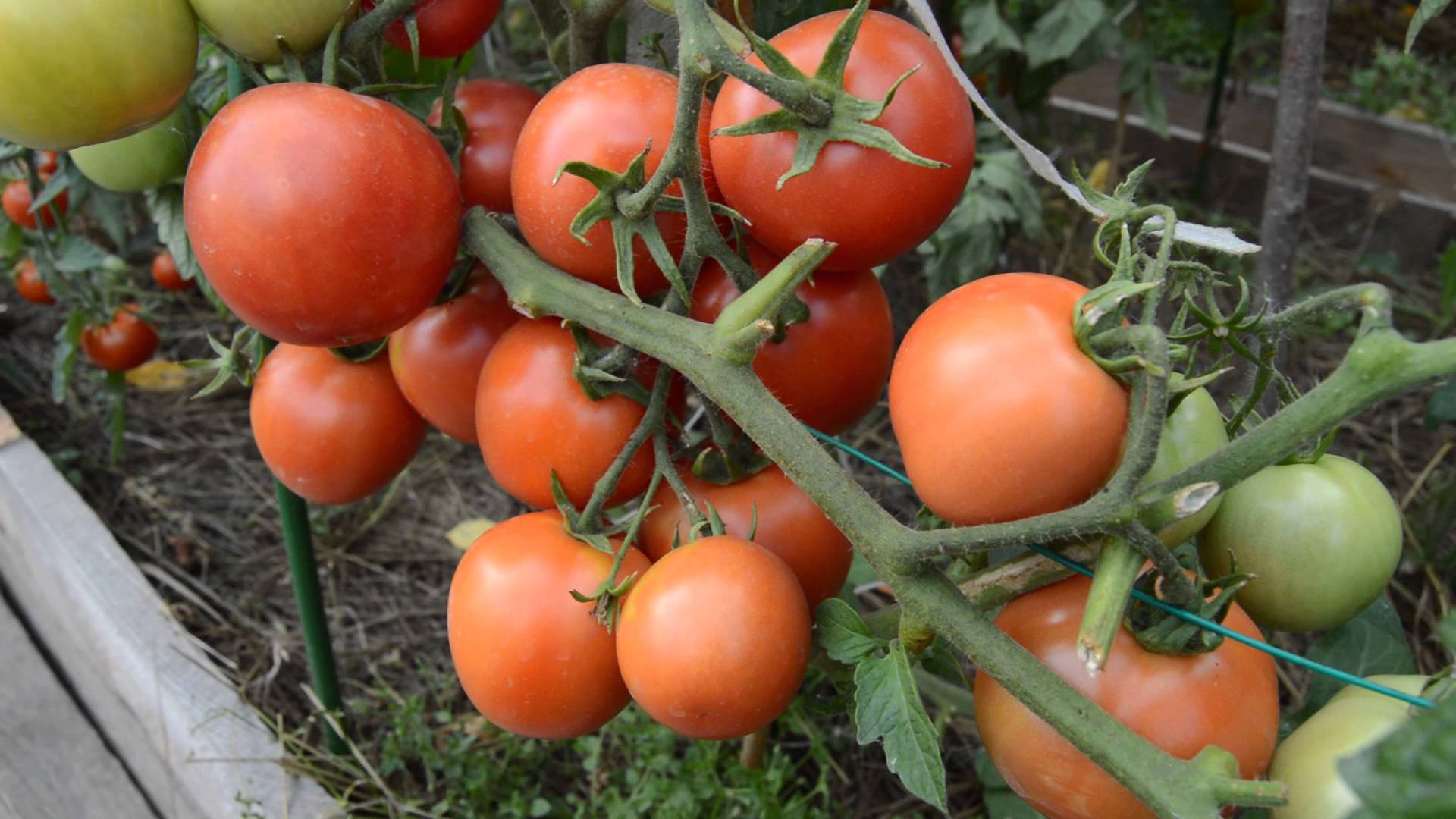
Early maturing varieties with a large bush – 70x70 cm, two plants per hole.
Mid- and late-season tomatoes. 70x70, with one tomato per hole. Or 95x95 (in which case two tomatoes per hole are allowed).
Planting with strips and nails allows you to squeeze the maximum number of bushes into a minimum amount of space. This makes it easier for them to survive inclement weather. Sometimes, thinning out weak seedlings is necessary. Furrows are typically spaced 1.5 meters apart, which is sufficient for the bush to develop.
For a plot of 200 square meters, about 600-650 tomatoes will be enough.
Planting. The soil in the seedling tray should be moistened so that the tomatoes can be easily removed without any damage. The holes should be about 15 cm deep, depending on the tomato variety.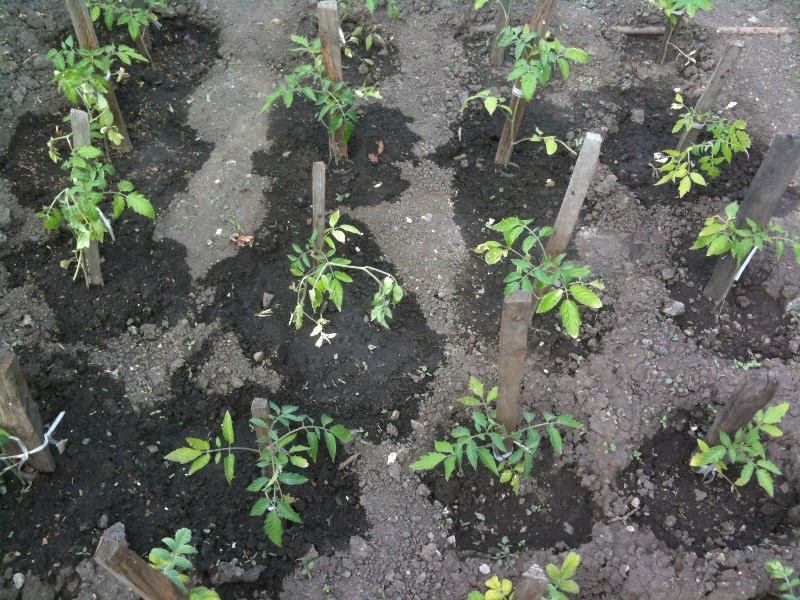
Planting instructions: Turn the seedlings over. Grasp the tomato plant's stem with two fingers and lift it out of the container. Remove the leaves, leaving only 2-3 leaves at the top of the plant to encourage root growth. Place the tomato upright and cover with compost, making sure the stem isn't covered. Firmly press the soil around the tomato plant and cover with dry soil, then mulch.
After planting, leave the tomatoes undisturbed for 15 days. No need to water them during this time, but you can cover them with transparent film, as there may still be light night frosts in the spring. This care determines the tomato yield.
Rules of garter
Place stakes up to a meter high above the rows. They are placed about 7-13 cm away from the tomato plants. We will tie the tomatoes to them later.
Staking should only be done under the fruit clusters. This will allow the fruit to receive more sun, which will accelerate growth and increase yield. Fruit that doesn't touch the ground is less susceptible to diseases.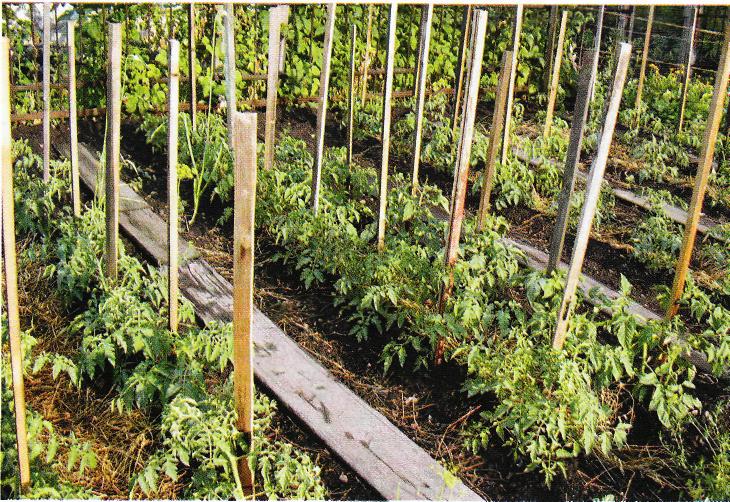
Alternatively, you can use trellises instead of staking. This method will make maintenance easier and prolong the fruiting period. The plants will also be less susceptible to fungal diseases. Install stakes about 1.5 meters high and drive nails into them every 35 cm. Attach horizontal slats to them. Once the seedlings begin to grow, gradually begin tying up the tomato plants. For tall tomato plants, use taller stakes.
Care
Before you even consider how to grow a good tomato crop, you need to pinch out the side shoots. This involves removing side shoots from the seedlings, starting from the moment they're planted. Remove them before they reach 7 cm in length. Do this in the morning. While pruning, don't pull out the tomatoes; gently break off any unwanted branches. If they've grown too large, remove them with a knife. Don't worry, this will positively impact the health of the plant. Remove side shoots under the trusses and flower clusters where fruit hasn't formed; this isn't just for aesthetics, it's for a productive harvest.
Fertilizing should be done every few weeks. We'll start feeding tomato seedlings two weeks after planting. The first feeding should be a solution of mullein or bird droppings. Subsequently, mineral fertilizers can be used. Before flowering, apply 1 liter per plant; after flowering, apply an average of 3-4 liters per plant.
They need plenty of water, but not too often. In spring and early June, water them every 1.5 weeks. In hot weather, water every few days. Misting should be done weekly; otherwise, care will be incomplete. The watering solution should be changed regularly.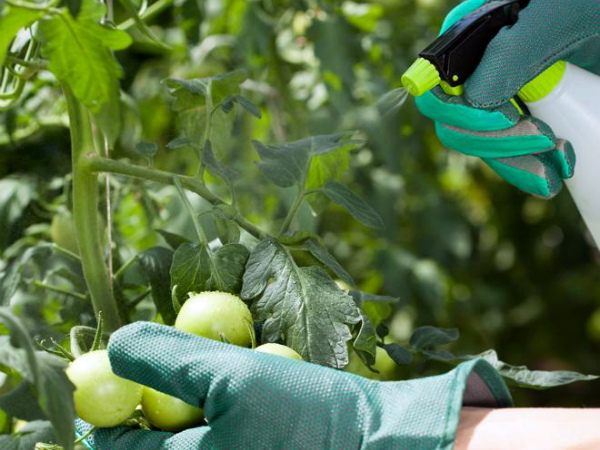
The first spraying should be done immediately after planting outdoors. You can use onion infusion or Bordeaux mixture. You can also occasionally water the tomato plants with banana fertilizer. If you follow the methods described in our article, you'll grow the largest and tastiest tomatoes!
Video: "Tomato Care"
This video explains how to properly care for tomatoes.