
What to water tomato seedlings with to ensure they grow strong
Content
Reasons for stretching
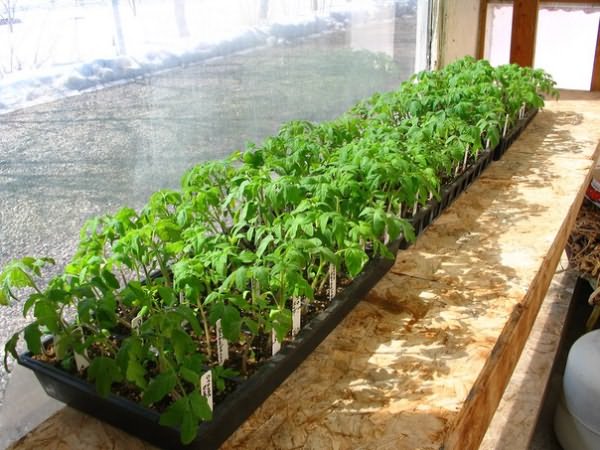
Many gardeners who grow tomatoes on their own plots use store-bought seedlings. However, others grow their own young plants, which they then plant in open ground or greenhouses.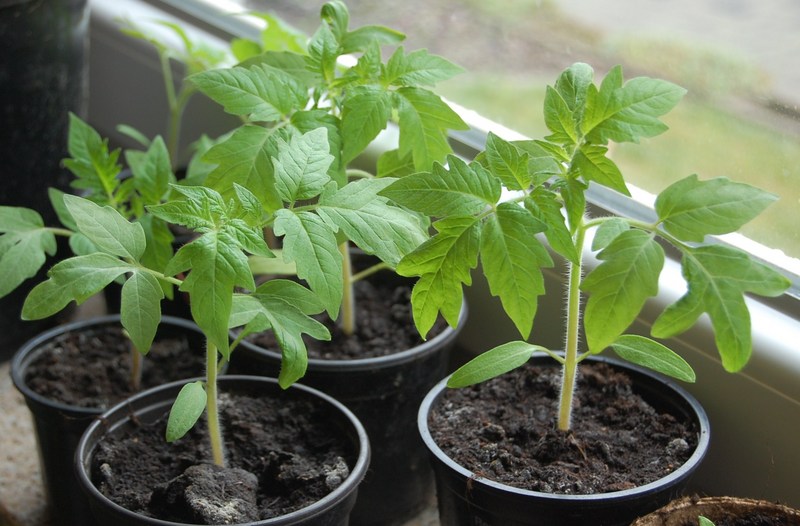
Growing tomato seedlings is a rather complex process. If you don't understand all the intricacies and specifics of this process, you could end up with underdeveloped, spindly plants. They may not take root well when planted in the ground. This will naturally lead to a reduction in future harvests.
The main problem vegetable growers face when growing tomatoes is seedling stretching. This process manifests itself as large gaps between nodes on the stem of a young plant. Two common causes of this are:
- incorrectly organized temperature regime;
- lack of lighting.
These two reasons are especially common when seedlings are grown indoors—in a room or on a balcony. A comfortable temperature for tomatoes is 22-24 degrees Celsius (72-75 degrees Fahrenheit). This is the ideal temperature for planting seeds. Once the seeds sprout, the temperature should be lowered to 15-20 degrees Celsius (59-68 degrees Fahrenheit). This temperature range is quite difficult to recreate indoors.
The second most common mistake when growing tomato seedlings is insufficient light. Apartments don't always have a sunny window. Furthermore, unfavorable weather conditions also contribute to plant stretching. For example, prolonged cold spells, recurring frosts, and cloudy weather negatively impact seedling development.
Sunlight is a fundamental factor for growth and development for any plant. Without enough light, young shoots begin to stretch. This causes them to become thinner, which detracts from their strength and health. This is how the seedlings try to reach for the sunlight.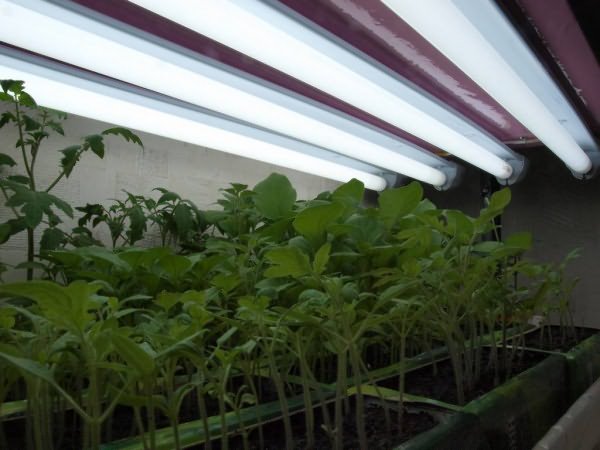
Gardeners begin planting seeds in late winter. As a result, the first shoots appear in early spring. At this time, the sun is not yet strong enough, and the plants lack the necessary light and warmth.
Seedlings need sixteen hours of light. To provide young plants with the required level of light, supplemental lighting is necessary. For this purpose, gardeners use various lamps and phytolamps. A good option is specially designed lamps for plant illumination, as they operate in the optimal spectrum for the plants.
These phytolamps are equipped with a special string. This allows the lamp's height to be adjusted. This allows the light source to move closer or further away from the seedlings as they grow and develop.
Since the seedlings will need to be illuminated daily and for quite a long time, this can lead to significant electricity bills. Therefore, it is advisable to use energy-efficient light sources.
A simple and affordable light source for indoor plant illumination is compact fluorescent lamps. The number of lamps needed should be determined based on the volume of seedlings being grown. Choose lamps with the same wattage. Their color temperature should be between 2700-6400K, as seedlings require blue and red light.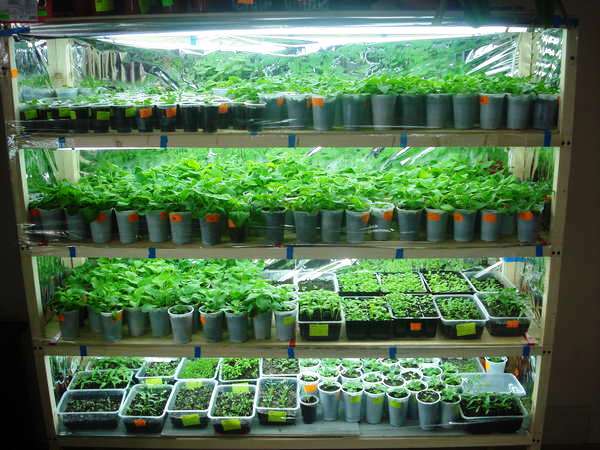
LED bulbs have recently become more efficient light sources. The key is determining the appropriate color temperature for nightshade crops.
Plant lamps can be purchased at a specialty store or made at home. You can increase the amount of light without purchasing special fixtures; simply cleaning your windows can do the trick. This simple procedure will increase light output by approximately 10-20%.
In addition to insufficient light and low temperatures, seedlings can become elongated due to dense seedling growth. This can occur when too many seeds are planted in a container. As a result, they germinate too close together. This leads to uneven distribution of nutrients among the seedlings and weakened plants. To prevent seedlings from becoming overgrown, the weakest seedlings should be removed. The remaining plants will develop more quickly and reach the desired size by the time they are transplanted to their permanent location.
When seedlings are too dense, the plants receive uneven sunlight. As a result, some of them become weakened and, when transplanted into the soil, are unable to adapt to the new growing conditions.
Experts recommend sowing fewer seeds. This will help you grow healthy, neat, and strong plants. Such seedlings will yield many times more fruit in the future than weak and stunted ones.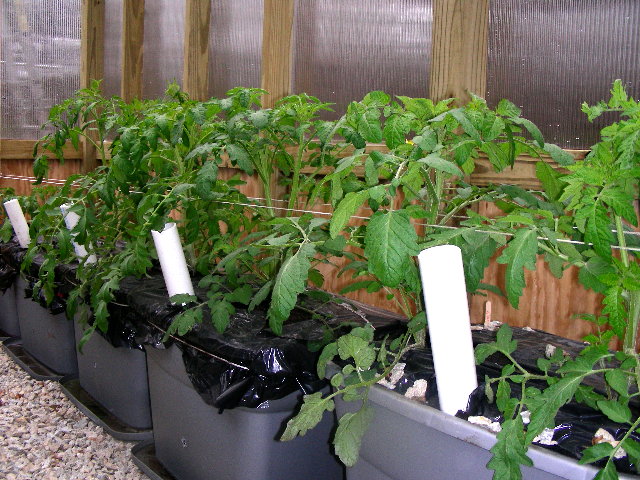
It's important to understand that choosing the right soil is crucial when growing seedlings. Soil that's high in nitrogen and low in potassium and phosphorus isn't suitable for tomatoes. It's crucial that the soil receives the required amount of nitrogen. Therefore, it's important to use mineral fertilizers carefully.
Overfeeding seedlings may cause the following symptoms:
- the topmost leaves, which are small in size, begin to curl inward;
- If there is a strong overdose of fertilizers, then the top will look dented and twisted.
It's important to understand, however, that overly meticulous care isn't good for the plants. Excessive watering and frequent fertilization will cause the seedlings to stretch.
Water the seedlings only when the soil in the container is dry. If the weather is not too hot and the temperature in your home is moderate, water the seedlings once every 10 days. Watering should be evenly distributed to prevent overheating of the leaves. It's best to water between rows. This will minimize the risk of damage to the seedlings.
Watering should be done before lunch. Don't wait until the leaves on the bushes begin to wilt.
The water used for watering tomatoes must meet the following parameters:
- to be defended;
- preferably filtered;
- be at room temperature.
-
About 10 days before planting tomatoes in the ground, you should reduce watering slightly and begin acclimating the seedlings to sunlight and outdoor temperatures. To achieve this, young plants should be brought outdoors for short periods of time or placed in a greenhouse if planting in a plastic structure.
Video "Reasons"
From the video you will learn why seedlings can stretch out.
Thin seedlings
If you have managed to grow thin seedlings, you can use the following methods to eliminate this effect:
- When planting tomatoes in a greenhouse or open ground, the shoots should be planted deeper. This doesn't require digging a deep hole. This is called "slanted planting."
- You cannot plant plants deep in the ground, as young bushes can freeze in soil that is not yet completely warm;
- You need to form furrows 8-10 cm deep. Then fill them with water. You need to wait until the water is completely absorbed into the soil;
- Next, the seedlings are laid out along the formed furrows so that the plants are located at a distance of approximately 50 cm from each other;
- When planting seedlings, their roots should face south. This is a mandatory condition;
- If the seedlings have outgrown their roots, they should be divided into two parts. To do this, remove 5-6 leaves from the roots and trim off the remaining top. Place the top part in water for one week. This time is enough for the top part to form roots. When the roots reach 1-1.5 cm, the plant can be transplanted into boxes or pots.
As a result, you can increase the number of seedlings, some of which will be formed from a single stem. Side shoots should form on the lower part of the shoot. They should be approximately 5 cm in size. Pruning of the side shoots begins approximately 20-25 days before transplanting into the open ground. The top two side shoots should be left, and the rest should be removed.
If the seedlings have become very elongated, they can be pinched. However, this method is only used if there is sufficient space in the container and the seedlings are not crowded. The stem is twisted and covered with soil layer by layer.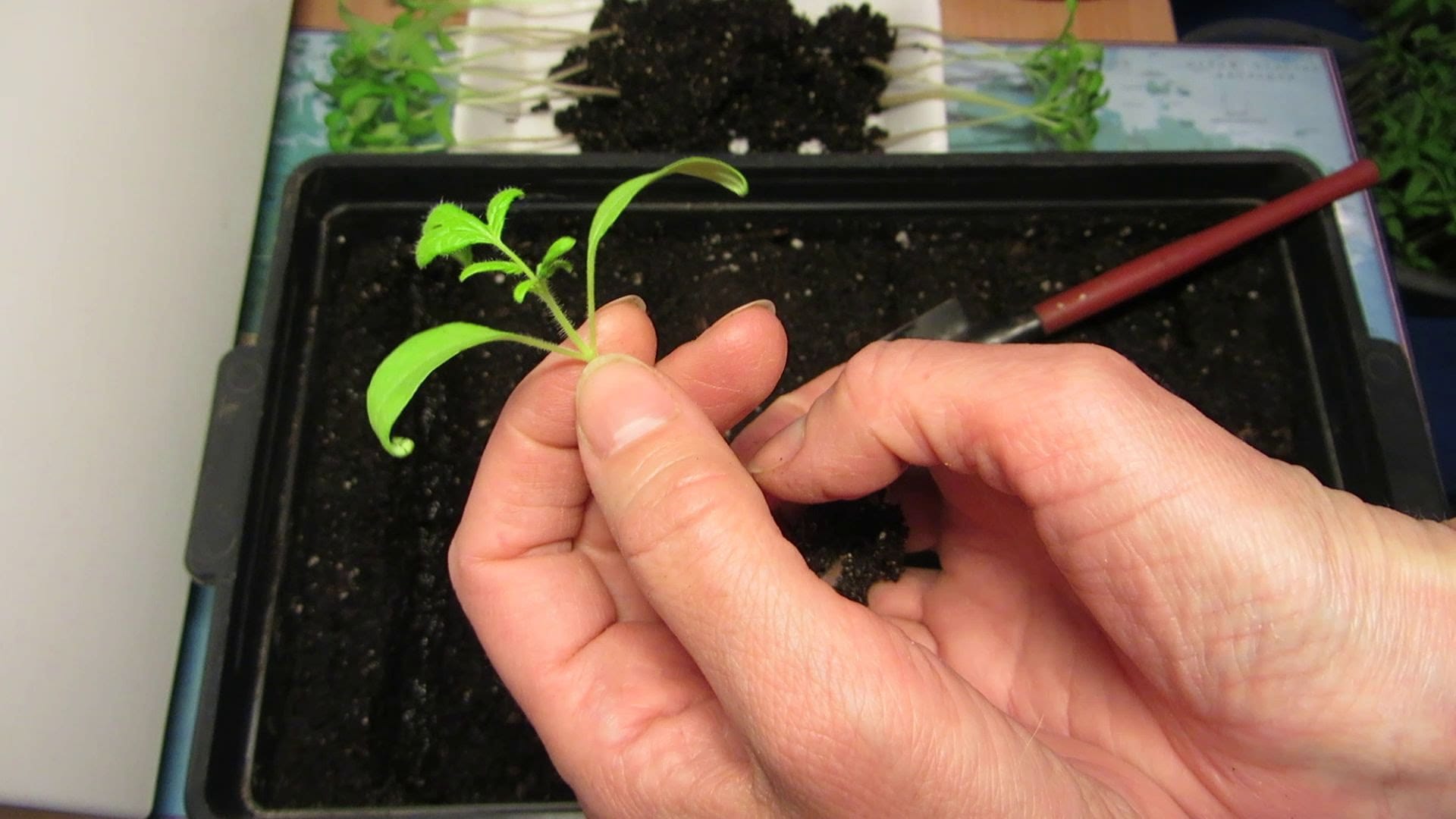
If thinning and stretching of the seedlings is due to insufficient light, then the tomatoes should be transplanted. For this, use a taller container. In this case, the shoots should not be twisted. Simply partially cover the plant with soil, watering each layer thoroughly.
Both methods solve the problem of tomato seedlings that are too thin and elongated. The parts of the shoots buried in the soil will soon begin to act as roots. This will strengthen the root system and provide the plants with additional nutrition. As a result, by the time they are transplanted to their permanent location, the seedlings will be stronger and able to quickly adapt to the new growing conditions.
Urea slows growth
Proper watering can solve the problem of tomato seedlings growing too tall. This requires using a special substance called urea. This is the answer to the question of what to water tomato seedlings to ensure they grow strong and don't stretch.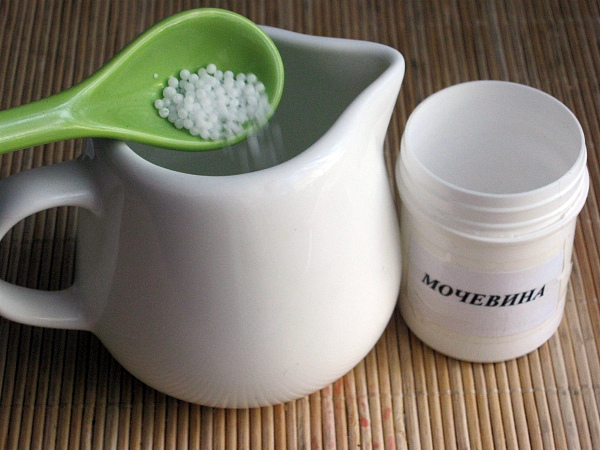
Above, we described a situation where an excess of mineral fertilizers and other supplements can lead to seedlings becoming elongated and thin. However, this situation can also occur with a nitrogen deficiency. This is indicated not only by the seedlings becoming elongated but also by a change in color.
To restore plants to normal health, experts recommend using a urea solution. This irrigation solution is prepared as follows:
- take one tablespoon of urea;
- then it is diluted in 10 liters of water.
The prepared solution is used to water the young plants. After watering, the tomato seedlings are moved to a cool location. The temperature there should be no lower than 8-10 degrees Celsius.
If the problem was a lack of nitrogen, then after watering the bushes with urea, the plants will turn green again, and their excessive growth will slow down a little.
In addition to watering the bushes with urea, they require generous amounts of plain water. However, it's important to remember that performing this procedure in cloudy weather can harm the seedlings. In this case, the plants will begin to turn sour, especially if water is applied too regularly. In this case, generous watering is only necessary when replanting.
It's important to remember not to allow the soil in the container to dry out too much, as this can lead to leaf loss.
In addition to urea, it's important to add other nutrients to the soil when growing tomato seedlings. This should be done periodically. Liquid fertilizers can be used, but they must be applied with strict adherence to the correct dosage and concentration.
Usually, instructions for diluting the fertilizer are provided on the bottle or packaging itself.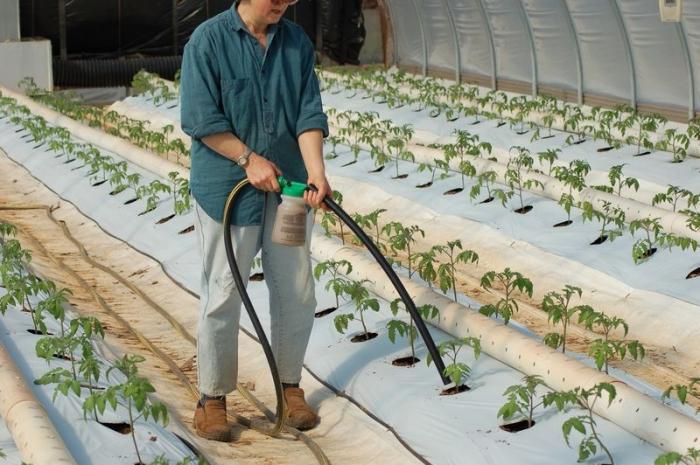
Fertilizer should be applied as follows:
- watering and fertilizing are carried out simultaneously;
- The optimal time for fertilizing and watering is early morning. This approach will help avoid overwatering, as the soil will have time to dry out by evening.
- Fertilizing and watering should be done only after loosening the soil. Loosening should be done approximately one hour before the necessary manipulations;
- The first time feeding is carried out after picking;
- The remaining fertilizers should be applied after the seedlings have been transplanted to their permanent growing location in open or closed ground.
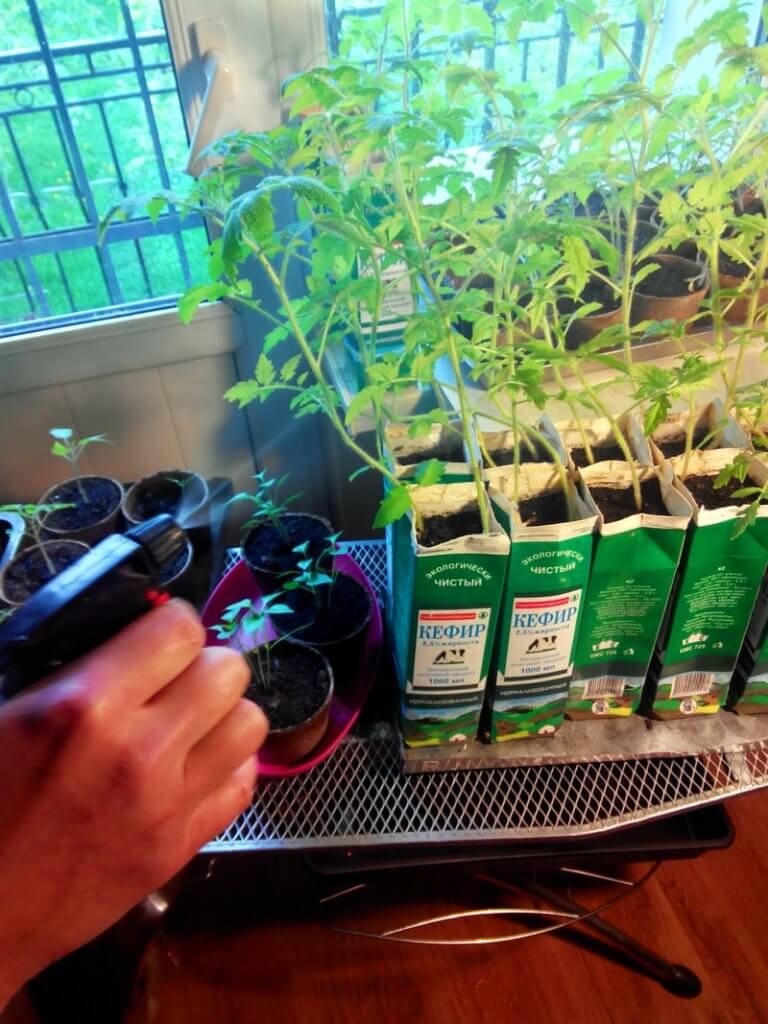
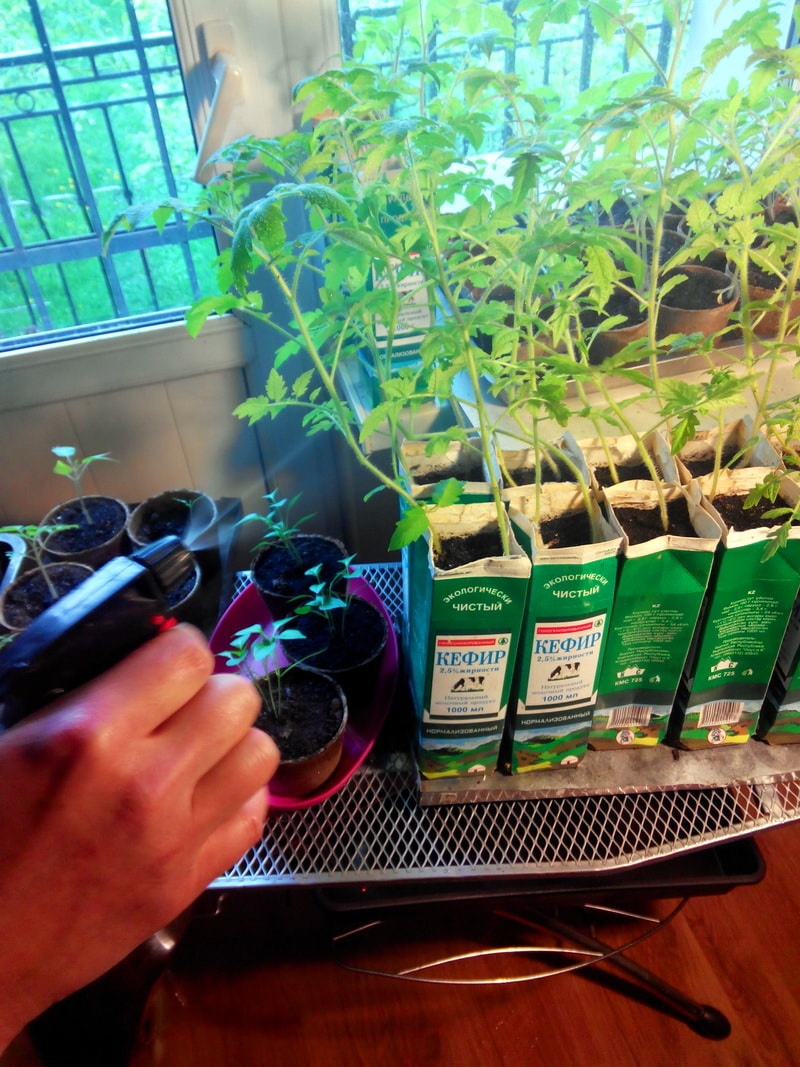
If you follow this algorithm, you can be sure that your fertilizers will deliver the expected benefits. Now you know the answer to the question "how and what to water tomato seedlings for better growth."
A little about temperature
Temperature is a crucial factor in the growth and development of any crop grown in our country's gardens. Moreover, this parameter is closely related to light. In conditions with abundant light, the temperature will be somewhat higher. With good seedling lighting, the optimal temperature should be around 25 degrees Celsius. If the weather is cloudy, the temperature should be around 18 degrees Celsius.
Remember that temperatures of 17 degrees Celsius or lower are undesirable during the first 3-4 weeks of development and growth of young plants. This increases the risk of root rot.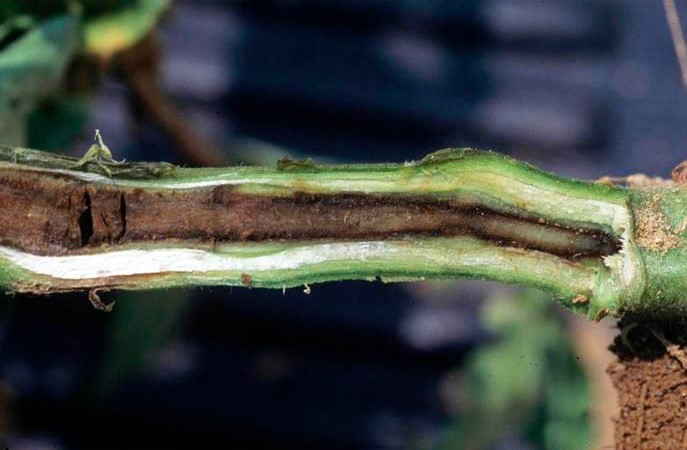
To prevent plants from getting too cold when growing on a windowsill, you can insulate the window with foam. After all, improper temperature control is the main reason why young plants stretch. Tomatoes should only be grown at optimal temperatures. This temperature should also be strictly monitored after transplanting the seedlings into the greenhouse.
It is the temperature problem that is most common in situations where young plants are grown in an apartment.
People's Councils
If a growing tomato plant has begun to stretch, folk remedies can solve the problem. In this case, the following three tips are relevant:
- Use gentle movements of your hand or a piece of cardboard along the plants several times. This causes the leaves to release ethylene gas, which will slow the growth of the plants. However, this method is only effective if the seedlings are receiving ample light.
- The pot should be turned at least 5-6 times during the day. This will ensure that the plants spend their energy turning toward the light rather than stretching.
- Sprouts that have stretched out should be replanted into separate pots. This will significantly slow their growth.
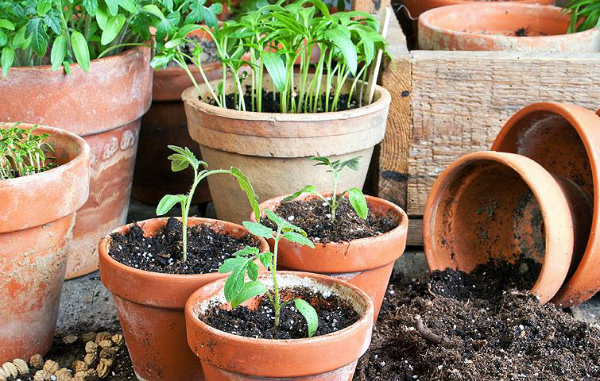
These tips should be followed if you want to normalize very elongated seedlings without resorting to radical methods.
Growing tomato seedlings indoors is a complex process. They must be grown under a strictly controlled light and temperature regime, as well as properly watered. Otherwise, there's a risk of young seedlings becoming elongated and thinning. This will negatively impact the subsequent development of the tomatoes and their yield.
Video: "Seedlings without watering"
This video will show you how seedlings can grow without watering and what you need to do to achieve this.