
How to feed tomato seedlings to make them plump
Yeast
Yeast is not only a valuable culinary ingredient, indispensable for making sourdough starters and fluffy dough, but also an excellent fertilizer that will help unlock the vegetative potential of any plant. For tomato seedlings, yeast will create a growth "cushion," promoting root development, strengthening stems, and, of course, improving yield.
The first feeding recipe: mix 100 g of live yeast with 125 g of sugar in 2.5 liters of warm water. Cover the resulting mixture with cheesecloth or another breathable cloth, then set it aside in a warm place for 24 hours to allow the fermentation process to begin. Stir the mixture every few hours. This starter should be diluted at a ratio of 1 cup of starter to 1 bucket of water.
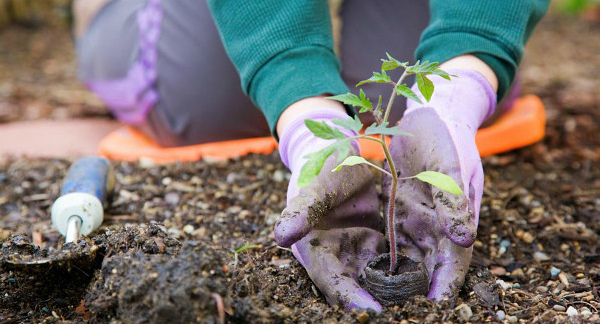
The second recipe for yeast feeding tomato seedlings is as follows: dilute 10 g of dry yeast in 10 liters of warm water. After thoroughly mixing, water the seedling beds.
A "nutritious" cocktail for young seedlings can be made by mixing dry yeast (10 g), chicken manure extract (0.5 l), wood ash (0.5 kg), water (10 l), and 5 tablespoons of sugar. After letting the mixture sit, dilute it again 1:10.
Yeast feeding should be carried out no more than 3 times per season, since an excess of yeast fungi has a detrimental effect on plants. Moderate yeast feeding has an excellent effect on the growth of the above-ground and underground parts of the plant, the yield and the taste of tomatoes.
Mullein
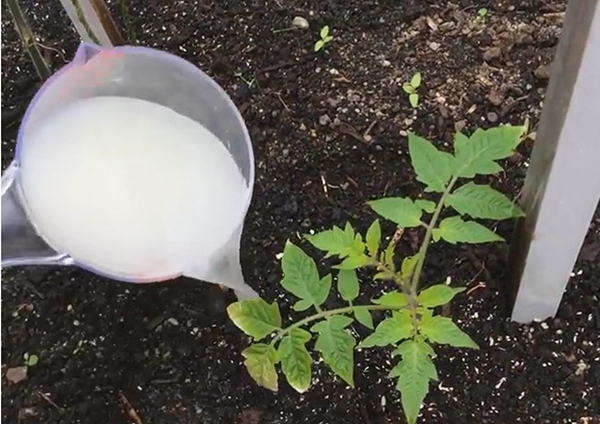
Mullein, also known as cow manure, is an excellent fertilizer for tomato seedlings at all stages of their outdoor life. Among organic fertilizers, it's not the richest in micronutrients, but this is actually a plus, as it reduces the risk of overdoing it and causing damage to the plants. Mullein can be used either pure or mixed with other organic and inorganic fertilizers.
The most effective method is to mix 1 tablespoon of potassium sulfate, 0.5 liters of mullein extract, and 10 liters of water. No further dilution is necessary, but apply no more than 1 liter of fertilizer per bush.
Mullein should only be used as a foliar fertilizer for young tomatoes, as it will cause the tomato plants to turn green without producing a proper harvest. Fertilizing should not be done more than 2-3 times per season.
Manure
Manure is an excellent fertilizer both during the transplanting stage and during the rooting process. Different types of manure should be chosen for different soil types.
Fresh horse manure should not be added to the soil in the spring to avoid contaminating seedlings with undigested microorganisms. However, well-rotted manure or compost is suitable for any fertilizer, as it contains a high amount of nitrogen.
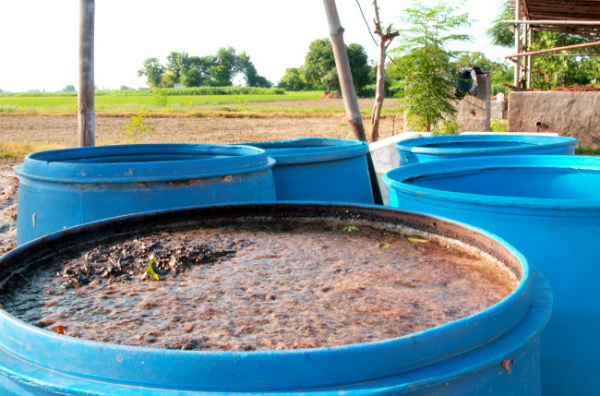
Bird droppings infusion works well as a fertilizer. Mix 1 kg of droppings in 10 liters of water and let sit for 3-4 days, stirring regularly. The fertilizer is ready by its color—it should be light brown, like weak tea. Apply no more than 1 liter of the resulting liquid fertilizer to the bushes.
Iodine
You'll be surprised, but iodine can be used not only as a medicine but also as a plant food. Add 5-6 drops of iodine to 10 liters of water, stir, and immediately water the seedlings. Try not to water tomatoes with iodine solution more than once a week, and don't pour more than 2 liters of the solution under each plant. Iodine solution will also help eliminate downy mildew, rot, and harmful microorganisms due to its antiseptic properties.
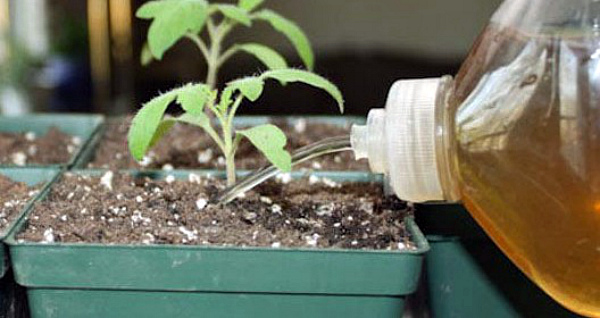
Another option for using iodine: dissolve 10 g of iodine, 10 g of phosphorus, and 20 g of potassium in 10 liters of water. Water the seedlings with the resulting solution at a rate of 0.5 liters per bush.
Urea
Urea is a good fertilizer for tomato seedlings if used strictly according to the instructions and not mixed into too strong a mixture. It is usually used in combination with saltpeter, monopotassium phosphate, and wood ash.
The first feeding occurs when the plant develops 2-3 leaves. Dissolve 15 g of urea and 6 g of ammonium nitrate in a 10-liter bucket. Dilute the resulting mixture 1:10, then water the newly greened seedlings. Urea can be used when transplanting seedlings into open ground—simply add 15 g of urea to each hole. It's important to note that urea can only be used once per season.
Video: "Fertilizing Tomato Seedlings After Picking"
See how tomato seedlings are fed after picking and before planting in the greenhouse.