
How to feed tomatoes during flowering and fruiting
When to feed
Foliar feeding provides any plant with the necessary complex of auxiliary microelements and other nutrients. This complex is especially essential for tomatoes during flowering, as it helps build foliage and nourish the inflorescences, preventing them from falling off before pollination is complete.
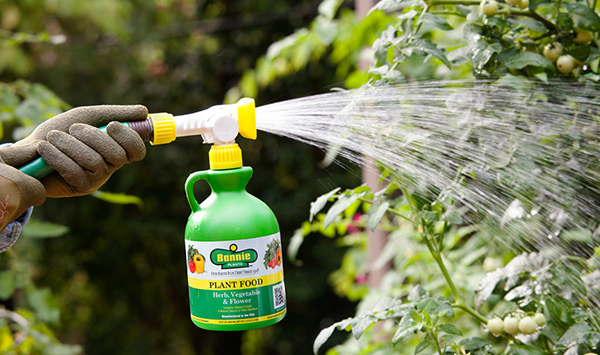
During the fruiting period, you can apply fertilizer to speed up the ripening process. However, caution should be exercised with any fertilizer, as it can oversaturate the tomatoes with resources for developing green shoots and new growth, rather than fruit formation.
It's best to apply fertilizer no more than 4-5 times per season. This is enough to ensure the plant consistently receives beneficial micronutrients without overfeeding.
The first feeding is done when transplanting the seedlings into open ground. The second one is done a week before flowering. Yes, timing can be difficult, especially if you've planted a new variety and don't yet know how it's performing. But at least aim for a rough guide so that the tomatoes receive their share of fertilizer. The third feeding occurs precisely at the fruiting stage and is, in fact, optional, but pleasant for the plants.
Fertilizer recipes
You've probably already wondered what to feed your tomatoes during flowering and fruiting. There are many options, suitable for a variety of soil types. Most even coexist quite well with each other. Nitrogen fertilizers can be used, but since they often lead to excessive greening of tomato plants, yeast fertilizer is a better choice.
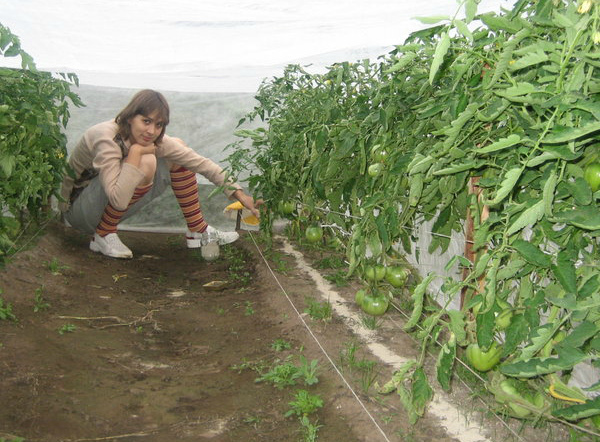
Since a yeast solution is used for fertilization, you can feed plants with a well-diluted mixture throughout the entire flowering and fruiting period.
Preparing a yeast solution is easy. Mix 10 grams of dry yeast and 5 tablespoons of sugar in 10 liters of water, stir thoroughly, and let sit in a warm place for 24 hours. Dilute the resulting solution 1:10, then water your garden beds, being careful not to apply the fertilizer directly to the roots. You can also make a starter with yeast and bread crusts. You'll need a 3-liter container, fill it two-thirds full with black bread crusts, stir in 100 grams of fresh yeast, and cover with warm water. After the mixture has fermented, strain it and dilute it 1:10 before using.
During fruiting, you can use a solution of iodine and wood ash. Mix 5-10 grams of iodine and 0.5 liters of ash, dilute in 10 liters of water. Let the solution sit for 8-14 hours before use. Besides providing the tomatoes with nutritional support, iodine disinfects the soil, neutralizing the activity of harmful late blight.
Iodine fertilizer is a good help not only during fruiting, but throughout the entire season.
To enhance and prolong the flowering period, prepare a mixture of sugar and boric acid. You'll need 1 liter of boiling water, in which you dissolve 100 grams of sugar and 2 grams of boric acid. Cool the mixture to room temperature and spray it onto the tomato plants. This will attract insects that will pollinate the plants, significantly accelerating the process.
Don't forget about mineral and organic fertilizers. Mix 20 grams of urea, 30 grams of phosphorus, and 40 grams of potassium fertilizers and dissolve them in 10 liters of water. Dilute the resulting solution 1:10 and apply no more than 1 liter of solution per plant. Remember that this type of fertilization should only be performed once per season to avoid burning the tomato roots and oversaturating them with active micronutrients.
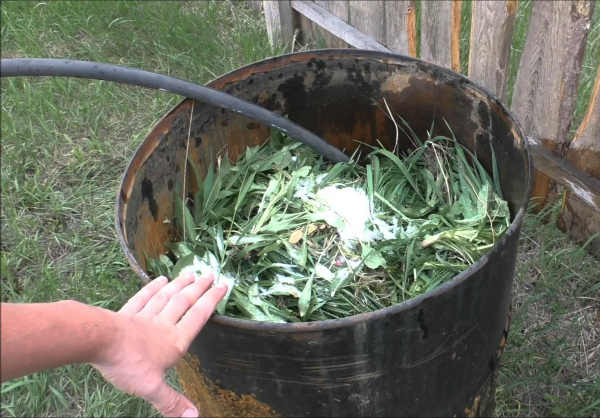
An herbal infusion works well. It's easy to prepare—most of the ingredients are readily available. So, take 50 liters of water, 4 kilograms of chopped grass, 1 kilogram of mullein, and ash. Mix thoroughly and then let it steep for three days. Dilute the mixture to a volume of 100 liters, then use it for watering, adding about 2 liters of fertilizer under each bush.
Video: "How to Feed Tomatoes During Flowering"
To ensure a bountiful harvest, gardeners feed their flowering tomato plants. Watch the video to find out what you can feed your plants with at this time and how to do it correctly.