
How to fertilize tomatoes after planting in the ground: options
Content
When and what to feed
No matter how fertile the soil, frequent planting of different crops significantly depletes it. Consequently, harvest yields decrease significantly. Fertility can be restored by regularly fertilizing the soil. Some vegetables, such as bell peppers, don't require much fertilizer. Tomatoes, on the other hand, require significant additional feeding.
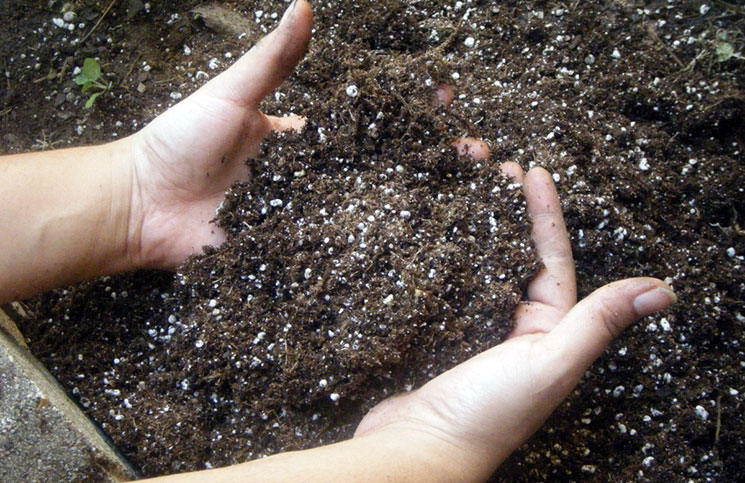
Every gardener knows that tomatoes, during the ripening period, absorb a wealth of minerals from the soil they grow in. These minerals provide the basis for the development of vegetative mass—the foundation of the harvest.
Fertilize the soil before planting tomato seedlings. Use humus or various minerals for this purpose. Fertilizing is especially important now; if it's not done, you'll need to fertilize the vegetables as they develop.
Initially, the vegetable needs to be fertilized with nitrogen. However, it's important to remember that it's better to underfeed tomatoes than overfeed them. Ideally, feed the plant in the required amounts as it grows after planting.
After this feeding, the next treatment is necessary after the tomatoes begin to flower, when they require potassium and phosphorus. The fertilization period is easily determined by the appearance of the tomatoes: their growth slows, the leaves curl, and the tomatoes change color.
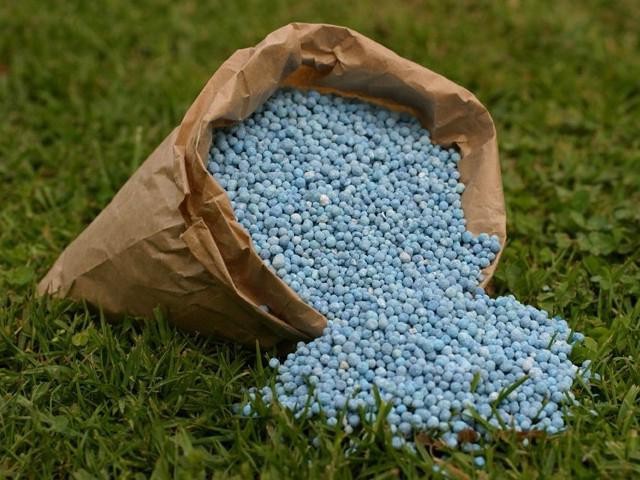
During its lifespan, the plant needs to be fertilized approximately four times. The first fertilization should be performed two weeks after planting the seedlings in open soil. During this period, fertilization promotes plant and root growth.
After this feeding, the next one is applied 14 days later, and the third, foliar feeding, occurs after flowering or fruit set. The plants are fed for the final time during the harvest season.
Today, a wide variety of fertilizers are available for use at different stages of vegetable development. For tomatoes, minerals and organic fertilizers are suitable, applied under the roots and through foliar application.
Fertilize tomatoes only in the bush area. Fertilizing the plant itself is not recommended, as this can cause root rot and reduce yield.
Root feeding
Tomatoes are often fertilized with organic matter containing micronutrients that promote the growth and fruiting of the vegetable. Manure is a natural fertilizer, but it should not be used raw. This fertilizer option is effective because manure from cattle fed on hay contains a large amount of minerals and nutrients.
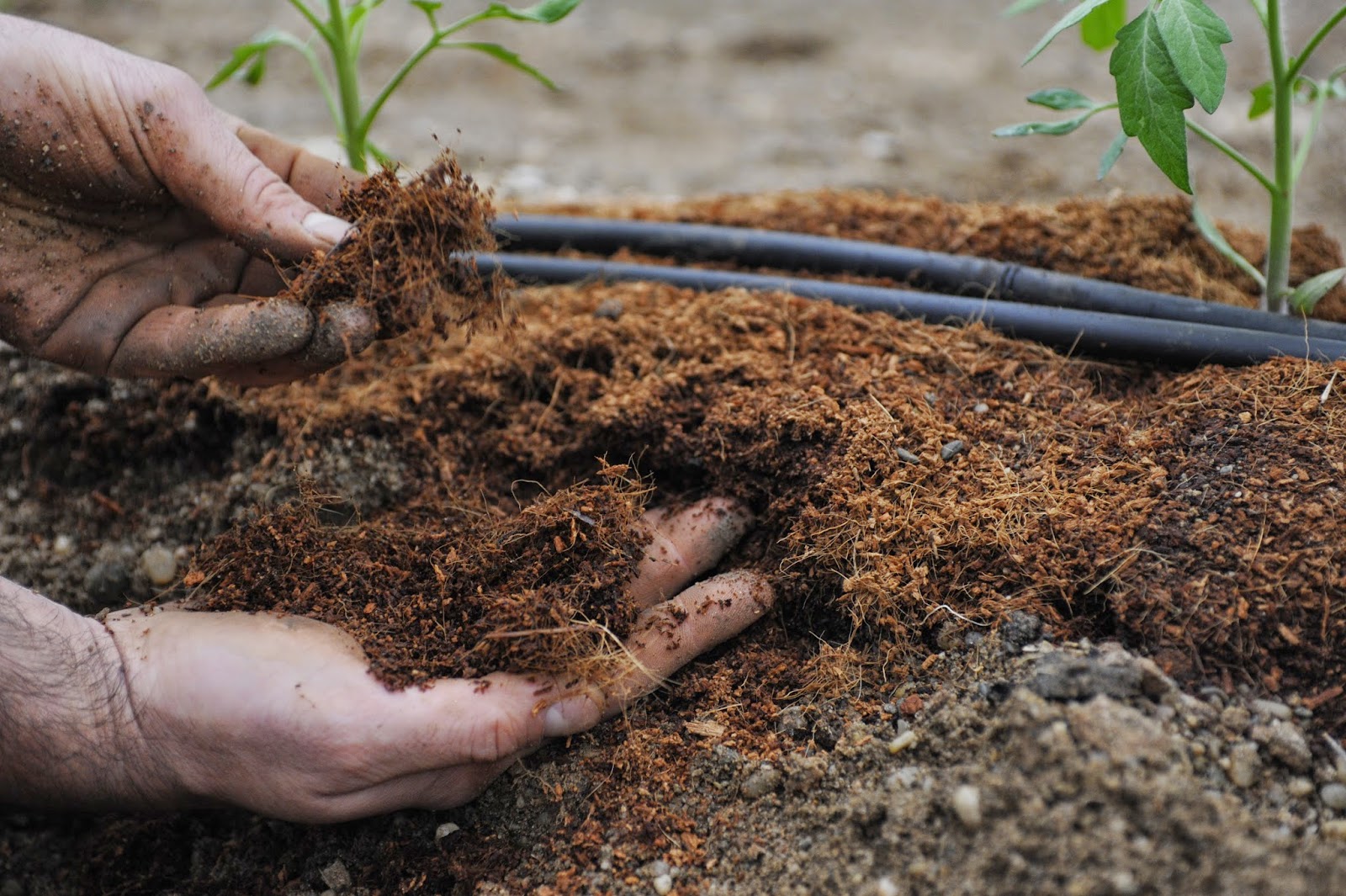
Bird manure, which contains nitrogen, is a good fertilizer. Chicken manure isn't widely used for tomato plants because it has an unpleasant odor, contains worm eggs, and contains parasitic seeds. Today, gardeners are advised to use dried chicken manure to fertilize open soil. The material is dried at high temperatures, which helps preserve nutrients and eliminates odor.
You can provide tomatoes with nitrogen using legumes. Simply plant the legumes in the soil where you plan to plant tomatoes. Legumes are excellent nitrogen fertilizers, and their extensive root system is excellent for loosening the soil.
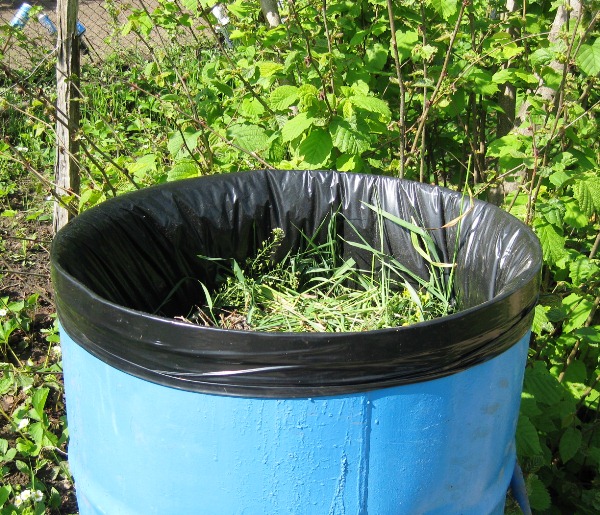
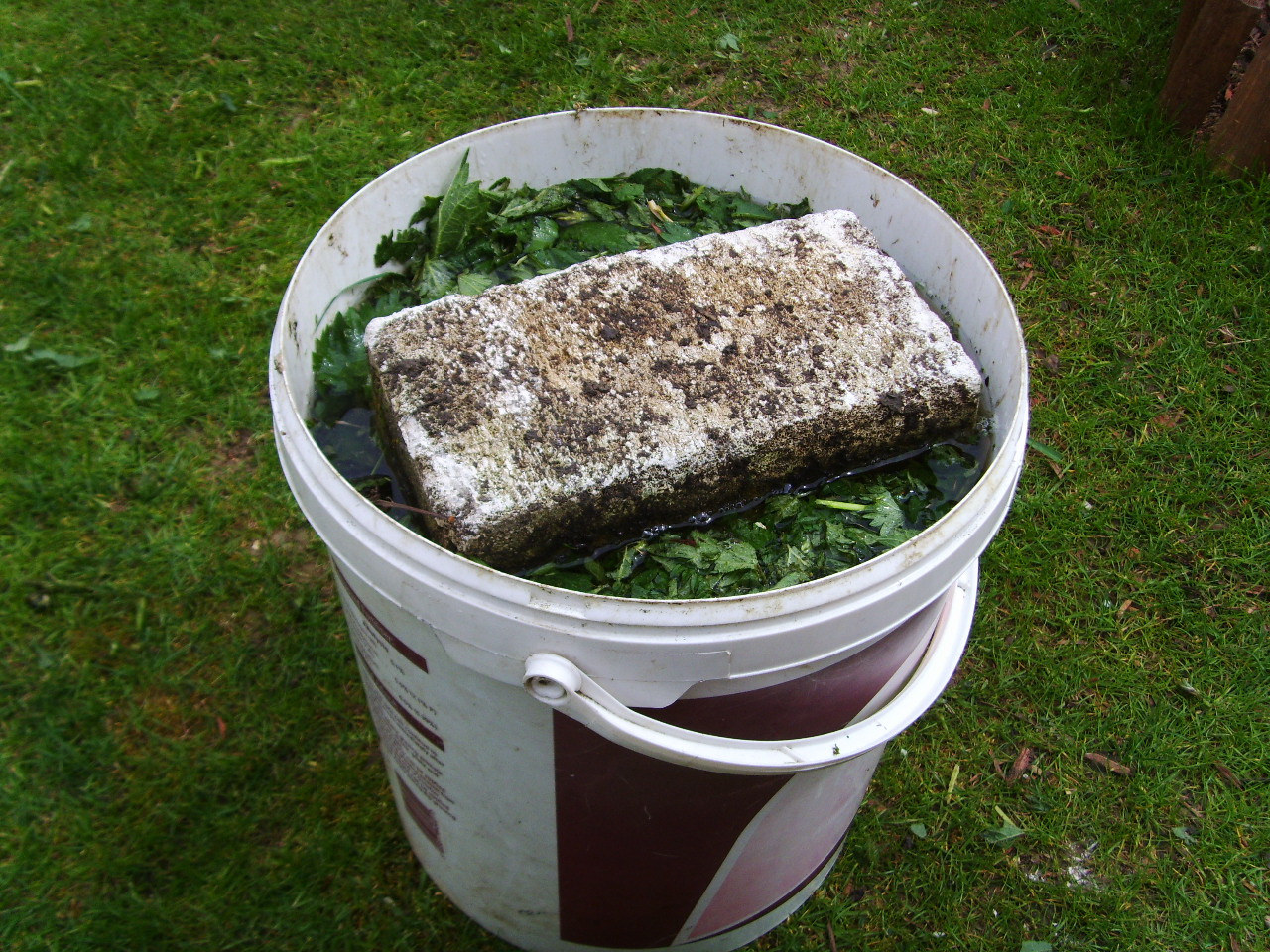
Green manure (herbal infusions) is a common and effective feeding method. Preparing these solutions is easy. The key is the herbs used as the raw material. Nettle can be used. Chop it and place it in a container of water. Then let the mixture ferment, stirring it daily.
If an unpleasant odor develops, simply add a few drops of valerian to neutralize it. If the solution has cleared after 14 days of fermentation, it is ready for use. It's worth noting that before use, this solution should be diluted with a bucket of water (1:10 ratio). Fertilize the tomatoes with this mixture at the roots.
You can also feed plants with mullein, making an infusion of half a liter of fertilizer per bucket of water. This solution is rich in nitrogen and phosphorus. Water each plant at the roots with the prepared mixture.
Foliar feeding
Mineral fertilizers are used at various stages. Most commonly, they contain potassium, phosphorus, and nitrogen.
Phosphorus fertilizers consist of phosphate and superphosphate with the addition of other elements: calcium, sulfur, nitrogen.
Potassium fertilizers are used during fruit ripening to improve their flavor. The ash in this group is readily soluble in water and readily absorbed into the soil. Pine and birch ash are the most effective (they contain 40% of the mineral).
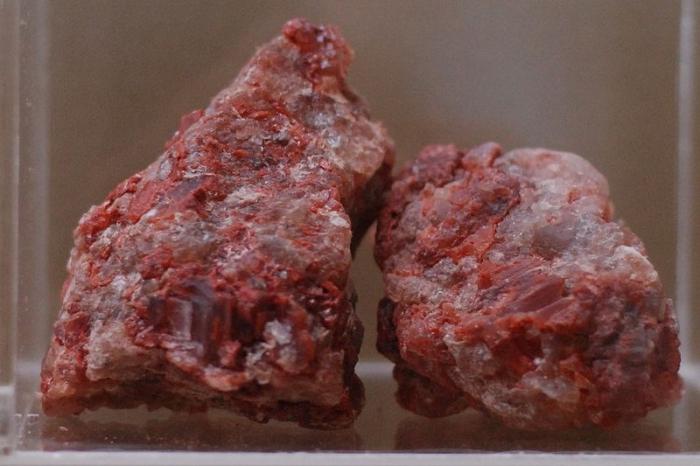
Nitrogen feeding tomato crops must be done with extreme caution, as excessive amounts can make the open soil toxic. This can cause the crop to grow too quickly, causing the fruit to crack, change shape, and taste.
If you feed plants with nitrogen in measured doses, the mineral will have a positive effect on the crop, promoting its normal growth and development. Fertilizers of this type include urea, calcium nitrate, and potassium nitrate.
Fertilizing tomatoes with urea should be done moderately (usually half a liter per bush).
To improve the effect of fertilizing, it is worth using complex fertilizing (a combination of mineral and organic fertilizers).
Complex fertilizer for tomatoes
This complex solution contains a large number of beneficial nutrients and minerals that have a positive effect on tomatoes. One option for preparing this fertilizer includes nettles and dandelions.
There's no need to adhere to specific ratios. Simply fill a third of a barrel (200 liters) with the fertilizer and add the manure to the mixture. Then, fill it with water, cover with plastic wrap, and let it sit for 10 days. Then, remove the top of the solution and pour in "Humate +7." After all these steps, dilute the mixture at a ratio of one liter to ten. Use 3.5 liters of the finished fertilizer per plant.
ˆ
Gardeners often use iodine as a fertilizer, which accelerates fruit formation, enlarges them, and disinfects open soil. The solution is prepared using four drops of iodine per bucket of water. Two liters of the solution should be poured onto each plant. Milk or whey can also be used with iodine. One liter of the prepared mixture is sufficient for each plant.
Video: "First Fertilizing of Tomatoes After Planting"
The video's author explains how and under what conditions to feed tomatoes after planting them in the ground.
Guide to Proper Fertilization
Tomatoes are a finicky vegetable, so they need to be fed properly. Any mistake can reduce the quantity or quality of the harvest. Therefore, preparing the solution requires special attention.
Firstly, when fertilizing seedlings or mature plants, avoid allowing the fertilizer to come into contact with the leaves, flowers, or fruits of the vegetable. It should only be applied to the open soil around the plant.
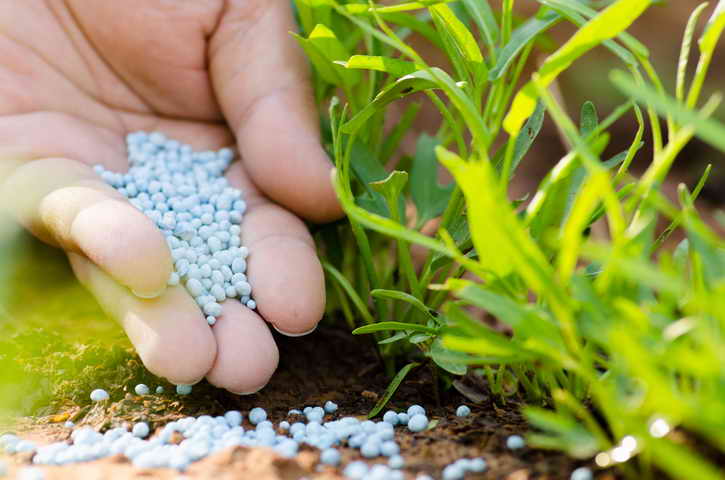
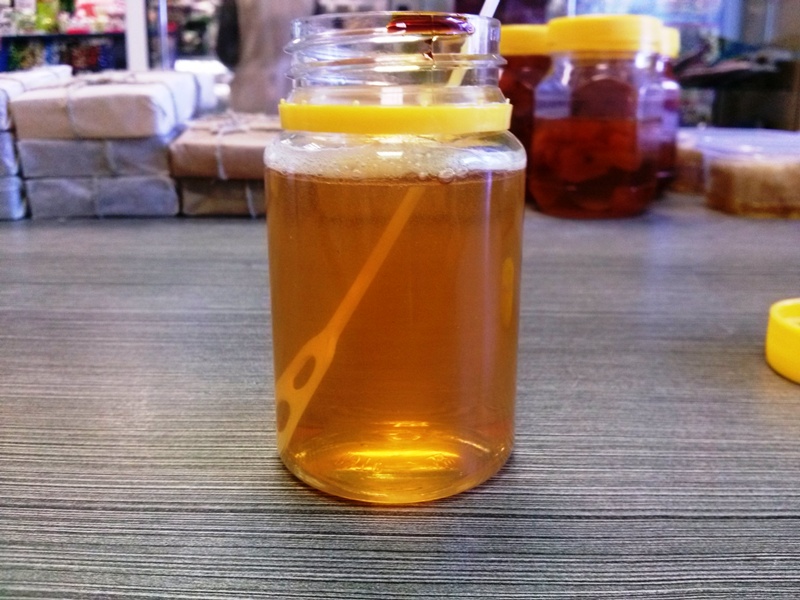
The crop must be fed in the correct proportions. Any excess can lead to spoilage of the fruit.
After planting seedlings, alternate fertilizing with watering. Minerals should be applied only after watering the vegetables.
The process of "feeding" plants is multifaceted and is used at various stages of vegetable development: after planting, flowering, and fruit set. By following all the rules, you can get excellent vegetables in a short time.
Video: "Fertilizing Tomatoes During Flowering"
The video explains how and what to feed tomatoes with during their flowering period.