
How to feed tomatoes for a rich harvest
Content
Feeding seedlings
Growing tomato seedlings is probably one of the most important stages in the development of a fruit-bearing plant. How the seedlings root in the boxes determines how well the plant will thrive in your garden, as well as the shape and size of its fruit.
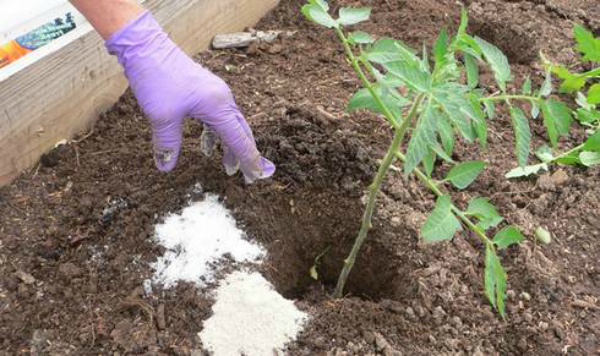
Caring for seedlings begins with soil preparation. Typically, soil from nettle plantings is used. Humus, peat, river sand, and potassium and phosphorus fertilizers are added. A cocktail of mineral and organic components is the best solution for feeding not only seedlings, but also tomatoes transplanted into open ground.
Yeast fertilizer for tomatoes has proven effective. This growth fertilizer can be easily prepared at home. You'll need just 10 grams of dry yeast per 10 liters of water to obtain a rich fertilizer for tomatoes, as the yeast solution is diluted 1:10. The main purpose of this solution is to stimulate vegetative processes in seedlings, helping them grow with a well-developed root system, strong stems, and succulent leaves that will protect the fruit from the scorching sun.
Tomato fertilizer can be made from wood ash. Apply the ash extract twice during the growing season to avoid overfeeding the plants.
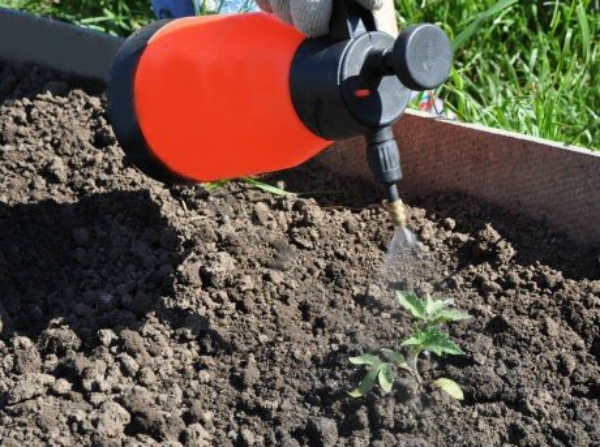
The main application of fertilizers is carried out through watering, since this is how tomatoes best absorb the necessary substances.
Scheme
Before transplanting seedlings into the beds, ensure there's sufficient space between plants. Overcrowding will deprive some plants of sunlight, adequate soil moisture, and nutrients. Leave at least 40 centimeters of space between planting holes (for example, to install netting), and 50 centimeters between rows. Gardeners often forget this, resulting in cramped spaces that make watering, fertilizing, and tying difficult.
Before transplanting seedlings, add compost to the soil to create a basic "cushion" for plant growth. Potassium and nitrogen fertilizers can be added to encourage the tomatoes to actively grow foliage. A homemade yeast solution can be used for the first watering of transplanted plants. Boron (boric acid) and nettle solutions have proven effective—they make watering richer and more nutritious for tomatoes.
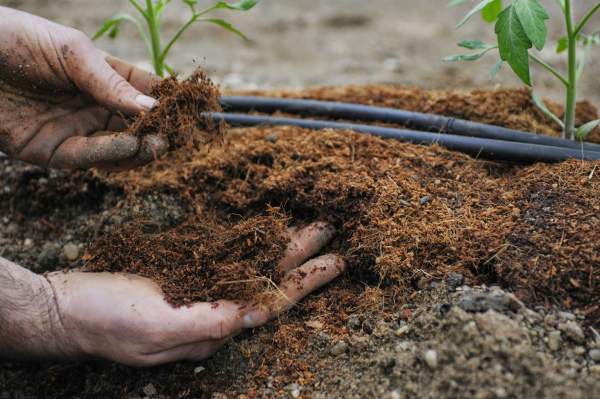
Fertilizer should be applied in cool weather, preferably in the evening, to prevent the plants from becoming a torment. Avoid getting fertilizer on the fruit, as this can burn the delicate skin and ruin the fruit.
Selection and types of fertilizers
The most important question in this article is what to feed tomatoes with. The variety of fertilizers can be overwhelming even for seasoned gardeners, let alone beginners! Let's look at the most popular options you can use in your garden.
Fertilizing tomatoes is conventionally divided into several large groups.
Organic:
- peat;
- manure;
- compost.
Minerals:
- nitrogen (liquid ammonia, ammonium chloride);
- phosphorus (superphosphates);
- potassium.
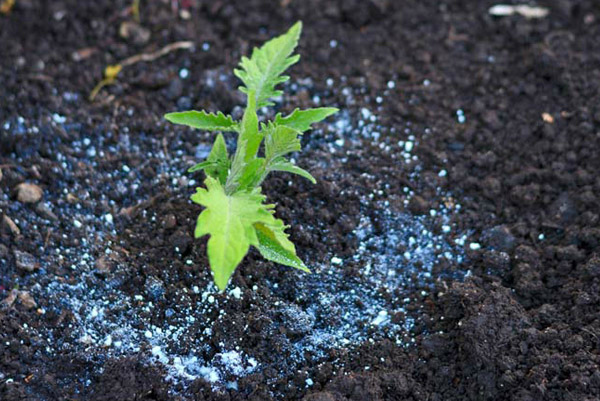
Among mineral fertilizers, urea is worth noting. Urea, or carbamide, is suitable for both root and foliar feeding. Planting holes can be fertilized with a mixture of 25 grams of urea and 80 grams of limestone per square meter of garden space. Watering with pure urea is also possible: dissolve 100 grams of urea in 10 liters of water. Remember that this fertilizer promotes active greening of tomato bushes, so use it during the first half of the tomato plant's life cycle to avoid damaging the fruit.
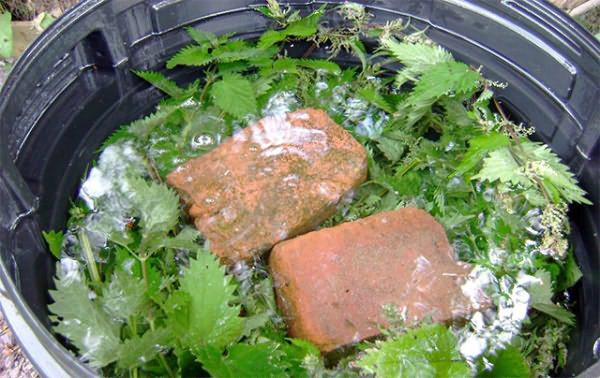
The most popular organic fertilizers include mullein and nettle infusion. Feeding tomatoes with mullein will add a wealth of beneficial micro- and macronutrients to the soil, helping them thrive. Nettle leaves and stems contain potassium, calcium, and magnesium—all the elements necessary for healthy tomato growth.
If you don't like making your own fertilizer, consider Mag-Bor, a water-soluble fertilizer. Its active ingredients include boron and magnesium, which help tomatoes develop strong stems and juicy fruit during fruiting. Mag-Bor also boosts plant immunity to most diseases and promotes pollen production, which increases the yield per plant. Mag-Bor is most effective in nitrogen-rich soils. Boron and magnesium help combat yellowing leaves and the absence or dropping of ovaries.
Foliar feeding
Caring for and fertilizing tomatoes takes place in several stages throughout the season: the first is when planting seedlings in open ground, and subsequent stages are carried out as foliar treatments.
Tomato plants require especially careful monitoring after ovary formation, just before the fruit develops. Since the fruit is vulnerable to temperature fluctuations, nutrient deficiencies or excesses in the soil, and the effects of insects and diseases, fertilizing should be done with caution.
A nettle infusion can be used as a safe fertilizer. Mix nettle stems and leaves with bread crusts and yeast (the ingredients should make up ¾ of the volume), then add water. Stir the mixture daily. The nettle infusion ferments for 4 days. You can feed your tomato beds with this fermented nettle and bread mixture by watering or mulching.
An iodine solution is often used to support the fruit during ripening. Its antiseptic properties have a beneficial effect on the soil composition and the overall health of the plant during growth. Mix 6 drops of iodine in 10 liters of water, and the solution is ready. Water with this mixture no more than once a week. Iodine will help care for tomatoes, preventing powdery mildew and rot.
Bird droppings in a solution are suitable for feeding tomatoes during flowering. Mix 1 kilogram of droppings in 10 liters of water, let it sit for 4 days, and then begin watering your tomatoes.
Boron and sugar will help speed up the pollination period of tomatoes. Mix a liter of boiling water, 100 grams of sugar, and 2 grams of boric acid. As soon as the liquid cools, begin watering. Boron strengthens the plant, and it essentially requires no other care.
Foliar feeding with Mag-Bor: dissolve 20 grams of fertilizer in 10 liters of water. Water with this mixture no more than once a week. You can also spray the Mag-Bor solution onto the tomato leaves using a spray bottle.
The next option is a mullein solution. You'll need 1 tablespoon of potassium sulfate, 0.5 liters of mullein infusion, and 10 liters of water. Mix the mixture thoroughly before use. The optimal amount of mullein solution for garden beds is 1 liter of solution per plant no more than twice a month. Nettle stems can be added to the mullein solution to enhance its effectiveness.
Remember that care shouldn't turn into abuse. An excess of nutrients in the soil is just as harmful to tomatoes as a deficiency.
If you're unsure about the soil composition or the quality of mineral fertilizers, use safer options: nettle infusion, boron, or yeast. This care will help you grow beautiful fruit with excellent flavor.
Video: "How to Fertilize Tomatoes Without Chemicals"
This video will explain how to get a great tomato harvest without using mineral fertilizers. It will cover the secrets of using compost to feed plants.