
How and with what to spray tomatoes to promote fruit set
Content
Reasons for the absence of ovaries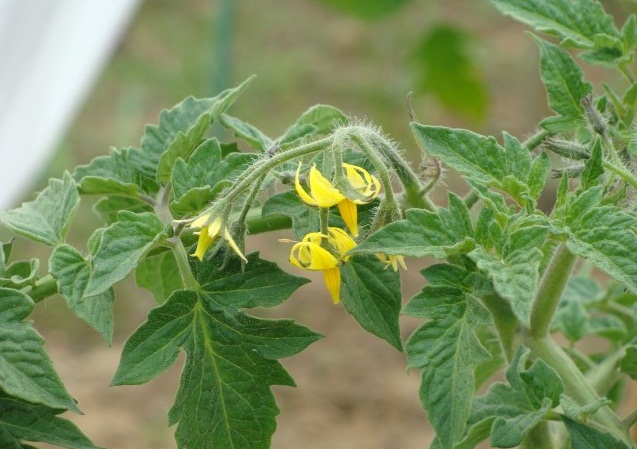
Tomato blossoms may fall off for several reasons:
- Temperature conditions. Plants may shed their flowers if the greenhouse temperature is too high or too low. Tomatoes pollinate only under comfortable conditions: nighttime temperatures between 13 and 21 degrees Celsius (55-70 degrees Fahrenheit) and daytime temperatures below 28 degrees Celsius (82 degrees Fahrenheit). Just a few hours of exposure to 40-degree heat is enough to guarantee flower shedding. A seemingly insignificant increase in nighttime temperatures, even by 2-3 degrees Celsius (2-3 degrees Fahrenheit), can be equally detrimental to the tomato crop. Plants, like humans, require a kind of nighttime rest, which is impossible at high temperatures.
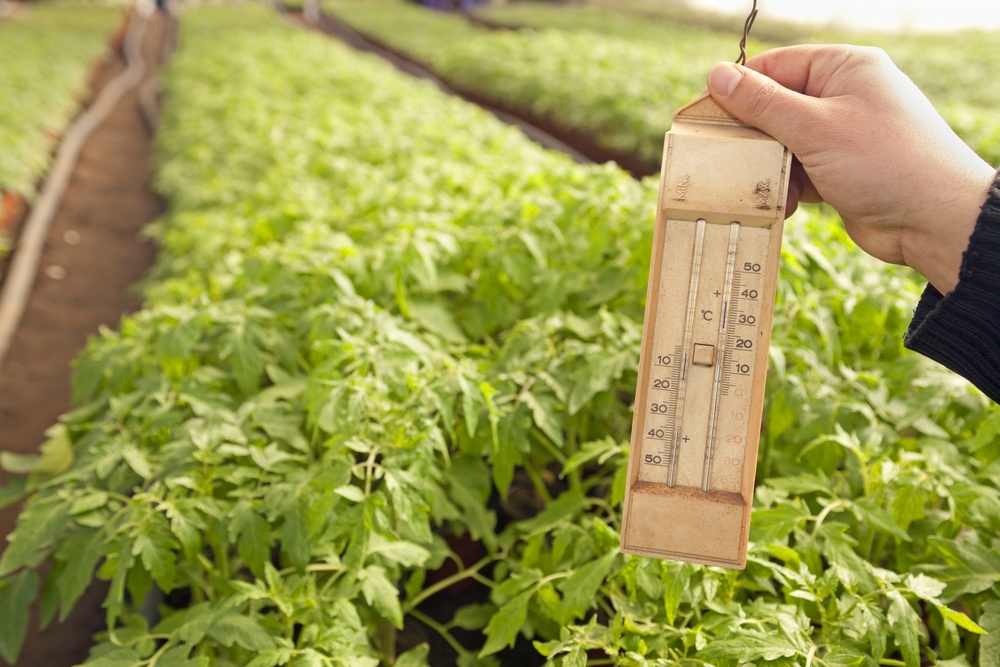
- Humidity is another common cause of tomato failure in greenhouses. Controlling this parameter is somewhat more difficult, but not impossible. As a reminder, the optimal humidity level for effective pollination is no less than 40% but no more than 70%. Simple measures to increase humidity include misting the greenhouse plants daily in the morning. Lowering humidity requires mulching or spot watering by burying cut-bottomed bottles near the plants.
- Nitrogen deficiency or excess. It's no secret that all tomatoes, regardless of variety, thrive on nitrogen. However, it's crucial not to overdo it with fertilization. If a tomato is overfed, it will inevitably become overfed, producing fleshy foliage and a strong stem, but is unlikely to produce abundant blooms. Trying to avoid this situation, many gardeners do the exact opposite: intentionally underfeed their plants with nitrogen fertilizer. In this case, the results are disappointing: underfed tomatoes will barely form the first bunch, but the second and third bunches will be devoid of fruit. This annoying problem is easy to fix: to ensure healthy tomato growth, fertilize the plants regularly, but don't exceed the recommended dose.
Other reasons for poor tomato pollination may include insufficient moisture or light, pest or disease damage, windy weather, and overloading with fruit.
Video: "Increasing Tomato Fruit Sets"
In this video, experienced farmers explain all the intricacies of increasing tomato ovaries.
Methods for increasing the number of ovaries
When tomatoes stubbornly refuse to form loose fruit even in a greenhouse, gardeners often resort to boron-containing products and plant hormones. Boron is an essential element for tomatoes: it improves metabolism, normalizes nitrogen synthesis, and increases chlorophyll content in plant leaves. It can also be helpful for improving fruit set: try spraying tomatoes with a boric acid solution.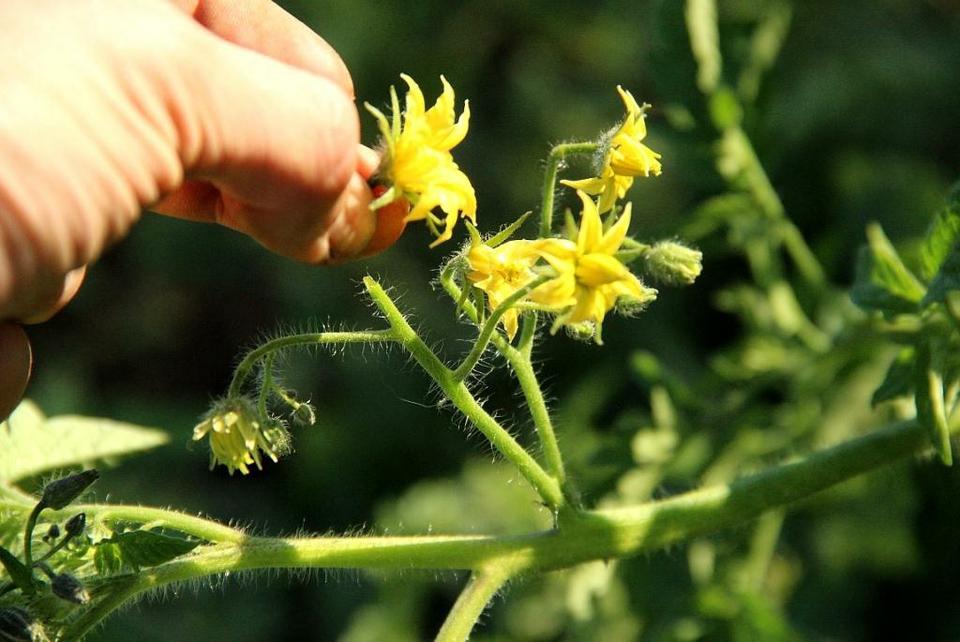
To aid pollination of greenhouse-grown tomatoes, you can shake the plants in the morning. This simple gesture will help the pollen reach the flower pistils, speeding up the process. For maximum effect, shake the plants only in the morning, as the afternoon temperatures in the greenhouse make the pollen incapable of fertilization.
Another indispensable tool that can be used to treat tomatoes to improve fruit set is ordinary ash: simply sprinkle it on the soil around the bushes or add it to the water for irrigation.
What to spray with
The very first, widely known recipe is a boric acid solution: it helps fruit set, stimulates new growth points and increases the sugar content of the fruit.
Experience shows that spraying greenhouse plants with boric acid can increase yields by 20% or more. The recipe for this miracle cure is simple: dilute 10 grams of boric acid powder in 10 liters of water.
Folk remedies are also worth considering: to promote normal seedling development and effectively combat late blight, tomatoes are treated with a garlic infusion: a large amount of crushed garlic is infused in water for 2 hours.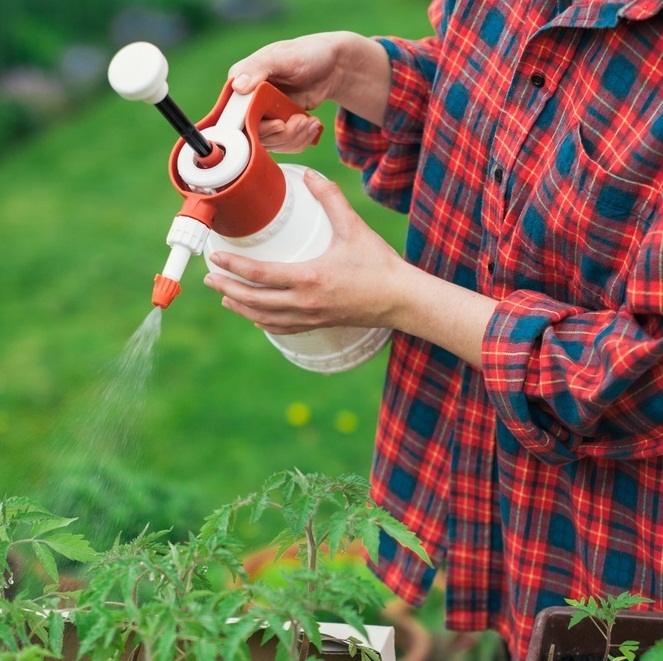
Another trick is spraying the plants with a weak sugar solution: the sweet water will attract insects, which will then carry out pollination. If your tomatoes are growing in a greenhouse, try removing the protection during the flowering period: free access to the wind will increase pollination efficiency. Finally, it's worth mentioning special products designed to improve fruit set, such as Ovary or Bud.
Processing technology
To get a good harvest, tomatoes don't necessarily need to be grown in a greenhouse—open ground conditions are just as suitable for this favorite vegetable.
However, there are a few tricks that will help increase the yield of your garden bed, regardless of the conditions:
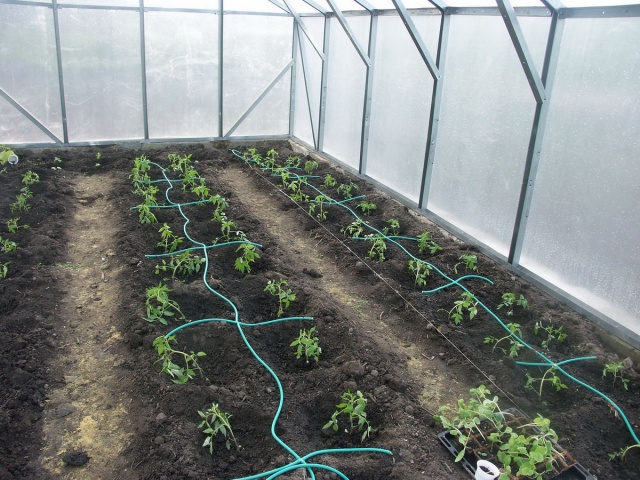
- When growing crops in a greenhouse, arrange the plants in an east-west orientation. This orientation allows the sun to evenly illuminate all the tomato plants, ensuring they receive adequate morning warmth but are not overshadowed by neighboring plants in the afternoon. This significantly increases daylight hours and increases yields.
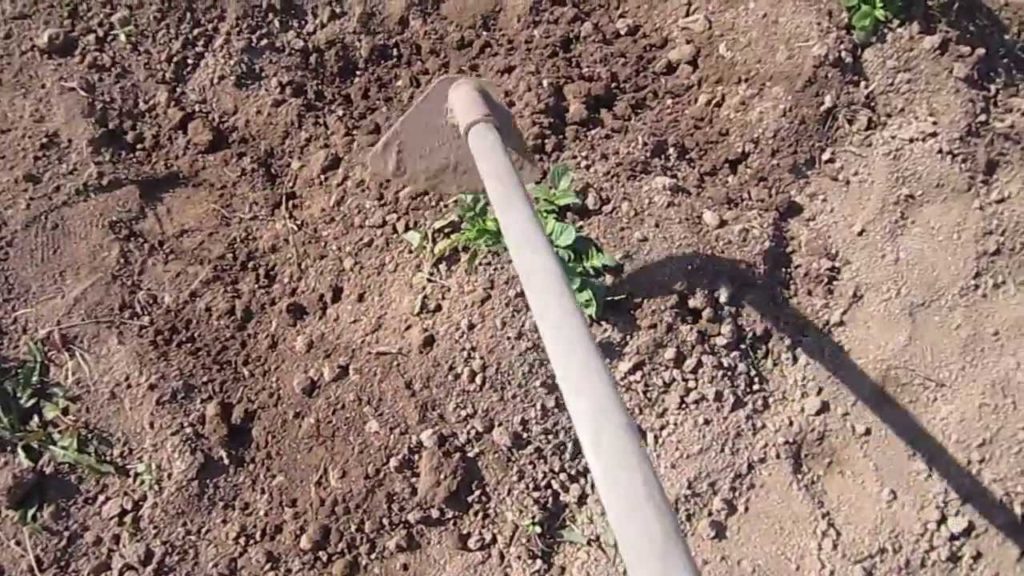
- Timely hilling will strengthen the root system: the first time this should be done when barely noticeable bulges appear on the tomato stems, the second time - immediately after the stem at the very ground changes its color from green to brown-blue;
- Mulching: This complex term refers to the practice of covering the soil with a protective layer: straw, compost, sawdust, etc. This simple treatment allows for several benefits at once: the mulch layer prevents weeds from growing, prevents a soil crust from forming, and prevents plant roots from being exposed during watering;
- Experience shows that tomato seedlings love to grow on last year's tops! To increase the yield of future beds, try chopping up healthy tomato tops and incorporating them into the soil—there's no better place for new seedlings next year.
- Traditional side-sonning: removing excess shoots is equally beneficial for both greenhouse and open-field plants. This procedure prevents the tomato plant from wasting its energy on developing excess foliage, and allows it to focus solely on fulfilling its intended purpose—targeting a harvest!
Video: "Why Tomatoes Don't Form Fruit"
This video explains the problem of tomato ovary drop.