
How to Spray Tomatoes: Proven Methods
Content
How to protect at different times of the year
Tomatoes are particularly vulnerable among their relatives, not to mention other vegetable crops. Their protection requires a systematic approach.  All necessary activities can be included in the following schedule:
- In August and September, it's necessary to clear the planned plots of land of perennial weeds, which reduce disease resistance and tomato yield by 10-15%. Dicotyledonous and grassy perennials can be controlled using the herbicide "Uragan Forte 500SL."
- Digging the soil to a depth of 25 cm in October-November will improve soil freezing, which, in turn, will destroy some of the spores and larvae that have settled in for the winter.
- Treating tomato seeds with potassium permanganate is a reliable method against fungi living on them.
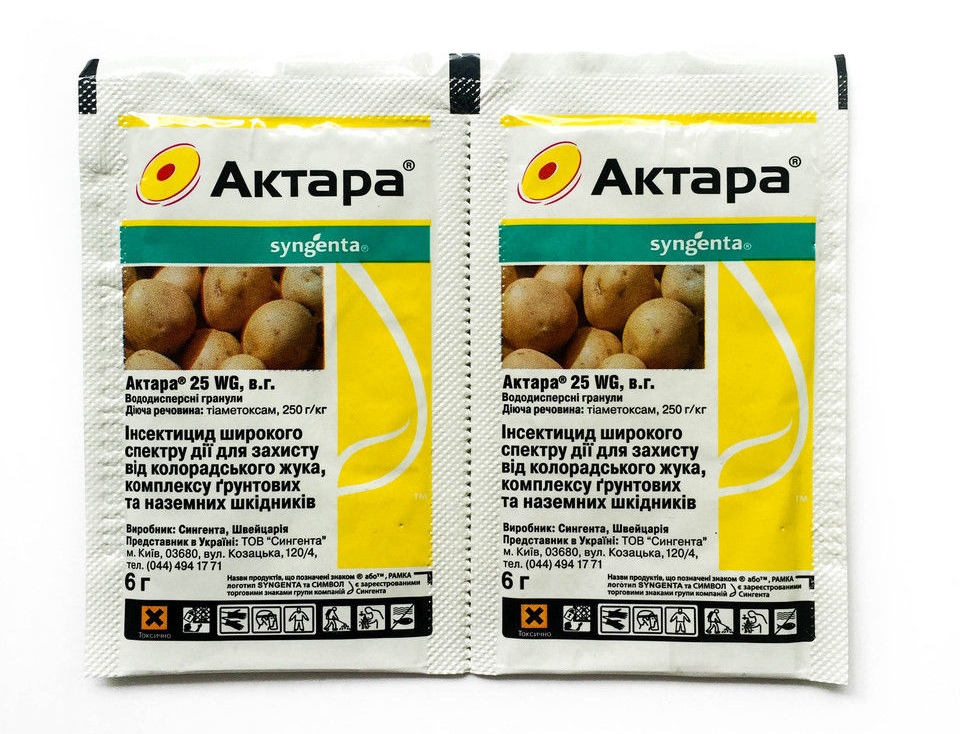
- Before planting tomatoes in open ground, the roots are soaked for 2 hours in a solution of the insecticide "Aktara" to protect them from pests - cockchafer larvae, wireworms, and aphids.
- Treating tomatoes with fungicides (Ridomil Gold, Quadris) throughout the growing season will protect against numerous fungal diseases. Tank mixes containing micronutrients and Karate Zeon 050, in addition to the above-mentioned products, will protect the fruit from cutworm infestation. Stop spraying tomatoes two weeks before ripening.
Video "Diseases and Pests"
From the video you will learn about tomato diseases and pests.
Common bacterial diseases
If dark spots appear on the leaves, before spraying your tomatoes with whatever comes to hand, you need to diagnose the problem. Let's look at the most common diseases.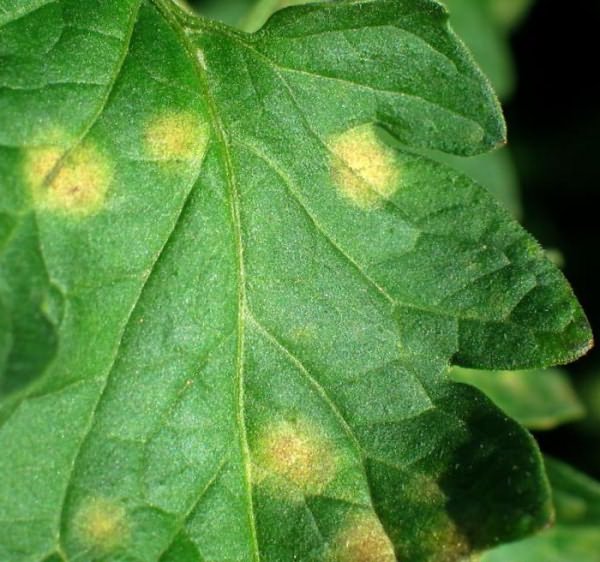
Mosaic is a viral disease that causes a marbled coloration to appear on the leaves, which then wrinkle and become deformed. Fruits become smaller and ripen unevenly. Disease sources include infected seeds, diseased plant debris, and soil. Aphids, thrips, and leafhoppers act as vectors. The disease is incurable, so infected plants must be removed.
Bacterial wilt (bacteriosis) manifests itself as wilting of the plant when there is sufficient moisture. The disease spreads rapidly, sometimes with symptoms appearing overnight. Soil-dwelling bacteria first penetrate the roots, gradually moving up the stem and blocking the vascular system. Fruits become smaller and fall off. Diseased plants cannot be cured. The spread can be slowed with the microbacterial treatment Fitoflavin 100.
Alternaria leaf spot, or dry spot, begins on the leaves as concentric zonal spots, then similar spots develop on the stem. On fruit, sunken, round spots appear towards the end of summer, located near the stem or where the fruit has cracked. In high humidity, a black, velvety coating appears on the surface of these lesions. Favorable conditions include daytime temperatures of -25-30°C (-25-30°F), light precipitation, or dew with significant daily temperature fluctuations. This disease is fungal in origin, so preventative treatment with fungicides can help.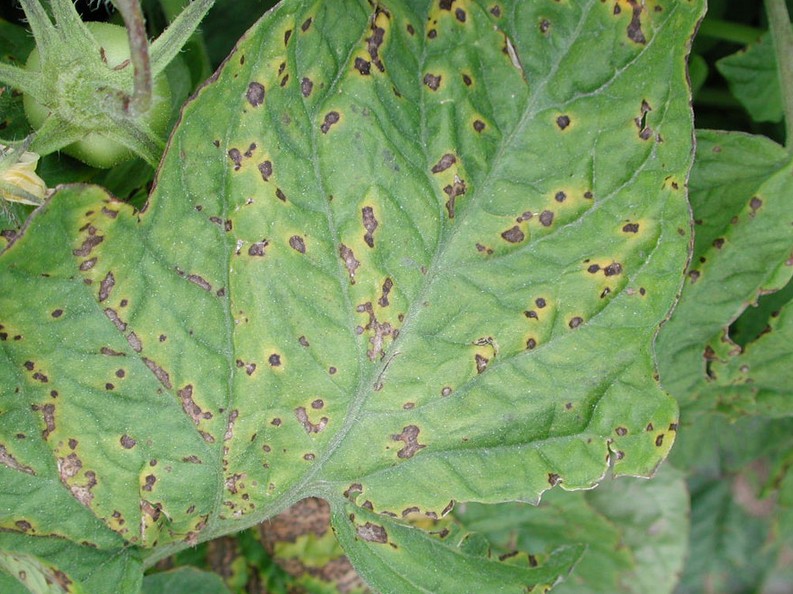
Blackleg is a disease of tomato seedlings caused by overwatering, insufficient ventilation, and dense plantings. The fungus attacks the blood vessels near the roots of the trunk. Even if the seedling survives, it will not produce a full harvest. To prevent blackleg, treat the soil with antifungal agents, loosen the soil, and water sparingly.
Late blight is the most common disease, capable of destroying up to 70% of a crop. Spores of this fungus are found everywhere—in the soil, on seeds, plant debris, and garden tools. Small spots on the undersides of leaves spread to the stems. The leaves dry up and fall off. Gradually, the fruits become covered with black spots. Late blight thrives in lime-rich soil, high humidity, and weakened plants. Therefore, before treating tomatoes with fungicides, you can ensure timely fertilization with phosphorus and potassium fertilizers and familiarize yourself with various folk remedies for controlling it.
Non-communicable diseases
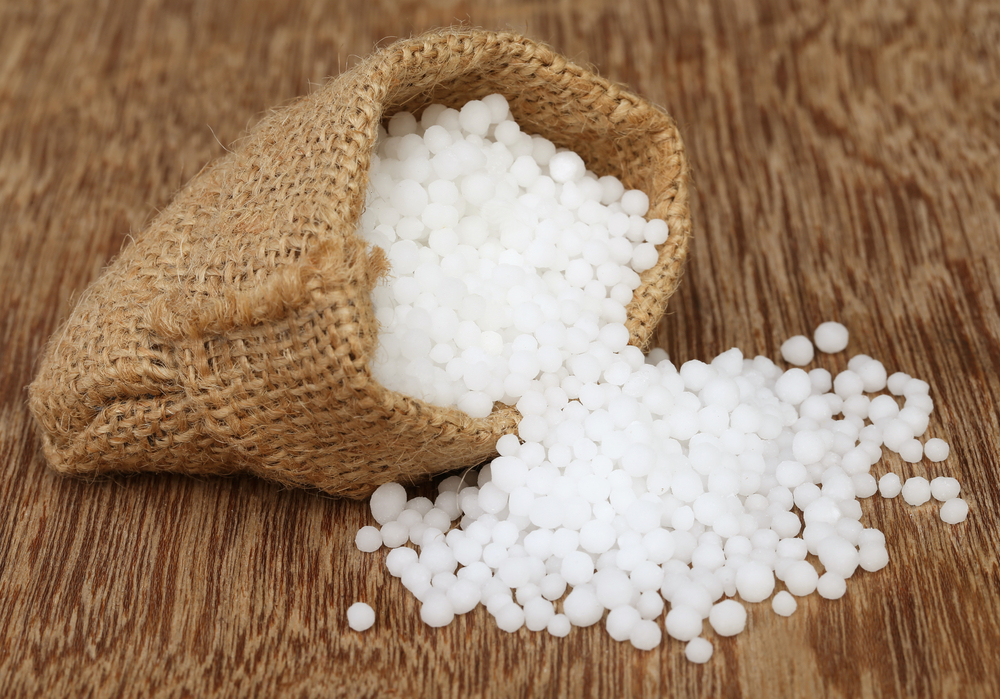
Blossom-end rot affects only tomato fruits. It's not a disease in the true sense of the word, as this physiological disorder is caused by insufficient calcium supply to the fruit during the initial stages of its development. While the soil may have sufficient calcium, the plants simply stop absorbing it in hot weather. In this case, the greenhouse can be ventilated more frequently. Other causes of blossom-end rot include insufficient watering and excess nitrogen. 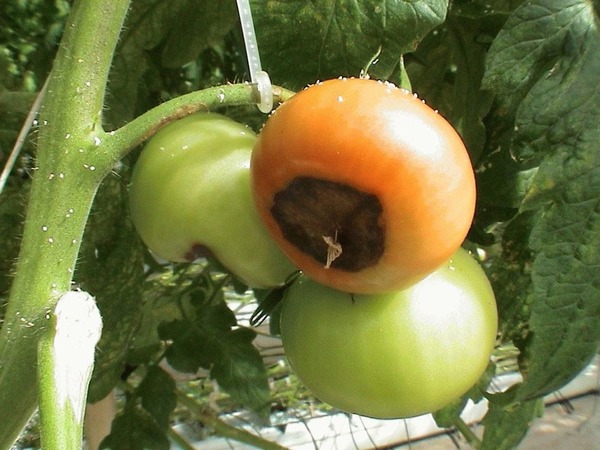 The plants may be overfed with liquid manure. Fertilizing the soil with calcium-containing preparations, eggshells, and ash is only a preventative measure. It's best to do this when planting seedlings. To speed up absorption, you can spray the plants with a 1% calcium nitrate solution, paying particular attention to the smallest fruits. Damaged tomatoes should be removed; they cannot be saved anyway.
Fruit cracking most often occurs due to irregular watering. The skin of fruits formed under water stress cannot withstand the rapid flow of moisture into the cells and bursts. Fungi colonize the cracked areas.
Hollow or transverse cracks in fruit are caused by poor pollination of flowers. Fertilizing with potassium sulfate can help.
You can tell from the appearance of the plant what elements it lacks:
- Nitrogen deficiency results in stunted growth of stems and leaves, which turn yellow;
- Potassium deficiency turns the lower leaves grayish and the upper leaves yellowish-brown, while the stems become thinner and woody;
- Phosphorus deficiency inhibits the formation of reproductive organs and gives leaves a purple or reddish tint;
- Boron deficiency is characterized by the death of the growth point, and newly formed leaves are light, brittle, and malformed.
Folk remedies for the fight
Before treating tomatoes with effective chemicals, let's get acquainted with effective folk remedies.
For the most common and dangerous fungal infections, you can use:
- Garlic sprays. Recipe: Pour 1.5 cups of crushed garlic scapes and heads into 10 liters of water and let sit for 24 hours, then strain and add 2 g of potassium permanganate. Apply the first spray to tomatoes when the ovaries are forming, then apply every 2 weeks.
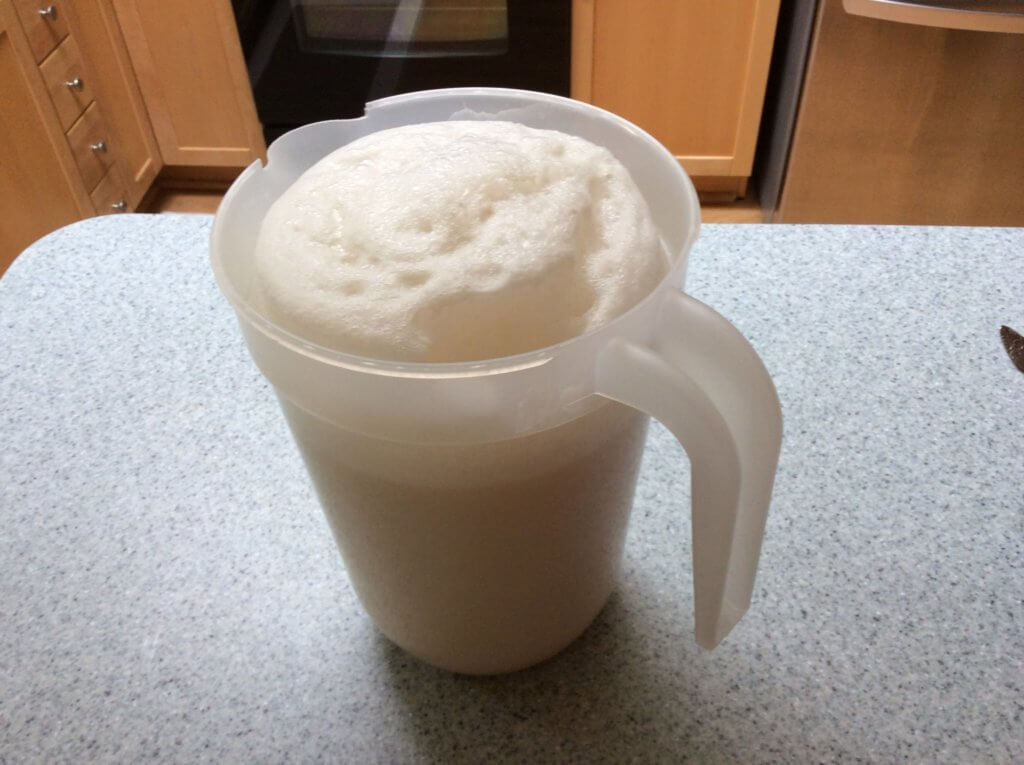
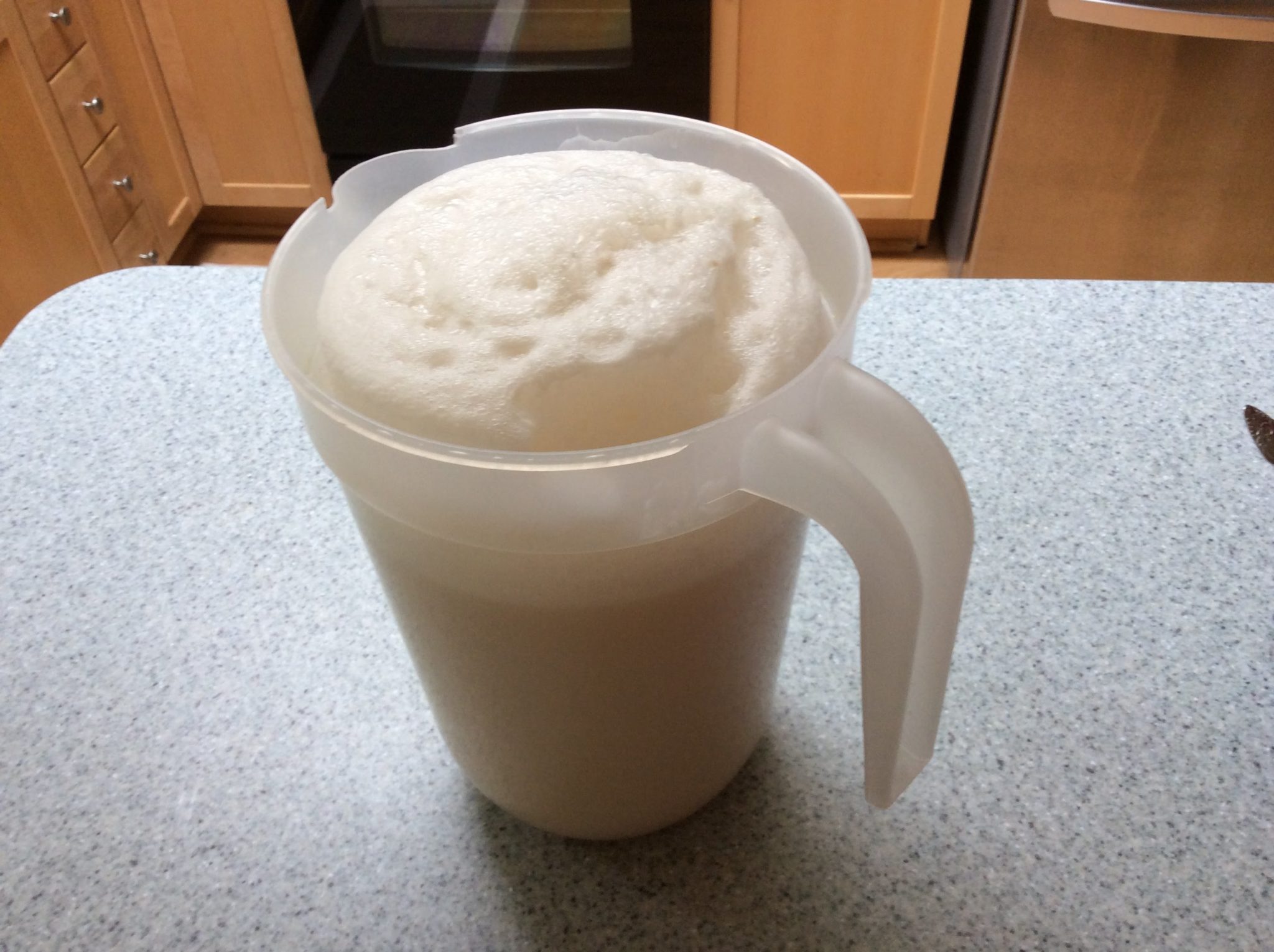
- Due to its environmentally friendly nature, milk whey can be sprayed at least every day, with a maximum interval of 10 days;
- baker's yeast - 100 g is diluted in 10 liters of water and tomatoes are sprayed at the first signs of disease;
- Large but still green fruits are treated with a solution of table salt (1 glass per bucket of water);
- Skim milk (1 liter) with 15 drops of iodine dissolved in 10 liters of water will not only kill pathogenic microbes but also accelerate the ripening of tomatoes. Apply once every 15 days;
- The tinder fungus, crushed and steamed in boiling water (100 g per 1 l), can prevent the appearance of late blight with regular spraying every 2 weeks.
Home medicine cabinet remedies
To combat late blight, the worst enemy of tomatoes, you can use medications that are easily found in any home. Here are a few spray recipes:
- a tablespoon of hydrogen peroxide and 40 drops of iodine per 10 liters of water;
- metronidazole or Trichopolum in the amount of 20 tablets are dissolved in 10 liters of water (the action of medicinal drugs directed against parasitic protozoa in humans is also effective for plants);
- brilliant green - 45 drops per bucket of water.
Preventive measures
All of the folk remedies mentioned above are effective as preventative measures. If the disease has affected the fruit, unfortunately, even fungicides won't help. What else can you do to prevent diseases from affecting your plants?
Warming the seeds at 46-50 degrees Celsius for 2 hours is safe for the seedlings, and fungal spores die in these conditions after exactly 2 hours.
Removing lower leaves and weeds promotes air flow and faster soil drying, and high humidity is known to be one of the conditions for the development of late blight.
Early maturing varieties will yield their harvest before the onset of a period favorable for diseases.
Fitosporin is a product that can be used to treat the soil around tomatoes, with benefits for everyone except harmful fungi and bacteria.
Watering should be done strictly at the roots, so that water does not fall on the leaves.
Use crop rotation, planting tomatoes after onions, carrots, beets, and cauliflower, while avoiding close proximity to potatoes.
Keep an eye on the weather forecast. If precipitation is expected with a drop in nighttime temperatures, treat your tomatoes with an antifungal agent.
Only by preventing diseases can the harvest be preserved.
Milk Spray Video
This video will show you how to properly spray tomatoes with milk.