
Using boric acid for tomatoes
Content
Benefit
Boric acid can be considered a universal micronutrient fertilizer for tomatoes, as its use has a wide-ranging effect on plant development:
- Adding the product to the soil and spraying it on greens saturates tomatoes with boron, which helps improve fruit quality and yield.
- Spraying the tops prevents the development of late blight, which often attacks fruits grown in garden beds and greenhouses. For more reliable protection, it is recommended to spray the tomato plants again with an iodine solution after a week.
- The substance improves the transport of sugar along the stems, making tomatoes sweeter and tastier.
- Boron increases the ability of plants to absorb and synthesize nutrients from the soil.
- Spraying tomatoes with a boron-containing solution during flowering accelerates fruit set and fruit production. If applied correctly and in the right dose, the first tomatoes can be harvested as early as late June.
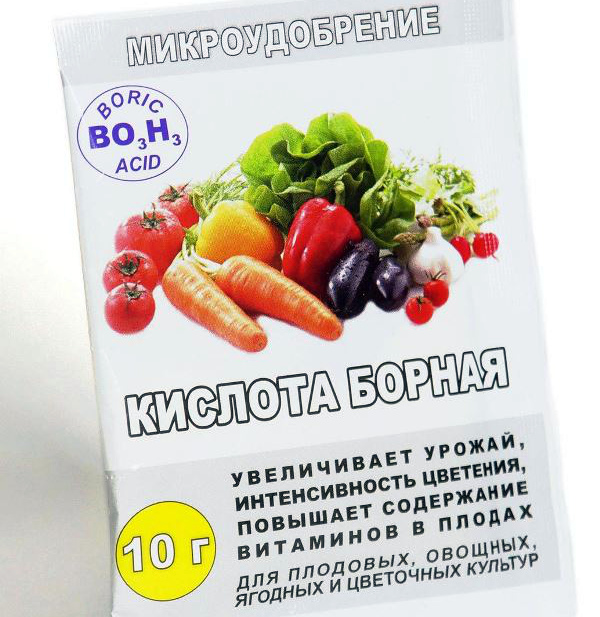
Tomato fertilization through irrigation and foliar application should be combined. This approach allows for higher-quality tomatoes and increases yields by 20–50%.
When to spray
Scheduled fertilizing of tomatoes planted in a garden bed is carried out several times during the season:
- It is recommended to feed the crop for the first time before flowering, when the buds have just begun to form - spraying tomatoes at this time increases the number of buds and accelerates their growth.
- The next feeding is carried out when the bushes are in full bloom – spraying during this period promotes the formation of ovaries and prevents the flower stalks from falling off.
- The last time tomatoes need to be fed is when they begin to bear fruit. During this period, adding boric acid improves the appearance and taste of tomatoes (they become sweet and not watery), accelerates ripening, and prevents rotting.
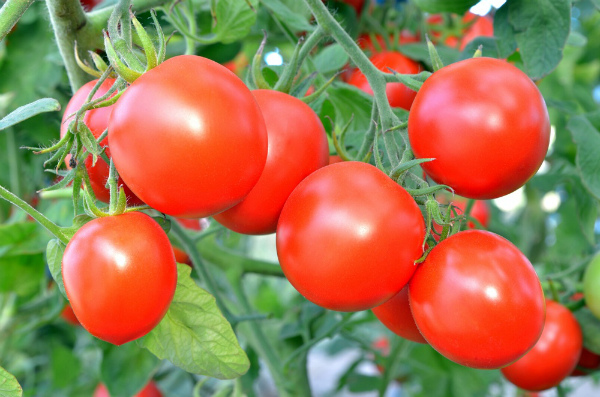
Fertilizing doesn't necessarily have to be done according to a schedule—there are times when it's necessary to fertilize tomatoes due to a deficiency of certain micronutrients. This can occur if tomatoes are planted in poor, sandy, or loamy soil, where the content of available boron compounds is very low.
It's worth noting that tomatoes grow best in fertile soils, such as black soil and chestnut soils, which naturally contain large amounts of soluble and easily absorbed boron. Unfortunately, the soil in most gardens is not particularly fertile and contains too much sand or clay, necessitating additional fertilization with boric acid to ensure even the slightest chance of growing nightshade crops.
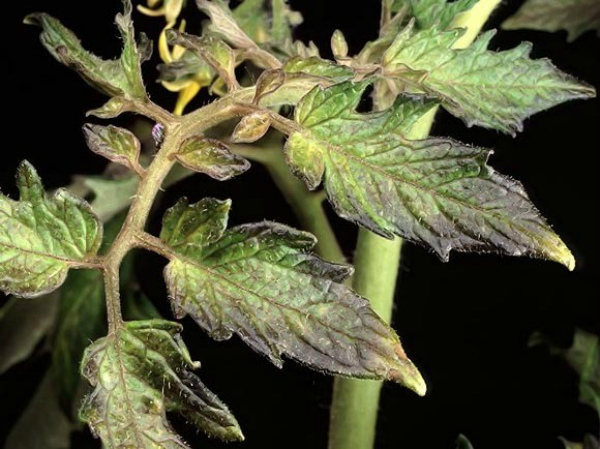
As for boron deficiency in garden crops, any vegetable grower can easily identify it by the appearance of the plants. A visual inspection of the plants reveals the following signs:
- the leaves curl up - in this case, it is necessary to treat the stems with a solution of boric acid, and spray the leaves themselves;
- the leaves turn yellow, starting from the base of the bush, while the top remains green - if the tomatoes are not sprayed at this stage, the entire bush will lose color, and the leaves will fall off, which will lead to the death of the bush;
- the veins of the leaves dry out and turn yellow or black, and the leaves themselves become brittle - this sign also indicates the need for an unscheduled spraying of tomatoes with boric acid;
- If light or brown spots have appeared on the leaves, the bushes also need to be fed with boron;
- Flowers fall off while still blooming – in this case, boric acid is a first aid remedy, since this situation can lead to the absence of ovaries.
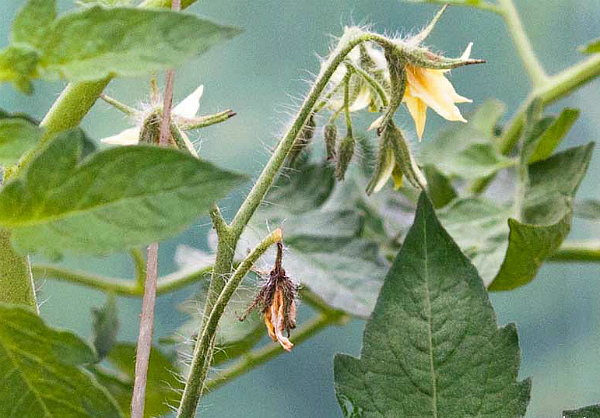
Moreover, it's not uncommon for seemingly healthy ovaries to begin to dry out and fall off. Boric acid can also help stop this destructive process in this case. Boron deficiency can also affect tomato stems—they turn black at the base, and if the plant isn't sprayed promptly, the stems may die, leading to the death of the plant. Also, if stems aren't fed with boron, they may dry out prematurely before they have time to grow and ripen. A deficiency can be indicated by the brittleness of young shoots growing from the base of the plant—they easily break when bent, while healthy stems can bend without any consequences. When brown or black spots with dead tissue, sometimes covered with a white coating, form on tomato fruits, this sign indicates late blight. In this case, iodine is also used for spraying, in addition to a boric acid solution.
It's worth noting that boric acid can be used in a variety of ways when growing tomatoes. It can be used not only as a spray on the bushes but also as a seed treatment, and can also be added to the seedlings' holes shortly before planting them outdoors—experienced gardeners recommend doing this a day before transplanting. If tomatoes are grown in less-fertile soil, a weak solution of boric acid can be used to water the beds.
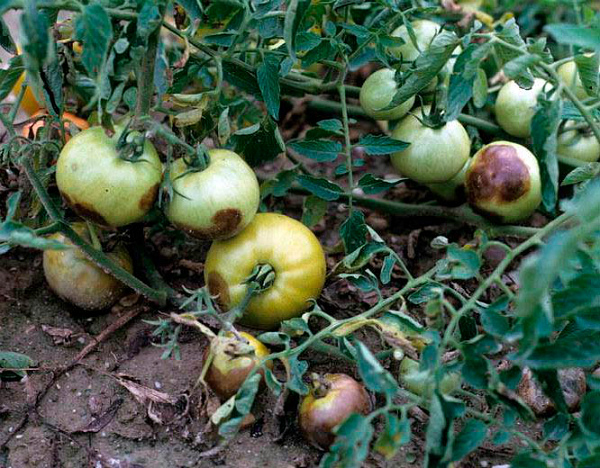
Regular fertilizing is very important for tomatoes – it helps boost plant resistance to diseases, especially late blight. However, it's important to use moderation and not exceed the recommended dosage. It's also important to remember to spray tomatoes no more than once every 10 days.
If the next spraying results in a deterioration in the condition of the plants, this means that the use of the product should be stopped.
What is the correct way?
Fertilizing tomatoes growing both in the garden and in the greenhouse is carried out in two ways:
- watering, when the solution is applied directly to the roots of plants (this method is the main one, since it delivers nutrients to the leaves through the roots);
- Foliar feeding, in which the solution is sprayed onto the green parts of the plants, and the tomatoes receive the nutrients through the leaves (this method is considered more effective because the results appear in just a couple of days, and sometimes even a few hours).
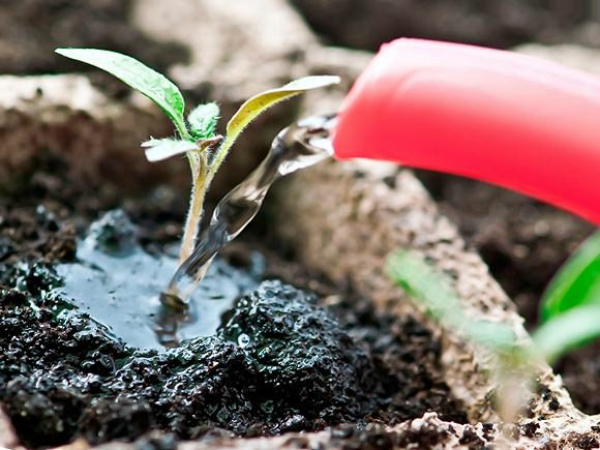
This means that fertilizing tomatoes through irrigation can be done on a planned basis: before planting seedlings, during flowering, and mid-season. However, spraying is best used in emergency situations, such as during late blight, to accelerate fruit set, or for early fruit ripening.
Handling the substance requires extreme caution—it's crucial to correctly calculate the ratio of ingredients used to prepare the solution, as overdosing can significantly harm plants. A ready-made solution containing boric acid at the required concentration can be purchased at a specialty store, but it's also easy to make at home.
To prepare the solution, dilute boric acid in hot water at a ratio of 1 g per 1 liter. The solution should be diluted in hot, not boiling, water. However, before applying it to the tomatoes, wait until the liquid has cooled completely. The same concentration of acid can be used for watering, but it's worth noting that for greater effectiveness, it's recommended to spray the plant leaves.
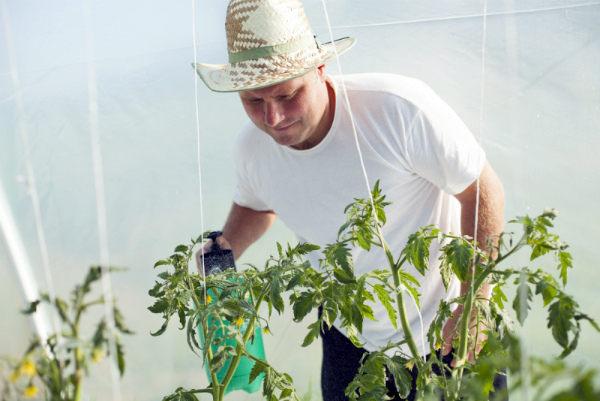
Tomatoes are sprayed at a rate of 1 liter of solution per 10 m² of planting area. This amount ensures that the tomato leaves are thoroughly wet. Depending on the intended use, there are various preparation options:
- If the product is sprayed on tomatoes during flowering to preserve the ovaries, the concentration can be 5–10 g/10 l of water.
- To protect against harmful bacteria, particularly late blight, boric acid should be diluted at a dose of 1 teaspoon per 10 liters of water. To combat late blight, a week after applying boric acid, tomatoes should be sprayed with iodine (in this case, dilute 5–10 g of iodine in 10 liters of water).
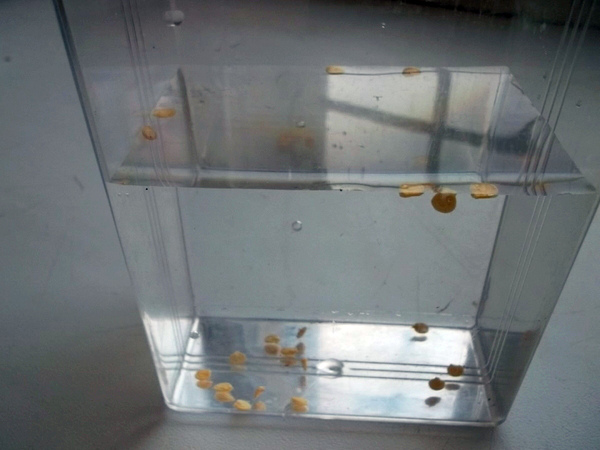
- Many gardeners use boric acid to soak seeds. In this case, the solution is prepared at a concentration of 1 g per 1 liter of water.
When spraying, it's important to pay attention not only to the leaves but also to the flowers and fruits. Spray the bushes thoroughly during the period of mass flowering—this promotes the formation and maintenance of fruit ovaries, thereby increasing the yield. To feed the bushes with boron during flowering and fruit ripening, spray at a rate of 10 ml per bush. Subsequently, as the bushes grow, increase the dosage by 1.5 times.
It's also important to know that iodine can only be applied to tomato plants by watering them at the roots, as contact with the leaves can cause burns, which can lead to the death of the entire plant. When watering, apply the product at a rate of 0.5 liters per plant.
Boric acid is an essential fertilizer for tomatoes. Its judicious use during different periods of the growing season (flowering, setting, fruiting) has a very beneficial effect on crop development and reduces maintenance and fertilizing costs. And, of course, the main reason gardeners love boric acid is the abundant and high-quality tomato harvest achieved thanks to its high protective properties.
Video: "Foliar Feeding of Tomatoes with Boric Acid Solution"
This video will teach you how to foliar feed tomatoes with a boron-based nutrient solution to maximize the plant's nutritional needs without burning its leaves.