
The benefits and advantages of azofoska fertilizer for tomatoes
Content
Deadlines for contributions
Like any chemical fertilizer, azophos is best applied to warm soil, as mineral compounds dissolve faster and better in warmer conditions. The optimal time for spring application is May, when the soil has already warmed up, and for fall application, September, when the soil has not yet cooled down. However, if applied in April or late October, there's a risk that the azophoska won't dissolve, causing significant damage to both the soil and future vegetables. This is because nitrates are well-preserved in cold soil, whereas they dissolve much faster in soft, warm soil with good diffusion properties, especially with regular watering and rainfall. As a result, tomatoes will be planted in well-fertilized soil, resulting in a high-quality harvest.
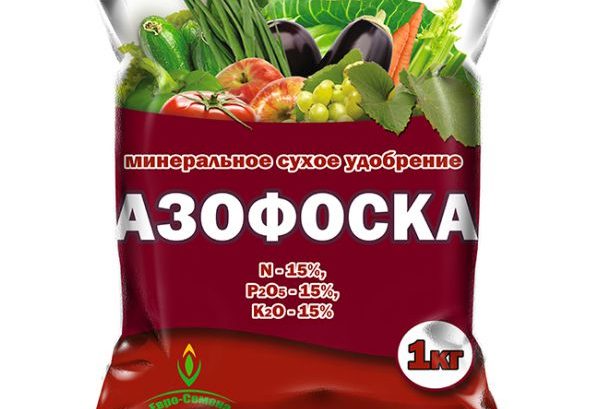
What is useful?
Of course, the main advantage of the drug "azofoska" is the stimulation of the growth of vegetable crops, but, in addition, the use of the product has the following beneficial effects on plants:
- completely replenishes tomatoes' need for all minerals and is a key source of beneficial elements;
- its use is equally successful both as a primary and additional source of potassium, phosphorus and nitrogen;
- Azophos effectively strengthens the root system, which helps to accelerate the growth process;
- Thanks to the use of the preparation, vegetable crops become more resistant to the effects of diseases, pests, weather factors: abnormal drought and severe frosts;
- the use of the preparation accelerates the formation of buds, promotes longer and more lush flowering of tomatoes;
- Azophos affects the quality of ripe fruits: their appearance, taste, dietary fiber content, and also accelerates ripening;
- Using the product during the growing season increases the shelf life of vegetables even after harvesting;
- An important advantage of the preparation is that the nutrients remain in the soil for a long time and are practically not washed out by precipitation;
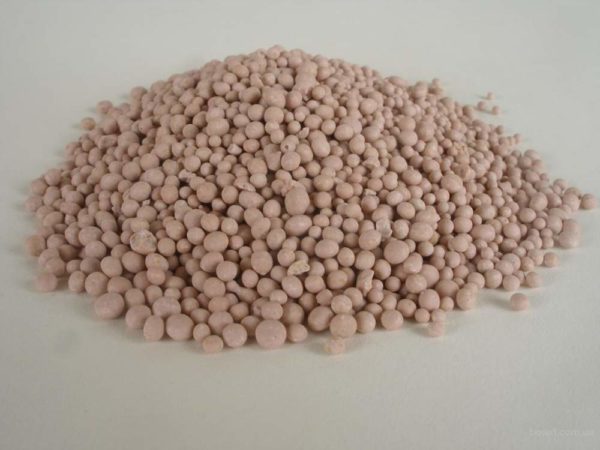
- also, thanks to the use of the product, the yield of tomatoes increases significantly;
- the nitrogen in the mineral mixture is in an easily accessible form, which allows plants to absorb it as quickly as possible;
- In addition to the main components, azofoska contains sulfur, an element that is part of proteins, and it is this fact that explains the ability of the drug to influence the taste of tomatoes;
- According to the instructions for use, the preparation can be used in both dry and dissolved form, which greatly simplifies working with it.
In addition, the use of a mineral mixture is a fairly economical and cost-effective way of fertilizing vegetables:
- Firstly, the fertilizer is characterized by a fairly high concentration of nutrients per unit volume, which means that at a low cost, the product can be used over larger areas than with other similar preparations;
- and secondly, the mineral composition of the drug is represented by very stable compounds, which allows it to be used less frequently than other products.
Video: "Everything Every Gardener Needs to Know About Fertilizer"
An informational video that will answer many questions about this fertilizer.
How to feed correctly
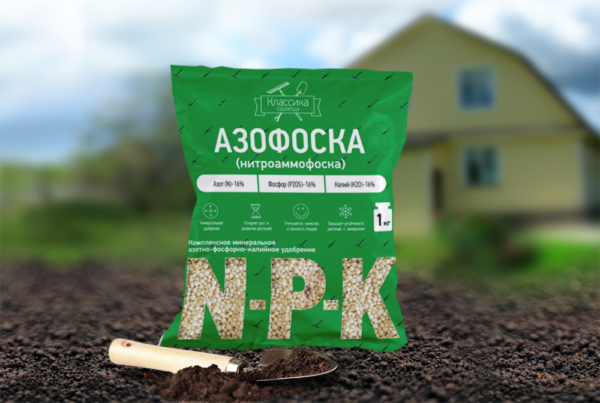
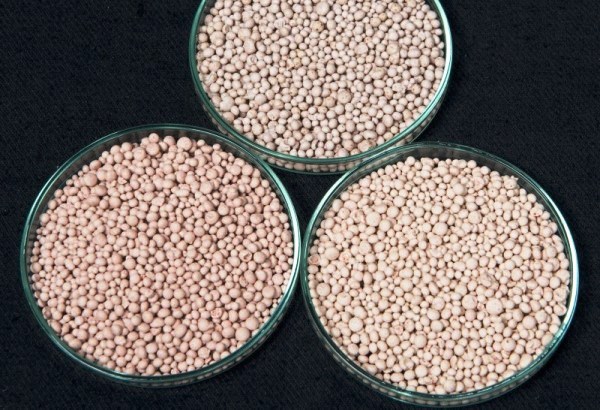
The chemical industry produces several types of azophos, varying in the content of its main components: potassium, phosphorus, and nitrogen. Therefore, it is difficult to say definitively how much fertilizer should be applied to the soil. Each package contains instructions for use, which describe in sufficient detail the quantity of this preparation to use for feeding tomatoes.
Some gardeners, hoping for an early and bountiful harvest, use fertilizer without following the recommended dosage, often exceeding the recommended dose. This is a serious mistake, as standard fertilizer application retains nitrates in the roots, promoting tomato growth. However, if the application rate is exceeded, nitrates begin to accumulate in the leaves and fruits. This negatively impacts their quality and, in some cases, can even be hazardous to health.
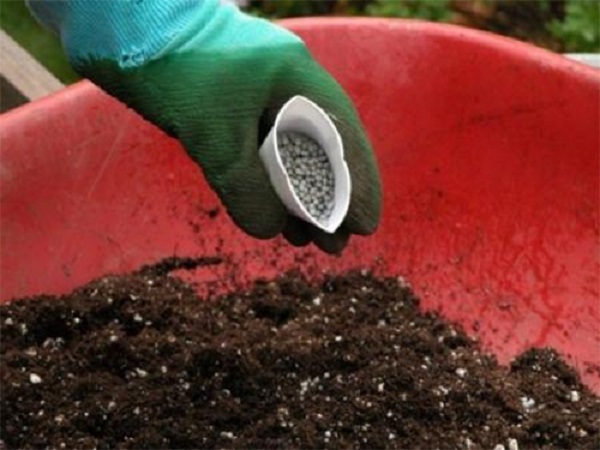
To prevent this from happening, it is necessary to follow the rules for applying fertilizer:
- When applying or diluting the preparation, it is necessary to strictly adhere to the proportions indicated on the packaging and follow all recommendations for use;
- It is better to apply fertilizer to the soil in the fall - even if the azophoska is applied in excess of the dosage, by spring it will no longer have an aggressive effect on vegetable crops;
- Nitrate fertilizers must be alternated with organic fertilizers. If only azophos was used in the garden for two years, then in the third year, this fertilizer should be completely eliminated and only organic fertilizers should be used.
Tomato fertilizer application begins as early as planting the seedlings, but some gardeners even use it to soak the seeds. According to the package instructions, azophoska is first applied when planting tomato seedlings in the garden bed, and the dosage is 0.5 teaspoon per hole—the dry granules are mixed with the soil.
For all subsequent tomato fertilizations, azophos is used in liquid form. Depending on the proportions of the main components and the soil characteristics, the working solution is prepared at a rate of 35-50 g per 10 liters of water. A more precise dosage is provided in the application instructions on each package.
The next tomato feeding with a liquid solution is done two weeks after planting the seedlings. Then, azophoska is applied again approximately 1.5-2 weeks later, along with a light solution of manganese. Dissolve the manganese in 1 liter of water to create a pale solution, then add azophos (0.5 teaspoon), and stir until the crystals are completely dissolved. Another feeding is done at the very beginning of flowering. This time, azophoska is applied with mullein in the following ratio: 25 g of the product and 25 g of mullein per bucket of water. Let the solution sit for a while, then stir.
It's important to note that the method of application isn't critical. The fertilizer can be applied as a solution or as granules incorporated into the soil, but liquid fertilizers are naturally absorbed more quickly by plants. After this point, the active growth of tomato plants ends, and the fruit ripening period begins. At this time, applying azophos is no longer recommended, although gardeners who grow vegetables for sale often ignore these recommendations and use the fertilizer to accelerate fruit ripening.
Video: Fertilizers for Fruit Trees
A demonstration video with expert recommendations for fertilizing fruit trees.